
Terbinafine
Terbinafine
- In our pharmacy, you can buy terbinafine without a prescription, with delivery across the United Kingdom in 5–14 days and discreet, anonymous packaging.
- Terbinafine is used to treat fungal infections such as onychomycosis (nail fungus), tinea pedis, tinea cruris, tinea corporis and tinea capitis; it is an allylamine antifungal that inhibits squalene epoxidase, disrupting ergosterol synthesis in fungal cell membranes.
- The usual dose is 250 mg once daily for oral treatment; topical preparations are typically 1% applied once or twice daily to the affected area (duration varies by indication).
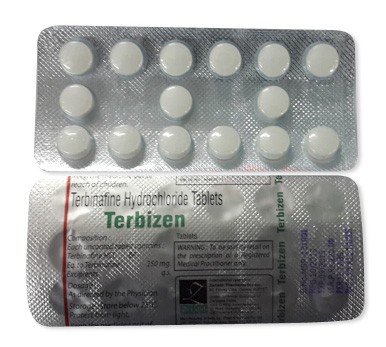
- Forms of administration include oral tablets (250 mg), topical cream (1%), topical spray (1%), and oral granules for paediatric use.
- Onset: topical products often relieve symptoms within a few days; oral therapy achieves antifungal action within days, with visible improvement for skin infections typically in 1–4 weeks and for nail infections over many weeks to months.
- Duration of action/treatment: topical courses usually last 1–4 weeks; oral courses are commonly 2–6 weeks for skin infections and 6–12 weeks (or longer) for nail infections; terbinafine can persist in skin and nails for weeks after treatment ends.
- Alcohol warning: avoid excessive alcohol while taking oral terbinafine and have liver function monitored, as systemic terbinafine can rarely cause hepatic toxicity.
- The most common side effect is gastrointestinal upset (nausea); other frequent effects include headache, taste disturbance and local irritation with topical use.
- Would you like to try terbinafine without a prescription?
Terbinafine
Basic Terbinafine Information
- INN (International Nonproprietary Name): Terbinafine
- Brand Names Available In United Kingdom: Lamisil, Terbinex, generic terbinafine (packaged by multiple manufacturers such as Novartis, Mylan and others)
- ATC Code: D01BA02
- Forms & Dosages:
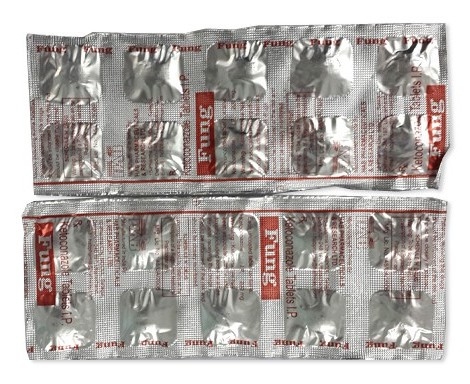
- Tablet: 250 mg oral tablets, blisters 7, 14, 28.
- Cream: 1% topical cream, tubes typically 7g–30g.
- Spray: 1% topical spray, bottles typically 15 ml or 30 ml.
- Granules: 125 mg, 187.5 mg unit-dose granules for paediatric use.
- Manufacturers In United Kingdom: Multiple global and local suppliers supply terbinafine brands and generics (examples in global supply include Novartis, Taro, Mylan).
- Registration Status In United Kingdom: Marketed for topical and systemic use under national licensing procedures; oral tablets are prescription-only and topical small packs are available OTC or pharmacy-only depending on pack size.
- OTC / Rx Classification:
- Oral tablets: Prescription-only (POM).
- Topical creams/sprays (1%): Often available OTC in small packs; larger or pharmacy-only packs may require pharmacist supervision.
Critical Warnings & Restrictions (Safety-First For UK Patients)
High-Risk Groups (Elderly, Pregnancy, Chronic Illness)
Terbinafine can cause hepatotoxicity and systemic side effects; oral use is contraindicated in patients with chronic or active liver disease and requires baseline and on‑treatment liver checks.
Pregnancy and breastfeeding: oral terbinafine is generally avoided and topical use may be considered only after a risk–benefit discussion with a prescriber or pharmacist.
Elderly patients need monitoring of hepatic and renal function; dose changes are not routinely required but clinical review is prudent.
Known hypersensitivity to terbinafine or excipients is an absolute contraindication to any formulation.
Advise patients to stop treatment and seek urgent review for jaundice, dark urine, severe abdominal pain, unexplained tiredness, or severe skin reactions.
- Warning Signs Checklist:
- Yellowing of skin or eyes (jaundice).
- Dark urine or pale stools.
- Severe or persistent abdominal pain.
- Unexplained severe fatigue, nausea or vomiting.
- Sudden severe rash, blistering or signs of hypersensitivity.
- Absolute Contraindications:
- Known hypersensitivity to terbinafine or any excipient.
- Chronic or active hepatic disease.
- Relative Contraindications / Use With Caution:
- Significant renal impairment — consider alternatives or dose adjustment if CrCl <50 ml/min.
- Pregnancy and breastfeeding — avoid oral therapy unless specialist advises otherwise.
- Concurrent medications with significant hepatic metabolism interactions.
Interaction With Activities (Driving, Workplace Safety Under UK Law)
Certain side effects such as dizziness, vertigo, blurred vision or severe fatigue may impair the ability to operate machinery or drive.
Patients must not drive or operate heavy machinery if affected by these symptoms and should follow DVLA guidance if a chronic condition or medication affects fitness to drive.
Employers and healthcare workers handling sharps should be counselled about possible transient effects on concentration; any work‑related incidents while taking terbinafine should be reported through normal workplace channels.
Q&A — “Can I Drive After Taking It In The United Kingdom?”
Q: Can I drive after taking terbinafine?
A: Most people are unaffected, but if you develop dizziness, drowsiness, visual disturbance or other symptoms that may impair driving, do not drive and contact your prescriber or pharmacist.
Follow DVLA rules if your condition or treatment affects driving long term.
Usage Basics
INN, Brand Names Available In The UK
The International Nonproprietary Name (INN) is terbinafine and it is supplied in the UK as branded and generic products such as Lamisil and Terbinex alongside multiple generic lines.
| INN | Common UK Brands | Formulations |
|---|---|---|
| Terbinafine | Lamisil, Terbinex, Generic terbinafine | 250 mg tablets; 1% cream; 1% spray; paediatric granules |
Legal Classification (POM, P, GSL)
- Oral terbinafine tablets: Prescription‑only medicine (POM) throughout the UK.
- Topical terbinafine 1% cream/spray: Often available OTC as a general sales list (GSL) or pharmacy‑only supply depending on pack size.
- MHRA regulates classification and supply; pharmacists may supply small OTC packs with professional advice.
Dosing Guide
Standard Regimens (NHS Guidelines)
Terbinafine tablets are commonly used for nail infections and extensive or recalcitrant tinea infections following standard dosing schedules.
| Indication | Formulation | Dose | Typical Duration |
|---|---|---|---|
| Onychomycosis (fingernail) | Oral tablet | 250 mg once daily | 6 weeks |
| Onychomycosis (toenail) | Oral tablet | 250 mg once daily | 12 weeks |
| Tinea corporis / cruris | Oral tablet | 250 mg once daily | 2–4 weeks |
| Tinea pedis | Oral tablet | 250 mg once daily | 2–6 weeks |
| Mild Localised Tinea | Topical cream / spray 1% | Apply to affected area 1–2 times daily | 1–4 weeks (product dependent) |
Adjustments For Comorbidities
Paediatric dosing is weight‑based and granule sachets are used for tinea capitis where appropriate, for example 125 mg for children under 20 kg, 187.5 mg for 20–40 kg and 250 mg for children over 40 kg.
Hepatic impairment is a contraindication to oral terbinafine for chronic or active liver disease; do not prescribe systemic terbinafine in these patients.
Renal impairment: use caution in severe dysfunction and consider dose reduction or alternative therapy if creatinine clearance is below 50 ml/min.
Elderly patients do not routinely require dose reduction but should have hepatic and renal function monitored and therapy individualised.
Q&A — “What If I Miss A Dose?”
Q: Missed an oral dose — what do I do?
A: Take the missed tablet as soon as you remember unless it is close to the time of the next dose; do not double the dose.
For topical missed applications, apply at the next convenient time and continue the regular schedule.
Interaction Chart
Food And Drinks (Alcohol, Tea/Coffee, Diet Habits)
No major food interactions requiring avoidance of tea or coffee are documented for terbinafine.
Patients with heavy alcohol use or known liver disease must avoid oral terbinafine because of the risk of hepatic injury.
- Patient Counselling Points:
- Discuss alcohol intake during assessment and advise moderation when considering systemic terbinafine.
- Topical use has negligible systemic absorption, so dietary advice is less critical for cream or spray.
- Always review all medicines, supplements and herbal products for potential interactions.
Common Drug Conflicts (MHRA Yellow Card Data)
Terbinafine is metabolised in the liver and can interact with medicines metabolised by hepatic pathways including CYP2D6 substrates.
Clinically relevant interactions can occur with certain antidepressants, antiarrhythmics and antipsychotics where terbinafine may increase plasma concentrations.
Prescribers should be alert to QT‑prolonging drugs and potent CYP inhibitors or inducers when considering systemic terbinafine.
| Co‑Prescribed Drug | Interaction Type | Clinical Action |
|---|---|---|
| Certain SSRIs/antidepressants | Increased levels via CYP2D6 inhibition risk | Check interaction checker; monitor for adverse effects; consider alternative antifungal or psychiatry input |
| Antiarrhythmics (some agents) | Potential increased plasma concentration; QT risk | Cardiology review recommended; avoid combination if significant risk |
| Antipsychotics | Possible increased levels or side effects | Consult prescriber and monitor closely |
| Potent CYP inhibitors/inducers | Altered terbinafine metabolism | Adjust therapy or choose alternative; use interaction checker |
- Prescriber Checklist:
- Complete medicines reconciliation before starting oral terbinafine.
- Use an electronic interaction checker or local formulary summary.
- Consult a specialist when combining with QT‑prolonging or potent CYP‑modulating drugs.
User Reports & Trends
Patients report mixed experiences across UK health forums and NHS information pages.
- Common Positive Outcomes:
- Good success with topical terbinafine for athlete's foot and limited skin ringworm.
- Oral terbinafine often cited as effective for mycological cure in nail infections compared with topical monotherapy.
- Typical Adverse Experiences:
- Topical users commonly report mild local irritation, stinging or redness.
- Oral users report taste disturbance, nausea, headache and less commonly persistent taste loss.
- Patient Concerns:
- Concerns about liver safety and the need for blood tests during long courses for toenail infections.
- Frustration with the long timescale to see full nail clearance despite early mycological cure.
Patients with unexplained systemic symptoms should consult their pharmacist or GP and consider stopping systemic therapy until reviewed.
Access & Purchase Options
Boots, LloydsPharmacy, Superdrug
High‑street pharmacies supply OTC topical terbinafine and dispense prescriptions for oral formulations with pharmacist counselling.
Pharmacists will check contraindications and interactions and may recommend topical therapy as first line for limited tinea infections.
- What To Bring To The Pharmacy:
- A list of current medications and doses.
- Pregnancy or breastfeeding status if relevant.
- Any known allergies and recent liver disease history.
Online Pharmacies And NHS E‑Prescriptions
Growing online services enable NHS e‑prescriptions or private e‑consults for dermatological conditions where appropriate.
Patients should use MHRA‑registered services and check the General Pharmaceutical Council (GPhC) registration of online pharmacies before purchase.
In our online pharmacy, terbinafine is available without a prescription, with discreet delivery to United Kingdom in 5-14 days.
- Safe Online Purchase Checklist:
- Verify regulator registration (GPhC) and supplier credentials.
- Read the patient information leaflet and keep consultation notes.
- Confirm product packaging, batch number and expiry date on receipt.
Mechanism & Pharmacology
Simplified Explanation
Terbinafine is an allylamine antifungal (ATC D01BA02) that inhibits the fungal enzyme squalene epoxidase, causing ergosterol depletion and accumulation of squalene which is toxic to fungal cells.
This fungicidal mechanism explains stronger nail penetration and higher cure rates in onychomycosis compared with some azole agents.
- Definitions:
- Squalene Epoxidase: The fungal enzyme targeted by terbinafine that is essential for ergosterol synthesis.
- Ergosterol: A key component of fungal cell membranes analogous to cholesterol in humans.
- Allylamine: Drug class to which terbinafine belongs, distinct from azoles and cyclopyroxins.
Clinical Terms
Oral terbinafine achieves concentrations in keratinous tissues such as nails and skin suitable for treating onychomycosis.
Topical forms act locally with minimal systemic absorption and therefore carry a lower systemic risk profile.
- PK/PD Notes:
- Absorption: Oral for systemic therapy; topical mostly local.
- Distribution: Concentrates in keratin-rich tissues for prolonged effect.
- Monitoring: Liver function tests are standard with systemic therapy.
Indications & Off-Label Uses
MHRA‑Approved Uses
| Indication | Formulation | Typical Duration |
|---|---|---|
| Onychomycosis | Oral terbinafine 250 mg tablets | 6–12 weeks depending on fingernail or toenail |
| Tinea Pedis | Topical 1% cream/spray or oral | Topical 1–4 weeks; oral 2–6 weeks |
| Tinea Cruris / Corporis | Topical 1% cream/spray or oral | Topical 1–4 weeks; oral 2–4 weeks |
| Tinea Capitis (Paediatric) | Oral terbinafine granules / tablets (weight‑based) | Product dependent; specialist guidance for paediatrics |
Off-Label Practices In NHS And Private Care
Off‑label use such as for some cutaneous candidiasis or complex mixed infections occurs but should be specialist‑led and documented.
Combination creams containing antifungal and steroid components are sometimes used for inflammatory dermatophyte presentations but steroids can mask infection and should be used with caution and clear review plans.
- When To Consider Dermatology Referral:
- Treatment failure after adequate course and adherence.
- Frequent recurrence despite appropriate therapy.
- Severe immunosuppression or atypical presentations.
- Diagnostic uncertainty requiring mycological confirmation.
Key Clinical Findings
Systemic terbinafine remains the gold standard for onychomycosis with superior mycological cure rates compared with some azoles and topical monotherapy in moderate to severe nail disease.
Recent clinical work from 2022–2025 explores shorter pulse regimens, adjunct topical therapy and outcomes with generic formulations; results show variable nail cure rates and underscore that adherence and adequate duration are primary determinants of success.
Safety data continue to reinforce the need for baseline liver function testing and surveillance for rare but serious hepatic events while on systemic therapy.
| Study / Source | Population | Key Outcomes | Safety Signals |
|---|---|---|---|
| Systematic comparisons (UK/EU summaries) | Adults with onychomycosis | Higher mycological cure with oral terbinafine vs topical monotherapy in moderate/severe cases | Hepatic monitoring recommended; rare serious hepatic events reported |
Alternatives Matrix
NHS Prescribing Alternatives (Comparison Table)
| Drug | Route | Typical Indication | Efficacy Vs Terbinafine | Key Safety Notes |
|---|---|---|---|---|
| Itraconazole | Oral | Onychomycosis, systemic tinea | Alternative systemic option; variable efficacy vs terbinafine | Different interaction profile; hepatic monitoring; cardiac contraindications |
| Fluconazole | Oral | Some dermatophyte infections | Less evidence of nail cure compared with terbinafine in some studies | Hepatic monitoring; drug interactions |
| Ciclopirox | Topical lacquer | Onychomycosis (mild) | Lower nail cure rates than oral terbinafine | Minimal systemic absorption; local application issues |
| Naftifine | Topical | Superficial tinea | Comparable topical efficacy for skin infections | Local irritation possible; topical only |
Pros And Cons Checklist
- Terbinafine (Oral) — Pros: high nail cure rates; Cons: liver monitoring requirement, drug interactions.
- Terbinafine (Topical) — Pros: minimal systemic risk, OTC access for small packs; Cons: lower cure rates for nail infections.
- Azoles (Oral) — Pros: useful alternative when terbinafine contraindicated; Cons: different interaction profile and monitoring needs.
Common Questions
- How soon will symptoms improve? — Topical treatments often show symptomatic improvement within days to weeks; oral therapy for nail infections can take months to show visible nail regrowth even after mycological cure.
- Will it cure my nail? — Oral terbinafine increases mycological cure rates, but full nail clearance may take many months; adherence to the full recommended course is crucial.
- Is monitoring necessary? — Yes; baseline and periodic liver function tests are standard when prescribing oral terbinafine and treatment should be stopped if there are signs of liver injury.
- When should I contact my GP or pharmacist? — Contact if you develop jaundice, severe abdominal pain, unexplained fatigue, severe rash, persistent taste disturbance or other worrying systemic symptoms.
NHS Cost & Access Comparison Table
The table below is a suggested layout to populate with live prices at publication; local costs and prescription charging rules change and must be checked before publishing.
| Source / Pharmacy | Typical Product | OTC Price Range (Approx.) | NHS Prescription (England) | Exemption Notes |
|---|---|---|---|---|
| Boots | Terbinafine 1% cream; Lamisil 250 mg (prescription) | £5–£20 for topical packs | Oral terbinafine requires POM; prescription charge applies in England | Scotland/Wales/Northern Ireland generally have free prescriptions; check local rules |
| LloydsPharmacy | Terbinafine topical; generic oral terbinafine on prescription | £5–£20 (topical) | Prescription fee in England unless exempt | Many exemptions apply (age, income, certain conditions) |
| Superdrug | Topical terbinafine 1% cream/spray | £5–£18 | Prescriptions dispensed where supplied | Check local dispensing fees and NHS rules |
OTC topical terbinafine typically retails around £5–£20 depending on brand and pack size, and oral terbinafine requires a prescription in the UK.
Registration & Regulation
MHRA Approval Process
Terbinafine products are licensed nationally via the MHRA or through EU/UK registration procedures and are subject to post‑marketing surveillance.
MHRA safety communications and the Yellow Card scheme are the routes for reporting suspected adverse drug reactions; patients and clinicians are encouraged to report significant events.
- Clinician Checklist:
- Check the SPC before prescribing systemic terbinafine.
- Ensure informed consent and document baseline LFTs where indicated.
- Advise patients on signs that require urgent review.
NHS Prescribing Framework
Prescribers should follow local formularies and antifungal stewardship policies when initiating systemic terbinafine.
For systemic therapy document the indication, baseline LFTs, discuss side effects and provide written patient information including follow‑up arrangements.
- Prescriber Quick Checklist:
- Confirm contraindications and current medicines.
- Plan baseline and follow‑up LFTs.
- Arrange follow‑up and provide patient information leaflet.
Storage & Handling
UK Household Storage (Cold/Damp Climate)
Store terbinafine at 15–30°C in a dry place and protect topical forms from moisture and light.
Do not freeze topical forms and keep tablets in the original blister until required.
- Do’s And Don’ts For Home Storage:
- Do keep medicines in a sealed medicine box away from bathrooms to reduce moisture exposure.
- Do keep out of reach of children and pets.
- Don’t store tubes or sprays in damp areas like showers where moisture may affect product integrity.
- Dispose of unused medicines at a pharmacy take‑back point; do not flush down the toilet.
Guidance From NHS And Pharmacists
Pharmacists should check expiry dates, advise on storage during travel and counsel on correct topical application technique.
For paediatric granules and sachets follow pack instructions and advise parents to keep dose records and packaging for reference.
- Travel Storage Checklist:
- Keep tablets in original blister for temperature protection.
- Avoid extreme heat or freezing when travelling; store in hand luggage where possible.
- Carry a copy of prescription or consultation notes for controlled supplies.
Guidelines For Proper Use (Patient Counselling & Monitoring)
UK Pharmacist Counselling Style
Pharmacists should confirm the indication, review all medicines and allergies, and check pregnancy or breastfeeding status before advising on terbinafine therapy.
Explain expected timelines, particularly that nail regrowth can take many months after treatment completion, and stress adherence to the full course even if symptoms improve.
Use teach‑back methods to confirm understanding and provide clear instructions for topical application.
- Topical Application Steps:
- Clean and dry the affected area thoroughly before application.
- Apply a thin layer of cream or spray to the affected area once or twice daily as instructed.
- Continue treatment for the recommended duration, and for nail infection follow the full course even if initial improvement occurs.
NHS Patient Safety Advice (Monitoring And Follow-Up)
Before starting oral terbinafine arrange baseline liver function tests and advise periodic monitoring during the course of treatment.
Document an action plan for adverse events and provide written information including when to stop treatment and seek urgent review.
- Clinical Monitoring Checklist:
- Baseline liver function tests prior to systemic therapy.
- Repeat LFTs during therapy according to local policy or if symptoms suggest hepatic injury.
- Stop therapy and arrange urgent review for signs of liver dysfunction or severe hypersensitivity.
- Consider mycological confirmation and dermatologist referral for persistent or recurrent infections.
Delivery Across United Kingdom
| City | Region | Delivery Time |
|---|---|---|
| London | England | 5–7 days |
| Birmingham | England | 5–7 days |
| Manchester | England | 5–7 days |
| Glasgow | Scotland | 5–7 days |
| Leeds | England | 5–7 days |
| Edinburgh | Scotland | 5–7 days |
| Bristol | England | 5–7 days |
| Belfast | Northern Ireland | 5–9 days |
| Cardiff | Wales | 5–9 days |
| Newcastle | England | 5–9 days |
| Nottingham | England | 5–9 days |
| Leicester | England | 5–9 days |
| Southampton | England | 5–9 days |