
Antifungals
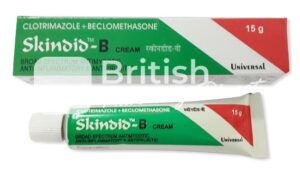
Betamethasone Clotrimazole
from
Fluconazole
from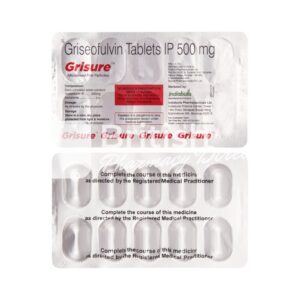
Griseofulvin
from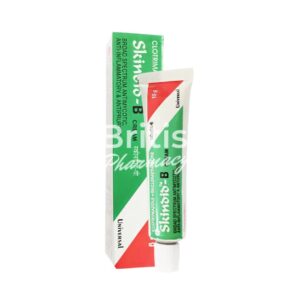
Lotriderm
fromWhat Are Antifungals and How Do They Work?
Antifungal medications are medicines designed to treat infections caused by fungi. These infections can affect various parts of the body, including the skin, nails, mouth, and internal organs. Fungi are microorganisms that thrive in warm, moist environments, making certain areas of the body particularly susceptible to infection.
Antifungals work by either killing fungi directly or stopping them from growing and reproducing. Different antifungal medications target fungi in different ways. Some disrupt the cell membrane of the fungus, causing it to break down, whilst others interfere with essential processes needed for fungal survival. The choice of antifungal depends on the type of fungus, the location of the infection, and the severity of the condition.
Understanding how antifungals function helps patients appreciate why different medications are prescribed for different fungal infections. The effectiveness of treatment often depends on using the right medication in the correct dosage for the appropriate duration.
Common Types of Fungal Infections Treated in the UK
Fungal infections are more common than many people realise. Athlete’s foot, or tinea pedis, is one of the most frequent fungal infections, affecting the skin between the toes and on the soles of the feet. It causes itching, burning, and often red, flaky skin.
Candida infections, commonly called thrush, can occur in the mouth, throat, or genital areas. Oral thrush appears as white patches in the mouth and throat, whilst vaginal thrush causes itching, soreness, and a distinctive discharge. These infections are particularly common in people with weakened immune systems or those taking antibiotics.
Ringworm, despite its name, is not caused by a worm but by a fungus. It presents as a circular, red, scaly rash on the skin. Nail infections, or onychomycosis, affect the toenails or fingernails, causing them to become thick, discoloured, and brittle. Pityriasis versicolor is another fungal infection affecting the skin, causing patches of discolouration. Fungal infections of the scalp, known as tinea capitis, are more common in children but can affect adults too. These conditions are often contagious and can spread through contact with infected individuals or contaminated surfaces.
Topical Antifungal Medications Available in the UK
Topical antifungals are applied directly to the affected area and are often the first line of treatment for skin, nail, and localised fungal infections. In the United Kingdom, several effective topical antifungals are readily available.
The most commonly used topical antifungals include:
- Clotrimazole – available as creams and solutions, effective for treating athlete’s foot, ringworm, and candida infections
- Miconazole – a widely used topical antifungal available in cream form, often combined with other ingredients for enhanced effectiveness
- Terbinafine cream – particularly effective for treating athlete’s foot and ringworm, working quickly to clear infections within a couple of weeks
- Fluconazole – available as a topical cream, beneficial for various skin and nail fungal infections
- Undecylenic acid – an over-the-counter option used primarily for athlete’s foot and other minor fungal skin infections
- Tolnaftate – an accessible topical option for treating tinea infections on the skin
- Amorolfine lacquer – available on prescription for nail infections, applied directly to infected nails to help grow back healthy and uninfected nails
Most topical antifungals require application once or twice daily, depending on the specific product and the severity of the infection. The duration of treatment varies but typically ranges from two to twelve weeks, depending on the type and severity of the infection.
Oral Antifungal Medications Available in the UK
When fungal infections are more severe, widespread, or resistant to topical treatments, oral antifungal medications may be prescribed. These systemic medications work throughout the body to eliminate fungal infections.
Fluconazole is one of the most commonly prescribed oral antifungals in the United Kingdom. It’s effective against a wide range of fungi and is used for thrush, ringworm, and other fungal infections. A single dose is often sufficient for treating vaginal thrush, making it convenient for patients.
Terbinafine tablets are frequently prescribed for nail infections and more stubborn cases of athlete’s foot or ringworm. Treatment typically lasts several weeks, and the medication works by accumulating in the nail, helping to grow out healthy, uninfected nails. Itraconazole is another oral antifungal used in the UK for various fungal infections, including nail infections and more serious systemic fungal infections. It’s often prescribed when other treatments haven’t been effective.
Griseofulvin, an older antifungal, is still used in the UK particularly for severe or stubborn fungal infections of the skin and nails. It requires longer treatment periods but can be very effective. Ketoconazole tablets are available in the UK for treating certain systemic fungal infections, though they’re used less frequently than other options due to potential side effects.
Oral antifungals can have side effects and may interact with other medications, so they’re typically prescribed only when necessary. Liver function may need to be monitored during treatment with certain oral antifungals, particularly with longer courses of therapy.
Over-the-Counter Antifungal Options and Prevention
Many antifungal products are available without prescription in the United Kingdom, making treatment more accessible for minor fungal infections. These over-the-counter options include various creams, sprays, and powders specifically formulated for common fungal infections like athlete’s foot. Popular over-the-counter brands include Canesten, which offers creams and solutions for various fungal infections, Lamisil AT cream for athlete’s foot treatment, and Daktarin cream for skin fungal infections.
Antifungal powders and sprays can help prevent fungal infections by keeping affected areas dry and creating an unfavourable environment for fungal growth. These products are useful for people prone to fungal infections or those who spend significant time in humid environments.
Prevention is often more effective than treatment. Keeping the skin clean and dry, particularly in warm, moist areas like between the toes, significantly reduces infection risk. Wearing breathable clothing and changing clothes promptly after sweating helps prevent fungal growth. In communal areas like swimming pools and gyms, wearing appropriate footwear reduces the risk of contracting athlete’s foot. Personal hygiene items should never be shared, as fungal infections can spread through contact with contaminated objects. People with weakened immune systems should take particular care to prevent fungal infections, as their bodies may struggle to fight off infections naturally.
When to Seek Professional Advice and Treatment Duration
Whilst many fungal infections respond well to over-the-counter treatments, certain situations warrant professional medical advice. If an infection doesn’t improve after two weeks of appropriate treatment, a GP should be consulted. Similarly, if an infection appears to be spreading or worsening, medical intervention is recommended.
People with weakened immune systems, diabetes, or other underlying health conditions should consult a healthcare professional before starting antifungal treatment. Pregnant women should discuss any fungal infection with their GP before using any medication. If a fungal infection affects the nails or scalp, professional diagnosis and prescription medication are usually necessary for effective treatment. Nail infections in particular often require several months of oral medication to resolve completely.
The duration of antifungal treatment depends on the type and severity of the infection. Topical treatments for skin infections typically take two to four weeks. Nail infections usually require three to six months of treatment, as the medication must work its way through the entire nail as it grows. Some oral antifungals require only a single dose for conditions like vaginal thrush, whilst others require weeks of daily treatment. It’s important to complete the full course of treatment even if symptoms disappear, as incomplete treatment can lead to recurrence.
Regular follow-up appointments may be necessary to monitor treatment progress, particularly for more serious infections or for patients taking medications that require liver function monitoring. Your healthcare provider will advise on the appropriate treatment duration for your specific condition.