Augmentin
In brief
- Augmentin can be purchased in many countries, including the UK, USA, EU markets and Romania; however, it is officially a prescription-only antibiotic in most jurisdictions. If a pharmacy offers it without a prescription, this should only be through a lawful service and with appropriate clinical assessment.
- Augmentin is used to treat bacterial infections such as sinusitis, otitis media, bronchitis, skin and soft tissue infections, and urinary tract infections. It contains amoxicillin plus clavulanic acid, which works by killing susceptible bacteria and blocking beta-lactamase enzymes that would otherwise inactivate amoxicillin.
- The usual adult dose is 500/125 mg every 8–12 hours, or 875/125 mg every 12 hours for many common infections; severe infections may require 1.2 g intravenously every 8 hours. Children are dosed by body weight, and the exact dose depends on the infection and formulation.
- Augmentin is available as film-coated tablets, oral suspension, dry syrup, and intravenous vials for injection; in some settings it is also used as an injectable preparation for hospital treatment.
- Augmentin usually begins working within a few hours, although symptom improvement may take 1–3 days as the infection starts to clear.
- The duration of action is roughly 8–12 hours per dose, depending on the formulation and dosing schedule. Treatment courses commonly last 5–10 days, and sometimes up to 14 days for more severe infections.
- Alcohol is best avoided or limited while taking Augmentin, as it can worsen stomach upset, dizziness, and dehydration. It does not usually cause a dangerous alcohol interaction, but drinking may make side effects harder to tolerate.
- The most common side effects are diarrhoea, nausea, vomiting, mild stomach discomfort, and skin rash; some people may also get oral or vaginal thrush, or temporary increases in liver enzymes.
- Would you like to try Augmentin without a prescription?
Basic Augmentin Information
- INN (International Nonproprietary Name): Amoxicillin and clavulanic acid
- Brand names available in United Kingdom: Augmentin
- ATC Code: J01CR02
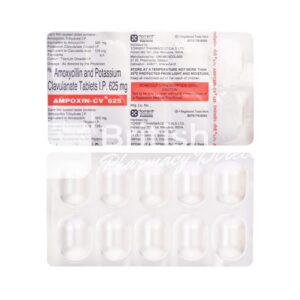
- Forms & dosages: Tablets 250/125 mg, 500/125 mg, 875/125 mg; oral suspension 125 mg/31.25 mg per 5 ml and 250 mg/62.5 mg per 5 ml; injectable vial 500 mg/100 mg and 1000 mg/200 mg
- Manufacturers in United Kingdom: GlaxoSmithKline (GSK) and generic manufacturers
- Registration status in United Kingdom: Prescription only (Rx)
- OTC / Rx classification: Prescription only in all jurisdictions, not over the counter
Safety First: Who Should Not Take Augmentin And When To Seek Urgent Help
UK Patient Safety, Red Flags, And Absolute Contraindications
Can Augmentin be taken safely by everyone who has a cough, sore sinuses, or a painful ear?
Not always, and that is why it is a prescription-only antibiotic in the UK.
It should not be taken by anyone with a known hypersensitivity to penicillins or other beta-lactam antibiotics, and it must also be avoided if you have had cholestatic jaundice or liver dysfunction linked to Augmentin before.
Common side effects such as diarrhoea, nausea, vomiting, mild rash, and tummy discomfort are usually not dangerous, but allergic or severe reactions need immediate action.
- Swelling of the face, lips, tongue, or throat.
- Breathing difficulty or wheezing.
- Severe rash, blistering, or peeling skin.
- Yellowing of the skin or eyes, or dark urine.
- Bloody diarrhoea or severe persistent diarrhoea.
The MHRA and NHS advice is simple: stop the medicine and seek urgent medical help if allergy symptoms occur.
If symptoms are severe, call 999 or go to A&E.
Higher-Risk Groups Needing Closer Monitoring
Some people can still use co-amoxiclav, but only after a pharmacist or GP review.
That is particularly important if there is a history of liver disease, viral hepatitis, severe renal impairment, multiple drug allergies, or an allergic tendency.
Allopurinol can increase the risk of rash, so that combination deserves a careful medicines check.
- History of liver disease or hepatitis.
- Kidney problems, especially severe renal impairment.
- Previous rash with more than one antibiotic.
- Current treatment with allopurinol.
- Any past reaction to penicillin.
Micro-FAQ
Q: Is Augmentin safe in pregnancy or breastfeeding?
A: Only if prescribed; UK clinicians weigh benefits and risks case by case.
What Augmentin Is: INN, UK Brand Names, And Legal Status
Definition And Names
People often ask for Augmentin by name, but the medicine is known internationally as amoxicillin and clavulanic acid.
The usual UK name for that combination is co-amoxiclav, and Augmentin is the brand many patients recognise.
It belongs to the ATC group J01CR02, which places it among systemic beta-lactam and beta-lactamase inhibitor antibacterials.
- INN
- Amoxicillin and clavulanic acid.
- Brand name
- Augmentin.
- ATC code
- J01CR02.
UK Classification And Prescription Rules
In the UK, Augmentin is not sold over the counter.
It is supplied on an NHS or private prescription, with electronic prescribing now routine across many services.
That is why pharmacists at Boots, LloydsPharmacy, Superdrug, and online pharmacies cannot simply hand it out without a valid prescription.
The MHRA oversight and pharmacy supply checks help make sure the right strength, formulation, and duration are used for the right infection.
How Augmentin Works: Why Clavulanic Acid Is Added
Simplified Mechanism
Augmentin combines a beta-lactam antibiotic with a beta-lactamase inhibitor.
Amoxicillin attacks the bacterial cell wall, while clavulanic acid helps protect it from enzymes that some bacteria make to inactivate plain amoxicillin.
| Amoxicillin Does | Clavulanic Acid Does |
|---|---|
| Kills susceptible bacteria by blocking cell wall synthesis. | Inhibits beta-lactamase enzymes so the antibiotic can keep working. |
Clinical Relevance
This matters most where resistance to amoxicillin alone is more likely, especially in community respiratory infections.
That is one reason co-amoxiclav is commonly discussed in the NHS rather than being used for every infection.
The ATC code J01CR02 is useful for accurate product identification and prescribing records.
When It Is Used In The UK: MHRA-Approved And Common NHS Indications
Common Licensed Uses
Augmentin is used for bacterial infections where the likely organism may produce beta-lactamase.
- Sinusitis.
- Otitis media.
- Bronchitis.
- Skin and soft tissue infections.
- Urinary tract infections.
- Severe infections needing IV treatment in hospital.
What Clinicians Consider Before Prescribing
A prescriber will think about whether the illness is likely bacterial, which local resistance patterns apply, and whether a narrower antibiotic would be better stewardship.
Allergy history is checked first, because a penicillin reaction changes the whole plan.
UK use can differ a little between NHS and private care, depending on the clinical judgement and the urgency of the infection.
Dosing Basics For Adults: Tablets, Frequency, And Duration
Standard Adult Regimens
Adult dosing depends on the infection site and severity.
| Condition | Dose | Route | Typical Duration |
|---|---|---|---|
| Sinusitis, otitis media, bronchitis | 500/125 mg every 8-12 hours, or 875/125 mg every 12 hours | Oral | 5-10 days |
| Skin and soft tissue infection | 500/125 mg every 8-12 hours | Oral | 7-14 days |
| Urinary tract infection | 500/125 mg every 12 hours | Oral | 7-10 days |
| Severe infection | 1.2 g every 8 hours | IV | As directed |
Treatment Length And Adherence
Mild to moderate infections usually need 5 to 7 days, while severe or chronic infections may need up to 14 days.
In practice, treatment should continue for at least 48 hours after symptoms have settled.
- Take it exactly at the times given.
- Do not skip doses because you feel better.
- Complete the full course unless your prescriber tells you otherwise.
Micro-FAQ
Q: Can I stop when I feel better?
A: Not usually; finish the course unless your prescriber tells you otherwise.
Children, Older Adults, And Dose Adjustments
Paediatric Dosing And Formulations
Children are dosed by weight, not by age alone.
The usual guide is 20 to 40 mg per kg per day of the amoxicillin part in divided doses.
That is why Augmentin pediatric suspension dosing is calculated carefully, often using oral suspension or chewable tablets.
- Shake the suspension well.
- Measure each dose carefully.
- Finish the course even if the child seems better.
Elderly, Renal, And Liver Impairment
Older adults can usually use adult doses if kidney function is normal.
Renal impairment may need a longer interval or a reduced dose.
Liver impairment needs caution and monitoring of hepatic function.
A GP or pharmacist should review the history first if there is kidney disease, liver disease, or past drug-related jaundice.
How To Take Augmentin Correctly: Missed Doses, Food, And Timing
Taking It With Meals And Routine
UK pharmacists usually advise taking Augmentin at the start of a meal.
That helps reduce stomach upset and improves tolerance.
- Take doses at the same time each day.
- Space doses evenly.
- Finish the course exactly as prescribed.
Missed Dose And Overdose Guidance
If a dose is missed, take it when remembered unless it is nearly time for the next one.
Do not double up.
Overdose may cause gastrointestinal upset, diarrhoea, and in rare cases renal failure or convulsions.
- Seek advice from a pharmacist, GP, or NHS 111.
- Drink fluids to avoid dehydration.
- Get emergency help if symptoms are severe.
Micro-FAQ
Q: What if I vomit after a dose?
A: Ask a pharmacist or prescriber; advice depends on timing after the dose.
Side Effects, Allergic Reactions, And When To Report Them
Common Mild To Moderate Effects
The most common problems are digestive.
Diarrhoea, nausea, vomiting, mild rash, abdominal discomfort, oral or vaginal candidiasis, and transient liver enzyme changes can occur.
| Common | Less Common But Important |
|---|---|
| Diarrhoea, nausea, vomiting, mild rash, tummy discomfort. | Moderate skin reactions, transient liver enzyme changes, oral or vaginal candidiasis. |
Serious Reactions Needing Urgent Action
Serious allergy or liver reactions are rare, but they matter.
- Stop and seek urgent help if swelling, breathing difficulty, or a severe rash appears.
- Stop and seek urgent help if jaundice develops.
- Stop and seek urgent help if bloody diarrhoea occurs.
- Stop and seek urgent help if you feel faint after a dose.
Suspected side effects should be discussed with a GP, and the MHRA Yellow Card scheme can be used for reporting adverse reactions.
Interactions: Medicines, Alcohol, And Lifestyle Factors
Common Drug Interactions
Always tell the pharmacy about your current medicines, because interaction checks in UK systems are there for a reason.
| Medicine | Possible Issue | What To Do |
|---|---|---|
| Allopurinol | Higher risk of rash. | Ask for a pharmacist or GP review. |
Food, Drinks, And Daily Habits
Alcohol moderation is sensible while you are unwell, especially if you have stomach upset or are not drinking enough water.
Staying hydrated matters more than worrying about tea or coffee in normal amounts.
If diarrhoea develops, focus on fluids and seek advice if it becomes severe or persistent.
How Augmentin Compares With Alternatives Used In NHS Care
Core Alternatives
Prescribers may choose amoxicillin alone, cefuroxime, cefixime, azithromycin, or clindamycin depending on the infection and the patient.
| Medicine | Spectrum | Allergy Considerations | Typical Use Cases |
|---|---|---|---|
| Amoxicillin alone | Narrower than co-amoxiclav. | Not for penicillin allergy. | Selected infections where resistance is less likely. |
| Cefuroxime | Broader cephalosporin option. | Use cautiously in some beta-lactam allergies. | Alternative when appropriate clinically. |
| Cefixime | Cephalosporin option. | Cross-check allergy history. | Used in selected bacterial infections. |
| Azithromycin | Different antibiotic class. | Useful when penicillin cannot be used. | Selected respiratory or atypical infections. |
| Clindamycin | Different antibiotic class. | Used when needed for certain allergies. | Selected skin or dental infections. |
When An Alternative May Be Preferred
An alternative may be better if there is penicillin allergy, local resistance concerns, a different infection site, or a need for tighter antibiotic stewardship.
- Pros of Augmentin: Good coverage where beta-lactamase producers are suspected.
- Cons of Augmentin: More stomach upset than some narrower options.
Micro-FAQ
Q: Is Augmentin stronger than amoxicillin?
A: It can cover some resistant bacteria better, but it is not automatically “better” for every infection.
UK Access: NHS Prescriptions, Pharmacies, And Online Ordering
Where Patients Get It
In the UK, Augmentin is commonly supplied through NHS electronic prescriptions, private prescriptions, and hospital discharge scripts.
Patients may collect it from Boots, LloydsPharmacy, Superdrug, or a registered online pharmacy after the prescription has been clinically checked.
- GP prescription.
- Urgent treatment centre.
- Dental prescriber where appropriate.
- Private prescriber.
For convenience, some patients choose to order online, and in our online pharmacy, Augmentin is available without a prescription, with discreet delivery to United Kingdom in 5-14 days.
England Charges And UK Regional Differences
Prescription charges apply in England unless the patient is exempt.
Prescriptions are generally free in Scotland, Wales, and Northern Ireland.
| Region | Prescription Rule | Likely Cost |
|---|---|---|
| England | Prescription charge usually applies. | Chargeable unless exempt. |
| Scotland | Free NHS prescriptions. | No charge. |
| Wales | Free NHS prescriptions. | No charge. |
| Northern Ireland | Free NHS prescriptions. | No charge. |
Practical Safety Note
Before buying online, always check that the pharmacy is MHRA registered, displays the UK pharmacy logo, and offers pharmacist counselling.
Cost, Packaging, And Dose Forms In The UK Market
Available Strengths And Formats
Patients often see Augmentin 500/125 mg film-coated tablets listed online, but several strengths and formats exist.
| Formulation | Strength | Common Use |
|---|---|---|
| Tablets | 250/125 mg, 500/125 mg, 875/125 mg | Adult oral treatment. |
| Oral suspension | 125/31.25 mg per 5 ml, 250/62.5 mg per 5 ml | Children and those who cannot swallow tablets. |
| Injectable vial | 500/100 mg, 1000/200 mg | Hospital treatment. |
Brand Vs Generic
Augmentin and co-amoxiclav are the names most patients recognise, but generic amoxicillin and clavulanic acid products may also be supplied.
Pricing can vary depending on whether the prescription is NHS or private, and on the pharmacy and wholesaler used.
Storage, Transport, And Household Handling
Tablets And Suspensions
Tablets should be stored at room temperature, ideally 15 to 25°C, and kept away from moisture and light.
Suspensions should be refrigerated after reconstitution and the unused portion discarded after 7 to 10 days, or as the label directs.
- Mark the date of reconstitution on the bottle.
- Keep medicines out of children’s reach.
- Do not use a suspension past the labelled discard date.
Injectable Forms
Injectable forms are stored as directed by healthcare professionals, usually in a cold chain, and are not for home use.
Regulatory Status, Manufacturers, And UK Quality Assurance
Approval And Oversight
Augmentin is fully authorised in major markets and is prescription-only.
In the UK, MHRA oversight and supply chain checks support quality, traceability, and safe dispensing.
That same framework is why an online pharmacy should never bypass clinical screening for antibiotics.
Manufacturers And Suppliers
GlaxoSmithKline remains the best-known originator, while many generic manufacturers also supply co-amoxiclav products.
- Manufacturer
- The company that makes the medicine.
- Supplier
- The company or wholesaler that distributes it to pharmacies.
- Marketing authorisation
- The approval that allows a medicine to be sold in a market.
In the UK, availability can vary by pharmacy chain and wholesaler.
Patient Guidance And Pharmacist Counselling: What UK Patients Should Remember
How Pharmacists Advise Use
When a pharmacist supplies Augmentin, the key checks are straightforward but important.
- Confirm any penicillin allergy.
- Check the dose and timing.
- Make sure the child’s dose is weight-based if it is a suspension.
- Ask about kidney or liver problems.
- Explain how long the course should last.
- Go through side effects and urgent warning signs.
When To Contact A Clinician
Get back in touch if symptoms are not improving after 48 to 72 hours, if the infection gets worse, or if severe diarrhoea, rash, jaundice, or vomiting develops.
- No improvement after 48 to 72 hours.
- Worsening infection or fever.
- Severe diarrhoea or blood in the stool.
- Any rash, swelling, or breathing problem.
- Yellowing of the skin or eyes.
Why Augmentin Is Commonly Chosen
Clinicians often choose co-amoxiclav where plain amoxicillin may not be enough, especially for community respiratory infections and suspected beta-lactamase producing bacteria.
That is also why patients searching for Augmentin prescription antibiotic for sinus infection are usually told not to self-select, but to match the antibiotic to the infection and their allergy history.
Delivery Across United Kingdom
| City | Region | Delivery time |
|---|---|---|
| London | England | 5-7 days |
| Birmingham | England | 5-7 days |
| Manchester | England | 5-7 days |
| Leeds | England | 5-7 days |
| Liverpool | England | 5-7 days |
| Sheffield | England | 5-7 days |
| Bristol | England | 5-7 days |
| Newcastle upon Tyne | England | 5-7 days |
| Nottingham | England | 5-9 days |
| Leicester | England | 5-9 days |
| Cardiff | Wales | 5-7 days |
| Glasgow | Scotland | 5-7 days |
| Edinburgh | Scotland | 5-7 days |
| Belfast | Northern Ireland | 5-7 days |