Lithium
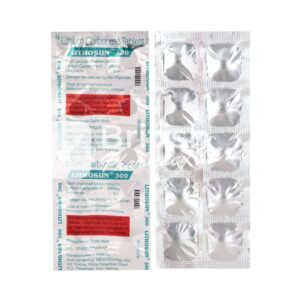
In brief
- You may be able to purchase lithium from some online pharmacies without a paper receipt, but it is a prescription-only medicine in the UK and most major markets, so a valid prescription is normally required for legal supply and safe use.
- Lithium is used mainly for bipolar disorder, especially acute mania and long-term mood stabilisation, and sometimes as augmentation in treatment-resistant depression. It works by stabilising nerve cell signalling in the brain and altering neurotransmitter pathways, with effects on second messenger systems and ion transport.
- The usual adult dose for acute mania is about 600–900 mg daily in divided doses, with maintenance doses commonly 900–1200 mg daily, adjusted to blood levels. Doses must be individualised to keep serum lithium in the therapeutic range, usually 0.6–1.2 mmol/L.
- Lithium is available as tablets, capsules, prolonged-release or controlled-release tablets, and oral solutions; less commonly it may be found as effervescent tablets or oral drops.
- Lithium does not work immediately: some calming of manic symptoms may begin within days, but full clinical benefit usually takes 1–3 weeks, and optimal mood stabilisation may take longer with dose adjustment and monitoring.
- The duration of action depends on the formulation and dosing schedule, but its therapeutic effects are maintained with regular daily use; for mood disorders, treatment may be continued for months or even long term, sometimes lifelong.
- Avoid alcohol or keep intake to an absolute minimum, as alcohol can worsen drowsiness, impair judgement, increase dehydration, and raise the risk of lithium toxicity, especially during hot weather, illness, vomiting, or diarrhoea.
- The most common side effects are nausea, diarrhoea, fine hand tremor, increased thirst, increased urination, fatigue, weight gain, and mild memory or concentration problems.
- Would you like to try lithium without a prescription?
Basic Lithium Information
- INN (International Nonproprietary Name): Lithium
- Brand Names Available In United Kingdom: Priadel, Camcolit, Liskonum, Li-Liquid, Priadel Liquid
- ATC Code: N05AN01
- Forms & Dosages: Tablets, capsules, prolonged-release tablets, oral solutions; common strengths include 150 mg, 200 mg, 250 mg, 300 mg, 400 mg, and 450 mg, with oral solution strengths varying by product
- Manufacturers In United Kingdom: Not specified
- Registration Status In United Kingdom: Prescription-only medicine
- OTC / Rx Classification: Rx only
Everything Patients In The UK Should Know About Lithium
Critical Warnings, UK Patient Safety, And Who Should Avoid Lithium
Worried about whether lithium is safe for you, or whether a stomach bug could upset everything?
That concern is sensible, because lithium has a narrow safety margin and dehydration can push levels up quickly.
Absolute contraindications mean lithium should not be used, including severe renal impairment or failure, sodium depletion, dehydration, known allergy to lithium salts, Addison’s disease, and Brugada syndrome.
- Absolute contraindications
- Conditions where lithium is not appropriate because toxicity risk is too high, especially significant kidney disease and marked fluid or salt loss.
- Relative contraindications
- Situations where lithium may still be used only with specialist judgement, such as pregnancy, breastfeeding, older adults with comorbidities, cardiovascular disease, impaired renal function, or medicines that affect the kidneys.
In practical terms, vomiting, diarrhoea, fever, poor fluid intake, or an infection needs urgent clinician review, because dehydration and drug interactions markedly raise toxicity risk.
Tremor, drowsiness, blurred thinking, and other toxicity symptoms can also make driving or safety-sensitive work unsafe.
Micro-FAQ — Can I Drive After Taking Lithium In The UK?
Short answer: only if you feel well, are not having symptoms, and have been told it is safe by your clinician.
- Worsening tremor.
- Drowsiness or marked tiredness.
- Blurred thinking or confusion.
- Unsteady walking or slurred speech.
- Vomiting or diarrhoea with weakness.
If any of those occur, do not drive and seek urgent advice.
Follow your clinician’s guidance and the Highway Code if your concentration or reaction time is affected.
What Lithium Is: Names, Forms, And UK Availability
People often ask whether lithium is a single medicine or a family of products.
The INN is lithium, and in day-to-day prescribing it usually means lithium carbonate or lithium citrate.
In the UK, familiar names include Priadel, Camcolit, Liskonum, Li-Liquid, and Priadel Liquid, although availability can change over time.
Globally, examples include Camcolit 250 mg and 400 mg, Priadel modified-release tablets, and lithium citrate liquid.
It is sold as tablets, capsules, modified-release tablets, and oral solutions, with packaging commonly in blister packs or bottles.
| Form | Common Strengths | Typical Packaging | Notes |
|---|---|---|---|
| Tablets | 150 mg, 200 mg, 250 mg, 300 mg, 400 mg | Blister packs | Most commonly dispensed |
| Capsules | 150 mg, 300 mg | Blister or strip packs | Availability varies by market |
| Modified-release tablets | 400 mg, 450 mg | Boxed blisters | Should not be crushed or altered |
| Oral solution | Concentrations vary | Bottles or ampoules | Useful when swallowing tablets is difficult |
Lithium is prescription-only in the UK, so checking current NHS or pharmacy availability is always sensible before arranging a repeat.
UK Legal Status, NHS Prescribing, And MHRA Context
Can you buy lithium over the counter in a pharmacy?
No.
Lithium is a prescription-only medicine and is regulated under MHRA oversight.
That means supply is controlled, and NHS prescribing follows standard clinical pathways rather than retail purchase.
In England, prescription charges may apply, while prescriptions are free in Scotland, Wales, and Northern Ireland.
Electronic prescriptions and repeat dispensing are common, and community pharmacies usually supply the medicine in the normal way.
- What to bring to the pharmacy: your prescription, any lithium alert card or record book, and details of other medicines.
- What pharmacists will check: dose, formulation, recent blood tests, kidney and thyroid monitoring, and possible interactions.
Boots, LloydsPharmacy, Superdrug, and online pharmacies all play a role in UK access, and pharmacists are often the main source of practical counselling.
Who Lithium Is Used For And When It Is Prescribed
For many patients, lithium treatment for bipolar disorder is the main reason this medicine is prescribed.
It is used for mood stabilisation, especially in mania prevention, and it can also be used as augmentation in resistant depression under specialist care.
Standard adult starting doses and maintenance ranges are adjusted to serum levels rather than symptoms alone.
Children are not usually first-line, and paediatric specialist guidance is needed if lithium is considered.
Off-label use can happen in NHS or private practice, but only under specialist supervision.
Micro-FAQ — What Is Camcolit Used For?
Short answer: Camcolit is a lithium treatment used for bipolar disorder and mood stabilisation, depending on the formulation and the clinician’s plan.
- Mania
- An acute high-mood or overactive episode that may need a stronger starting dose and close monitoring.
- Maintenance treatment
- Long-term treatment to reduce relapse risk once symptoms are stable.
- Augmentation
- Adding lithium to another antidepressant when depression has not responded well enough.
How Lithium Works In The Body
Patients often want a simple answer: how does it actually help?
Lithium helps stabilise mood by altering signalling in the brain, which is why it is used for long-term mood control rather than as a sedative.
It does not work like a sleeping tablet and usually needs time, monitoring, and careful dose adjustment.
For informed readers, the medicine has a narrow therapeutic index and is classified under ATC code N05AN01.
- It has a slow onset compared with painkillers or antibiotics.
- Blood tests are needed on an ongoing basis.
- Dose changes are based on serum level results.
- Symptoms alone are not enough to judge safety.
That is why lithium medication is handled carefully by clinicians and pharmacists.
Starting Doses And Standard UK-Style Dosing Approach
How much is usually prescribed at the start?
For acute mania or bipolar disorder in adults, the usual initial dose is 600–900 mg per day in divided doses.
Maintenance is often 900–1200 mg per day, but the exact amount depends on serum lithium levels and the person’s response.
The therapeutic range for most patients is 0.6–1.2 mmol/L.
Older adults generally start at 50–75% of adult doses because renal clearance is reduced.
| Group | Starting Approach | Monitoring Considerations |
|---|---|---|
| Typical adult | 600–900 mg/day initially | Serum levels after starting and after dose changes |
| Older adult | 50–75% of adult dose | Closer renal and level monitoring |
| Kidney impairment | Use extreme caution or avoid if significant | Significant renal disease is a contraindication |
Micro-FAQ — What If I Miss A Dose?
Take it when remembered unless it is nearly time for the next dose.
Do not double up.
If you are unsure, follow pharmacist advice and the missed-dose instructions on the pack or prescription label.
Monitoring: Blood Tests, Kidney Checks, And Thyroid Safety
Do you really need so many blood tests with lithium?
Yes, because regular serum lithium, renal, and thyroid monitoring is mandatory.
Clinicians usually check before starting, after dose changes, and then periodically over the long term.
Some patients also need calcium or parathyroid-related monitoring.
Toxicity can happen even at a normal dose if dehydration, illness, or interacting medicines are present.
- Blood tests before treatment starts.
- Blood tests after a dose change.
- Long-term periodic serum lithium checks.
- Kidney and thyroid function monitoring.
- Report illness, vomiting, diarrhoea, or fever quickly.
Keep every blood-test appointment and carry your lithium record or alert card if one has been issued.
Side Effects, What Is Common, And When To Seek Help
Most people first notice the everyday effects rather than anything severe.
Common side effects include nausea, diarrhoea, abdominal pain, tremor, fatigue, thirst, frequent urination, weight gain, acne or rash, and mild memory disturbance.
Over time, hypothyroidism and hyperparathyroidism can appear.
- Mild or common: nausea, thirst, polyuria, fine hand tremor, fatigue, weight gain.
- Urgent red flags: worsening tremor, vomiting, confusion, unsteady gait, slurred speech, marked drowsiness.
If toxicity is suspected, contact NHS 111, your GP, or emergency services quickly depending on severity.
Overdose is a medical emergency and may require hospital treatment, including dialysis in severe cases.
Drug, Food, And Drink Interactions
Because lithium has a narrow therapeutic index, interactions matter a great deal.
Medicines that commonly raise risk include NSAIDs, ACE inhibitors, ARBs, diuretics, some antipsychotics, and other medicines affecting renal function.
Alcohol, poor fluid intake, hot weather, heavy exercise, vomiting, diarrhoea, and sudden salt changes can all make levels less predictable.
| Interaction | Risk | What To Do |
|---|---|---|
| NSAIDs | May increase lithium levels | Ask before using pain relief |
| ACE inhibitors / ARBs | Can raise toxicity risk | Tell the prescriber and pharmacist |
| Diuretics | May change lithium handling by the kidneys | Need close monitoring |
| Dehydration or illness | Can increase toxicity | Seek urgent advice |
Pharmacists in the UK will usually ask about new medicines, over-the-counter pain relief, herbal products, hydration, and any recent illness before handing out a repeat.
Taking Lithium Safely Day To Day
The safest routine is the simplest one: take lithium exactly as prescribed.
Do not switch between brands or formulations without clinical advice, because modified-release products behave differently.
Modified-release tablets should not be crushed or altered.
If you are unwell, especially if dehydrated, do not self-adjust casually and seek urgent guidance instead.
- Take it at the same time each day.
- Keep your salt and fluid intake steady.
- Do not double a missed dose.
- Ask before starting new medicines.
- Carry documentation when travelling.
For travel, keep the medicine in original packaging and protect it from heat and moisture.
Storage And Handling In UK Homes
Store lithium at room temperature, away from moisture and heat.
Product data allow storage at around 25°C, with excursions permitted between 15 and 30°C.
Keep it out of sight and reach of children and pets.
Bathroom storage is best avoided because damp conditions are not ideal.
Blister packs, bottles, and original labels make dispensing and travel safer.
Access, Pharmacy Supply, And Cost In The UK
Where do people usually get lithium from?
Most patients obtain it through community pharmacies, repeat prescriptions, or online pharmacies that provide NHS or private supply.
Boots, LloydsPharmacy, and Superdrug are common access points, alongside independent pharmacies.
In our online pharmacy, lithium is available without a prescription, with discreet delivery to the United Kingdom in 5-14 days.
| Source | Typical Payment Route | Exemption Status | Counselling Support |
|---|---|---|---|
| Community pharmacy | NHS or private prescription | Depends on UK nation and eligibility | Usually provided |
| Boots | NHS or private prescription | Depends on prescription status | Pharmacist counselling available |
| LloydsPharmacy | NHS or private prescription | Depends on prescription status | Pharmacist counselling available |
| Superdrug | NHS or private prescription | Depends on prescription status | Pharmacist counselling available |
| Online pharmacy | NHS or private supply | Depends on prescription status | Often includes written guidance |
For many people, the practical advice from the pharmacist is just as important as the medicine itself.
Alternatives And Comparative Treatment Options
If lithium is not suitable, what else might be considered for bipolar disorder?
Alternatives include valproate, lamotrigine, carbamazepine, quetiapine, and olanzapine.
| Medicine | Potential Benefit | Common Drawback | Monitoring Need |
|---|---|---|---|
| Valproate | Mood stabilisation | Not suitable in some pregnancy situations | Specialist monitoring |
| Lamotrigine | Useful for some depressive features | Slow titration needed | Clinical follow-up |
| Carbamazepine | Alternative mood stabiliser | Interaction burden | Blood monitoring |
| Quetiapine | May help mood symptoms | Can cause sedation | Regular review |
| Olanzapine | Can help mania | Weight gain risk | Clinical monitoring |
- Intolerance to lithium.
- Significant kidney disease.
- Pregnancy planning or breastfeeding.
- Inadequate response at safe serum levels.
- Interaction concerns with other medicines.
Evidence, Patient Experience, And Why Follow-Up Matters
What does the evidence generally show?
Lithium remains a well-established mood stabiliser with a long history of use, especially for bipolar disorder.
That said, it works best with specialist monitoring and an individualised treatment plan.
- Clinical evidence: strong long-term use history and established mood-stabilising role.
- Patient-reported experience: can help prevent relapse, but blood tests, thirst, tremor, and dose changes can be burdensome.
Forum comments and personal reviews can be useful for reassurance, but they are anecdotal rather than proof that a particular dose will suit everyone.
Practical Counselling Points From UK Pharmacists And Clinicians
What should a patient actually remember after leaving the pharmacy?
The key counselling points usually cover dose timing, monitoring, interaction checks, sick-day rules, and what to do if unwell.
Consistent salt and fluid intake matters more than many people realise.
Never share lithium, never double a dose after a missed tablet, and keep every blood test and medication review.
Micro-FAQ — Can I Stop Lithium Suddenly?
Short answer: do not stop abruptly without medical advice, because relapse risk can rise.
- Take the medicine exactly as prescribed.
- Keep monitoring appointments.
- Seek urgent help for toxicity symptoms.
- Never double a missed dose.
- Ask before changing brands, strength, or formulation.
Delivery Across United Kingdom
| City | Region | Delivery Time |
|---|---|---|
| London | England | 5-7 days |
| Birmingham | England | 5-7 days |
| Manchester | England | 5-7 days |
| Leeds | England | 5-7 days |
| Liverpool | England | 5-7 days |
| Glasgow | Scotland | 5-7 days |
| Edinburgh | Scotland | 5-7 days |
| Cardiff | Wales | 5-7 days |
| Belfast | Northern Ireland | 5-7 days |
| Newcastle upon Tyne | England | 5-9 days |
| Sheffield | England | 5-9 days |
| Nottingham | England | 5-9 days |
| Bristol | England | 5-9 days |
| Aberdeen | Scotland | 5-9 days |