Buspirone
In brief
- In most countries buspirone is prescription-only (Rx) and should be dispensed by a pharmacy with a prescription; however availability varies and some online or local pharmacies may supply it without a prescription — check local regulations.
- Buspirone is used primarily to treat generalized anxiety disorder (GAD) and as an adjunct in depressive disorders with anxiety; it is a partial agonist at 5‑HT1A (serotonin) receptors with moderate affinity for dopamine D2 receptors.
- Usual adult dosage for GAD: start at about 7.5 mg twice daily (common dosing 5–10 mg two to three times daily); typical daily doses are 15–30 mg, with higher maxima reported (up to 60 mg/day) though usual maximum is around 30 mg/day; titrate gradually.
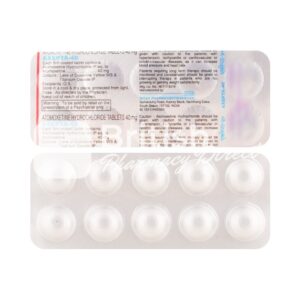
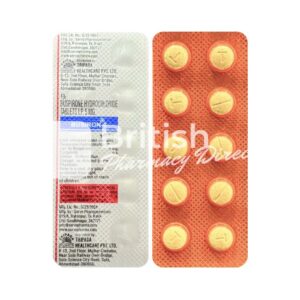
- Administered orally as tablets, commonly 5 mg or 10 mg scored tablets, supplied in blister packs or bottles.
- Onset: therapeutic anxiolytic effects generally take 2–4 weeks to appear; buspirone is not effective for immediate, as‑needed (PRN) relief.
- Duration of action: plasma half-life is approximately 2–3 hours; clinical effect is maintained by dosing two to three times daily and varies between individuals.
- Avoid or limit alcohol while taking buspirone because alcohol can increase dizziness, drowsiness and other central nervous system effects.
- The most common side effect is dizziness; other frequent effects include headache, nausea, dry mouth and drowsiness.
- Would you like to try buspirone without a prescription?
Basic Buspirone Information
- INN (International Nonproprietary Name): Buspirone
- Brand Names Available In United Kingdom: Buspar (seen in Europe) and generics; local dispensing typically uses generic buspirone tablets (5 mg, 10 mg)
- ATC Code: N05BE01
- Forms & Dosages: Tablet (oral) — 5 mg, 10 mg; typical packaging 30 or 60 tablets in blister packs or bottles
- Manufacturers In United Kingdom: Not specified; international suppliers include Pfizer (Buspar originally), Teva, Mylan, Apotex and others
- Registration Status In United Kingdom: Prescription medicine licensed in EU/major markets; local licence details should be confirmed via MHRA or SPC
- OTC / Rx Classification: Prescription-only medicine (POM)
Critical Warnings And Restrictions — Safety, Warnings And Patient Protection (UK Focus)
High‑Risk Groups
Patients commonly ask who should be especially careful with buspirone.
Buspirone is prescription-only and subject to MHRA oversight, so clinicians must assess risks before starting treatment.
Absolute contraindications are known hypersensitivity to buspirone and concurrent use of MAO inhibitors.
Pregnancy and breastfeeding: use only if clearly necessary after specialist discussion and document risk–benefit on the patient record.
Elderly patients are more sensitive to effects and fall risk; start low (for example 5 mg twice daily) and titrate slowly.
Moderate to severe hepatic or renal impairment require caution; consider alternatives or specialist advice.
- Contraindications: Known buspirone hypersensitivity; concomitant MAO inhibitor use.
- High‑Risk Monitoring Steps: Baseline review of hepatic and renal function where impairment suspected; medication reconciliation for interacting drugs; fall‑risk assessment in older adults.
- Checklist For Pharmacy Counselling Points:
- Confirm prescription-only status and discuss MHRA oversight.
- Explain slow onset and that buspirone is not for immediate relief.
- Advise on pregnancy/breastfeeding discussion with prescriber and documentation.
- Provide patient information leaflet and safety card when dispensing.
- Contraindication: A situation where a drug must not be used because it could be harmful.
- Caution: Extra monitoring or dose adjustment is needed rather than absolute avoidance.
- Hypersensitivity: Clinically documented allergy or previous severe reaction to buspirone.
Interaction With Activities (Driving, Workplace Safety Under UK Law)
Patients often ask if buspirone affects driving or work safety-critical roles.
Buspirone can cause dizziness, drowsiness or light‑headedness, particularly during initiation or dose increases.
Under UK law, patients must not drive or operate heavy machinery if their ability is impaired.
Document advice given in the clinical or pharmacy record and provide written guidance about timing doses relative to commuting or shift work.
Caution is needed in safety‑critical jobs such as HGV driving, piloting and rail staff roles; referral to occupational health and DVLA guidance is recommended where impairment may affect licence entitlement.
- Advice For Safety‑Critical Jobs:
- Do not start buspirone or change dose before consulting occupational health if you hold a safety‑critical post.
- Inform employer medical services where workplace safety could be affected.
- Consider adjusted shift patterns during titration to monitor effects.
- What To Record In Notes:
- Advice given about driving and machinery use.
- Patient’s occupation and any safety‑critical licence details.
- Any observed or reported dizziness or drowsiness and follow‑up plan.
Q&A — “Can I Drive After Taking It In The UK?”
Q: Can I drive after taking buspirone?
A: Only if you feel alert and unimpaired.
Buspirone can cause dizziness or drowsiness in some patients, particularly when starting or increasing dose.
UK guidance requires you to avoid driving if your ability is affected; discuss with your prescriber or pharmacist if your job involves safety‑critical driving.
- Steps To Assess Fitness To Drive:
- Wait after first doses to see if drowsiness occurs.
- Test ability to concentrate in a safe environment before driving.
- Report any impairment to prescriber and occupational health if relevant.
Usage Basics
INN, Brand Names Available In The UK
Which names will you see on a prescription or in the pharmacy?
The International Nonproprietary Name is buspirone, often presented as buspirone hydrochloride in product labelling.
In the UK market the substance most commonly appears as generics rather than a dominant branded product, with Buspar noted historically in Europe.
Tablets are usually 5 mg and 10 mg and come in blister‑packed boxes of 30–60 tablets.
| INN | Common Tablet Strengths | Packaging Formats |
|---|---|---|
| Buspirone | 5 mg, 10 mg | Blister packs, 30–60 tablets |
Pharmacists should verify brand and strength at supply and provide generic substitution counselling where appropriate.
Legal Classification (POM, P, GSL)
How is buspirone classified in the UK?
Buspirone is prescription‑only (POM) in major markets and must be prescribed by an appropriate clinician and dispensed by a pharmacist.
Recordkeeping should follow NHS electronic prescription standards and local NHS policy.
Confirm prescription validity, patient identity and any prescription charge exemptions relevant to England, Scotland, Wales or Northern Ireland.
- POM Responsibilities:
- Check prescription authenticity and prescriber credentials.
- Ensure counselling and documentation on the patient record.
- Provide patient information leaflet and note any safety card given.
- Confirm eligibility for NHS prescription charges or exemptions.
- Use the NHS Electronic Prescription Service where available.
Dosing Guide
Standard Regimens (NHS Guidance)
Patients ask how buspirone is usually started and adjusted.
A typical adult starting regimen is 7.5 mg twice daily, often using 5 mg plus 2.5 mg or scored tablets to reach that dose.
Usual dosing ranges from 5–10 mg two to three times daily, and while a maximum of 60 mg/day has been reported, the usual clinical ceiling is around 30 mg/day.
Emphasise slow titration and review at two to four weeks for response and tolerability.
Buspirone is not effective for immediate relief and should not be used as prn medication.
| Starting Dose | Usual Range | Maximum Reported |
|---|---|---|
| 7.5 mg twice daily | 5–10 mg two–three times daily | 60 mg/day (usual clinical ceiling ~30 mg/day) |
- Monitoring Checklist:
- Review response and adverse effects at 2–4 weeks.
- Monitor blood pressure if clinically indicated.
- Ask about sleep, dizziness and GI symptoms at follow‑up.
Adjustments For Comorbidities
What changes when patients have other health problems?
In older adults start lower, for example 5 mg twice daily, and increase cautiously because of increased sensitivity and fall risk.
Moderate to severe hepatic impairment: consider avoiding or reducing dose and seek specialist advice.
Renal impairment also warrants dose caution and closer monitoring.
Not recommended in children because safety and efficacy are not established.
When co‑prescribed with CYP3A4 inhibitors or interacting drugs, consult specialist advice and MHRA guidance.
- Dose Adjustment Triggers:
- Age over 65 — start low and titrate slowly.
- Evidence of hepatic impairment — reduce or avoid.
- Renal impairment — consider lower dose and monitor.
- Concurrent strong CYP3A4 inhibitors — review and consider specialist input.
- Monitoring Frequency:
- Initial review at 2–4 weeks, then at clinically appropriate intervals thereafter.
Q&A — “What If I Miss A Dose?”
Q: What should I do if I miss a dose of buspirone?
A: Take it as soon as you remember unless it is nearly time for your next dose.
Do not double up to make up for a missed dose.
If you miss several doses contact your prescriber for advice rather than restarting at a higher dose.
- Missed Dose Actions:
- Take missed dose when remembered unless close to next scheduled dose.
- Do not double doses.
- Contact prescriber if multiple doses are missed.
Interaction Chart
Food And Drinks (Alcohol, Tea/Coffee, Diet Habits)
Patients frequently ask about mixing buspirone with alcohol or certain foods.
Avoid or minimise alcohol while taking buspirone because combining alcohol can increase CNS depression and impair driving.
Caffeine may worsen anxiety symptoms but does not have a major pharmacokinetic interaction with buspirone.
Grapefruit juice can increase buspirone plasma levels via CYP3A4 inhibition, so advise patients to avoid large amounts.
Keep timing of doses reasonably consistent with meals to reduce gastrointestinal side effects.
| Item | Advice |
|---|---|
| Alcohol | Avoid or minimise; increases sedation and impairment. |
| Caffeine (tea/coffee) | May worsen anxiety; no major PK interaction. |
| Grapefruit Juice | Avoid large amounts; may raise buspirone levels. |
| Food Timing | Take consistently with regard to meals to reduce GI upset. |
- Patient Counselling Points:
- Warn about alcohol and driving safety.
- Suggest limiting caffeine if anxiety worsens.
- Advise against regular large servings of grapefruit juice.
Common Drug Conflicts (MHRA Yellow Card Data)
Which drugs interact with buspirone and how serious are they?
MAO inhibitors are absolutely contraindicated because of risk of hypertensive reactions.
Strong CYP3A4 inhibitors such as ketoconazole or some macrolide antibiotics may raise buspirone plasma levels and require review.
Co‑prescribing with other CNS depressants or certain antipsychotics and serotonergic drugs increases sedation or requires careful review.
Although buspirone tends to have fewer severe interactions than benzodiazepines, caution with CNS agents is needed and suspected adverse reactions should be reported via the MHRA Yellow Card scheme.
| Interacting Drug/Class | Effect |
|---|---|
| MAO Inhibitors | Contraindicated — risk of hypertensive reactions. |
| Strong CYP3A4 Inhibitors (e.g. ketoconazole) | May raise buspirone levels — consider dose reduction or avoidance. |
| Other CNS Depressants | Increased sedation and impairment risk. |
- Medication Reconciliation Checklist During Dispensing:
- Review current prescription and OTC medicines for CYP3A4 inhibitors.
- Ask about herbal products and grapefruit intake.
- Record counselling and advise Yellow Card reporting for suspected reactions.
User Reports & Trends
What do patients say about buspirone online and in NHS information pages?
Sources such as NHS.uk, Patient.info and patient forums show themes like reduced sedation compared with benzodiazepines, a delayed onset of benefit, and variable relief from anxiety symptoms.
Commonly reported adverse effects include gastrointestinal upset, dizziness and headache.
Clinicians should weigh anecdotal patient reports against clinical trial evidence and document patient‑reported outcomes in follow‑up appointments.
Using validated tools such as the GAD‑7 scale helps quantify response over time.
- Frequent Patient‑Reported Effects:
- Less sedating than benzodiazepines.
- Delayed onset of benefit (weeks rather than hours).
- Occasional GI upset and light‑headedness.
- Variable anxiety relief between individuals.
| Patient View | Clinical Evidence |
|---|---|
| Less sedating, preferred to benzos by some | Trials show lower sedation and lower dependence risk versus benzodiazepines. |
| Slow to start | Clinical studies confirm onset over days to weeks; not suitable for acute relief. |
Note: social media anecdotes are not a substitute for clinical advice and suspected adverse events should be discussed with clinicians and reported to MHRA.
Access & Purchase Options (UK)
High‑Street Pharmacies (Boots, LloydsPharmacy, Superdrug)
Where do patients usually collect buspirone in the UK?
NHS prescriptions are dispensed at community pharmacies and private prescriptions can be obtained via private clinics.
Major chains and independent pharmacies supply generic buspirone tablets; pack sizes typically range from 30 to 60 tablets.
Pharmacists should check stock, confirm generic substitution and advise on correct dosing and storage at supply.
- Pharmacy Services:
- Medication review and counselling at first supply.
- Repeat dispensing where clinically appropriate.
- Use of EPS nominations and adherence support services.
Online Pharmacies And NHS E‑Prescriptions
Can patients order buspirone online?
The NHS Electronic Prescription Service supports direct electronic prescriptions to nominated pharmacies.
Accredited UK online pharmacies may dispense POMs with a valid prescription and proper ID verification.
Patients should be warned against buying from unregulated international sites which may supply counterfeit or unsafe products.
Check MHRA guidance and GPhC accreditation when assessing online suppliers.
- Checklist For Assessing Online Pharmacy Legitimacy:
- Confirm GPhC registration and website accreditation logos.
- Require valid prescription and ID verification before supply.
- Provide clear delivery and storage instructions at point of sale.
In our online pharmacy, buspirone is available without a prescription, with discreet delivery to United Kingdom in 5-14 days.
Mechanism & Pharmacology
Simplified Explanation (For Patients)
Patients want to know how buspirone helps anxiety.
Buspirone is a serotonin 5‑HT1A partial agonist and has some affinity for dopamine D2 receptors.
It modulates anxiety circuits without acting on GABA receptors, so it is generally less sedating than benzodiazepines and has a lower dependence potential.
Effects build over days to weeks and buspirone is not suitable for immediate relief of acute anxiety.
- Definitions:
- Mechanism: 5‑HT1A partial agonist affecting serotonin signalling.
- Onset: Days to weeks, not immediate.
- Dependence Risk: Lower than benzodiazepines; not a controlled substance in most countries.
Clinical Terms (For Clinicians)
Clinicians and pharmacists need concise pharmacology notes.
ATC code for buspirone is N05BE01.
Oral bioavailability is variable due to first‑pass hepatic metabolism and the drug is mainly metabolised by CYP3A4.
Elimination is primarily hepatic, so caution is required in liver impairment.
- Pharmacokinetics Summary:
- Variable oral bioavailability owing to first‑pass metabolism.
- Main metabolic pathway: CYP3A4.
- Elimination primarily hepatic — adjust in liver disease.
- Interaction Flags: strong CYP3A4 inhibitors and MAO inhibitors.
Citation note: consult MHRA safety updates and the SPC for current licensed guidance.
Indications & Off‑Label Uses
MHRA‑Approved Uses
What is buspirone licensed to treat in the UK?
The primary licensed indication is treatment of Generalised Anxiety Disorder (GAD).
Buspirone is not indicated for acute anxiety relief or for insomnia.
Use in depression is generally adjunctive where SSRI/SNRI response is inadequate and should be specialist-led.
| Use | Licensed |
|---|---|
| Generalised Anxiety Disorder (GAD) | Yes |
| Acute Anxiety Relief / PRN | No |
| Adjunct In Depression | Sometimes (specialist‑led) |
Off‑Label Practices In NHS And Private Care
When might clinicians prescribe buspirone off‑label?
Some clinicians may use buspirone adjunctively for residual anxiety in depression or when benzodiazepines are unsuitable.
Off‑label use requires documented informed consent, clear rationale in the notes and close monitoring.
- Checklist For Prescribers When Using Off‑Label:
- Document indication and rationale in the clinical record.
- Obtain and record informed consent from the patient.
- Arrange baseline assessment and follow‑up using validated scales.
- Report any unexpected adverse events via MHRA Yellow Card.
Key Clinical Findings (UK & EU Studies 2022–2025)
What do recent studies say about buspirone compared with other treatments?
Comparative studies indicate buspirone provides anxiolytic efficacy in GAD with lower sedation and dependence risk compared with benzodiazepines.
Response may be slower than benzodiazepines but longer‑term outcomes can be comparable to some SSRIs for selected patients.
Safety data from trials show common transient adverse events such as dizziness, headache and gastrointestinal symptoms.
Always consult current NICE, MHRA and SPC updates for guideline positions.
- Headline Trial Outcomes:
- Lower sedation and dependence risk versus benzodiazepines.
- Onset of action slower, benefit seen over weeks.
- Common adverse effects are usually mild and transient.
| Comparison | Outcome |
|---|---|
| Buspirone vs Benzodiazepines | Slower onset, less sedation, lower dependence risk |
| Buspirone vs SSRIs | Comparable long‑term anxiolytic effect in some studies; different side‑effect profiles |
Alternatives Matrix
NHS Prescribing Alternatives (Comparison Table)
How do alternatives for GAD compare in practical terms?
| Drug | Onset | Dependence Risk | Common Side Effects | Monitoring |
|---|---|---|---|---|
| Benzodiazepines | Rapid | High | Sedation, cognitive impairment | Short‑term use, dependence checks |
| SSRIs/SNRIs | Weeks | Low | GI upset, sexual dysfunction | Baseline monitoring, follow‑up |
| Pregabalin | Days to weeks | Moderate misuse concerns | Dizziness, weight gain | Renal dosing and misuse vigilance |
| Hydroxyzine | Short‑term relief | Low | Sedation, anticholinergic effects | Short‑term monitoring |
Pros And Cons Checklist
Use this checklist when discussing alternatives with patients.
- Indication Match — Does the drug address the primary problem (GAD versus acute panic)?
- Comorbidities — Consider hepatic, renal, cardiac and psychiatric comorbidities.
- Pregnancy/Breastfeeding — Assess suitability and discuss alternatives if needed.
- Driving Implications — Warn about sedation and impairment for each option.
- Monitoring Strategy — Set review intervals and objective outcome measures (GAD‑7).
- Shared Decision‑Making — Document patient preferences and rationale for selection.
Common Questions
Here are typical FAQs from UK patient consultations about buspirone.
- How long until I feel better? Initial benefit is usually noticed in two to four weeks; review at four to six weeks to assess response.
- Will it make me sleepy? Buspirone is less sedating than benzodiazepines but dizziness and drowsiness can occur; avoid driving if affected.
- Is it addictive? Buspirone is not classically dependence‑forming like benzodiazepines; monitor for misuse of other CNS drugs.
Encourage patients to report adverse effects to clinicians and via the MHRA Yellow Card scheme.
NHS Cost & Access Comparison Table
How do costs and access routes compare across the UK?
| Source | Typical Price Range (30–60 tablets) | NHS Prescription Charge | EPS Supported |
|---|---|---|---|
| NHS Prescription | Costs covered by NHS where prescribed (patient charges apply in England unless exempt) | England: standard charge unless exempt; Scotland/Wales/NI usually free | Yes |
| Private Clinic Prescription | Private consultation fees plus medication price (varies) | Not applicable | Depends on pharmacy |
| Accredited Online Pharmacy | Price varies by supplier; typically similar to private retail | Depends on prescription status | Yes, if EPS nominated |
- Exemption Groups And How To Claim:
- Children under 16, eligible students, pregnant women and certain low‑income or chronic disease groups may be exempt from prescription charges in England.
- Scotland, Wales and Northern Ireland have different rules; check local NHS guidance.
Registration & Regulation
MHRA Approval Process
How does MHRA oversight affect buspirone supply in the UK?
MHRA assesses safety, quality and efficacy for UK licences and clinicians should consult the SPC and PIL for licensed indications.
Monitor MHRA safety updates and recall notices for any changes in supply or safety advice.
- Where To Find SPC, PIL And Yellow Card Reporting:
- MHRA website and the electronic Medicines Compendium for SPC and PIL documents.
- Yellow Card scheme via the MHRA website for reporting adverse reactions.
- Local NHS trust formularies and guidance for prescribing rules.
NHS Prescribing Framework
What are the practical steps for NHS prescribers?
Prescribe in line with NICE and local formulary guidance and use electronic prescribing where available.
Document rationale in the clinical record and arrange review appointments at appropriate intervals.
For repeat prescribing ensure periodic medication reviews and deprescribing plans if therapy is no longer indicated.
- Checklist For Initial Prescribing, Repeat Prescriptions And Reviews:
- Document indication, baseline assessment and counselling provided.
- Set review at 2–4 weeks initially and then regular intervals.
- For long‑term use plan periodic medication review and deprescribing criteria.
Storage & Handling
UK Household Storage (Cold/Damp Climate)
Patients ask how to keep buspirone safe in UK homes.
Store at 20–25°C in the original packaging and protect from moisture and excessive heat.
Avoid storing medicines in bathrooms or near windows where damp and temperature swings occur.
For damp UK homes advise sealed containers and keeping medication in a cool, dry cupboard out of direct sunlight.
Ensure child‑resistant storage and use pharmacy return schemes for safe disposal of unused medicines.
- Home Storage Checklist:
- Keep in original packaging at 20–25°C.
- Avoid bathrooms and kitchens with persistent humidity.
- Use sealed containers if household damp is an issue.
- Return unused or expired medicine to any community pharmacy for safe disposal.
- Expiry: Date printed on pack indicating until when full potency is guaranteed.
- Beyond‑Use Date: For repackaged medicines, the date after which the product should not be used.
Guidance From NHS And Pharmacists
What should pharmacy staff tell patients at supply?
Provide clear written advice on storage, expiry and return options for unused medication.
Train staff to spot signs of improper storage such as moisture‑damaged blister packs and follow supplier procedures if integrity is compromised.
- Dispensing Counselling Points:
- Explain storage temperature and avoidance of moisture.
- Show expiry date and advise safe disposal options.
- Flag any damaged packs and do not supply compromised stock.
Guidelines For Proper Use
UK Pharmacist Counselling Style
How should pharmacists speak to patients about buspirone?
Confirm the indication, explain dosing schedule and the slow onset of effect, and highlight that buspirone is not for PRN use.
Warn about interactions such as alcohol, grapefruit and CYP3A4 inhibitors and advise on driving and workplace safety.
Discuss missed‑dose rules and storage, provide the PIL and document counselling in pharmacy records.
Encourage follow‑up with the GP within two to four weeks after starting treatment.
- Counselling Script Checklist:
- State the reason for treatment (GAD) and expected timeline for benefit.
- Explain dosing times and what to do if a dose is missed.
- Discuss side effects and when to seek help.
- Provide written PIL and note counselling on the patient medication record.
NHS Patient Safety Advice
Key safety actions to reduce risk and improve outcomes.
Use validated outcome measures such as GAD‑7 to track response and document adverse effects using the MHRA Yellow Card system when appropriate.
Ensure continuity of care between GP, pharmacy and mental health services and escalate to secondary care for complex or refractory cases.
- Safety Actions And Escalation Pathways:
- Initial review at 2–4 weeks, then regular monitoring.
- Report serious or unexpected effects to MHRA.
- Refer to specialist services if inadequate response or complex comorbidity.
Delivery Across United Kingdom
| City | Region | Delivery time |
|---|---|---|
| London | Greater London | 5-7 days |
| Manchester | North West | 5-7 days |
| Birmingham | West Midlands | 5-7 days |
| Glasgow | Scotland | 5-7 days |
| Leeds | Yorkshire And The Humber | 5-7 days |
| Edinburgh | Scotland | 5-7 days |
| Bristol | South West | 5-7 days |
| Sheffield | Yorkshire And The Humber | 5-9 days |
| Liverpool | North West | 5-9 days |
| Newcastle | North East | 5-9 days |
| Belfast | Northern Ireland | 5-9 days |
| Cardiff | Wales | 5-9 days |
| Coventry | West Midlands | 5-9 days |