Betamethasone Clotrimazole
In brief
- In our pharmacy, you can buy betamethasone clotrimazole without a prescription, with delivery in 5–14 days throughout the United Kingdom. Discreet and anonymous packaging.
- Betamethasone clotrimazole is used to treat superficial fungal skin infections such as tinea pedis, tinea cruris and tinea corporis and occasionally inflammatory cutaneous candidiasis; clotrimazole is an antifungal that disrupts fungal cell membranes by inhibiting ergosterol synthesis, and betamethasone dipropionate is a potent topical corticosteroid that suppresses local inflammation and itching.
- The usual dosage is to apply a thin layer to the affected area twice daily (morning and evening): typically for 2 weeks for tinea cruris/corporis and up to 4 weeks for tinea pedis; wash and dry the area before application and do not exceed the recommended duration.
- Form of administration: topical cream (commonly clotrimazole 1% with betamethasone 0.05%); lotions are available rarely.
- Onset time: symptom relief, particularly reduced itching and inflammation, is often noticeable within 24–48 hours, while antifungal clearance requires several days to weeks of treatment.
- Duration of action: the anti-inflammatory effect persists with twice-daily dosing (roughly 12–24 hours per application); standard treatment courses are normally 2 weeks for body/groin and up to 4 weeks for feet.
- Alcohol warning: there is no specific interaction with oral alcohol, but avoid applying alcohol-based products to treated skin and consult your prescriber if you drink heavily or have conditions such as diabetes.
- The most common side effec is local skin irritation — burning, stinging, dryness, redness or itching; prolonged or extensive use can cause steroid-related local effects (skin thinning, striae) and, rarely, systemic effects like HPA axis suppression.
- Would you like to try betamethasone clotrimazole without a prescription?
Basic Betamethasone Clotrimazole Information
- INN (International Nonproprietary Name): Betamethasone and Clotrimazole (often as betamethasone dipropionate + clotrimazole).
- Brand Names Available In United Kingdom: Lotriderm (GSK) — commonly supplied as a 30 g tube.
- ATC Code: D01AC01 (Clotrimazole, antifungal); D07XC01 (Betamethasone combinations, corticosteroid).
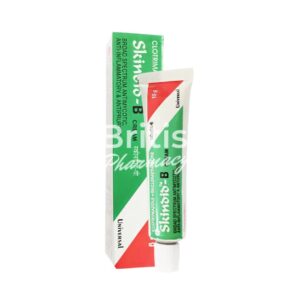
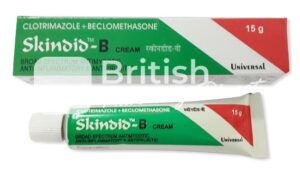
- Forms & Dosages: Cream — clotrimazole 1% with betamethasone dipropionate 0.05%; common pack sizes include 15 g, 30 g and 50 g tubes.
- Manufacturers In United Kingdom: GlaxoSmithKline (GSK) is the primary marketer for Lotriderm in the UK.
- Registration Status In United Kingdom: MHRA‑licensed and available as a prescription medicine in the UK.
- OTC / Rx Classification: Prescription medication (Rx) in major markets, including the UK.
Critical Warnings, Restrictions And Patient Protection
When patients ask “Is this safe?”, the first concern is avoiding harm from the potent steroid in combination with an antifungal.
Essential safety first: betamethasone plus clotrimazole is a prescription topical combination licensed by the MHRA and combines a potent corticosteroid with an azole antifungal.
Prioritise patient protection by screening for allergies and conditions that elevate risk before supply or prescribing.
- Allergy checklist: Ask about known allergies to azoles or corticosteroids before prescribing or dispensing.
- Avoid: Do not apply to the face, axillae or skin folds unless specifically directed by a specialist.
- Infection exclusions: Do not use where viral (herpes, varicella) or bacterial skin infections are suspected.
- Screening checklist: Allergy status, pregnancy/lactation, diabetes, immunosuppression, current systemic steroid therapy.
High‑Risk Groups (Elderly, Pregnancy, Chronic Illness)
- Children — HPA‑axis suppression risk; generally not for under‑17s without specialist advice.
- Pregnant or Breastfeeding People — Discuss risks versus benefits with the prescriber; use only if necessary.
- Elderly — Watch for skin atrophy and slower healing due to thinner skin.
- People With Diabetes Or On Systemic Immunosuppressants — Risk of hyperglycaemia or worsening infection; monitor closely.
Interaction With Activities (Driving, Workplace Safety Under UK Law)
Most topical applications do not affect fitness to drive or operate machinery.
If patients experience dizziness, blurred vision or signs of systemic steroid effects, they should avoid driving and seek advice.
- Driving: Topical use rarely impairs alertness but stop driving if you feel unwell.
- Workplace safety: If you treat hands or forearms, consider disposable gloves for manual handling tasks and follow employer guidance.
- Manual tasks: Avoid heavy manual handling if the application area is on palms or fingers until residue is removed and hands are dry.
Q&A — “Can I Drive After Taking It In The UK?”
Most people can drive after applying betamethasone plus clotrimazole cream because it is a topical medicine that does not usually affect alertness.
If you experience dizziness, visual disturbance or systemic steroid symptoms, do not drive and contact your prescriber or NHS 111.
If you are treating hands or forearms and your employer requires protective equipment, use gloves or follow workplace protocols.
Usage Basics
Patients often want to know the names, legal status and how to get this medicine in the UK.
INN, Brand Names Available In The UK
The international nonproprietary names are betamethasone and clotrimazole, commonly as betamethasone dipropionate plus clotrimazole.
Lotriderm is the brand most commonly referenced in UK listings and is distributed by GSK in a 30 g tube.
Legal Classification (POM, P, GSL)
In the UK this combination is a prescription‑only medicine (POM) licensed by the MHRA.
It is not available over the counter in the UK and requires a valid prescription for lawful supply.
- INN
- International Nonproprietary Name; the generic international name for the active ingredients.
- ATC
- Anatomical Therapeutic Chemical classification; here D01AC01 for clotrimazole and D07XC01 for betamethasone combinations.
- POM
- Prescription Only Medicine; supply requires a prescription in the UK.
- MHRA
- The UK regulator responsible for licensing and monitoring medicines.
Practical points for patients in the UK about obtaining this medicine are straightforward.
- You will need a prescription from a GP, NHS clinic, sexual health or dermatology service to obtain betamethasone clotrimazole cream.
- Community pharmacies such as Boots, LloydsPharmacy and Superdrug will supply on presentation of a valid prescription and can provide counselling on use.
- Online e‑prescription routes (NHS e‑RS) are commonly used; always confirm the online pharmacy is registered with the General Pharmaceutical Council before ordering.
Pharmacy verification steps:
- Check the GPhC registration number and display of contact details on the website.
- Ensure a pharmacist is available for counselling by phone or live chat.
- Confirm that an NHS e‑prescription or valid private prescription is required to receive the medicine.
Dosing Guide
Patients want a clear, practical regimen they can follow at home.
Standard Regimens (NHS Guidelines)
Apply a thin layer of the cream to the affected area twice daily — once in the morning and once in the evening.
Typical duration depends on the site: tinea cruris or corporis is usually treated for two weeks and tinea pedis for up to four weeks.
Wash and dry the area before applying and avoid covering the area unless your prescriber instructs otherwise.
- Wash the affected area with mild soap and water.
- Dry the skin thoroughly, especially between the toes or skin folds.
- Apply a thin layer of cream to the affected area and a small border of surrounding skin.
- Rub in gently until no visible residue remains.
- Wash hands after application unless the hands are the treated site.
Adjustments For Comorbidities
- Limit duration on large surface areas to reduce risk of systemic steroid absorption.
- People with diabetes should monitor blood glucose during and after prolonged treatment because systemic steroid effects can raise blood sugar.
- Children should use the minimal effective amount and only under specialist advice; many product labels advise against use under 17 years without specialist input.
- Elderly patients require monitoring for local adverse effects such as skin thinning and delayed healing.
Q&A — “What If I Miss A Dose?”
Apply the missed dose as soon as you remember.
If it is nearly time for the next scheduled application, skip the missed dose and continue as normal.
Do not apply double the amount to make up for a missed application.
Interaction Chart
Patients commonly ask whether diet, alcohol or other medicines will interfere with topical treatment.
Systemic interactions are uncommon with short, correct topical use, but clinical caution applies in some scenarios.
Food And Drinks (Alcohol, Tea/Coffee, Diet Habits)
There are no direct food or drink interactions with topical betamethasone clotrimazole for standard short courses.
Excess alcohol is not known to interact with topical formulations, but overall health and immune status can affect infection control and healing.
Common Drug Conflicts (MHRA Yellow Card Data)
Systemic corticosteroid effects are rare with correct topical use but could interact with systemic conditions and medicines if absorption is significant.
Report suspected interactions or adverse effects via the Yellow Card scheme and tell your GP or pharmacist about all medicines you take, including topical and herbal preparations.
| Agent/Factor | Likelihood | Clinical Effect | Advice |
|---|---|---|---|
| Diabetes medications (insulin, oral hypoglycaemics) | Low but clinically important | Possible hyperglycaemia if topical steroid absorbed systemically | Monitor blood glucose during prolonged use; discuss with prescriber. |
| Concurrent systemic corticosteroids or potent CYP inhibitors | Minimal for topical use | Potential additive steroid effects if systemic steroids already in use | Review all steroid therapy with prescriber to avoid cumulative exposure. |
| Occupational skin exposures (solvents, irritants) | Moderate | Local irritation, reduced barrier function | Avoid applying product before exposure to irritants; use protective measures at work. |
- Report suspected interactions to the MHRA Yellow Card scheme if you suspect a medicine caused harm.
- Always tell your GP or pharmacist about all medicines, including topical, complementary and herbal remedies before starting treatment.
User Reports And Trends
Patients and clinicians commonly consult NHS Choices, Patient.info and community forums for real‑world experience and reassurance.
Topline patient themes are consistent across UK forums and clinical anecdote.
- Rapid relief of inflammation and itching is frequently reported shortly after starting treatment.
- Some users experience burning or stinging on first applications, which usually settles.
- There is frequent confusion about the steroid content and concerns about long‑term steroid misuse.
- Users report relapse when the underlying fungal infection was not fully eradicated, often after stopping too soon.
Trends to highlight from seasonal searches and forum discussions:
- Search interest for Lotriderm and betamethasone clotrimazole cream rises with sporting activities and warmer months.
- Many forum threads praise symptom relief but warn against chronic or cosmetic misuse of topical steroids.
- Increasing patient concern about online purchases and counterfeit products prompts questions about GPhC verification.
Practical takeaway for clinicians and pharmacists: document counselling, emphasise treatment duration limits, and arrange follow‑up if there is no improvement within the recommended timelines.
Access And Purchase Options In The UK
Patients frequently need stepwise guidance on how to obtain a prescription medicine through NHS or private routes.
Boots, LloydsPharmacy, Superdrug
Community pharmacy chains and independent pharmacies dispense Lotriderm or generic betamethasone plus clotrimazole on a valid prescription.
Pharmacists will supply counselling at the time of dispensing and can advise on safe application and storage.
Online Pharmacies And NHS E‑Prescriptions
The NHS Electronic Prescription Service (e‑RS) allows prescribers to send prescriptions directly to a nominated pharmacy for collection or home delivery.
When using online pharmacies, ensure the provider is GPhC‑registered, requires a valid prescription and offers pharmacist contact for counselling.
Steps to obtain:
- Book a GP, clinic or sexual health appointment and obtain a prescription if clinically indicated.
- Receive an NHS e‑prescription or paper/private prescription.
- Nominate a pharmacy for collection or arrange delivery with a registered online pharmacy.
Verification points for online pharmacies:
- Look for a clear GPhC registration number and full UK contact details on the website.
- Confirm secure ordering and that a prescription is required before supply.
- Check that pharmacist counselling is available by phone or message.
Note on cost and access: England charges per‑item prescription fees (with exemptions), while Scotland, Wales and Northern Ireland offer free NHS prescriptions for residents.
In our online pharmacy, betamethasone clotrimazole is available without a prescription, with discreet delivery to United Kingdom in 5‑14 days.
Mechanism And Pharmacology
Patients benefit from a clear, short explanation of how each active ingredient works together.
Simplified Explanation
Clotrimazole is an antifungal that disrupts fungal cell membranes by inhibiting ergosterol synthesis.
Betamethasone dipropionate is a potent topical corticosteroid that suppresses local inflammation and relieves itching.
The combination treats both the fungal infection and the inflammatory symptoms that often accompany it, giving symptomatic relief while the antifungal acts.
- Clotrimazole
- Antifungal — inhibits ergosterol synthesis and disrupts fungal cell membranes.
- Betamethasone Dipropionate
- Potent topical steroid — reduces redness, swelling and itching locally.
- Combination
- Provides symptomatic relief while addressing the fungal pathogen.
Clinical Terms
- ATC codes: D01AC01 for clotrimazole and D07XC01 for betamethasone combinations.
- The steroid component accelerates symptomatic relief but can mask signs of a worsening infection if used beyond recommended durations.
- Systemic absorption is normally negligible with correct use, but can increase with occlusion, large treated surface area, thin skin or prolonged use — raising rare risks such as HPA axis suppression.
Indications And Off‑Label Uses
Patients commonly ask whether this cream is suitable for different kinds of rashes and where it should not be used.
MHRA‑Approved Uses
Licensed indications include tinea pedis (athlete’s foot), tinea cruris (jock itch) and tinea corporis (ringworm).
It may occasionally be used for cutaneous candidiasis when there is marked inflammation, based on clinical judgement.
- Indication
- Tinea cruris/corporis — typical duration 2 weeks; tinea pedis — up to 4 weeks.
Off‑Label Practices In NHS And Private Care
- Some prescribers will use the combination for inflamed fungal lesions when antifungal monotherapy alone provides inadequate symptomatic relief, but this requires professional judgement.
- Avoid use on the face, perioral area, in rosacea, acne vulgaris or suspected viral/bacterial skin lesions — these are contraindications.
- Never recommend for cosmetic skin‑lightening or prolonged unsupervised use because of steroid risks.
Always document the indication and intended duration on the prescription to minimise the risk of prolonged, unsupervised use.
Key Clinical Findings
Clinicians want to know what evidence supports combination therapy and what the limitations are.
Systematic reviews and clinical experience show that combining a potent topical steroid with an antifungal can give faster symptomatic relief than antifungal alone when inflammation is significant.
Long‑term outcomes depend on correct diagnosis and limiting steroid duration to recommended times.
| Study | Design | Population | Key Outcomes | Limitations |
|---|---|---|---|---|
| Short RCTs | Randomised controlled trials | Adults with inflamed tinea | Faster symptom relief with steroid combination vs antifungal alone | Variable sizes and follow‑up; long‑term recurrence data limited |
- Short, supervised courses (2 weeks for body/groin; up to 4 weeks for feet) reduce steroid risks.
- Overuse can cause skin atrophy, hypopigmentation and rare systemic steroid effects; stop treatment and re‑assess if no improvement within timelines.
- Local UK audits flag inappropriate chronic use and recommend pharmacist and GP interventions to prevent misuse.
Align prescribing with local formularies and ensure clear follow‑up arrangements are documented when issuing this medicine.
Alternatives Matrix
When the steroid component is a concern, clinicians and patients need alternative antifungal options without potent steroids.
| Product | Active Ingredients | Indication | Steroid Potency | When Preferred |
|---|---|---|---|---|
| Clotrimazole 1% Cream | Clotrimazole | Uncomplicated tinea | None | First line for uncomplicated fungal infection without marked inflammation |
| Canesten HC | Clotrimazole + Hydrocortisone | Mild inflammation with fungal infection | Mild | Milder inflammation where a lower‑potency steroid is preferred |
| Daktacort | Miconazole + Hydrocortisone | Fungal infection with mild inflammation | Mild | When hydrocortisone potency is clinically appropriate |
- Combination cream: pro = quick symptom relief; con = steroid risks if prolonged.
- Antifungal monotherapy: pro = avoids steroid side effects; con = slower symptomatic relief if inflammation severe.
- Consider patient factors such as diabetes, pregnancy and treated skin site when choosing alternatives.
Common Questions From UK Patient Consultations
- Q: How long will it take to feel better?
Itching and redness often reduce within days, but full fungal clearance can take 2–4 weeks.
Stop and seek review if there is no improvement after 2 weeks for body/groin or 4 weeks for feet.
- Q: Can I use it on my face?
No — avoid facial application because of higher absorption and the risk of steroid‑related adverse effects and contraindications such as rosacea.
- Q: Is it safe in pregnancy?
Use only if necessary after discussion with the prescriber; topical therapy may be considered but specialist advice is preferable.
- Q: Can I buy it over the counter?
No — it is prescription only in the UK and pharmacies will require a valid prescription.
NHS Cost & Access Comparison
Cost and access differ by UK nation and whether the prescription is dispensed via NHS or private routes.
| Source/Pharmacy | Typical Private Price Range (Approx.) | NHS Prescription Charge Applicability | Exemption Status |
|---|---|---|---|
| Boots | Low–mid tens of pounds for a 30 g tube (private) | Subject to NHS charge in England | Exemptions apply (age, benefits, pregnancy) |
| LloydsPharmacy | Low–mid tens of pounds for a 30 g tube (private) | Subject to NHS charge in England | Exemptions apply |
| Independent Pharmacy | Price varies; ask pharmacist for generic option | Subject to NHS charge in England | Exemptions apply |
| Online UK GPhC Pharmacies | Price varies; delivery fee may apply | Private prescriptions attract a charge; NHS e‑RS used for NHS prescriptions | Exemptions apply for NHS prescriptions |
Regional differences:
- England: standard NHS prescription fee applies per item unless exempt.
- Scotland, Wales and Northern Ireland: NHS prescriptions are free for residents.
- Private prescriptions may include consultation fees and medicine charges; online prices vary — always verify GPhC accreditation.
Checklist for patients: confirm prescription validity, check exemption status and ask the pharmacist about generic alternatives to reduce cost.
Registration And Regulation
Patients and clinicians often ask how the medicine is regulated and how adverse events are monitored.
MHRA Approval Process
The combination cream is MHRA‑licensed in the UK and is subject to the regulator’s assessment of quality, safety and efficacy.
Post‑marketing surveillance is managed through Yellow Card reports for adverse events.
- Licensing — product quality and clinical data are reviewed prior to approval.
- Pharmacovigilance — ongoing monitoring of adverse event reports.
- Labelling and manufacturing — compliance with good manufacturing practice (GMP) is required.
NHS Prescribing Framework
GPs, dermatologists and sexual health services may prescribe this product where clinically indicated.
Community pharmacists dispense per prescription and provide counselling at the point of supply.
- Prescribers should document indication, duration and planned follow‑up in the clinical record.
- Local formularies may prefer a specific brand or generic and may flag requests for extended courses for clinical review.
- Report suspected adverse reactions via the Yellow Card scheme and escalate unexpected systemic signs promptly.
Storage & Handling
Simple storage advice reduces the risk of product degradation in typical UK homes.
UK Household Storage (Cold/Damp Climate)
- Store at room temperature, ideally between 20–25°C.
- Protect from excessive heat, freezing and direct sunlight.
- In humid bathrooms, keep the tube in a cool, dry cupboard away from steam and heat sources.
Guidance From NHS And Pharmacists
- Keep in the original packaging so the expiry date and batch information remain available.
- Do not use past the expiry date and return unused medicine to a pharmacy for safe disposal.
- Avoid sharing tubes with others to prevent cross‑infection.
Transport and travel: short periods in ambient temperatures (about 15–30°C) are acceptable, but avoid freezing conditions.
Guidelines For Proper Use — Pharmacist & NHS Patient Safety Advice
Pharmacists play a key role in ensuring safe use and preventing steroid misuse.
UK Pharmacist Counselling Style
- Confirm the diagnosis and explain that the product contains a potent steroid plus an antifungal agent.
- Demonstrate application technique using the fingertip unit concept and advise on frequency (twice daily) and explicit maximum duration.
- Highlight common local side effects (burning, irritation) and rare systemic signs (weight gain, facial rounding, blurred vision) to report.
NHS Patient Safety Advice
- If there is no improvement within the recommended duration, stop the medication and seek review.
- If the rash spreads, secondary infection appears, or systemic symptoms develop, seek urgent medical review.
- Store away from children and do not use on broken or ulcerated skin unless specifically directed by a prescriber.
Pharmacists should annotate records, ensure the intended duration is clear on the prescription and offer a follow‑up if there are concerns.
Encourage patients to report adverse effects via the Yellow Card scheme and to use NHS 111 for non‑urgent advice.
Delivery Across United Kingdom
| City | Region | Delivery Time |
|---|---|---|
| London | England | 5–7 days |
| Birmingham | England | 5–7 days |
| Manchester | England | 5–7 days |
| Glasgow | Scotland | 5–7 days |
| Liverpool | England | 5–7 days |
| Leeds | England | 5–7 days |
| Sheffield | England | 5–9 days |
| Bristol | England | 5–9 days |
| Edinburgh | Scotland | 5–7 days |
| Cardiff | Wales | 5–9 days |
| Belfast | Northern Ireland | 5–9 days |
| Newcastle | England | 5–9 days |
Closing Clinical Notes
When used correctly for short, supervised courses on appropriate sites, betamethasone clotrimazole cream is an effective option for inflamed tinea infections.
Prescribers and pharmacists must guard against prolonged, unsupervised use because of the potent steroid component.
Document the indication and intended duration clearly, counsel patients on application technique and storage, and arrange follow‑up if the rash fails to respond within recommended timeframes.