
Analgesics

Carbamazepine
from
Celebrex
from
Decadron
from
Diclofenac
from
Flunarizine
from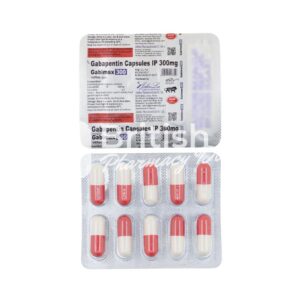
Gabapentin
from
Indocid
from
Indomethacin
from
Naprosyn
from
Neurontin
from
Phenazopyridine
from
Tegretol
from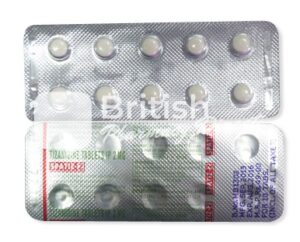
Tizanidine
from
Zanaflex
fromUnderstanding Analgesics: What Are They and How Do They Work?
Analgesics, commonly known as painkillers, are medications designed to relieve pain without causing loss of consciousness. These essential pharmaceuticals work by targeting pain signals in the body, either by reducing the production of pain-causing chemicals or by blocking the transmission of pain messages to the brain. Understanding how analgesics function helps patients make informed decisions about their pain management options.
There are several types of analgesics available, each with different mechanisms of action and suitable applications. From mild over-the-counter options to stronger prescription medications, analgesics form an important part of modern healthcare. They are used to treat everything from minor headaches and muscle aches to serious post-operative pain and chronic conditions. The effectiveness of an analgesic depends on the type of pain, its intensity, and individual patient factors. Many people rely on analgesics daily to maintain their quality of life and manage discomfort effectively.
Over-the-Counter Analgesics: Accessible Pain Relief Options
Over-the-counter analgesics are readily available without prescription and represent the first line of defence against mild to moderate pain. Paracetamol, also known as acetaminophen, is one of the most popular choices available in the UK market. It’s effective for headaches, muscle aches, and fever, with products like Panadol and Tylenol widely stocked in pharmacies. Paracetamol is generally well-tolerated when taken as directed, though it’s important not to exceed the recommended dose.
Ibuprofen is another common non-prescription analgesic belonging to the NSAID family. Brands such as Nurofen and Advil are available in various formulations, including tablets, capsules, and liquids. Ibuprofen works by reducing inflammation, making it particularly effective for conditions where inflammation contributes to pain. Aspirin remains a traditional choice for pain relief and has additional cardiovascular benefits at low doses. Products containing aspirin are available under numerous brand names across UK pharmacies. These over-the-counter options offer convenience and affordability, making them ideal for everyday pain management. However, users should always read labels carefully and follow dosage instructions to ensure safe use.
Prescription Analgesics: Stronger Solutions for Severe Pain
Prescription analgesics are reserved for more severe pain that doesn’t respond adequately to over-the-counter medications. Codeine-based products, often combined with paracetamol or ibuprofen, provide enhanced pain relief for moderate to moderately severe pain. Preparations like co-codamol are commonly prescribed for dental pain, post-operative recovery, and musculoskeletal injuries.
Tramadol is an opioid analgesic used for moderate to moderately severe pain when other treatments prove insufficient. It works differently from traditional NSAIDs, making it useful for patients who cannot tolerate other medication types. Morphine and other stronger opioids are prescribed for severe pain, particularly in cancer treatment and post-surgical scenarios. These medications require careful monitoring and are subject to strict regulations in the United Kingdom. Dihydrocodeine offers another prescription option for patients requiring stronger pain relief than non-opioid medications provide. Anti-inflammatory prescription analgesics, including certain COX-2 inhibitors, are available for conditions involving significant inflammation. Prescription analgesics often come with specific instructions regarding timing, food interactions, and potential side effects. Healthcare professionals carefully evaluate each patient’s condition to determine the most appropriate prescription analgesic.
Non-Steroidal Anti-Inflammatory Drugs (NSAIDs): Beyond Simple Pain Relief
Non-steroidal anti-inflammatory drugs represent a major category of analgesics with dual benefits of pain relief and inflammation reduction. Beyond ibuprofen, naproxen is available under brand names like Feminax Ultra and offers longer-lasting pain relief for some patients. Naproxen is particularly beneficial for period pain, arthritis, and other inflammatory conditions.
Diclofenac is another NSAID option available in various formulations, including tablets and topical gels. Topical NSAIDs like Voltarol gel provide localised pain relief without systemic effects, making them ideal for muscle and joint pain. Meloxicam is prescribed for chronic inflammatory conditions, offering extended relief with once-daily dosing. Indomethacin is used for specific pain types, including migraines and certain types of arthritis. NSAIDs work by inhibiting cyclooxygenase enzymes that produce pain-causing prostaglandins. They are particularly effective for conditions where inflammation is a primary pain component. However, NSAIDs may not be suitable for patients with certain medical histories, and long-term use requires medical supervision. Many people prefer NSAIDs for inflammatory pain because they address both pain and inflammation simultaneously.
Specialised Analgesics: Targeting Specific Pain Types
Certain analgesics are formulated specifically for particular pain conditions, offering targeted relief approaches. Migraine-specific analgesics like triptans work by constricting blood vessels in the brain and blocking pain pathways associated with migraines. Sumatriptan and other triptans are available by prescription for moderate to severe migraine attacks.
Neuropathic pain analgesics, including pregabalin and gabapentin, address pain resulting from nerve damage or dysfunction. These medications alter nerve signalling and are used for conditions like diabetic neuropathy and post-herpetic neuralgia. Muscle relaxants combined with analgesics provide relief for musculoskeletal pain and tension. Topical analgesics containing lidocaine or capsaicin offer localised pain relief without significant systemic absorption. These creams and patches are excellent for targeted joint and muscle pain relief. Compound analgesics combine two or more active ingredients to enhance pain-relieving effects. For instance, products combining paracetamol with caffeine offer improved efficacy for certain headache types. Herbal and natural analgesics, including products with willow bark or turmeric, appeal to patients seeking alternative options. Whilst less potent than pharmaceutical analgesics, these alternatives have historical use and modern research support.
Choosing the Right Analgesic: Guidance and Safety Considerations
Selecting an appropriate analgesic requires understanding your specific pain type, intensity, and personal health factors. Mild to moderate acute pain often responds well to paracetamol or ibuprofen at recommended doses. For inflammatory conditions, NSAIDs generally offer superior efficacy compared to simple analgesics. Patients with stomach sensitivities may need to avoid NSAIDs or use them with protective medications.
Allergies and existing medical conditions significantly influence which analgesics are safe and suitable. Always inform healthcare providers about other medications, supplements, and health conditions before starting any new analgesic. Reading medication labels thoroughly ensures correct dosing and identifies potential interactions or contraindications. Exceeding recommended doses does not increase effectiveness and significantly raises risks of adverse effects.
Key considerations when choosing an analgesic include:
- The type and intensity of your pain
- Any existing medical conditions or allergies
- Current medications and potential interactions
- Whether anti-inflammatory action is needed
- Your personal tolerance and preference for formulation
- The duration of pain relief required
Long-term analgesic use requires periodic medical review to ensure continued appropriateness and safety. Combining different types of analgesics without professional guidance can be dangerous and is generally not recommended. Speaking with pharmacists or doctors about pain management options ensures informed decision-making. Many pharmacy staff in the United Kingdom are highly trained to recommend appropriate over-the-counter analgesics based on individual symptoms and circumstances. Your local pharmacist represents an invaluable resource for pain management advice and can often suggest suitable alternatives if your current analgesic is not proving effective.