Etoricoxib
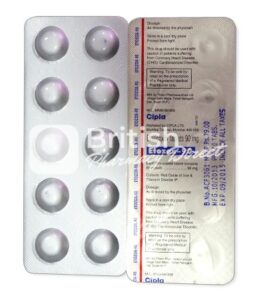
In brief
- In our pharmacy, you can buy etoricoxib without a prescription, with delivery in 5–14 days throughout the United Kingdom. Discreet and anonymous packaging.
- Etoricoxib is used to treat pain and inflammation in osteoarthritis, rheumatoid arthritis, ankylosing spondylitis, chronic low back pain, acute gout and acute dental pain; it is a highly selective COX-2 (cyclooxygenase-2) inhibitor that reduces prostaglandin-mediated inflammation and pain.
- Usual adult doses: 30–60 mg once daily for osteoarthritis; 60–90 mg once daily for rheumatoid arthritis; 90 mg once daily for ankylosing spondylitis and acute dental pain; 120 mg once daily for acute gout (maximum 8 days). Dosing should be individualised and reviewed regularly.
- Form of administration: oral tablets (commonly 30 mg, 60 mg, 90 mg and 120 mg).
- Onset time: relief often begins within 30–60 minutes, with analgesic effects typically noticeable within an hour.
- Duration of action: approximately 24 hours (suitable for once-daily dosing).
- Alcohol warning: do not consume alcohol while taking etoricoxib — alcohol increases the risk of gastrointestinal bleeding and may worsen liver-related side effects.
- The most common side effect is headache (other frequent effects include dizziness, peripheral oedema, hypertension, dyspepsia and nausea).
- Would you like to try etoricoxib without a prescription?
Critical Warnings & Restrictions — Patient Safety First
Basic Etoricoxib Information
- INN (International Nonproprietary Name): Etoricoxib
- Brand Names Available In United Kingdom: Arcoxia, Etoricoxib Accord
- ATC Code: M01AH05
- Forms & Dosages: Oral film-coated tablets 30 mg (rare), 60 mg, 90 mg, 120 mg
- Manufacturers In United Kingdom: MSD, Accord, Milpharm
- Registration Status In United Kingdom: MHRA-approved, Prescription Only Medicine (POM)
- OTC / Rx Classification: Prescription Only Medicine (POM)
High‑Risk Groups (Elderly, Pregnancy, Chronic Illness)
Etoricoxib is a Prescription Only Medicine (POM) in the United Kingdom and is MHRA approved for specific inflammatory pain conditions.
Screening must identify absolute contraindications before prescribing or dispensing, including hypersensitivity to etoricoxib or other coxibs, active peptic ulcer or gastrointestinal bleeding, and severe hepatic or renal impairment.
Established heart failure, uncontrolled hypertension, ischaemic heart disease, peripheral arterial disease or cerebrovascular disease are absolute contraindications to etoricoxib use.
Use extreme caution with elderly patients and those who have cardiovascular disease, renal impairment, hepatic disease or diabetes, and arrange regular monitoring of blood pressure, renal function and liver enzymes.
Pregnancy and breastfeeding: avoid etoricoxib as safety has not been established and obstetric guidance should be followed.
- Pre‑prescription Screening Checklist
- Ask about allergies and prior reactions to NSAIDs or coxibs.
- Confirm any current cardiovascular disease or risk factors.
- Check history of peptic ulcer disease or GI bleeding.
- Assess pregnancy, breastfeeding and contraception status if relevant.
- Review baseline renal and liver function tests and current blood pressure.
- Absolute Contraindications
- Hypersensitivity to etoricoxib or other coxibs.
- Active peptic ulcer or gastrointestinal bleeding.
- Severe hepatic impairment.
- Severe renal impairment (eGFR <30 mL/min).
- Heart failure, uncontrolled hypertension, established ischaemic heart disease, peripheral arterial disease, cerebrovascular disease.
- Relative Contraindications / Monitor Closely
- Elderly patients.
- Patients with diabetes, mild-to-moderate hepatic or renal impairment.
- Those with cardiovascular risk factors or taking multiple interacting medicines.
Document informed consent where risks are significant and provide the patient information leaflet at dispensing.
Advise patients to report suspected adverse reactions via the MHRA Yellow Card scheme.
Interaction With Activities (Driving, Workplace Safety)
Q&A — “Can I Drive After Taking It In The UK?”
Q: Can I drive after taking etoricoxib?
A: Etoricoxib can cause dizziness or drowsiness in some patients.
If a patient feels dizzy, drowsy or less alert after taking etoricoxib they should not drive or operate machinery.
For chronic users whose alertness may be affected, follow DVLA guidance and discuss with the GP or occupational health as needed.
Usage Basics — Names, Forms And Legal Status
INN, Common Brand Names And UK Formulations
Etoricoxib (INN; Latin: Etoricoxibum) is a highly selective COX‑2 inhibitor used for inflammatory pain and inflammation in conditions such as osteoarthritis, rheumatoid arthritis, ankylosing spondylitis, chronic low back pain, acute gout and acute dental pain.
In the United Kingdom etoricoxib is marketed commonly as Arcoxia and as Etoricoxib Accord in generic form.
Available oral film-coated tablets are 30 mg (rare), 60 mg, 90 mg and 120 mg strengths with blisters commonly supplied in packs of 28 in the UK market.
No injectable or topical formulations are registered in the available product data.
Legal Classification (POM, P, GSL) And Prescribing Implications
- POM
- Prescription Only Medicine — requires a valid prescription for supply in the UK and is the classification for etoricoxib.
- P
- Pharmacy medicine — available from a pharmacist without a prescription; not applicable to etoricoxib.
- GSL
- General Sales List — medicines available without a pharmacist; not applicable to etoricoxib.
| Strength | Common Indication |
|---|---|
| 30–60 mg | Osteoarthritis |
| 60–90 mg | Rheumatoid arthritis |
| 90 mg | Ankylosing spondylitis, acute dental pain (short term) |
| 120 mg | Acute gout (short term, max 8 days) |
Pharmacists must check the indication, intended duration, allergy status and monitoring arrangements before supply and counsel patients on risks and follow‑up.
Patients should keep packaging and the leaflet for storage and transport guidance.
Dosing Guide — Standard Regimens And Adjustment
Standard NHS Regimens And Indication‑Based Doses
Typical adult dosing aligns with the Summary of Product Characteristics and NHS practice.
For osteoarthritis a usual dose is 30–60 mg once daily depending on response and tolerability.
For rheumatoid arthritis 60–90 mg once daily is typical, titrated to response where necessary.
Ankylosing spondylitis is commonly treated with 90 mg once daily.
Acute gout dosing is 120 mg once daily for up to eight days only.
Acute dental pain may be treated with 90 mg once daily for up to three days.
Etoricoxib is not indicated for children and paediatric safety has not been established.
Elderly patients do not require routine dose reduction unless renal or hepatic impairment is present, but monitoring is advised.
Adjustments For Comorbidities
Avoid etoricoxib in severe renal impairment with eGFR below 30 mL/min.
Use caution in mild to moderate renal dysfunction and monitor renal function regularly.
In hepatic impairment: for mild disease limit to a maximum of 60 mg per day.
For moderate hepatic impairment a suggested maximum is 60 mg every other day and etoricoxib is contraindicated in severe hepatic impairment.
In patients with raised cardiovascular risk consider alternatives rather than prescribing a COX‑2 selective agent.
Q&A — “What If I Miss A Dose?”
Q: What if I forget a dose?
A: Take the missed dose as soon as you remember unless the next scheduled dose is due soon.
Do not take a double dose to make up for a missed dose.
If there is uncertainty about timing or if multiple doses are missed, contact the GP or pharmacist for advice.
In the case of overdose seek emergency care; management is supportive as there is no specific antidote listed.
Interaction Chart — Drugs, Food And Monitoring
Food, Drink And Lifestyle Interactions
Alcohol can increase the risk of gastrointestinal bleeding and may exacerbate blood pressure effects while taking etoricoxib.
Advise patients to limit alcohol intake while on therapy.
No major specific food interactions are documented, but caffeine, dehydration and orthostatic factors may add to dizziness risk.
Encourage patients to maintain adequate fluid intake and avoid heavy alcohol consumption while taking etoricoxib.
Common Drug Interactions And MHRA Yellow Card Context
| Interacting Drug Class | Mechanism | Clinical Action |
|---|---|---|
| Antiplatelets / Anticoagulants (e.g. aspirin, warfarin, DOACs) | Increased bleeding risk | Avoid combination where possible; if necessary monitor for bleeding |
| ACE Inhibitors / ARBs / Diuretics | Reduced renal perfusion and renal function | Monitor renal function and electrolytes; consider alternatives |
| Other NSAIDs | Increased NSAID adverse effects without added benefit | Avoid co‑administration |
| SSRIs | Increased risk of gastrointestinal bleeding | Monitor for signs of GI bleeding |
| Lithium | Reduced renal clearance may raise lithium levels | Monitor lithium levels and renal function; adjust dose |
| Methotrexate | Potential increased methotrexate levels | Monitor methotrexate toxicity and consider dose adjustment |
- Suggested monitoring plan: check blood pressure at baseline and periodically, monitor renal function (eGFR) and serum electrolytes, check liver enzymes at baseline and during treatment, and watch for signs of bleeding.
- Encourage reporting of suspected adverse drug reactions through the MHRA Yellow Card scheme.
User Reports & Trends — UK Patient Insight
Patients commonly ask whether etoricoxib will relieve persistent joint pain when ibuprofen or naproxen have not helped.
Collated feedback from NHS Choices, Patient.info and public forums shows common themes of effective pain relief for inflammatory joint pain using Arcoxia or etoricoxib 60–90 mg.
Frequent patient concerns include cardiovascular risk, peripheral oedema, new or raised blood pressure and how long a prescription can safely continue.
Many patients value pharmacist counselling at community chains such as Boots and LloydsPharmacy for side‑effect checks and monitoring advice.
- Patient‑Reported Benefits: rapid symptom relief for inflammatory pain and improved mobility for some patients.
- Patient‑Reported Harms: peripheral oedema, dizziness, increased blood pressure and transient digestive symptoms.
- Common Questions: duration of use, switching from other NSAIDs, monitoring frequency and prescription renewals.
| Side Effect | Frequency In Patient Reports | SPC / Official Data |
|---|---|---|
| Peripheral oedema | Common in reports | Listed as a common adverse effect |
| Hypertension | Reported frequently by users | Known risk; monitor BP |
| Dizziness | Occasional reports | Reported as possible side effect |
Two anonymised patient quotes help balance the view: “It eased my shoulder pain within 48 hours but I had to stop when my ankles swelled.”
“My GP switched me from ibuprofen to etoricoxib and arranged a blood pressure check within two weeks.”
Clinician commentary: use etoricoxib when alternatives are unsuitable and ensure appropriate cardiovascular and renal review.
- Forum Terms
- “SPC” — Summary of Product Characteristics; “BP” — blood pressure; “OA” — osteoarthritis.
Access & Purchase Options In The United Kingdom
High‑Street Pharmacies And Chains
Etoricoxib is available only on prescription through high‑street pharmacies and NHS clinics in the UK, with common suppliers including Boots, LloydsPharmacy and Superdrug dispensing either Arcoxia or generic etoricoxib supplied by Accord or Milpharm.
NHS prescriptions are issued by GPs, urgent care centres or hospital outpatient clinics and may be dispensed at community pharmacies.
Online Pharmacies And E‑Prescriptions
NHS e‑prescription and accredited online pharmacies are increasingly used for convenient supply in the UK.
Always verify the pharmacy is registered with the General Pharmaceutical Council (GPhC) and require a valid prescription for etoricoxib supply.
Warning: illegitimate online sellers may offer prescription medicines without a prescription; check the MHRA and GPhC registers before ordering.
| Supply Route | Typical Timeline | Required Documentation | Cost Implication |
|---|---|---|---|
| GP / NHS Clinic | Same day to 3 days | Valid NHS prescription | NHS prescription charge or exempt |
| Private Clinic | Same day to 7 days | Private prescription | Private consultation fee plus medicine cost |
| Online Accredited Pharmacy | 2–7 days (e‑prescription) | Electronic or uploaded prescription | Private cost; variable delivery charge |
- Checklist For Safe Online Purchase: valid prescription, visible GPhC registration, contactable pharmacist, pharmacist counselling offered before supply.
In our online pharmacy, etoricoxib is available without a prescription, with discreet delivery to United Kingdom in 5-14 days.
Mechanism & Pharmacology — How Etoricoxib Works
Simplified Explanation For Patients
Etoricoxib is a highly selective COX‑2 inhibitor that reduces production of prostaglandins involved in pain and inflammation.
By sparing COX‑1 to some extent, etoricoxib was developed to lower the risk of gastrointestinal adverse events compared with non‑selective NSAIDs, although cardiovascular risk remains a concern for susceptible patients.
Clinical Pharmacology Terms For Clinicians
ATC classification is M01AH05 for selective COX‑2 inhibitors.
Oral bioavailability and a relatively long half‑life support once‑daily dosing for most indications.
High protein binding contributes to distribution characteristics and interactions with other highly protein‑bound drugs should be considered.
- COX‑1
- Constitutive enzyme involved in gastric protection and platelet function.
- COX‑2
- Inducible enzyme largely responsible for inflammation and pain signalling.
| Drug | Selectivity | Typical Dose | Risk Profile |
|---|---|---|---|
| Etoricoxib | High COX‑2 selectivity | 30–120 mg once daily | Lower GI risk than non‑selective NSAIDs but higher CV risk in susceptible patients |
| Celecoxib | Moderate COX‑2 selectivity | 100–200 mg daily | Similar considerations to etoricoxib with dose-dependent risks |
| Ibuprofen | Non‑selective | 200–1200 mg daily OTC; higher for prescription | Higher GI risk; variable CV risk |
Indications & Off‑Label Uses
MHRA‑Approved Indications
Approved indications include osteoarthritis, rheumatoid arthritis, ankylosing spondylitis, chronic low back pain, acute gout and acute dental pain.
Recommended SPC dosing aligns with usual practice: osteoarthritis 30–60 mg, rheumatoid arthritis 60–90 mg, ankylosing spondylitis 90 mg, gout 120 mg for no more than eight days and dental pain 90 mg for up to three days.
Off‑Label Practice In NHS And Private Care
Etoricoxib may occasionally be used off‑label for other inflammatory pain conditions when alternatives are unsuitable and after careful risk assessment.
- Clinical Scenarios For Consideration: patients intolerant of non‑selective NSAIDs with significant GI history where COX‑2 selectivity may be beneficial.
- Clinical Scenarios For Consideration: complex musculoskeletal pain where short‑term high dose is required and benefits outweigh risks.
- Clinical Scenarios For Consideration: specialist‑led cases with documented rationale and safety monitoring.
When prescribing off‑label, document rationale clearly, discuss risks with the patient, obtain informed consent and arrange monitoring for blood pressure, renal function and liver enzymes.
Key Clinical Findings
Recent UK and EU trials and systematic reviews indicate etoricoxib provides effective symptom relief and functional improvement in osteoarthritis and inflammatory arthropathies comparable to other NSAIDs.
Comparative data show relative gastrointestinal sparing versus non‑selective NSAIDs, but a consistent signal of increased cardiovascular risk in high‑risk cohorts exists.
Regulatory guidance and the SPC emphasise limiting high doses and careful patient selection with monitoring.
| Trial / Review | Population | Comparator | Main Outcomes | Safety Signals |
|---|---|---|---|---|
| OA and RA trials | Adults with osteoarthritis or rheumatoid arthritis | Non‑selective NSAIDs | Comparable pain relief and improved function | Lower GI events; increased CV events in high‑risk subjects |
| Acute gout studies | Adults with gout flare | Standard care | Effective in pain reduction over short courses | Short course generally tolerated; monitor renal and CV status |
- Efficacy: effective for inflammatory joint pain at recommended doses.
- Cautions: increased cardiovascular risk in susceptible patients and potential renal effects.
- Monitoring: baseline and periodic BP, renal and liver checks advised.
Local NHS audit of prescribing may improve appropriateness and identify adverse outcomes for reporting via local governance and the Yellow Card system.
Alternatives Matrix — NHS Prescribing Choices
Comparison Table
| Drug | Class | Typical NHS Dose | GI Risk | CV Risk | Renal Considerations | Notes |
|---|---|---|---|---|---|---|
| Celecoxib | COX‑2 inhibitor | 100–200 mg daily | Lower than non‑selective | Elevated in susceptible patients | Use with caution | Alternative COX‑2 option |
| Naproxen | Non‑selective NSAID | 250–1000 mg daily | Higher | Lower relative CV signal vs COX‑2 in some data | Use with caution in renal impairment | Often preferred when CV risk is a concern |
| Ibuprofen | Non‑selective NSAID | 200–1200 mg daily OTC | Higher | Variable | Avoid in severe renal impairment | OTC option for short term |
| Diclofenac | Non‑selective NSAID | 75–150 mg daily | Higher | Increased CV risk | Use caution | Effective but with CV cautions |
| Paracetamol | Analgesic | Up to 4 g daily | Low | Low | Adjust in severe hepatic impairment | First‑line for mild pain |
| Topical NSAIDs | Topical NSAID | Apply per product | Very low systemic GI risk | Very low | Minimal systemic impact | Useful for localized osteoarthritis |
| Weak Opioids | Opioid analgesic | Individualised | Variable | Possible CV effects from comorbidity | Care in renal impairment | Reserve for severe pain after other measures |
Pros And Cons Checklist
- Assess analgesic needs and severity of pain.
- Review cardiovascular risk and GI history before choosing a COX‑2 inhibitor.
- Prefer topical NSAIDs or paracetamol for low‑risk mild osteoarthritis.
- Avoid COX‑2 inhibitors in high cardiovascular risk unless specialist advice obtained.
Common Questions — Patient FAQs Distilled
How Long Can I Stay On Etoricoxib?
Duration depends on indication and risk profile; chronic conditions require periodic review.
Short courses are recommended for acute gout (max eight days) and dental pain (up to three days).
Can I Switch From Another NSAID To Etoricoxib?
Switching is possible but should follow a clinical review of response and tolerability, and monitoring of blood pressure and renal function should be arranged.
Is Etoricoxib Safe In Pregnancy Or Breastfeeding?
Pregnancy and breastfeeding: avoid etoricoxib as safety is not established; seek obstetric or midwifery advice.
What Monitoring Do I Need?
Baseline blood pressure, renal function (eGFR) and liver enzymes are advised with periodic follow‑up during treatment.
- If experiencing worrying symptoms such as black stools, chest pain, sudden swelling, shortness of breath or jaundice contact NHS 111 or your GP urgently.
- For severe or life‑threatening symptoms call 999 or attend emergency care.
- Report side effects to the MHRA Yellow Card scheme.
NHS Cost & Access Comparison Table
| Source / Pharmacy | Typical Price Range (Private) | NHS Prescription Charge | Exemption Status | Supply Notes |
|---|---|---|---|---|
| Boots | £10–£30 (varies by brand and pack size) | Standard NHS prescription charge in England | Exemptions apply (age, income, certain conditions) | Dispenses Arcoxia and generics via prescription |
| LloydsPharmacy | £10–£30 | Standard NHS prescription charge in England | Exemptions apply | Private and NHS supply available |
| Superdrug | £10–£30 | Standard NHS prescription charge in England | Exemptions apply | Private clinic prescriptions may be accepted |
| NHS Clinic | Not applicable | Standard charge in England; free in Scotland, Wales and Northern Ireland | Regional exemptions and free prescription policies vary | Prescribed on clinical need |
| Online Accredited Pharmacy | £12–£40 plus delivery | Depends on prescription origin | Exemptions as per NHS rules | Require valid electronic prescription and GPhC registration |
| Region | Prescription Policy |
|---|---|
| England | Standard NHS prescription charge applies unless exempt |
| Scotland | Prescriptions are free of charge |
| Wales | Prescriptions are free of charge |
| Northern Ireland | Prescriptions are free of charge |
- How To Check Entitlement: use the NHS website or contact the local GP practice or pharmacy to confirm prescription exemptions.
- Repeat Prescriptions: request via NHS e‑prescription service or GP surgery; pharmacies may accept electronic repeat requests with appropriate authorisation.
Registration & Regulation — MHRA & Prescribing Framework
MHRA Approval And SPC
Etoricoxib is MHRA‑approved in the United Kingdom and prescribers should consult the Summary of Product Characteristics (SPC) for up‑to‑date contraindications, dosing and monitoring requirements.
EMA approval is in place for the EU and etoricoxib is not approved by the FDA in the USA.
NHS Prescribing Governance
Prescribers must follow local formularies, document indication, dose and review date in the patient record and obtain informed consent where higher doses are considered, such as 120 mg for gout.
- Checklist For Regulatory Compliance: verify current SPC, document rationale for prescribing, arrange baseline tests, set review dates and inform the patient of reporting routes.
- Pharmacist Responsibilities: verify prescription authenticity, check interactions and contraindications, provide counselling, advise on monitoring and safe disposal.
Storage & Handling — Household And Transport Guidance
Home Storage Advice For UK Climate
Store etoricoxib below 30°C, away from moisture and direct light, and keep in its original packaging to help avoid degradation.
Do not refrigerate etoricoxib tablets.
Keep medicines out of reach of children and pets and store them in a secure place.
Travel, Transport And Disposal
When travelling within the UK or abroad, carry etoricoxib in its original packaging with a copy of the prescription to prevent supply or customs issues.
For electronic prescriptions retain the e‑prescription ID or printed copy during travel.
- Travel Checklist: carry medicine in original blister pack, protect from heat and humidity, avoid storing in bathrooms.
- Disposal: return unused tablets to any community pharmacy for safe disposal and never flush medicines down the toilet.
- Signs Of Storage Damage: discolouration, broken blisters or unusual smell — do not use and return to pharmacy.
Guidelines For Proper Use — Pharmacist Counselling And NHS Patient Safety
Pharmacist Counselling Style (UK)
A structured consultation should confirm the indication, review past medical history, check current medicines and allergies, and assess blood pressure and renal/liver risk where indicated.
Counselling should cover dose, duration, expected benefits, common side effects and when to seek help for worrying symptoms.
- Counselling Template To Provide At Supply: indication, dose, monitoring schedule, driving and workplace safety, key interactions and how to report side effects via Yellow Card.
NHS Patient Safety Advice And Follow‑Up
Advise baseline and periodic monitoring for blood pressure, renal function and liver enzymes and schedule reviews for oedema, weight gain or GI bleeding.
Document review dates in NHS records and ensure repeat prescriptions are only issued after appropriate review.
- Safety Action Plan For Patients: seek urgent help for chest pain, sudden swelling, breathlessness, black or bloody stools, or jaundice.
- Who To Contact: local GP for routine queries, NHS 111 for urgent non‑emergency advice, pharmacist for medicine queries and MHRA Yellow Card for side‑effect reporting.
Delivery Across United Kingdom
| City | Region | Delivery Time |
|---|---|---|
| London | Greater London | 5–7 days |
| Birmingham | West Midlands | 5–7 days |
| Manchester | North West England | 5–7 days |
| Leeds | West Yorkshire | 5–7 days |
| Glasgow | Scotland | 5–7 days |
| Edinburgh | Scotland | 5–7 days |
| Bristol | South West England | 5–7 days |
| Newcastle | North East England | 5–9 days |
| Sheffield | South Yorkshire | 5–9 days |
| Cardiff | Wales | 5–7 days |
| Leicester | Leicestershire | 5–9 days |
| Nottingham | Nottinghamshire | 5–9 days |
| Southampton | Hampshire | 5–9 days |
| Norwich | Norfolk | 5–9 days |
| Stirling | Scotland | 5–9 days |