
Conjugated Oestrogens
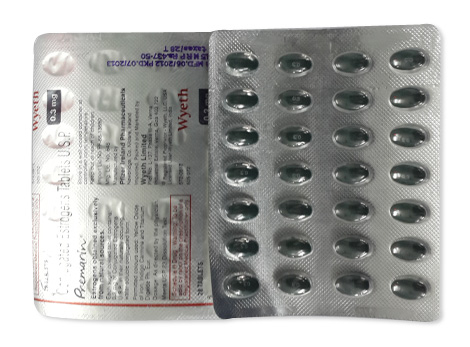
Conjugated Oestrogens
- Available from pharmacies and licensed suppliers (e.g. Premarin® in many countries including the UK, EU, Canada, Australia and the US) and usually supplied as prescription-only (Rx); although some local pharmacies or online vendors may offer it without a prescription, this is not recommended and may be unlawful—check local regulations and consult a prescriber.
- Conjugated oestrogens are used for relief of menopausal vasomotor symptoms, treatment of vaginal atrophy, replacement in hypoestrogenism (e.g. ovarian insufficiency) and for osteoporosis prevention in postmenopausal women; the active steroid mixture binds oestrogen receptors (ERα/ERβ), altering gene transcription and restoring oestrogenic effects in target tissues.
- Usual systemic starting dose for menopausal symptoms is 0.3–0.625 mg once daily (tablets); maintenance should be the lowest effective dose, commonly up to 1.25–2.5 mg if needed; for vaginal atrophy topical cream dosing is typically 0.5–2 g (≈0.3–1.25 mg equivalent) with initial daily use then intermittent regimens; regimens are adjusted individually and combined progestogen is used if the uterus is present.
- Forms of administration include oral tablets (common strengths 0.3 mg, 0.625 mg, 0.9 mg, 1.25 mg, 2.5 mg), vaginal cream (0.625 mg/g in 27–28 g tubes), occasional injections in some markets and combination tablets with progestogens.
- Onset of benefit for systemic vasomotor symptoms is often within 1–2 weeks with more noticeable improvement by 4–8 weeks; topical vaginal preparations can produce symptomatic improvement within days to a few weeks for local atrophic symptoms.
- Duration of action is effectively maintained with once-daily dosing (clinical effects persist while treatment continues); individual doses provide about 24 hours of pharmacological coverage and treatment should be reassessed regularly (typically every 3–6 months) to use the lowest effective duration.
- Limit alcohol intake while taking oestrogens; excessive alcohol can increase liver strain and may worsen risks associated with hormone therapy (including thromboembolic and cardiovascular risks); avoid heavy drinking and seek advice in liver disease.
- The most common side effect is breast tenderness (other common effects include headache, nausea, bloating and vaginal spotting).
- Would you like to try conjugated oestrogens without a prescription?
Conjugated Oestrogens
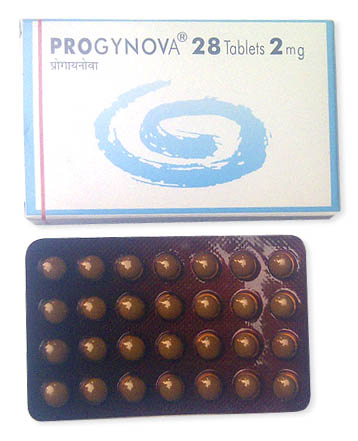
Basic Conjugated Oestrogens Information
- INN (International Nonproprietary Name): Conjugated estrogens; also formally referenced as conjugated equine oestrogens (CEE) derived from the urine of pregnant mares.
- Brand Names Available In United Kingdom: Premarin®, Premique® (combination), Prempak‑C® (combination); tablets commonly 0.3 mg, 0.625 mg and 1.25 mg, plus vaginal cream 0.625 mg/g in 27–28 g tubes.
- ATC Code: G03CA57.
- Forms & Dosages: Oral tablets 0.3 mg, 0.625 mg, 0.9 mg, 1.25 mg and 2.5 mg; vaginal cream 0.625 mg/g (27/28 g tube); injection rarely used; combination tablets with progestogens are available.
- Manufacturers In United Kingdom: Major manufacturer Pfizer (original Wyeth); generics and regional suppliers include Teva, Aspen and others for licensed or imported products.
- Registration Status In United Kingdom: Licensed by the MHRA.
- OTC / Rx Classification: Prescription-only medicine (Rx/POM).
Critical Warnings, Restrictions And Patient Protection (UK Focus)
Priority Safety Alerts And Immediate Actions
Patients ask first: Is this safe for me right now and what to watch for?
Conjugated oestrogens are a prescription‑only medicine licensed by the MHRA for use in the United Kingdom.
Absolute contraindications include known or suspected breast or oestrogen‑dependent cancer, undiagnosed genital bleeding, active or a history of venous thromboembolism, severe liver disease and pregnancy or breastfeeding.
Advise patients to stop the medicine and seek urgent medical care for sudden chest pain, breathlessness, sudden or severe headache, unilateral leg pain or swelling, or any sudden visual disturbance.
Discuss risks and benefits before starting HRT and document the informed consent conversation in the GP record in line with NHS guidance.
Encourage patients to report suspected adverse reactions via the MHRA Yellow Card scheme.
Store and transport tablets and creams in their original packaging at 15–25°C and do not freeze creams.
Use the checklist below to confirm immediate safety before supply.
- Confirm no history of VTE or current unexplained vaginal bleeding.
- Confirm not pregnant or breastfeeding.
- Assess liver disease history and current medicines.
- Advise on red‑flag symptoms and Yellow Card reporting.
| Contraindication | Recommended Action |
|---|---|
| Known or suspected breast or oestrogen‑dependent cancer | Do not start; refer urgently to specialist and document rationale. |
| Undiagnosed genital bleeding | Withhold treatment until primary cause investigated. |
| Active or history of venous thromboembolism | Avoid systemic oestrogen; consider specialist referral. |
| Severe liver disease | Contraindicated; do not prescribe systemic therapy. |
| Pregnancy or breastfeeding | Do not prescribe; stop immediately and advise obstetric review if pregnancy is suspected. |
Pharmacist counselling prompt:
- Confirm pregnancy status and current contraception where relevant.
- Ask about personal or family history of VTE and known thrombophilia.
- Check smoking status and quantify daily cigarette use.
- Review current medication list for potential interactions.
High‑Risk Groups
Who needs extra caution or specialist review?
- Women aged over 60 have higher baseline thromboembolic and cardiovascular risk and should start at the lowest effective dose with frequent review.
- Known thrombophilia or strong family history of VTE warrant specialist assessment before systemic HRT.
- BMI of 30 kg/m² or higher increases VTE risk and should be considered in the choice of regimen.
- Poorly controlled hypertension and active or recent cancer require careful risk–benefit discussion and often specialist input.
- Severe hepatic impairment is a contraindication; mild‑to‑moderate impairment needs close monitoring if systemic therapy is considered.
Monitoring checklist for high‑risk patients:
- Baseline and periodic blood pressure checks.
- Weight and BMI recording.
- Baseline and follow‑up liver function tests where clinically indicated.
- Ensure routine breast screening is up to date and document screening plan.
Refer to menopause or endocrine specialists when comorbidity complicates therapy choices.
Interaction With Activities (Driving, Workplace Safety Under UK Law)
Patients often worry about whether treatment affects driving or workplace safety.
Most people can drive and work normally while taking conjugated oestrogens.
If side effects occur that impair alertness or consciousness—such as dizziness, severe nausea or syncope—the patient must not drive or operate heavy machinery until fully recovered.
Employers should be informed when safety‑critical roles are affected, and the employer has a duty of care to assess fitness for work.
- DVLA Guidance
- Report any persistent condition that affects fitness to drive; seek GP or pharmacist advice if unsure.
- Employer Duty Of Care
- Assess and adjust duties for safety‑critical roles where a worker’s medical condition or treatment may impair performance.
Direct patients to discuss individual fitness‑to‑work and driving queries with their GP or pharmacist.
Q&A — “Can I Drive After Taking It In The UK?”
Q: Can I drive after taking conjugated oestrogens?
A: Generally yes, unless you develop side effects that impair concentration or consciousness such as dizziness, severe nausea or syncope.
If affected, do not drive and inform the DVLA and your employer if the condition persists.
Seek personalised advice from your GP or pharmacist if you have ongoing symptoms that might affect driving.
Usage Basics: Names, Forms And Legal Classification
INN, Common Brand Names And Packaging In The UK
Patients ask what name their prescription will show and what forms exist.
The INN is conjugated estrogens, sometimes referenced as conjugated equine oestrogens (CEE).
Common UK brands include Premarin®, Premique® and Prempak‑C® with oral tablets typically 0.3 mg, 0.625 mg and 1.25 mg and a vaginal cream of 0.625 mg/g in 27–28 g tubes.
Packaging normally appears as blister packs of 28 or 84 tablets and cream tubes with 27–28 g.
- Oral tablets: 0.3 mg, 0.625 mg, 0.9 mg, 1.25 mg, 2.5 mg.
- Vaginal cream: 0.625 mg/g in 27–28 g tubes.
- Combination tablets: conjugated estrogens with medroxyprogesterone or progestogens (brand examples Premique® / Prempak‑C®).
Pfizer is the principal manufacturer with generic supply and regional distributors for some batches.
Legal Classification And Prescription Rules
Conjugated oestrogens are a prescription‑only medicine (POM) under MHRA rules in the UK.
Prescriptions must be issued by an authorised clinician and are dispensed via NHS FP10 forms or electronic prescribing services.
Clinicians should confirm indication, obtain informed consent and record baseline assessments such as blood pressure, BMI and a breast assessment before initiating systemic HRT.
Note that prescription charges differ by UK nation; see the cost table in section 12 for regional details.
Prescribers should check the MHRA licence and local availability when selecting brand or formulation.
Dosing Guide (NHS Practice And Adjustments)
Standard Regimens And Starting Doses
People want clear starting doses and how to adjust them safely.
For menopausal vasomotor symptoms, typical oral starting doses are 0.3–0.625 mg once daily with titration to the lowest effective dose.
Maintenance dosing may be up to 1.25 mg and, in selected cases, higher doses up to 2.5 mg under close supervision.
For vaginal atrophy, use 0.5–2 g cream (equivalent to 0.3–1.25 mg) daily for up to 21 days followed by 7 days off or maintenance dosing as symptoms require.
For hypoestrogenism such as ovarian failure, start at low doses (0.3–1.25 mg) and titrate to clinical response.
| Indication | Starting Dose | Titration Plan |
|---|---|---|
| Menopausal vasomotor symptoms | 0.3–0.625 mg once daily (oral) | Titrate to lowest effective dose; review every 3–6 months |
| Vaginal atrophy | 0.5–2 g cream daily (0.3–1.25 mg equiv.) | Use daily for up to 21 days then intermittent or maintenance per symptoms |
| Ovarian insufficiency / hypoestrogenism | 0.3–1.25 mg daily | Adjust according to clinical response and specialist advice |
Adjustments For Comorbidities And Special Populations
Special populations require dose modification or avoidance.
Start elderly patients at the lowest dose and reassess frequently because of increased thromboembolic and cardiovascular risk.
Severe hepatic impairment is a contraindication for systemic conjugated oestrogens while mild‑to‑moderate hepatic impairment requires caution and monitoring.
Children should only receive conjugated oestrogens under specialist guidance for specific endocrine disorders.
- Monitoring checklist: blood pressure, liver function tests, weight/BMI, lipid profile and routine breast screening.
- Refer complex comorbidity cases to menopause or endocrine clinics for shared care plans.
Q&A — “What If I Miss A Dose?”
Q: What should I do if I miss a dose?
A: Take the missed dose as soon as you remember unless it is near the time for your next scheduled dose, in which case skip the missed dose and resume the usual schedule.
Do not double the dose to make up for missed tablets.
For vaginal cream, resume the next scheduled application.
If multiple doses are missed or you are unsure what to do, contact your GP surgery or speak with a pharmacist for tailored advice.
Interaction Chart: Medicines, Foods And Monitoring
Common Drug Interactions To Highlight
Patients taking other medicines need clarity on interactions and monitoring.
Enzyme inducers—such as carbamazepine, phenytoin and rifampicin—may lower systemic oestrogen levels and reduce efficacy.
Concomitant use with anticoagulants like warfarin can affect clotting and may require INR monitoring.
Certain SSRIs and other agents may influence bleeding risk and should be reviewed before starting systemic oestrogens.
| Concomitant Drug | Effect | Action Required |
|---|---|---|
| Carbamazepine, phenytoin, rifampicin | Induce hepatic enzymes; reduce oestrogen levels | Consider dose adjustment or alternative therapy; monitor symptom control |
| Warfarin | Potential interaction affecting INR | Closely monitor INR after starting or stopping oestrogen |
| SSRIs | May affect bleeding tendency in some patients | Review bleeding symptoms and liaise with prescriber |
Report new or unexpected interaction effects to the MHRA Yellow Card scheme so regulators can track trends.
Food, Drink And Lifestyle Interactions
Lifestyle factors influence both safety and effectiveness.
Smoking increases venous thromboembolism and cardiovascular risk in patients using HRT and cessation should be strongly encouraged.
Alcohol increases cardiovascular risk and may compound metabolic effects such as weight gain.
Grapefruit can affect CYP enzymes and theoretically alter oestrogen levels, so advise caution with large or regular grapefruit intake.
- Pre‑prescription checklist: smoking status, alcohol units per week, mobility, family history of VTE and current medication review.
- Offer smoking cessation resources and lifestyle advice as part of shared decision‑making.
User Reports, Trends And Patient Experience (UK Sources)
Summary Of Patient Feedback
Patients often want to know how others tolerate conjugated oestrogens and what to expect.
Common themes from NHS Choices, Patient.info and online forums include rapid relief of hot flushes for many users and mixed reports on mood and weight changes.
Some women prefer local vaginal cream for atrophy because of lower systemic exposure and fewer systemic side effects.
There is ongoing concern among patients about long‑term breast cancer and VTE risk, which influences willingness to start systemic HRT.
| Anonymous Example | Patient Experience |
|---|---|
| "A" | Hot flushes improved within two weeks; mild breast tenderness initially. |
| "B" | Switched to vaginal cream for local dryness and had fewer systemic effects. |
| "C" | Worried about family history of breast cancer and chose lower dose regimen after discussion with GP. |
- Pros reported: effective relief of vasomotor symptoms and improvement in vaginal atrophy.
- Cons reported: variable mood effects, perceived weight gain and concern about long‑term risks.
Clinicians should record patient preferences and use validated patient‑reported outcome measures in follow‑up where possible.
Access & Purchase Options In The UK
High‑Street Chains And Community Pharmacies
Patients commonly ask where they can collect or have a prescription dispensed.
Major pharmacy chains such as Boots, LloydsPharmacy and Superdrug dispense Premarin® and combination products where stocked, but availability may vary and some brands may need to be specially ordered.
Pharmacists are advised to verify MHRA licence status and batch details, particularly for imported or less common brands.
In our online pharmacy, conjugated oestrogens is available without a prescription, with discreet delivery to United Kingdom in 5–14 days.
Online Pharmacies, E‑Prescriptions And NHS Processes
NHS electronic prescription service (EPS) allows prescriptions to be sent to a nominated pharmacy for collection or for many online pharmacies to dispense.
Always use a pharmacy registered with the General Pharmaceutical Council and follow MHRA guidance when buying medicines online.
A safe online purchase checklist:
- Registered UK pharmacy with visible GPhC number.
- Valid prescription required and pharmacist counselling offered.
- Secure payment and clear returns policy.
- Check for MHRA licence information and batch labelling on delivery.
Avoid unverified international sellers where product quality, storage and licensing cannot be confirmed.
Mechanism Of Action & Pharmacology (Plain And Clinical)
Simplified Explanation For Patients
How does conjugated oestrogen work to relieve symptoms?
Conjugated oestrogens are a mixture of naturally occurring oestrogens, primarily equine oestrogens, that bind to oestrogen receptors to reduce hot flushes and restore the thickness and moisture of the vaginal epithelium.
Vaginal cream acts topically and usually has lower systemic absorption than oral tablets.
- INN
- Conjugated estrogens (conjugated equine oestrogens).
- ATC
- G03CA57.
Clinical Pharmacology Points For Clinicians
Clinicians should note absorption differences, metabolism and systemic effects.
Oral conjugated oestrogens undergo hepatic first‑pass metabolism which contributes to effects on clotting factors and lipid profiles.
Topical vaginal administration results in lower systemic exposure and reduced impact on hepatic protein synthesis in many patients.
- Absorption: oral gives higher systemic exposure than local vaginal cream.
- Metabolism: significant hepatic first‑pass effect; enzyme induction can lower plasma levels.
- PD effects: influence on clotting factors, lipid profile and endometrial tissue depending on dose and route.
| Route | Typical Systemic Exposure |
|---|---|
| Oral tablet | Higher systemic exposure; measurable effects on clotting factors and lipids |
| Vaginal cream | Lower systemic exposure; mainly local effects |
Indications And Off‑Label Uses In NHS & Private Practice
MHRA‑Approved Indications
Licensed indications include treatment of menopausal vasomotor symptoms, vaginal atrophy (vaginal cream) and symptomatic hypoestrogenism.
| Indication | Typical Starting Dose | Typical Duration |
|---|---|---|
| Menopausal vasomotor symptoms | 0.3–0.625 mg once daily | Review every 3–6 months; use lowest effective dose |
| Vaginal atrophy | 0.5–2 g cream daily (for up to 21 days) | Intermittent or maintenance use as required |
| Hypoestrogenism | 0.3–1.25 mg daily | Individualised; specialist involvement as needed |
Off‑Label Practices And When To Consider Them
Off‑label uses are uncommon and should be specialist‑led.
Examples include particular palliative uses in oncology or rare endocrine indications where conjugated estrogens are chosen for specific reasons by a specialist team.
Off‑label prescribing requires informed consent and documentation of rationale, alternatives and monitoring plans.
- Off‑label consent checklist: clear indication, alternatives discussed, expected benefits and documented monitoring plan.
Key Clinical Findings (UK & EU Studies 2022–2025 Summary)
Principal Safety And Efficacy Themes
Recent UK and EU literature confirms that conjugated oestrogens provide consistent relief for vasomotor symptoms and improve vaginal atrophy where used appropriately.
Major safety signals remain the risk of venous thromboembolism and a potential small increased breast cancer risk with prolonged systemic oestrogen exposure.
Topical vaginal therapy shows reduced systemic exposure and a lower associated VTE signal in comparative cohorts.
- Use the lowest effective systemic dose for the shortest duration consistent with patient goals.
- Recommend specialist referral for complex risk profiles and regular reviews per NICE and MHRA guidance.
| Outcome | Evidence Strength |
|---|---|
| Symptom relief (vasomotor) | High |
| Vaginal atrophy improvement (topical) | High |
| VTE risk with systemic use | Moderate to High |
| Breast cancer small increased risk with prolonged exposure | Moderate |
Alternatives Matrix (NHS Prescribing Options)
Comparison Table: Conjugated Oestrogens Versus Common Alternatives
| Product | Route | Typical Dose | Key Pros | Key Cons | VTE/Breast Risk |
|---|---|---|---|---|---|
| Premarin® (Conjugated Oestrogens) | Oral / Vaginal | 0.3–1.25 mg oral; 0.625 mg/g cream | Effective for vasomotor and local symptoms | Higher systemic exposure with oral route | Increased VTE risk systemically; small breast risk with long use |
| Estradiol (Estrace, Estradot, Estrofem) | Oral, patch, gel, cream | Varies by product; patches provide steady dosing | Multiple routes allow tailoring; transdermal lower VTE risk | Patch/gel adherence and skin reactions | Transdermal generally lower VTE risk than oral |
| Tibolone | Oral | Typical licensed dosing per product | Single‑compound alternative with some androgenic effects | Not suitable for all women; mixed effects on bleeding | Different risk profile; specialist advice recommended |
| Non‑oestrogen local options (ospemifene, DHEA) | Vaginal / oral | Product dependent | Effective for local atrophy with low systemic oestrogen exposure | Not always suitable for systemic vasomotor symptoms | Lower systemic oestrogen‑related risks |
Pros And Cons Checklist
- Assess symptom profile: vasomotor symptoms favour systemic HRT; local dryness may suit topical therapy.
- Evaluate thrombotic and breast cancer risk before selecting systemic therapy.
- Consider patient preference for tablets versus patch or cream and ease of adherence.
- Discuss cost, availability and need for monitoring as part of shared decision‑making.
Common Patient Questions (UK Consultations)
- Will HRT cause weight gain? Possible fluid retention and appetite changes may occur; encourage lifestyle measures and monitor weight.
- How long should I stay on HRT? Use the lowest effective dose and review every 3–6 months; duration is individualised.
- Does Premarin® increase breast cancer risk? Prolonged systemic oestrogen exposure is associated with a small increased risk over years; balance this against symptom burden and screening plans.
- Can I take it with warfarin or DOACs? This requires pharmacist and/or specialist review; warfarin users need INR monitoring and careful assessment of bleeding risk.
- VTE
- Venous thromboembolism.
- INR
- International normalised ratio, used when monitoring warfarin.
- Systemic Vs Local
- Systemic refers to oral or other routes that produce whole‑body exposure; local refers to vaginal products with chiefly local effects.
NHS Cost & Access Comparison (England, Scotland, Wales, Northern Ireland)
| Pharmacy Source | Typical Private Price Range | NHS Prescription Charge |
|---|---|---|
| High‑street pharmacy (Boots, LloydsPharmacy, Superdrug) | Variable; dependent on brand and pack size — expect private prices to vary widely | England: standard NHS prescription charge per item; Scotland/Wales/Northern Ireland: often free for eligible patients |
| Online pharmacy (registered UK providers) | Private prices may be competitive; check shipping costs | As above — NHS prescriptions processed via EPS where applicable |
| Private clinic prescription | Private prescription fee plus medicine cost | N/A for private issue; patient may pay full cost |
| Region | Typical Prescription Cost / Exemption |
|---|---|
| England | Standard NHS prescription charge per item unless exempt or using prepayment certificate |
| Scotland | Prescriptions are generally free of charge |
| Wales | Prescriptions are generally free of charge |
| Northern Ireland | Prescriptions are generally free of charge |
- Exemptions include age, low income, pregnancy, and certain medical conditions — check the latest NHS guidance for personal eligibility.
- Consider an NHS prepayment certificate in England for frequent prescriptions to reduce overall cost.
Registration, Regulation And Reporting In The UK
MHRA Approval, Licensing And Pharmacy Obligations
Premarin® and some combinations are MHRA‑licensed in the UK and are classified as prescription‑only medicines.
Pharmacists must supply according to legal requirements, provide the patient information leaflet and offer counselling at the point of supply.
For imported batches check licence status and labelling to ensure compliance.
Adverse Event Reporting And Pharmacovigilance
Encourage all suspected adverse reactions and batch concerns to be reported via the MHRA Yellow Card scheme.
Clinicians should document adverse events in the clinical record and report serious suspected reactions to regulators when required.
- Reporting checklist: what happened, dose, batch number if known, time course and outcome.
- Follow up with patient record entries and consider alternative therapy if reaction is significant.
Storage, Handling And Household Guidance (UK Climate)
Storage & Transport At Home
Store tablets and creams at 15–25°C in original packaging, protected from moisture and excessive heat.
Do not freeze creams and avoid storing medicines in bathrooms where steam may alter stability.
For travel keep medicines in original packaging and carry prescriptions or an electronic prescription record when flying.
Disposal And Safety
Return unused medicines to a pharmacy medicine‑take‑back service for safe disposal.
Do not flush medicines down the toilet or sink unless the patient information leaflet specifically instructs otherwise.
For cream tubes squeeze residual contents into a sealed bag for disposal and follow local recycling rules where applicable.
Keep medicines clearly labelled and out of reach of children and pets; carers should use clear storage labels when managing multiple medicines.
Guidelines For Proper Use: Pharmacist Counselling & NHS Safety Advice
Pharmacist Counselling Script And Checklist
Use a concise script to ensure consistent counselling and documentation.
- Confirm the indication for therapy and the selected dose and formulation.
- Reiterate absolute contraindications: VTE history, unexplained genital bleeding, breast or oestrogen‑dependent cancer, pregnancy and severe liver disease.
- Explain common side effects such as breast tenderness, nausea and bloating and advise when to stop and seek urgent care.
- Provide missed dose advice and ensure the patient knows to avoid doubling up after a missed dose.
- Advise on driving and workplace safety if symptoms such as dizziness occur.
- Offer a printed or digital patient information leaflet and encourage Yellow Card reporting of any adverse events.
Follow‑Up, Monitoring And Documentation
Recommend GP review every 3–6 months for systemic HRT and annual checks for blood pressure and BMI, with LFTs as indicated.
Document shared decision‑making, including discussion of risks and benefits, and planned review dates in the patient record.
- Suggested Record Entry Template
- Indication, chosen product and dose, contraindications checked, risks discussed, consent obtained, baseline checks documented, review date set.
Refer to specialist menopause clinics for complex patients or persistent concerns.
Delivery Across United Kingdom
| City | Region | Delivery Time |
|---|---|---|
| London | England | 5–7 days |
| Birmingham | England | 5–7 days |
| Manchester | England | 5–7 days |
| Glasgow | Scotland | 5–7 days |
| Edinburgh | Scotland | 5–7 days |
| Bristol | England | 5–7 days |
| Leeds | England | 5–7 days |
| Cardiff | Wales | 5–9 days |
| Belfast | Northern Ireland | 5–9 days |
| Newcastle | England | 5–9 days |
| Nottingham | England | 5–9 days |
| Southampton | England | 5–9 days |
| Norwich | England | 5–9 days |
| Aberdeen | Scotland | 5–9 days |
Registration, Regulation And Reporting: Practical Steps For Clinicians
Ensure that Prescribers and pharmacists check product licence, batch and labelling before supply.
For supply shortages or safety concerns include batch numbers in Yellow Card reports and clinical records.
Keep the patient informed about monitoring plans and the need to report new symptoms promptly.
Final Practical Notes For Patients And Clinicians
Conjugated oestrogens (Premarin®) remain effective options for menopausal symptom relief and local vaginal atrophy when used in line with MHRA licensing and NHS guidance.
Use the lowest effective systemic dose and consider topical vaginal therapy where local symptoms dominate to reduce systemic exposure.
Document shared decision‑making, monitor high‑risk patients closely and report adverse events via the Yellow Card scheme.
If in doubt about drug interactions, comorbidity or prescription status, speak to a pharmacist or refer to a menopause specialist.