
Hormones
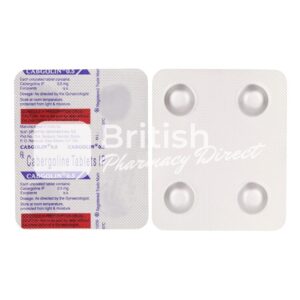
Cabergoline
from
Dostinex
from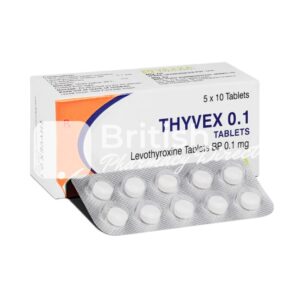
Euthyrox
from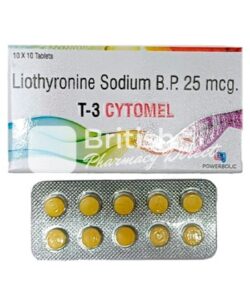
Liothyronine
from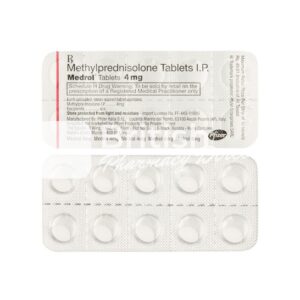
Medrol
fromUnderstanding Hormone Therapy
Hormone therapy involves the use of synthetic or natural hormones to replace or supplement those produced by the body. This type of treatment is used when the body fails to produce adequate amounts of hormones or when hormonal imbalances occur. Hormones regulate virtually every function in the body, including metabolism, growth, reproduction, and mood. When these delicate systems fall out of balance, it can lead to various health conditions that require medical intervention.
Hormone replacement therapy (HRT) has become increasingly popular in the United Kingdom as people seek relief from symptoms associated with hormonal deficiencies. The therapy can be administered through various methods, including tablets, patches, gels, and injections, allowing patients to choose the most suitable option for their lifestyle and medical needs. Understanding how hormone therapy works is essential for anyone considering this treatment, as it helps patients make informed decisions about their health.
Hormone Replacement Therapy for Women
Menopause and HRT
Menopause represents a significant change in a woman’s life, typically occurring between the ages of 45 and 55. During this transition, oestrogen and progesterone levels decline, causing uncomfortable symptoms such as hot flushes, night sweats, mood swings, and vaginal dryness. Hormone replacement therapy offers relief from these symptoms by restoring hormonal balance.
Popular HRT medications available in the United Kingdom include Premarin, which contains conjugated oestrogens, and Prempak-C, which combines oestrogen and norethisterone. Women can also choose between different formulations, such as continuous or cyclical therapy, depending on their individual needs. The decision to use HRT should be made in consultation with a healthcare provider, as the treatment carries both benefits and potential risks that vary from person to person.
Contraception and Hormonal Birth Control
Hormonal contraceptives are among the most effective and widely used methods of birth control in the United Kingdom. Combined oral contraceptives, commonly known as the pill, contain oestrogen and progestin, which work together to prevent ovulation. Popular brands include Yasmin, Microgynon, and Ovranette, offering women various options with different hormone dosages.
Beyond preventing pregnancy, many women choose hormonal contraceptives for their additional benefits, including clearer skin, lighter periods, and reduced menstrual cramps. The contraceptive patch, such as Evra, provides a weekly alternative to daily pills, whilst the progestogen-only pill offers an option for those who cannot tolerate oestrogen. Injectable contraceptives and implants also represent long-acting hormonal solutions available throughout the UK.
Thyroid Hormones and Treatment
Hypothyroidism Management
Hypothyroidism occurs when the thyroid gland produces insufficient thyroid hormones, leading to a slowed metabolism and various uncomfortable symptoms. Patients typically experience fatigue, weight gain, cold sensitivity, and depression. The primary treatment involves thyroid hormone replacement therapy using levothyroxine, a synthetic form of the hormone thyroxine.
Levothyroxine sodium is available in the United Kingdom under brand names such as Synthroid and Levothroid, as well as generic versions. These medications effectively restore normal metabolic function and alleviate symptoms when the correct dosage is achieved. Regular blood tests are necessary to monitor thyroid hormone levels and ensure the medication remains appropriately calibrated. For most patients with hypothyroidism, lifelong thyroid hormone replacement therapy is required, making reliable access to medication essential for maintaining good health.
Hyperthyroidism Treatment
Hyperthyroidism, the opposite condition, occurs when the thyroid produces excessive hormones. Symptoms include rapid heartbeat, anxiety, weight loss, and heat intolerance. Anti-thyroid medications such as propylthiouracil and methimazole are commonly prescribed in the United Kingdom to reduce thyroid hormone production.
These medications work by inhibiting the synthesis of thyroid hormones, gradually bringing hormone levels back to normal. Beta-blockers may be prescribed alongside anti-thyroid medication to manage symptoms whilst waiting for the primary treatment to take effect. The choice between different treatment options depends on individual patient factors and the underlying cause of hyperthyroidism.
Hormones for Bone Health and Osteoporosis
Osteoporosis, a condition characterised by weakened bones and increased fracture risk, often develops as oestrogen levels decline in post-menopausal women. Hormone replacement therapy can help maintain bone density during this critical period. Additionally, medications containing bisphosphonates such as alendronate work by slowing bone loss.
In the United Kingdom, treatments like Forsteo and Tymlos, containing parathyroid hormone analogues, stimulate new bone formation in patients with severe osteoporosis. These medications are particularly valuable for elderly patients at high risk of fractures from falls. Calcium and vitamin D supplements often accompany hormone therapies to maximise bone health benefits. Regular exercise and lifestyle modifications complement medical treatments in managing osteoporosis effectively.
Other Hormonal Treatments
Diabetes Management
Insulin is a critical hormone that regulates blood sugar levels. Patients with type 1 diabetes and some with type 2 diabetes require insulin therapy to maintain healthy glucose levels. Various insulin formulations are available in the United Kingdom, including rapid-acting, long-acting, and intermediate-acting types. Modern insulin delivery systems, such as pens and pumps, make administration more convenient than traditional syringes. Healthcare providers work with patients to determine the most appropriate insulin regimen based on their lifestyle and blood sugar patterns.
Adrenal Hormone Replacement
Conditions affecting the adrenal glands may require hormone replacement therapy with corticosteroids such as hydrocortisone or dexamethasone. These powerful hormones regulate stress responses, inflammation, and blood pressure. Patients with Addison’s disease or who have undergone adrenal surgery depend on corticosteroid replacement to maintain vital bodily functions. The dosage must be carefully managed to avoid complications whilst ensuring adequate hormonal support.
Consulting Healthcare Providers About Hormone Therapy
Before beginning any hormone therapy, patients should consult with qualified healthcare professionals who can assess their individual circumstances, medical history, and specific symptoms. A thorough evaluation typically includes blood tests to measure hormone levels, allowing doctors to diagnose deficiencies or imbalances accurately.
The consultation process in the United Kingdom involves several important steps:
- Initial assessment by your General Practitioner to review your symptoms and medical history
- Blood tests to measure current hormone levels and identify any deficiencies or imbalances
- Referral to specialists such as endocrinologists or gynaecologists when necessary for complex cases
- Discussion of potential benefits and risks associated with specific treatments
- Regular monitoring through follow-up appointments and repeat blood tests
- Adjustments to medication or dosage if needed to optimise therapeutic outcomes
Healthcare providers discuss potential benefits and risks associated with specific treatments, helping patients make informed decisions aligned with their health goals. Regular monitoring through follow-up appointments and repeat blood tests ensures hormone therapy remains effective and safe throughout treatment. Open communication with healthcare providers allows for adjustments to medication or dosage if needed, optimising therapeutic outcomes and patient satisfaction.