Euthyrox
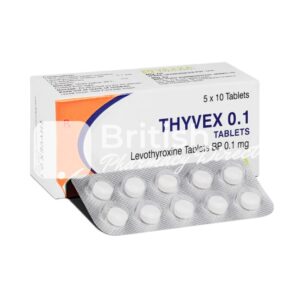
In brief
- In many countries Euthyrox is a prescription-only medicine, but availability varies by market — in some pharmacies it may be supplied without a receipt; legal requirements differ between countries so a prescription is normally recommended for safe use.
- Euthyrox (levothyroxine sodium) is used for thyroid hormone replacement in hypothyroidism and as adjunct therapy in some thyroid cancers; it is a synthetic thyroxine (T4) that is converted to active T3 in tissues and acts on nuclear thyroid receptors to increase metabolic activity.
- Usual adult starting doses are 25–50 mcg once daily (titrated every 4–6 weeks); full replacement is typically about 1.6 mcg/kg/day once daily; doses for children, the elderly and for suppression in thyroid cancer are adjusted individually.
- Administered orally — most commonly as once-daily tablets (colour‑coded by strength) and, in selected markets, as an oral liquid formulation.
- Effects begin gradually: biochemical changes can be seen within days, but symptomatic improvement often takes 2–4 weeks and TSH usually requires 4–6 weeks to reflect a dose change.
- Duration of action is long (levothyroxine has an approximate half‑life of about 7 days in euthyroid patients), allowing once‑daily dosing and steady state after several weeks of consistent therapy.
- Avoid excessive alcohol consumption; alcohol can affect general health and may complicate monitoring and management of thyroid disease — alcohol does not acutely alter levothyroxine dosing but moderation is advised.
- The most common side effect is headache; other frequent effects (usually from over‑replacement) include nervousness, insomnia, tremor, palpitations, increased appetite and weight loss.
- Would you like to try euthyrox without a prescription?
Basic Euthyrox Information
- INN (International Nonproprietary Name): Levothyroxine sodium
- Brand Names Available In United Kingdom: Eltroxin, Euthyrox, Levothyroxine
- ATC Code: H03AA01
- Forms & Dosages: Oral tablets commonly in strengths from 25 mcg up to 300 mcg; oral liquid available in select markets (25 mcg/mL, 50 mcg/mL)
- Manufacturers In United Kingdom: Merck KGaA (Euthyrox, Eltroxin) and local generic manufacturers
- Registration Status In United Kingdom: Approved (EMA/European approvals noted; UK market authorisations in place)
- OTC / Rx Classification: Prescription only (Rx) in all countries
Critical Warnings & Restrictions
High‑Risk Groups (Elderly, Pregnancy, Chronic Illness)
Safety is the priority when starting or changing levothyroxine treatment.
Levothyroxine (INN: levothyroxine sodium) is prescription-only and requires clinical supervision.
Over‑replacement can precipitate cardiac events, particularly in elderly patients or those with coronary disease.
Absolute contraindications include untreated thyrotoxicosis, untreated adrenal insufficiency, recent or ongoing myocardial infarction, and hypersensitivity to levothyroxine or tablet excipients.
Relative risks that need close monitoring include diabetes, osteoporosis, recent major surgery and other chronic illnesses.
- Absolute Contraindications: Untreated thyrotoxicosis; untreated adrenal insufficiency; acute or recent myocardial infarction; known hypersensitivity to levothyroxine or excipients.
- Relative Contraindications/High‑Risk Situations: Elderly patients; coronary artery disease or angina; diabetes mellitus; osteoporosis; recent major surgery or acute illness.
- Common Overdose Symptoms: Palpitations; chest pain; tremor; confusion; tachycardia; heat intolerance.
Interaction With Activities (Driving, Workplace Safety Under UK Law)
Most people on a stable replacement dose can drive and work normally.
Symptoms of over‑replacement — such as palpitations, tremor or dizziness — can impair driving and the safe performance of safety‑critical jobs.
Under‑replacement may cause lethargy, slowed reactions and daytime sleepiness, which also affect driving and workplace safety.
Employers, occupational health and clinicians should assess fitness for work in safety‑critical roles if symptoms impair performance.
Q&A — “Can I Drive After Taking It In The UK?”
Short answer: Usually yes, provided you feel well and are on a stable dose.
Do not drive if you experience dizziness, palpitations, severe tremor or marked fatigue after taking levothyroxine.
Report any impairing symptoms to your GP or pharmacist and document concerns with occupational health for safety‑critical roles.
- Checklist — Stop Driving And Report If You Experience: sudden chest pain; new or worsening palpitations; severe tremor; dizziness affecting coordination; significant shortness of breath.
- Checklist — Report To Your GP/Pharmacist If: you notice persistent lethargy, slowed reactions, confusion or new anxiety after a dose change.
Usage Basics
INN, Brand Names Available In The UK
The International Nonproprietary Name is levothyroxine sodium.
UK brands include Eltroxin and Euthyrox alongside multiple generic levothyroxine tablets.
Tablets are often colour‑coded by strength to help reduce dispensing errors and aid patient identification.
Legal Classification (POM, P, GSL)
Levothyroxine is prescription‑only (POM) in the UK and regulated under UK market authorisations and recognised European approvals.
- Typical UK Brand Alternatives: Eltroxin; Euthyrox; generic levothyroxine preparations.
- Dispensing Cautions: Be aware of brand switching; check tablet colour and strength when dispensing or collecting repeat prescriptions.
- Storage Advice: Keep medicine in the original blister or bottle to preserve labelling and reduce mix‑ups.
- INN
- Levothyroxine sodium — the active ingredient common to all brands.
- Brand
- Commercial product names such as Eltroxin or Euthyrox sold in the UK market.
Dosing Guide
Standard Regimens (NHS Guidelines)
Full replacement in adults is typically around 1.6 mcg/kg/day of oral levothyroxine once daily.
Initial titration commonly starts at 25–50 mcg once daily with TSH checks every 4–6 weeks while adjusting the dose.
Many NHS trusts follow this approach of gradual titration guided by TSH.
Adjustments For Comorbidities
Elderly patients should begin at lower doses, typically 12.5–25 mcg/day, because of cardiovascular sensitivity.
Children and neonates require weight‑based dosing; neonates with severe hypothyroidism may start 10–15 mcg/kg/day.
In thyroid cancer, dosing is individual and often higher to suppress TSH under specialist supervision.
Q&A — “What If I Miss A Dose?”
Take the missed dose as soon as you remember unless it is near the time of your next dose.
Do not double up doses to make up for a missed tablet.
If multiple doses are missed or you suspect an overdose, contact your GP, NHS 111 or emergency services.
- Monitoring Checklist: baseline TSH/T4 before starting; check TSH 4–6 weeks after initiation or dose change; repeat every 6–12 months when stable; sooner if interacting drugs started or pregnancy occurs.
| Patient Group | Typical Starting Dose |
|---|---|
| Healthy Adult (full replacement) | Approximately 1.6 mcg/kg/day once daily |
| Initial Adult Titration | 25–50 mcg once daily |
| Elderly | 12.5–25 mcg once daily |
| Neonates (severe hypothyroidism) | 10–15 mcg/kg/day |
Interaction Chart
Food And Drinks (Alcohol, Tea/Coffee, Diet Habits)
Absorption of levothyroxine is reduced by food and certain beverages, so take it on an empty stomach.
Best practice is to take levothyroxine 30–60 minutes before breakfast or at least three to four hours after the last meal.
Avoid taking levothyroxine close to calcium or iron supplements, high‑fibre meals, soy products or bran.
Common Drug Conflicts (MHRA Yellow Card Data)
Several medicines alter levothyroxine absorption or metabolism and require TSH monitoring after initiation or withdrawal.
| Medicine | Interaction Type | Advice |
|---|---|---|
| Calcium supplements | Reduce absorption | Separate dosing by ≥4 hours; check TSH after changes |
| Iron supplements | Reduce absorption | Separate dosing by ≥4 hours; check TSH after changes |
| Antacids / Aluminium or Magnesium products | Reduce absorption | Avoid within 4 hours of levothyroxine |
| Bile acid sequestrants | Bind levothyroxine | Separate dosing; monitor TSH |
| Rifampicin, Carbamazepine | Increase metabolism | May require higher levothyroxine dose; monitor TSH |
| Oestrogens / HRT | Increase thyroid‑binding proteins | May raise levothyroxine requirement; check TSH when started |
| Certain anticoagulants (eg, warfarin) | May potentiate anticoagulant effect with dose changes | Monitor INR when changing thyroid status or dose |
- Quick Tips: take levothyroxine on an empty stomach; separate interacting supplements and antacids by several hours; always monitor TSH after starting or stopping interacting medicines.
User Reports & Trends
Patients commonly raise practical worries about brand switching, symptom timelines and dose changes linked to life events such as pregnancy.
Online communities and patient information sites emphasise clear pharmacist counselling and regular TSH checks.
- Top Reported Issues: concerns after brand switch; persistent fatigue; weight and metabolism worries; mood changes; cardiac symptoms when overtreatment occurs; dose adjustments during and after pregnancy.
| Source | Common Concerns | Recommended Clinician Response |
|---|---|---|
| NHS Choices / NHS patient pages | When symptoms improve; dosing in pregnancy | Provide TSH monitoring plan; increase dose in pregnancy where needed |
| Patient.info | Fatigue, mood and dose adequacy | Review symptoms and biochemistry; consider specialist referral if persistent |
| Forums (eg, Mumsnet) | Brand switching and perceived instability | Explain bioequivalence; check TSH 6–8 weeks after switch |
Practical Advice For Patients: keep a symptom diary; bring tablets or blister packs to appointments; report suspected adverse reactions via the MHRA Yellow Card scheme.
Access & Purchase Options
Boots, LloydsPharmacy, Superdrug And Other Chains
Community pharmacies such as Boots, LloydsPharmacy and Superdrug dispense levothyroxine and usually provide dispensary counselling and repeat prescription services.
Hospital pharmacies supply patients under secondary care outpatient clinics.
Online Pharmacies And NHS E‑Prescriptions
The NHS Electronic Prescription Service (EPS) enables e‑prescriptions to be sent to nominated pharmacies for convenient collection.
A growing number of MHRA‑registered online pharmacies supply levothyroxine on a valid prescription; verify MHRA and GPhC details before ordering.
In our online pharmacy, euthyrox is available without a prescription, with discreet delivery to United Kingdom in 5-14 days.
| Outlet Type | Pros | Cons | Typical Dispensing Advice |
|---|---|---|---|
| Community Pharmacy (eg, Boots) | Local counselling; repeat dispensing | Possible wait if out of stock | Bring repeat slip; confirm brand/strength at collection |
| Hospital Pharmacy | Specialist support for complex cases | Usually for secondary care patients only | Follow hospital clinic instructions |
| MHRA‑Registered Online Pharmacy | Convenience; home delivery | Must verify registration; potential delays | Check GPhC details; keep prescription records |
- Checklist For Safe Online Purchase: confirm MHRA registration; verify GPhC pharmacist details; ensure a valid prescription is provided; keep proof of order and delivery tracking.
Note On Regional Costs: prescriptions in England normally attract a charge; Scotland, Wales and Northern Ireland generally provide prescriptions free of charge for eligible residents.
Mechanism & Pharmacology
Simplified Explanation
Levothyroxine is synthetic thyroxine (T4) that restores circulating thyroxine levels.
Peripheral deiodinases convert T4 to the active T3 within tissues, helping to regulate metabolic processes throughout the body.
The ATC Code H03AA01 classifies levothyroxine as a systemic hormonal thyroid preparation.
Clinical Terms
- TSH
- Pituitary marker used to guide dosing and assess adequacy of replacement.
- T4 / T3
- Thyroid hormones; T4 is the prohormone converted to active T3 in tissues.
- Bioequivalence
- Clinical concept comparing different brands/generics to ensure similar systemic exposure.
- Half‑Life
- Approximately seven days in euthyroid adults, meaning steady‑state and biochemical changes take several weeks.
- Pharmacokinetics Notes: long half‑life requires TSH checks every 4–6 weeks after dose change to assess steady‑state.
Indications & Off‑Label Uses
MHRA‑Approved Uses
Approved indications include primary and secondary hypothyroidism and use as part of thyroid cancer management where TSH suppression is required under specialist direction.
Off‑Label Practices In NHS And Private Care
Occasional off‑label use can include selected treatment of subclinical hypothyroidism in symptomatic patients, particularly when fertility or specific symptoms are at issue.
Important safety note: levothyroxine is not licensed for weight loss or obesity treatment and misuse is dangerous.
- Checklist Prior To Prescribing: confirm biochemical hypothyroidism; review cardiac risk; consider pregnancy planning; obtain baseline TSH and free T4.
- Approved Uses: primary hypothyroidism; secondary hypothyroidism; TSH suppression in thyroid cancer under specialist care.
- Off‑Label Uses (Select Cases): symptomatic subclinical hypothyroidism; fertility‑related adjustments — use cautiously and document rationale.
Key Clinical Findings
Recent analyses in the UK and EU (2022–2025) highlight the importance of maintaining consistency in brand or generic preparations for stable thyroid function.
Evidence remains limited for routine use of combined T4/T3 therapy for persistent symptoms; most guidelines still favour TSH‑guided levothyroxine dosing.
Management of cardiovascular risk when treating elderly patients is a key emphasis in recent reviews.
- Clinical Takeaways: inform patients about transient symptoms during titration; prioritise TSH‑guided dosing adjustments.
- Monitoring Intervals: TSH 4–6 weeks after dose change; then 6–12 monthly when stable.
- Refer To Endocrinology: persistent symptoms despite biochemical euthyroidism; complex thyroid cancer management; difficult dose control with interacting medicines.
Clinicians are encouraged to consider patient‑reported outcomes such as fatigue and cognition, while reserving combined therapies for specialist evaluation.
Alternatives Matrix
NHS Prescribing Alternatives (Comparison Table)
| Product Name | Manufacturer | Typical Strengths | Interchangeability Notes |
|---|---|---|---|
| Eltroxin | Merck KGaA / local suppliers | Multiple strengths (eg, 25–200 mcg) | Widely used in UK; monitor TSH after switch |
| Euthyrox | Merck KGaA | Multiple strengths | Common EU/UK brand; check patient tolerance after switch |
| Generic Levothyroxine | Various manufacturers (local generics) | Multiple strengths | Cost‑effective; consider TSH re‑check 6–8 weeks after substitution |
| Synthroid (international) | AbbVie (in certain markets) | Multiple strengths; colour‑coded | Not always available in UK market; international reference for bioequivalence |
Pros And Cons Checklist
- Pros Of Generics: lower cost; good availability.
- Cons Of Generics: patients may perceive symptom changes after switching products; consider re‑checking TSH 6–8 weeks post‑switch.
- When To Request A Specific Brand: history of variable control after switches; tablet excipient sensitivity; clear patient preference documented in notes.
Common Patient Questions
- Can I take levothyroxine in pregnancy? Yes — pregnancy commonly increases requirement and TSH should be monitored closely with obstetric care.
- Will it make me lose weight? No — levothyroxine corrects weight gain due to true hypothyroidism but is not a treatment for weight loss or obesity.
- Can I swap brands? Discuss with your pharmacist; if switched, re‑check TSH after 6–8 weeks to confirm stable levels.
- How soon will I feel better? Some symptoms may improve within days to weeks; biochemical steady‑state and TSH normalisation take several weeks.
Patients are encouraged to consult NHS patient leaflets and to report suspected adverse events via the MHRA Yellow Card scheme.
NHS Cost & Access Comparison Table
| Source | Typical Supply Route | NHS Prescription Charge Applicability | Pros | Cons |
|---|---|---|---|---|
| GP | Prescription issued to community or nominated pharmacy | England: charge applies unless exempt; Scotland/Wales/Northern Ireland: often free | Local counselling; continuity of care | Waiting time for appointment; repeat prescription processing |
| Hospital | Discharge or outpatient clinic supply | Usually follows same regional rules | Specialist review; tailored plans | Availability limited to clinic patients |
| Community Pharmacy | Dispensed after presentation of a prescription or EPS nomination | Follows regional prescription charge rules | Immediate collection; pharmacist counselling | Stock variations between branches |
| Online Pharmacy | Delivery after prescription upload or e‑prescription | Depends on whether a valid NHS prescription is used | Convenience; home delivery | Verify MHRA/GPhC registration; potential delivery delays |
| Region | Prescription Cost Status | Common Exemptions |
|---|---|---|
| England | Charge usually applies | Exemptions include elderly, pregnant women, low income and other specified groups |
| Scotland | Prescriptions generally free | Free for most residents |
| Wales | Prescriptions generally free | Free for most residents |
| Northern Ireland | Prescriptions generally free | Free for most residents |
- Checklist For Exemptions: check NHS guidance for up‑to‑date eligibility; carry proof of exemption at collection.
- Practical Note: using EPS can speed collection from a nominated pharmacy; report adverse effects via MHRA Yellow Card.
Registration & Regulation
MHRA Approval Process
In the UK, levothyroxine preparations are regulated by the MHRA with market authorisations based on quality, safety and bioequivalence data.
Product information, summary of product characteristics (SPCs) and patient information leaflets are updated to reflect safety information.
NHS Prescribing Framework
Prescribers should follow local formularies and shared care agreements where applicable when issuing levothyroxine prescriptions.
Report suspected adverse drug reactions to the MHRA Yellow Card scheme and document any off‑label prescribing decisions in clinical notes.
- Checklist: verify product licence; check SPC for excipient sensitivities; record brand changes; report ADRs via Yellow Card.
- Market Authorisation
- Regulatory approval confirming product quality, safety and efficacy.
- SPC
- Summary of product characteristics; clinicians should consult this for up‑to‑date safety and excipient details.
Storage & Handling
UK Household Storage (Cold/Damp Climate)
Store levothyroxine at 20–25°C (68–77°F), protected from light, moisture and heat.
In UK homes where bathroom humidity is high, keep tablets in a bedroom cupboard rather than the bathroom.
Keep tablets in the original blister or bottle to preserve labelling and reduce humidity exposure.
Guidance From NHS And Pharmacists
When travelling, retain medication in original packaging with the prescription or repeat slip to avoid issues at borders or security checks.
Avoid exposing tablets to extreme heat or direct sunlight while in transit.
- Storage Checklist: store at controlled room temperature; keep in original packaging; note expiry dates and discard expired tablets through pharmacy take‑back.
| Situation | Recommendation |
|---|---|
| At Home | Store in a dry, cool cupboard away from bathroom humidity |
| When Travelling | Carry in original packaging with prescription; avoid heat and sunlight |
| Disposal | Return unused tablets to a pharmacy for safe disposal |
Guidelines For Proper Use
UK Pharmacist Counselling Style
Pharmacists should confirm the INN and brand, dose and correct dosing time at every opportunity.
Advise taking levothyroxine on an empty stomach 30–60 minutes before breakfast and review possible interactions with supplements or other medications.
Encourage patients to keep a symptom diary and to bring tablets or blister packs to clinic appointments for reconciliation.
NHS Patient Safety Advice
Obtain baseline TSH and free T4 before initiation where possible.
Monitor TSH 4–6 weeks after starting or changing the dose, then every 6–12 months when stable; check sooner if interacting medicines are started or pregnancy occurs.
- Counselling Points Checklist: dose timing; interaction avoidance (iron, calcium, antacids); signs of over‑ and under‑replacement; when to contact GP or emergency services.
- Monitoring Timeline: baseline; 4–6 weeks after dose change; 6–12 monthly when stable.
- When To Contact Clinician: chest pain, rapid heart rate, fainting, sudden confusion or significant new tremor.
Remind patients to report adverse reactions using the MHRA Yellow Card and to keep a clear record of all medicines and supplements.
Delivery Across United Kingdom
| City | Region | Delivery Time |
|---|---|---|
| London | Greater London | 5-7 days |
| Birmingham | West Midlands | 5-7 days |
| Manchester | Greater Manchester | 5-7 days |
| Glasgow | Scotland | 5-7 days |
| Liverpool | Merseyside | 5-7 days |
| Leeds | West Yorkshire | 5-7 days |
| Sheffield | South Yorkshire | 5-7 days |
| Bristol | South West England | 5-7 days |
| Edinburgh | Scotland | 5-7 days |
| Cardiff | Wales | 5-7 days |
| Belfast | Northern Ireland | 5-7 days |
| Norwich | East of England | 5-9 days |
| Newcastle | North East England | 5-9 days |
| Southend | Essex | 5-9 days |