
Glucophage
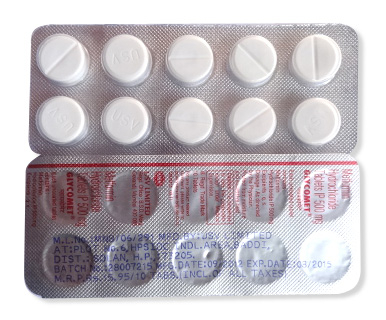
Glucophage
- Glucophage (metformin) can be purchased from pharmacies in many countries, and in some online pharmacies it may be available without a prescription; however, it is usually classified as prescription-only in most markets, so local rules should be checked before purchase.
- Glucophage is used to treat type 2 diabetes mellitus and is sometimes used off-label for polycystic ovary syndrome (PCOS). It is a biguanide that lowers blood glucose mainly by reducing hepatic glucose production and improving insulin sensitivity.
- The usual dose is 500 mg once or twice daily at the start, then gradually increased according to response and tolerance. Typical maintenance is 1,500–2,000 mg per day, with a maximum of up to 2,550 mg per day for immediate-release formulations.
- The form of administration is oral tablets, including standard tablets and extended-release (XR) tablets.
- It usually starts working within a few hours after a dose, but the full glucose-lowering effect is often seen after several days to weeks as the dose is adjusted.
- The duration of action depends on the formulation: immediate-release tablets usually last around 6–8 hours, while XR tablets provide a longer effect over about 12–24 hours.
- Alcohol should be avoided or kept to a minimum, as it can increase the risk of lactic acidosis, especially in people with kidney, liver, or dehydration problems.
- The most common side effects are gastrointestinal, especially diarrhoea, nausea, vomiting, abdominal pain, flatulence, and loss of appetite; a metallic taste can also occur.
- Would you like to try Glucophage without a prescription?
Glucophage
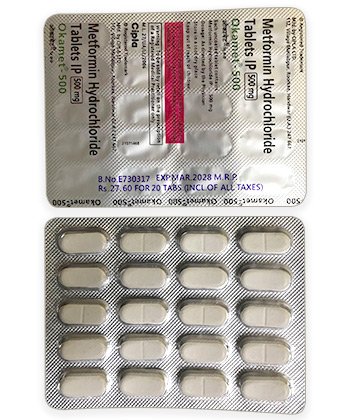


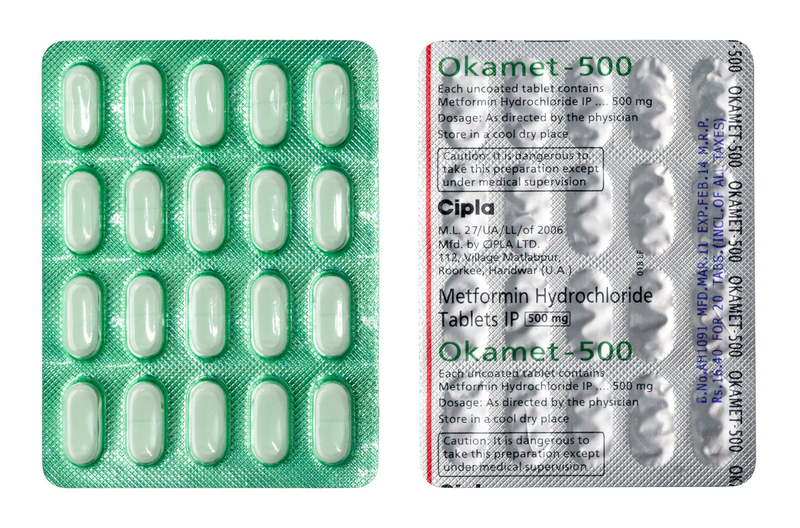
Critical Warnings, Safety And Patient Protection In The UK
Glucophage is the brand name many patients recognise, but the active ingredient is metformin hydrochloride, and it is a prescription-only oral medicine used most often for type 2 diabetes.
It is not suitable for everyone, and the main safety issue to understand is lactic acidosis, which is a rare but serious build-up of acid in the blood that can become life-threatening.
Put simply, the body is unable to clear acid properly, so urgent treatment is needed if warning signs appear.
- Do not take if: severe renal impairment is present with eGFR below 30 mL/min/1.73m².
- Do not take if: you have metabolic acidosis, including diabetic ketoacidosis.
- Do not take if: you have a known hypersensitivity to metformin.
- Seek emergency help via 999/A&E if: you develop severe weakness, deep or rapid breathing, marked sleepiness, confusion, stomach pain, vomiting, or feel suddenly very unwell.
- Contact a pharmacist, GP or NHS 111 promptly if: you have diarrhoea that does not settle, reduced fluid intake, an intercurrent infection, kidney concerns, liver disease, or you are due an iodinated contrast scan.
High-Risk Groups And When Glucophage May Need To Be Paused
Older adults need particular care because renal function can fall quietly with age, and that raises the risk of side effects and lactic acidosis.
Extra caution is also needed in people with kidney problems, liver problems, hypoxia, sepsis, heart failure, a recent myocardial infarction, or anyone who is acutely unwell and dehydrated.
Metformin may need to be paused before radiological studies using iodinated contrast, because contrast can affect kidney function and make the medicine less safe around the procedure.
If you are having a scan, a hospital admission, or a spell of poor oral intake, a quick medicines check with a pharmacist or prescriber is sensible.
Driving, Work Safety And Common UK Practical Concerns
Glucophage does not usually cause drowsiness on its own, and it is not known for causing direct impairment in the way some medicines do.
The main practical issue is whether your blood glucose is being controlled safely, especially if you are taking other diabetes medicines at the same time.
If you feel faint, shaky, confused, or unwell at work, do not push on through it, because those symptoms may need urgent review even if metformin is not the cause.
Can I Drive After Taking Glucophage?
Yes, most people can drive after taking Glucophage if they feel well and their diabetes is stable.
If you have symptoms of low blood glucose or are unwell with vomiting, dehydration, or confusion, do not drive until you have been assessed.
Basic Glucophage Information
- INN (International Nonproprietary Name): Metformin
- Brand names available in United Kingdom: Glucophage; generic metformin is also widely used in NHS prescribing
- ATC Code: A10BA02
- Forms & dosages: Standard tablets 500 mg, 850 mg, 1000 mg; extended-release 500 mg, 750 mg, 1000 mg; exclusively oral dosage
- Manufacturers in United Kingdom: Bristol Laboratories (UK), and other generic suppliers such as Teva, Zentiva, Sandoz, Mylan, Sun Pharma and Apotex may be seen in supply chains
- Registration status in United Kingdom: Prescription medicine used under UK medicines regulation and MHRA oversight
- OTC / Rx classification: Prescription (Rx) only in almost all countries
What Glucophage Is: InN, Brand Names And UK Positioning
Glucophage is the best-known brand name for metformin hydrochloride, a biguanide used mainly for diabetes care.
In UK practice, most patients are actually supplied with generic metformin tablets, but the Glucophage name still comes up often in surgery consultations and pharmacy collections.
Glucophage and Glucophage XR are internationally recognised names, and the strengths commonly seen are 500 mg, 850 mg and 1000 mg, with XR forms also available in 500 mg, 750 mg and 1000 mg.
The medicine is usually taken long term if it remains effective and well tolerated, and it is also sometimes used off-label for PCOS under clinician supervision.
Glucophage Versus Generic Metformin In UK Prescribing
Most NHS prescriptions are written for metformin, not a brand, because generic supply is standard and usually cost-effective.
Brand switching is common when pharmacies dispense from different approved suppliers, but the active ingredient remains the same.
Patients often ask whether metformin 500mg tablets are “the same” as Glucophage, and the answer is yes when the formulation and dose match.
Tablet Strengths, Modified-Release Forms And Packaging
Standard-release tablets are typically taken more than once daily, while modified-release versions are designed to release the drug more slowly and may be easier on the stomach for some people.
| Form | Common Strengths | Practical Note |
|---|---|---|
| Standard-release metformin tablets | 500 mg, 850 mg, 1000 mg | Usually taken with meals and titrated gradually |
| Glucophage XR / modified-release | 500 mg, 750 mg, 1000 mg | Often taken once daily, depending on the prescription |
For patients looking up metformin tablets or metformin 1g online, it helps to check whether the prescription is for standard-release or XR before accepting a substitute.
UK Legal Status, Prescription Route And Regulation
Glucophage and metformin are POM medicines in the UK, which means they must be prescribed by an authorised prescriber.
The MHRA oversees medicine safety and product regulation, while pharmacists support safe supply, counselling and checking for interactions.
This is not a general-sale medicine and not a pharmacy medicine, so UK patients should expect a prescription pathway rather than over-the-counter purchase.
NHS Prescription Pathway And Repeat Prescriptions
In routine NHS care, metformin is usually started or continued by a GP or diabetes team, then supplied through repeat prescriptions when the dose is stable.
Patients may collect it from a local pharmacy, have it delivered by a pharmacy service, or use an approved electronic prescription route where available.
MHRA, Safety Monitoring And Medicines Supervision
Because metformin can be unsafe in some kidney, liver and acute illness situations, medicine supervision matters as much as the dose itself.
Pharmacists in the UK often spot the practical problems first, such as a missed blood test, a dose that is too high for renal function, or a planned scan with contrast.
Can I Buy Glucophage Over The Counter In The UK?
No, you cannot legally buy Glucophage over the counter in the UK.
You need a valid prescription or an approved electronic prescription arrangement.
- POM
- Prescription Only Medicine, supplied only against a prescription.
- MHRA
- UK regulator responsible for medicines safety and authorisation.
- NHS repeat prescription
- A repeat supply arranged for a medicine that a prescriber wants continued.
- E-prescription
- A digital prescription sent directly to a pharmacy.
- Your name and date of birth.
- The prescription details, paper or electronic.
- Any recent renal blood results if your prescriber has requested them.
- Photo ID if the pharmacy asks for it under its own checking processes.
How Glucophage Works In The Body
Many patients are told metformin “lowers sugar”, but the mechanism is a bit more specific than that.
It mainly reduces the liver’s glucose output, helps the body respond better to insulin, and lowers blood glucose without directly forcing the pancreas to release extra insulin.
That is one reason it is useful in type 2 diabetes, where insulin resistance is often part of the problem.
Simplified Explanation For Patients
After swallowing the tablet, metformin hydrochloride is absorbed by mouth and then works over time rather than giving a quick “sugar crash” effect.
Modified-release versions may be better tolerated because the medicine is released more slowly through the day.
Clinical Terms For Medically Minded Readers
| Simple Explanation | Clinical Explanation |
|---|---|
| It helps the liver make less sugar. | It reduces hepatic glucose production. |
| It helps insulin work better. | It improves insulin sensitivity. |
| It does not usually cause extra insulin release. | It does not directly stimulate pancreatic insulin secretion. |
When tolerated and still needed for glycaemic control, it is usually continued as a chronic long-term treatment.
Who Glucophage Is Used For In The UK
The main UK indication is type 2 diabetes mellitus, where Glucophage is a first-line oral option.
It is usually started at 500 mg once or twice daily, then increased gradually as tolerated.
Some clinicians also use it off-label in PCOS or metabolic syndrome, but that depends on local practice and individual judgement.
NHS-Approved Use In Type 2 Diabetes
For diabetes care, the target is gradual dose building rather than rapid escalation.
That approach improves tolerance and makes it easier to see whether the medicine is helping blood glucose control.
Off-Label Use In PCOS And Metabolic Syndrome
Off-label use means the medicine is being prescribed for a use that is not the main approved indication, even though there may be a clear clinical reason for it.
Patients should not assume off-label use is routine or suitable for everyone, especially if pregnancy plans, kidney function or stomach tolerance are issues.
| Indication | Typical Starting Dose | Usual Maintenance | Maximum Dose |
|---|---|---|---|
| Type 2 diabetes | 500 mg once or twice daily | 1500–2000 mg/day | 2550 mg/day for immediate-release |
| PCOS, off-label | 500 mg once daily | 1000–1500 mg/day | 2000 mg/day |
Standard Dosing And Titration For UK Patients
Dosing works best when the medicine is started low and increased slowly.
That is especially important with metformin 500mg, because stomach upset is much less likely when tablets are taken with meals and the dose is stepped up carefully.
Usual maintenance for type 2 diabetes is often 1500–2000 mg a day, while the maximum for immediate-release is 2550 mg a day.
Starting Doses And Gradual Increase
A common pattern is to begin with one dose daily, then increase to twice daily, then continue titration if needed and tolerated.
The right pace depends on symptoms, renal function and blood glucose response.
- Start with the lowest suitable dose.
- Take tablets with meals to reduce stomach effects.
- Increase only as directed by the prescriber.
- Review kidney function before major dose changes if advised.
Immediate-Release Versus XR Dose Schedules
| Formulation | Typical Strengths | Timing | Maximum Dose |
|---|---|---|---|
| Immediate-release | 500 mg, 850 mg, 1000 mg | Usually with meals, often twice daily or more | 2550 mg/day |
| XR / modified-release | 500 mg, 750 mg, 1000 mg | Often once daily with an evening meal | Lower than immediate-release |
What If I Miss A Dose?
Take it when you remember unless it is close to the next dose.
Never double up to “catch up”.
Dose Adjustments For Children, Older Adults And Comorbidities
Glucophage is not just a matter of age, because kidney and liver function matter just as much.
Children aged 10 years and over may use it under specialist guidance, but younger children should not receive it without specific advice.
Older adults need careful review because lactic acidosis risk rises when renal function declines.
Children And Adolescents
In children and adolescents, starting doses are lower and specialist oversight is important.
Monitoring is needed to make sure the medicine is appropriate and effective for the age group.
Elderly Patients And Frailty
In frail or older patients, the dose should be matched to kidney function rather than age alone.
A seemingly normal dose can become unsafe if renal function has changed since the last blood test.
Renal And Hepatic Impairment
| Patient Group | Key Caution | Action |
|---|---|---|
| Children aged 10 years and over | Specialist oversight needed | Use lower starting doses |
| Older adults | Higher lactic acidosis risk | Adjust by renal function |
| Renal impairment | eGFR below 30 mL/min/1.73m² is contraindicated | Review urgently and reduce or stop as appropriate |
| Hepatic impairment | Generally contraindicated | Prescriber review required |
- Review urgently if kidney function has worsened.
- Review urgently if liver disease is diagnosed.
- Review urgently if you are dehydrated, septic or hypoxic.
- Review urgently before a contrast scan or hospital procedure.
Side Effects: Common, Expected And When To Seek Help
The most common side effects are gastrointestinal and often show up early in treatment.
People describe diarrhoea, nausea, vomiting, flatulence, abdominal pain, decreased appetite and sometimes a metallic taste.
Slow titration and XR tablets often help, and many patients settle after the first few weeks.
Common Stomach And Taste-Related Side Effects
| Common Effects | Serious Effects |
|---|---|
| Diarrhoea, nausea, vomiting, flatulence, abdominal pain, decreased appetite, metallic taste | Lactic acidosis |
Rare But Serious Adverse Events
Lactic acidosis is the key serious risk and is more likely in renal dysfunction, hepatic dysfunction and older age.
It can present with severe tiredness, breathing changes, stomach pain, vomiting, confusion or collapse.
- Seek urgent medical assessment if symptoms are severe or worsening.
- Call 999 or go to A&E if breathing is deep or rapid, or you feel faint or confused.
- Contact NHS 111 if you are unwell, dehydrated, or unsure whether to continue the medicine.
Drug, Food And Alcohol Interactions
Alcohol is worth mentioning because heavy intake can increase risk in some people, especially if there is dehydration or liver disease.
Food is usually helpful rather than harmful, because taking the tablet with meals improves tolerance.
Any medicine or illness that affects kidney function, hydration or oxygen levels should be reviewed with a pharmacist or GP.
Alcohol, Hydration And Meals
Patients often do better when Glucophage is taken with breakfast or an evening meal, depending on the regimen.
Good fluid intake matters, particularly during hot weather, vomiting or diarrhoea.
Common Medicines That Need Review
- Medicines that can affect kidney function.
- Medicines that may worsen dehydration.
- Medicines used around scans with iodinated contrast.
- Any new diabetes medicine added to metformin.
| Safe To Mention | Needs Caution | May Need Temporary Stop |
|---|---|---|
| Routine medicines and supplements | Alcohol, dehydration, kidney disease | Iodinated contrast scans, acute illness with hypoxia |
That is why UK pharmacists routinely ask about scans, infections and repeat medicines before dispensing.
Taking Glucophage Safely: Missed Doses, Overdose And Emergencies
If a dose is missed, take it as soon as remembered unless the next dose is near.
Never take two doses together.
In overdose, the major danger is life-threatening lactic acidosis, and immediate emergency help is needed.
Missed Dose Advice
Missing one dose is not usually an emergency, but repeated missed doses can affect glucose control.
If you are unsure about timing, ask a pharmacist rather than guessing.
Overdose Symptoms And Emergency Response
- Severe nausea or vomiting.
- Marked weakness or tiredness.
- Breathing that is deep, rapid or unusual.
- Confusion, collapse or loss of consciousness.
- Call 999 immediately if these symptoms occur.
In severe cases, hospital treatment and dialysis may be required.
Glucophage And Lifestyle, Diet And Self-Monitoring
Glucophage works best when it sits alongside day-to-day diabetes care rather than replacing it.
Balanced eating, movement, weight management where appropriate, and any monitoring advised by the diabetes team all still matter.
In UK primary care, practice nurses and pharmacists often reinforce dosing, meal timing and symptom checks at the point of supply.
Food, Timing With Meals And GI Tolerance
Taking the tablet with food usually reduces nausea and diarrhoea.
That simple step often makes the difference between a patient stopping early and staying on treatment.
Blood Glucose Monitoring And Symptom Diaries
- Hypoglycaemia
- Low blood glucose, which may cause shaking, sweating or confusion.
- HbA1c
- A blood test showing average glucose control over the previous few months.
- Self-monitoring
- Checking symptoms or blood glucose at home if the clinician advises it.
- Eat regular meals if advised.
- Stay hydrated.
- Record stomach symptoms if they start after dose changes.
- Attend blood test reviews when requested.
How To Get Glucophage In The UK: NHS, Pharmacies And Online Services
Most UK patients get Glucophage through a GP prescription, repeat prescription or NHS e-prescription that goes straight to the chosen pharmacy.
It can be dispensed by community pharmacies across the country, including major chains such as Boots, LloydsPharmacy and Superdrug where services are available locally.
Online pharmacies have become more common, but only use a service that is properly registered with the GPhC.
In our online pharmacy, glucophage is available without a prescription, with discreet delivery to United Kingdom in 5-14 days.
Community Pharmacy Collection And Counselling
Collection from a local pharmacy is still the most familiar route for many patients.
It gives a chance for counselling on dose, missed doses, side effects and interactions, which is especially useful when a brand or strength changes.
Online Pharmacies And Electronic Prescriptions
E-prescriptions reduce paperwork and can speed up supply, especially for repeat medicines.
Before ordering online, patients should check the pharmacy registration and make sure the medicine matches the prescribed formulation.
Regional Prescription-Cost Differences Across The UK
| UK Nation | Prescription Charge | Practical Note |
|---|---|---|
| England | Charges apply | Some patients qualify for exemptions |
| Scotland | Generally no charge | NHS medicines are usually free at point of supply |
| Wales | Generally no charge | NHS medicines are usually free at point of supply |
| Northern Ireland | Generally no charge | NHS medicines are usually free at point of supply |
- Check the pharmacy is GPhC-registered.
- Confirm the exact strength and release type.
- Keep prescription details safe.
- Use a secure payment and delivery process.
Cost, Availability And Generic Alternatives
In NHS practice, patients usually receive generic metformin rather than the branded Glucophage product.
That depends on local formulary choice, supply and what the prescriber has written.
Different manufacturers and pack sizes exist, but UK access is mainly through prescription supply chains rather than retail shelves.
Brand Versus Generic In UK Practice
Brand and generic versions should contain the same active ingredient, but the packaging and appearance can change between manufacturers.
That is normal and does not necessarily mean the medicine has changed in a harmful way.
Supply, Pack Sizes And Medicine Switching
| Brand | Form | Practical Note |
|---|---|---|
| Glucophage | Standard-release tablets | Recognised brand, but not the most common NHS supply route |
| Glucophage XR | Modified-release tablets | May be used when once-daily dosing is appropriate |
| Generic metformin | Standard-release and XR | Most common in UK prescribing |
Suppliers such as Bristol Laboratories (UK) may appear in the supply chain alongside other generic manufacturers.
Alternatives To Glucophage In UK Diabetes Care
Other NHS-used medicines may be chosen if metformin is not enough, not tolerated, or not suitable because of kidney function or another clinical issue.
These decisions are usually guided by HbA1c, weight, cardiovascular risk and renal function.
When Alternatives May Be Considered
A prescriber may move to another medicine if stomach side effects remain troublesome, if glycaemic targets are not being met, or if metformin is contraindicated.
Pros And Cons Of Common Options
| Medicine | Class | Potential Benefit | Common Drawback / Caution |
|---|---|---|---|
| Gliclazide | Sulphonylurea | Can lower glucose effectively | May cause hypoglycaemia |
| Sitagliptin | DPP-4 inhibitor | Often well tolerated | May be less effective than some other options |
| Dapagliflozin | SGLT2 inhibitor | Useful in some patients with heart or kidney issues | Requires suitability review |
| Empagliflozin | SGLT2 inhibitor | Another option in selected patients | Needs careful patient selection |
| Pioglitazone | Thiazolidinedione | Can improve insulin sensitivity | Not suitable for everyone |
- Pros: familiar, effective, cheap and widely used.
- Pros: long track record in NHS care.
- Cons: stomach side effects can limit use.
- Cons: kidney and acute illness cautions must be respected.
United Kingdom Patient FAQs And Pharmacist-Style Guidance
Patients usually want the practical answers, not the textbook version.
Here are the questions that come up most often in UK consultations.
Common Questions From UK Patients
- How long does it take to work? Blood glucose effects build over time, and the full benefit is usually assessed after ongoing use.
- Will it cause weight loss? Some patients ask this, but weight change is not guaranteed and should not be the main reason for use.
- Is it used for PCOS? Yes, sometimes off-label, but only when a clinician thinks it is suitable.
- What if my stomach is upset? Take it with meals, speak to a pharmacist, and ask whether XR would be more suitable.
- When are blood tests needed? Kidney function and diabetes review bloods are usually checked as advised by the prescriber.
When To Contact A GP, Pharmacist Or NHS 111
Contact a pharmacist if a brand switch, a new medicine or a missed prescription leaves you unsure about the next dose.
Contact a GP if your side effects are persistent, your diabetes control is slipping, or you have new kidney or liver concerns.
Contact NHS 111 if you are unwell and unsure whether to continue treatment, especially with vomiting, dehydration or infection.
Is Glucophage The Same As Metformin?
Yes, Glucophage is a brand name for metformin hydrochloride.
The active ingredient is metformin, and the word Glucophage usually refers to a branded product rather than a different medicine.
Why Did My Pharmacist Change The Brand?
Brand changes usually happen because of supply, formulary or dispensing differences, not because the medicine has become a different treatment.
As long as the strength and release type match, the active ingredient remains the same.
- Glucophage
- A brand of metformin hydrochloride.
- Metformin
- The INN used for the active ingredient.
- XR
- Extended-release or modified-release formulation.
- Modified-release
- A formulation that releases the medicine more slowly over time.
Delivery Across United Kingdom
| City | Region | Delivery time |
|---|---|---|
| London | England | 5-7 days |
| Birmingham | England | 5-7 days |
| Manchester | England | 5-7 days |
| Glasgow | Scotland | 5-7 days |
| Edinburgh | Scotland | 5-7 days |
| Cardiff | Wales | 5-7 days |
| Belfast | Northern Ireland | 5-7 days |
| Liverpool | England | 5-9 days |
| Leeds | England | 5-9 days |
| Sheffield | England | 5-9 days |
| Bristol | England | 5-9 days |
| Leicester | England | 5-9 days |
| Coventry | England | 5-9 days |
| Newcastle upon Tyne | England | 5-9 days |