
Dulcolax
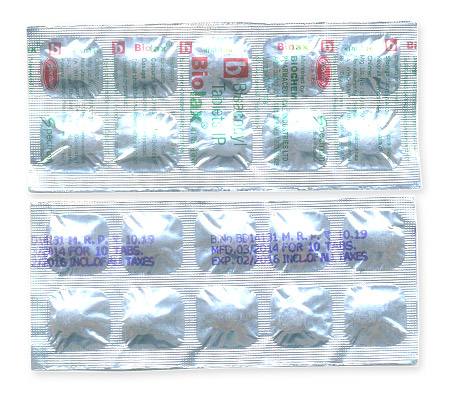
Dulcolax
- In our pharmacy, you can buy dulcolax without a prescription, with delivery in 2–7 days throughout the United Kingdom. Discreet and anonymous packaging.
- Dulcolax is used for occasional constipation and for short-term bowel cleansing before procedures; it is a stimulant laxative (bisacodyl) that increases colon peristalsis and fluid secretion.
- The usual dose is: adults oral 5–10 mg once daily (1–2 tablets) or a 10 mg suppository as a single dose; for bowel evacuation 10–20 mg orally the night before then a 10 mg suppository in the morning. Children >6 years: oral 5 mg or rectal 5–10 mg; consult a physician for <6 years. Do not use for more than 1 week without medical advice.
- Administration forms: enteric‑coated oral tablets (5 mg), rectal suppositories (10 mg) and rectal enema solution (10 mg/30 mL).
- Onset time: oral tablets typically work within 6–12 hours (often overnight); suppositories within 15–60 minutes; enemas within 5–20 minutes.
- Duration of action: usually produces a single bowel evacuation and effects may persist for several hours; treatment should be short‑term.
- Avoid alcohol while using dulcolax, as it may worsen dehydration and electrolyte disturbances; ensure adequate fluid intake.
- The most common side effect is abdominal cramps.
- Would you like to try dulcolax without a prescription?
Dulcolax
Basic Dulcolax Information
- INN (International Nonproprietary Name): Bisacodyl
- Brand Names Available In United Kingdom: Dulcolax; Fleet (rectal forms); marketed as tablets, suppositories and enemas in the UK and internationally
- ATC Code: A06AB02 — Laxatives, stimulant laxatives for oral or rectal use
- Forms & Dosages: Tablet (enteric) 5 mg — blister packs (10, 20, 30 units); Suppository 10 mg — foil pouch (5, 6, 10 units); Enema solution 10 mg/30 mL — single‑use bottle
- Manufacturers In United Kingdom: Brand holders and licencees vary by market; Sanofi and Rottapharm/Madaus are listed among European suppliers and historical owners
- Registration Status In United Kingdom: Generally authorised as an OTC medicine; some procedural/high‑dose regimens supplied on prescription
- OTC / Rx Classification: Over‑the‑counter (OTC) in most settings for short‑term use; prescription (POM) may be required for higher or clinician‑directed regimens
Critical Warnings & Restrictions
High‑Risk Groups (Elderly, Pregnancy, Chronic Illness)
Never start or continue dulcolax if there are signs of bowel obstruction or ileus.
Avoid use with severe abdominal pain accompanied by nausea or vomiting, or if appendicitis is suspected.
Stop and do not use if there is a known hypersensitivity to bisacodyl or any excipient listed in the patient information leaflet.
Elderly patients face a higher risk of dehydration and electrolyte disturbance when using stimulant laxatives.
Use the lowest effective short‑course dose in older adults and arrange clinician review for persistent or chronic constipation.
During pregnancy or breastfeeding, bisacodyl should only be used if clearly needed after discussion with a clinician.
Children under 6 years must see a doctor before use.
Children aged 6–12 years should follow paediatric dosing and seek pharmacist advice before use.
Interaction With Activities (Driving, Workplace Safety Under UK Law)
Bisacodyl can cause abdominal cramps, faintness or dizziness in some people.
If you experience dizziness, faintness or urgent diarrhoea, do not drive or operate machinery until you feel well again.
Under UK law you must not drive if you are unfit through medication or illness; this includes effects caused by laxatives.
Pharmacists should advise patients to plan activities around the likely onset of action and avoid driving if they feel unwell.
Q&A — “Can I Drive After Taking It In The UK?”
Short answer: usually yes, provided you feel well and have not developed dizziness, faintness or urgent diarrhoea.
If any of those symptoms occur, delay driving and seek advice from a pharmacist or GP.
Driving while unfit through medication may be illegal under UK law, so always follow professional guidance.
- Checklist For Red‑Flags: severe abdominal pain, persistent vomiting, signs of bowel obstruction, fainting, sudden severe diarrhoea.
- Patient Safety Checklist: confirm you feel well, have adequate fluids, avoid alcohol until effects are known, do not drive if dizzy or faint.
Usage Basics
INN, Brand Names Available In The UK
The active ingredient is bisacodyl (INN).
In the UK bisacodyl is commonly marketed as Dulcolax and rectal forms are also available under the Fleet name.
Available over the counter are enteric 5 mg tablets, 10 mg suppositories and single‑use 10 mg/30 mL enemas.
Legal Classification (POM, P, GSL)
Bisacodyl is generally available OTC as a General Sales List (GSL) or Pharmacy (P) medicine for short‑term use in many markets.
Higher‑dose or procedural regimens may be supplied on prescription (POM) in clinical settings and will follow local product licences and MHRA guidance.
- INN — Bisacodyl
- Brand — Dulcolax; Fleet (rectal)
- Forms — 5 mg enteric tablet, 10 mg suppository, 10 mg/30 mL enema
- Typical pack sizes: tablets in 10/20/30 blisters; suppositories in packs of 5/6/10; enemas as single bottles.
- Routes: oral (enteric tablet) and rectal (suppository, enema).
Dosing Guide
Standard Regimens (NHS Guidelines)
For occasional constipation in adults, oral enteric tablets are usually 5–10 mg once daily, with 5 mg often used to start.
For faster relief a single 10 mg rectal suppository may be used.
For bowel evacuation prior to procedures a common clinician‑directed regimen is 10–20 mg orally the night before plus a 10 mg suppository on the morning of the procedure.
Do not use for longer than one week without medical review to avoid dependency and to investigate causes of chronic constipation.
Adjustments For Comorbidities
No routine dose adjustment is usually required for renal or hepatic impairment.
Use caution in elderly, dehydrated patients, or those on diuretics or other drugs affecting electrolytes and seek clinician advice.
Q&A — “What If I Miss A Dose?”
If a dose is missed, skip it if the next dose is due soon and do not double the dose to catch up.
For bowel preparation follow the timing instructions given by the clinician exactly rather than improvising a missed dose.
| Form | Typical Dose | Onset | Notes |
|---|---|---|---|
| Enteric Tablet | 5–10 mg once daily | 6–12 hours | Swallow whole with water; do not chew |
| Suppository | 10 mg single dose (adults) | Minutes to 1 hour | Use for rapid relief; may cause rectal irritation |
| Enema | 10 mg/30 mL single use | Rapid (minutes) | Often used in clinical bowel‑prep settings |
- Pre‑Procedure Timing Checklist: follow clinician instructions; typical night‑before oral dose then morning rectal dose for many regimens.
Interaction Chart
Food And Drinks (Alcohol, Tea/Coffee, Diet Habits)
Bisacodyl tablets are enteric‑coated; swallow whole with water to reach the colon intact.
Avoid taking tablets with milk or antacids which may dissolve the coating prematurely and cause gastric irritation.
Alcohol does not change bisacodyl pharmacokinetics but can worsen dehydration if diarrhoea occurs, so advise moderation and good hydration.
Common Drug Conflicts (MHRA Yellow Card Data)
Concomitant use with other laxatives increases the risk of severe diarrhoea and electrolyte imbalance.
Diuretics, corticosteroids and cardiac glycosides may increase susceptibility to electrolyte disturbances when severe diarrhoea occurs.
Report suspected adverse reactions via the MHRA Yellow Card scheme.
| Drug Class | Risk | Action |
|---|---|---|
| Osmotic/Other Laxatives | Increased diarrhoea and electrolyte loss | Avoid combined use unless advised by clinician |
| Diuretics | Higher risk of dehydration/electrolyte imbalance | Monitor fluids, consider GP review |
| Cardiac Glycosides | Risk of arrhythmia from electrolyte changes | Seek medical review if diarrhoea occurs |
| Antacids/Milk | May dissolve enteric coating — gastric irritation | Take tablets with water only; avoid milk/antacids at same time |
- High‑Risk Concomitants: diuretics, cardiac glycosides, corticosteroids, concurrent stimulant or osmotic laxatives.
- Reporting: encourage MHRA Yellow Card reporting for suspected reactions.
User Reports & Trends
Patients often report fast, reliable action from rectal forms and predictable timing with tablets, usually within 6–12 hours for oral doses.
Common patient concerns include abdominal cramping, urgency and loose stools after use.
Many users reserve stimulant laxatives for occasional constipation or procedural prep and prefer osmotic agents for longer‑term or chronic problems.
Parents frequently report rectal suppositories work quickly for acute paediatric constipation but may cause local irritation.
There is a noticeable trend towards online purchase and a strong desire for pharmacist counselling at the point of sale.
- Top Patient‑Reported Benefits: quick onset (especially suppositories), predictable relief, OTC access.
- Top Patient‑Reported Adverse Effects: cramps, urgency, diarrhoea, rectal irritation with suppositories.
Forum themes paraphrased: “worked overnight when tablets were taken before bed” and “suppositories cleared the blockage quickly but caused sore rectum”.
Seek professional advice if symptoms persist or if there are recurrent episodes of constipation.
Access & Purchase Options
Boots, LloydsPharmacy, Superdrug
Dulcolax and equivalent bisacodyl products are widely available OTC at high‑street chains such as Boots, LloydsPharmacy and Superdrug, plus independent pharmacies.
Pharmacists routinely advise on dose, duration and warnings at purchase.
Prescription supply for procedural regimens is available via NHS GPs or private prescribers.
Online Pharmacies And NHS E‑Prescriptions
Registered UK online pharmacies and e‑prescription services increasingly supply dulcolax; always choose MHRA‑registered or GPhC‑registered websites and verify product labelling and batch details.
For NHS prescriptions: patients in England may pay a prescription charge unless exempt, while prescriptions are free in Scotland, Wales and Northern Ireland.
In our online pharmacy, dulcolax is available without a prescription, with discreet delivery to United Kingdom in 5‑14 days.
- Checklist For Safe Online Purchase: visible licensed pharmacy logo, patient information leaflet, batch number and expiry on packaging.
- What To Ask The Pharmacist: appropriate dose for age, duration, interactions, and whether a different laxative is more suitable for chronic symptoms.
Mechanism & Pharmacology
Simplified Explanation
Bisacodyl is a stimulant (contact) laxative that increases colonic peristalsis and stimulates secretion of water and electrolytes into the bowel.
Its ATC code is A06AB02, classifying it among oral and rectal stimulant laxatives.
Clinical Terms
Enteric coating on tablets prevents gastric irritation and delays release until the colon where the active metabolite is produced.
Rectal suppositories and enemas act locally in the rectum and distal colon and provide a faster onset of action.
Adverse effects mainly reflect excessive stimulation: cramps, diarrhoea and fluid/electrolyte loss.
- Mechanism: stimulates colon motility and secretion.
- Onset: suppositories/enemas minutes–1 hour; oral tablets commonly 6–12 hours.
- Route: oral enteric tablets, rectal suppositories, rectal enemas.
Indications & Off‑Label Uses
MHRA‑Approved Uses
Registered indications include treatment of occasional constipation in adults and children (product age limits vary) and short‑term bowel cleansing before surgery or colonoscopy.
OTC licences cover typical dosages for short‑term symptomatic relief.
Off‑Label Practices In NHS And Private Care
Off‑label use may occur within specialist bowel preparation regimens or paediatric protocols, but this should follow consultant or gastroenterology guidance and documented consent.
Chronic daily use is not recommended because it may mask underlying pathology; persistent constipation requires diagnostic evaluation.
- Approved Indications: occasional constipation, short‑term bowel cleansing for procedures.
- Off‑Label Caveats: specialist regimens must be clinician‑directed and documented.
- Checklist Before Off‑Label Use: obtain consent, document rationale, arrange monitoring for electrolytes and symptoms.
Key Clinical Findings
Recent guideline summaries and systematic reviews support stimulant laxatives like bisacodyl for short‑term relief of occasional constipation and for bowel evacuation when used in recommended regimens.
Bisacodyl is more effective than placebo for producing bowel movements faster but has higher rates of cramping and diarrhoea than osmotic agents.
Clinical practice emphasises short duration of use (usually ≤7 days) and evaluation for underlying causes if longer treatment is needed.
For bowel preparation, bisacodyl is effective as part of multi‑agent regimens but must follow local NHS colonoscopy protocols.
- Efficacy vs Safety: effective for rapid relief; safety concerns focus on cramps and fluid/electrolyte loss.
- Clinical Advice: use short courses and refer persistent cases for investigation.
| Outcome | Summary |
|---|---|
| Time To Bowel Movement | Oral tablets typically 6–12 hours; suppositories faster. |
| Adverse Events | Higher rates of cramps and diarrhoea versus osmotic agents. |
Alternatives Matrix
NHS Prescribing Alternatives (Comparison Table)
| Agent | Mechanism | Onset | Typical Use | Pros/Cons |
|---|---|---|---|---|
| Bisacodyl (Dulcolax) | Stimulant | 6–12 h (oral) | Occasional constipation, bowel prep | Pros: rapid (rectal); Cons: cramps, dehydration risk |
| Senna (Sennosides) | Stimulant | 6–12 h | Occasional constipation | Similar profile to bisacodyl; counselling required |
| Polyethylene Glycol (Movicol/Forlax) | Osmotic | 24–48 h | Chronic constipation | Gentler for long‑term use; slower onset |
| Lactulose | Osmotic | 24–48 h | Chronic constipation, hepatic encephalopathy | Useful long‑term; tastes sweet, slower |
| Glycerol Suppositories | Osmotic/local | Minutes–hours | Infants and young children | Local action, minimal systemic effects |
Pros And Cons Checklist
- Bisacodyl Pros: rapid action, OTC availability.
- Bisacodyl Cons: cramps, dehydration risk, short‑term use only.
- Osmotic Agents Pros: gentler for chronic use; Cons: slower onset.
- Senna: similar stimulant effect; choose with counselling on duration.
- Choosing An Agent Checklist: patient age, comorbidities, speed required, prior response to laxatives.
Common Questions
Q: Can I take Dulcolax every day?
A: No — do not use for more than one week without clinical review; chronic use needs investigation of underlying causes.
Q: How quickly will it work?
A: Rectal forms act fastest (minutes–1 hour); oral tablets typically 6–12 hours.
Q: Is it safe in pregnancy?
A: Use only if clearly needed after discussion with a clinician; try lifestyle measures first.
Q: What are common side effects?
A: Abdominal cramps, diarrhoea, nausea and faintness; suppositories can cause rectal irritation.
- When To Seek Urgent Medical Care: severe abdominal pain, persistent vomiting, signs of dehydration (dizziness, low urine output), or any bleeding from the rectum.
NHS Cost & Access Comparison
| Source/Pharmacy | Typical OTC Price Bracket | Availability / Pack Sizes |
|---|---|---|
| Boots | Low‑Medium | Tablets 10/20; Suppositories 5/6 |
| LloydsPharmacy | Low‑Medium | Tablets and suppositories; pharmacist advice available |
| Superdrug | Low‑Medium | Tablets and suppositories; online collection |
| Independent Pharmacies | Variable | Often stock generic bisacodyl and branded Dulcolax |
| Region | NHS Prescription Charge | Notes |
|---|---|---|
| England | Prescription charge applies unless exempt | Check exemptions (age, benefits, low income) |
| Scotland | Prescriptions free | Residents do not pay prescription charges |
| Wales | Prescriptions free | Residents do not pay prescription charges |
| Northern Ireland | Prescriptions free | Residents do not pay prescription charges |
- Checklist For Saving On Cost: check prescription exemption status, consider generic bisacodyl, buy appropriate pack size rather than unnecessary bulk.
Registration & Regulation
MHRA Approval Process
Bisacodyl products are authorised nationally and may hold OTC licences in many countries.
Manufacturers and licence holders vary; Sanofi and Rottapharm/Madaus are among documented suppliers.
Report adverse reactions to the MHRA Yellow Card scheme in the UK.
NHS Prescribing Framework
NHS guidance separates OTC self‑care from prescriptions used for procedural bowel preparation.
Local formularies may prefer specific agents such as PEG for chronic constipation and clinicians should follow trust protocols for bowel prep.
- Manufacturer Examples: Sanofi, Rottapharm/Madaus (local licence holders vary).
- Regulatory Actions: check MHRA for current product licences and safety updates.
- OTC vs Rx Flowchart (Short): symptomatic occasional constipation → OTC; procedural bowel prep or higher dose → prescription and clinician direction.
Storage & Handling
UK Household Storage (Cold/Damp Climate)
Store at room temperature below 25°C, away from moisture and direct sunlight.
Keep all medicines out of reach and sight of children.
Suppositories must be protected from excess heat to prevent melting, including avoiding leaving packs in cars during warm weather.
Guidance From NHS And Pharmacists
Keep the original packaging for batch and expiry details and read the patient information leaflet for excipient warnings.
If supply is from an online pharmacy, confirm the item arrives sealed with clear labelling and batch number.
- Storage & Transport Checklist: room temperature (<25°C), avoid damp areas (bathroom), keep sealed and away from heat sources.
- Disposal: return expired or unwanted medicines to a pharmacy medicine take‑back scheme.
- Pharmacist Counselling Points: show correct administration, warn about avoiding milk/antacids, advise hydration and red‑flag symptoms.
Guidelines For Proper Use
UK Pharmacist Counselling Style
Confirm the indication and expected short duration of use at each sale.
Check patient age, pregnancy/breastfeeding status and current medicines, especially diuretics and cardiac drugs.
Explain correct administration: swallow enteric tablets whole with water and avoid milk or antacids around dosing.
Warn about likely onset and potential adverse effects and advise on hydration.
Provide clear red‑flag safety actions: stop and seek urgent care for severe pain, persistent vomiting or bleeding.
NHS Patient Safety Advice
Advise short‑course use only and arrange GP review for constipation that lasts beyond seven days.
Encourage lifestyle measures such as increased fibre, adequate fluids and regular activity alongside medication where appropriate.
Document advice and encourage Yellow Card reporting for suspected adverse reactions.
- Counselling Checklist: indication, dose, duration, interactions, pregnancy status, hydration advice, red‑flags.
- Patient Handout Template (Tips): take at bedtime for oral tablets, expect action within 6–12 hours, keep fluids up, seek GP if longer than 7 days.
Delivery Across United Kingdom
| City | Region | Delivery Time |
|---|---|---|
| London | England | 5‑7 days |
| Birmingham | England | 5‑7 days |
| Manchester | England | 5‑7 days |
| Glasgow | Scotland | 5‑7 days |
| Edinburgh | Scotland | 5‑7 days |
| Leeds | England | 5‑7 days |
| Liverpool | England | 5‑7 days |
| Bristol | England | 5‑7 days |
| Sheffield | England | 5‑7 days |
| Nottingham | England | 5‑7 days |
| Newcastle Upon Tyne | England | 5‑7 days |
| Cardiff | Wales | 5‑7 days |
| Belfast | Northern Ireland | 5‑7 days |
| Southampton | England | 5‑9 days |
| Aberdeen | Scotland | 5‑9 days |