Sleepose
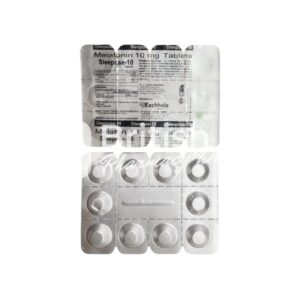
In brief
- Sleepose is sold over the counter in pharmacies and via Indian e‑pharmacies and can be purchased without a prescription; availability in other countries may vary and in some places melatonin is prescription‑only.
- Sleepose contains melatonin and is used for insomnia, jet lag, delayed sleep phase and stress‑related sleep problems; melatonin is a natural hormone that acts on MT1 and MT2 receptors in the brain to regulate circadian rhythms and promote sleep.
- The usual dosage for Sleepose 20 Tablet DT is one disintegrating tablet (20 mg) as directed by a physician, though many melatonin preparations use lower doses and dosing should be individualised.
- The form of administration is an orally disintegrating tablet placed on the tongue to dissolve and be swallowed.
- Onset of effect is typically within 20–60 minutes, though individual response may vary.
- Duration of action is generally around 4–8 hours depending on dose and individual metabolism.
- Do not consume alcohol while taking Sleepose, as alcohol can increase sedation and impair sleep quality.
- The most common side effect is drowsiness; other reported effects include headache, nausea, abdominal cramps, confusion and irritability.
- Would you like to try sleepose without a prescription?
Critical Warnings & Restrictions
Basic Sleepose Information
- INN (International Nonproprietary Name): melatonin.
- Brand Names Available In United Kingdom: not specified.
- ATC Code: N05CX02.
- Forms & Dosages: disintegrating tablet (DT); melatonin 20 mg (likely).
- Manufacturers In United Kingdom: not specified.
- Registration Status In United Kingdom: not specified.
- OTC / Rx Classification: Over-the-counter (OTC) in source data.
High-Risk Groups (Elderly, Pregnancy, Chronic Illness)
Pregnancy and breastfeeding are listed as absolute contraindications for Sleepose in the product brief.
Patients who are pregnant or breastfeeding should consult a GP or obstetrician before taking melatonin.
Autoimmune disease is flagged as an absolute contraindication and patients with immune‑mediated conditions should not self‑medicate.
Elderly patients face higher risk of prolonged drowsiness, falls and confusion with melatonin use.
Start low and review regularly in older adults to reduce fall and confusion risk.
There is no specific Sleepose data for liver or renal impairment listed in the product information.
Patients with hepatic or renal disease should seek specialist advice before using melatonin.
Use: Checklist For Clinicians/Pharmacists To Review Patient History
- Confirm pregnancy or breastfeeding status.
- Ask about autoimmune disease and other immune‑mediated conditions.
- Review comorbidities including liver or kidney impairment.
- List current medicines with particular attention to sedatives and antidepressants.
- Check driving, work role and safety‑critical employment.
- Document prior response to sleep aids and any history of falls or confusion.
Interaction With Activities (Driving, Workplace Safety Under UK Law)
Melatonin commonly causes drowsiness, impaired concentration and slowed reaction times.
UK road‑safety law and workplace safety regulations require that patients must not drive or operate heavy machinery until they know how a dose affects them.
Employers may require fitness‑for‑work clearance for safety‑sensitive roles when sedative medicines are used.
Q&A — “Can I Drive After Taking It In The UK?”
Q: Can I drive after taking Sleepose?
A: No routine assurance can be given.
A: Because melatonin commonly causes drowsiness and confusion, patients should not drive, ride a motorcycle or operate heavy machinery for at least 24 hours after an unfamiliar or high dose such as 20 mg.
A: Follow the prescribing clinician’s advice if Sleepose is prescribed in the UK and check employer or DVLA guidance for safety‑critical roles.
A: Report adverse effects to the MHRA Yellow Card scheme.
- Practical tip: Try the dose on a non‑working day to assess effects before driving.
- Practical tip: Avoid alcohol or other sedatives on the same night.
- Practical tip: If you feel sleepy or impaired the next day, do not drive and seek advice from a pharmacist or GP.
Usage Basics
INN, Brand Names Available In The UK
- INN: melatonin.
- Sleepose 20 Tablet DT is primarily marketed in India and contains melatonin 20 mg.
- In the UK, licensed melatonin products include Circadin prolonged‑release 2 mg which is prescription‑only.
- Patients may search for “Sleepose” online but supply and legal status differ by country.
- Meloset and Circadin are examples of melatonin products seen internationally and in European markets.
Legal Classification (POM, P, GSL)
- POM: Prescription Only Medicine — a medicine that must be supplied on a prescription.
- P: Pharmacy medicine — supplied by a pharmacist without a prescription in some cases.
- GSL: General Sales List — can be sold in shops without pharmacist supervision.
- Checklist For Patients Considering Import: check licence status, ask for batch and expiry details, ensure MHRA registration of supplier where possible, and consult your GP or pharmacist before ordering.
Dosing Guide
Standard Regimens (NHS Guidelines)
NHS guidance for prescribed melatonin such as Circadin 2 mg prolonged‑release uses lower doses with specialist oversight, especially in children.
Licensed UK regimens typically use nightly administration at the same time to assist sleep onset and maintenance.
Sleepose contains melatonin 20 mg in a disintegrating tablet, a dose far higher than commonly used in the UK.
High doses increase the risk of side effects and are not equivalent to controlled‑release low doses used in licensed UK products.
Always follow a prescriber’s direction and do not self‑dose with imported high‑strength preparations.
| Product | Typical Dose | Formulation |
|---|---|---|
| Sleepose | 20 mg | Disintegrating Tablet (DT) |
| Circadin | 2 mg | Prolonged‑Release Tablet |
| Meloset | 3 mg | Tablet / Capsule |
Adjustments For Comorbidities
Reduce dose or avoid melatonin in elderly patients and those with hepatic impairment.
Monitor closely when melatonin is combined with other sedatives because of additive central nervous system depression.
Watch for interactions with opioids, benzodiazepines, z‑drugs such as zopiclone and zolpidem, antihistamines and alcohol.
Q&A — “What If I Miss A Dose?”
Q: Missed dose?
A: If you miss a dose, do not double up.
A: Take the next dose at the usual time.
A: If unsure, contact your GP or pharmacist for advice.
A: For overdose or severe symptoms such as prolonged vomiting, severe dizziness or fainting, seek urgent medical attention or call NHS 111.
- Checklist: do not take extra doses to make up for a missed dose.
- Checklist: keep the medication packet and bring it when seeking medical help for overdose.
Interaction Chart
Food And Drinks (Alcohol, Tea/Coffee, Diet Habits)
Alcohol increases sedation and may alter melatonin metabolism; avoid alcohol while taking melatonin.
Caffeine from tea or coffee can counteract the intended sedative effect but will not prevent adverse effects like dizziness.
Grapefruit juice can affect hepatic metabolism of certain drugs; there is no clear Sleepose data but caution is advised.
| Food/Drink | Interaction | Action |
|---|---|---|
| Alcohol | Increases sedation | Avoid on nights you take melatonin |
| Caffeine (tea/coffee) | May reduce sedative effect | Avoid close to bedtime if using melatonin |
| Grapefruit Juice | Possible CYP interaction with some drugs | Use caution and seek pharmacist advice |
Common Drug Conflicts (MHRA Yellow Card Data)
- Pharmacodynamic interactions include additive sedation with benzodiazepines, z‑drugs such as zopiclone and zolpidem, opioids, and sedating antihistamines like diphenhydramine or promethazine.
- Pharmacokinetic interactions are possible with some antidepressants and antiepileptics via CYP pathways; individual review is required.
- Encourage patients and clinicians to report suspected interactions to the MHRA Yellow Card scheme.
| Drug Class | Interaction Risk | Recommended Action |
|---|---|---|
| Benzodiazepines | High — additive sedation | Consider dose reduction; avoid combination if possible |
| Z‑Drugs (zopiclone, zolpidem) | High — increased drowsiness | Monitor closely; counsel on driving risks |
| Opioids | High — respiratory and CNS depression | Avoid combination where possible; urgent review if sedation noted |
| Antidepressants | Variable — CYP interactions possible | Check specific agent; seek specialist advice if needed |
User Reports & Trends
Patients commonly report easier sleep onset when melatonin is used for jet lag or shift work.
Reports show variable benefit for chronic primary insomnia and mixed patient satisfaction on UK forums and patient platforms.
Common side effects recorded include daytime sleepiness, headaches, nausea, vivid dreams and mood changes.
Patients often self‑trial OTC melatonin doses, but UK prescribers caution against unregulated or imported high‑dose products.
There is a growing interest online in “Sleepose 20 mg” and other high‑dose melatonin products, generating queries at community pharmacies.
- Common themes: quick sleep onset for short‑term use, variable longer‑term benefit, concerns about next‑day drowsiness.
- Common themes: queries about safety for children and interactions with antidepressants.
| Outcome | Number Of Reports (Illustrative) |
|---|---|
| Positive (sleep onset improvement) | Higher proportion in short‑term/jet lag users |
| Adverse (daytime sleepiness, headache) | Moderate proportion, dose‑dependent |
Access & Purchase Options
Boots, LloydsPharmacy, Superdrug
- High‑street chains supply licensed sleep aids and provide pharmacist counselling.
- Licensed melatonin formulations require a prescription and can be supplied in these chains with a prescription.
- Pharmacists can advise on alternatives such as short‑term antihistamine‑based OTC aids, while explaining their different risk profiles.
Online Pharmacies And NHS E‑Prescriptions
Electronic repeat prescriptions and private e‑prescriptions are common in NHS and private care.
Patients should be warned about importing medications as unverified imports may lack quality controls.
In our online pharmacy, sleepose is available without a prescription, with discreet delivery to United Kingdom in 5-14 days.
| Supply Route | Pros | Cons |
|---|---|---|
| High‑Street Pharmacy | In‑person counselling and returns | Prescription needed for licensed melatonin |
| Online UK Pharmacy | Convenience and e‑prescription handling | Ensure MHRA registration and pharmacist contact |
| Import Sites | May supply non‑UK products | Quality and legal status may be unclear |
- Checklist For Safe Purchase: verify MHRA registration of the seller, confirm UK return address, ensure pharmacist contact details are available, check batch and expiry details before use.
Mechanism & Pharmacology
Simplified Explanation
- Melatonin is an endogenous hormone that helps regulate the sleep–wake cycle via receptors in the suprachiasmatic nucleus.
- Exogenous melatonin aims to shift sleep timing and reduce sleep latency.
- DT formulation (disintegrating tablet) like Sleepose provides rapid disintegration and can produce a high plasma peak with a 20 mg dose.
- ATC: N05CX02.
Clinical Terms
- Rapid‑release high doses often produce pronounced plasma peaks and may increase transient side effects such as next‑day drowsiness and confusion.
- Prolonged‑release formulations such as Circadin 2 mg maintain plasma levels through the night and are intended for sleep maintenance.
- PK/PD differences matter when combined with other CNS depressants or in hepatic impairment.
Indications & Off‑Label Uses
MHRA‑Approved Uses
- In the UK, licensed melatonin such as Circadin is approved for short‑term treatment of primary insomnia characterised by poor sleep quality in patients aged 55 and over.
- Product literature for Sleepose lists indications including stress, anxiety and sleep disorders, but licensing and evidence differ by country.
- Prescribers must assess licence and evidence before recommending imported products.
Off‑Label Practices In NHS And Private Care
Clinicians may use melatonin off‑label for delayed sleep phase disorder and jet lag with specialist oversight.
Melatonin can be prescribed off‑label for children with neurodevelopmental conditions but requires specialist paediatric oversight and documented consent.
- Checklist For Off‑Label Use: document rationale, obtain informed consent, set monitoring schedule and review plan.
- Suggested Monitoring Schedule: baseline review, 2–4 week follow‑up for efficacy and side effects, 3‑monthly review if continued.
Key Clinical Findings
Recent UK and EU literature (2022–2025) finds melatonin reduces sleep onset latency and aids circadian realignment such as jet lag and shift work.
Evidence for benefit in chronic primary insomnia is inconsistent compared with placebo.
Lower doses and controlled‑release formulations show better tolerability, while high doses increase adverse events.
Overall, evidence supports cautious short‑term use under specialist oversight in complex populations.
| Study | Population | Dose | Outcome / Safety Note |
|---|---|---|---|
| EU Review (2023) | Adults with jet lag | 0.5–5 mg | Reduced sleep latency; low adverse events |
| UK RCT (2022) | Primary insomnia | 2 mg PR | Small improvements in sleep quality; good tolerability |
| Observational Series (2024) | High‑dose melatonin users | ≥10 mg | Increased daytime sleepiness and vivid dreams |
- Clinical implication: prefer licensed, lower‑dose, prolonged‑release products for older adults.
- Clinical implication: avoid high, rapid‑release doses in patients with comorbidities or polypharmacy.
- Clinical implication: document rationale and monitor for adverse events when prescribing off‑label or unlicensed formulations.
Alternatives Matrix
NHS Prescribing Alternatives (Comparison Table)
| Treatment | Typical Dose | Licence Status In UK | Onset/Maintenance | Principal Risks |
|---|---|---|---|---|
| Circadin | 2 mg PR | Prescription‑only, licensed | Maintenance (prolonged‑release) | Minimal next‑day effects at licensed dose |
| Meloset | 3 mg | Varies by country | Onset | Daytime drowsiness at higher doses |
| OTC Antihistamines (doxylamine) | As per product | OTC | Onset | Daytime sedation, anticholinergic effects |
| Z‑Drugs (zopiclone, zolpidem) | Lowest effective dose | Prescription‑only | Quick onset | Dependence, tolerance, complex sleep behaviours |
| Non‑Drug Options (CBT‑I, light therapy) | N/A | N/A | Variable | No pharmacological side effects; requires resources |
Pros And Cons Checklist
- Circadin: pro — licensed and well tolerated at 2 mg; con — prescription required and limited to specific indications.
- Z‑drugs: pro — effective for short‑term insomnia; con — dependence risk and next‑day impairment.
- OTC Antihistamines: pro — easy access; con — anticholinergic burden in the elderly and daytime sedation.
- CBT‑I: pro — durable improvements without drug risks; con — access and waiting times can be limiting.
Common Questions
- Q: Is melatonin safe for children? A: Use only under paediatric or specialist guidance, with careful dosing and monitoring.
- Q: Can I combine melatonin with my antidepressant? A: Some SSRIs may affect melatonin metabolism and raise side‑effect risk; consult your prescriber.
- Q: How long should I take it? A: Use the shortest effective duration and review regularly; NHS guidance favours short courses with follow‑up.
- Q: Are natural remedies (valerian) safer? A: “Natural” does not mean safe; valerian and other herbal remedies have variable potency and interaction potential and should be discussed with a pharmacist.
NHS Cost & Access Comparison Table
| Source/Pharmacy | Typical Price Range | Prescription Required | NHS Prescription Charge Status |
|---|---|---|---|
| Boots | Varies by product | Yes for licensed melatonin | Standard NHS prescription charge applies in England |
| LloydsPharmacy | Varies by product | Yes for licensed melatonin | Standard NHS prescription charge applies in England |
| Superdrug | Varies by product | Yes for licensed melatonin | Standard NHS prescription charge applies in England |
| Online UK Pharmacy | Varies; sometimes private consultation fee | Yes for licensed melatonin | Standard NHS prescription charge applies in England |
| Private E‑Prescription | Private consultation fee plus medicine cost | Prescription supplied privately | Not covered by NHS unless private prescription is transferred to NHS |
| Region | Prescription Cost Notes |
|---|---|
| England | Standard NHS prescription charge applies unless patient is exempt. |
| Scotland | Prescriptions are free for patients. |
| Wales | Prescriptions are free for patients. |
| Northern Ireland | Prescriptions are free for patients. |
Registration & Regulation
MHRA Approval Process
UK licensing requires a manufacturer dossier showing quality, safety and efficacy submitted to the MHRA or via EMA‑based approvals.
Licensed melatonin products such as Circadin have undergone this process for their approved indications.
Sleepose is manufactured in India and registered locally according to the product information provided.
- Checklist For Clinicians Importing Or Prescribing Unlicensed Products: provide patient information, obtain informed consent, set monitoring plan, and keep detailed records.
NHS Prescribing Framework
- NHS prescribers should follow local formularies and shared‑care agreements for melatonin use.
- Where melatonin is unlicensed or imported, document the clinical rationale and obtain informed consent with clear monitoring arrangements.
Storage & Handling
UK Household Storage (Cold/Damp Climate)
Store Sleepose in a cool, dry place away from direct sunlight and humidity, avoiding bathrooms which are unsuitable.
Keep all medicines out of reach and sight of children.
For disintegrating tablets, keep them in the original packaging until use to protect the product.
- Home Storage Checklist: avoid hot or humid locations, keep in original blister until use, store in a locked box if there are children in the household.
- Travel Advice: avoid storing medicines in hot cars, carry in hand luggage when flying and verify customs rules for the destination.
Guidance From NHS And Pharmacists
- Advise patients to check expiry dates and return unused medicines to a pharmacy for safe disposal.
- For bulk supplies imported from abroad, confirm batch and expiry details with a pharmacist and avoid splitting unfamiliar blister packs.
Guidelines For Proper Use
UK Pharmacist Counselling Style
- Counselling Checklist: confirm the indication for use and review allergies.
- Counselling Checklist: check pregnancy and breastfeeding status and review concomitant medicines.
- Counselling Checklist: discuss driving and employment risks and advise on dose and timing.
- Counselling Checklist: explain expected onset and duration and common side‑effects, and provide written information.
- Counselling Checklist: document advice in the patient’s record and arrange follow‑up where appropriate.
NHS Patient Safety Advice
- Red‑Flag Symptoms: severe allergic reaction, persistent confusion, falls, worsening mood or suicidal ideation require urgent GP review.
- Referral Pathways: consider CBT‑I referral or sleep clinic assessment for long‑term or refractory insomnia rather than indefinite melatonin use.
- Reporting: encourage Yellow Card reporting for suspected adverse reactions.
Delivery Across United Kingdom
| City | Region | Delivery Time |
|---|---|---|
| London | Greater London | 5-7 days |
| Birmingham | West Midlands | 5-7 days |
| Manchester | Greater Manchester | 5-7 days |
| Glasgow | Scotland | 5-7 days |
| Liverpool | Merseyside | 5-7 days |
| Leeds | West Yorkshire | 5-7 days |
| Bristol | South West England | 5-7 days |
| Sheffield | South Yorkshire | 5-9 days |
| Newcastle | North East England | 5-9 days |
| Nottingham | East Midlands | 5-9 days |
| Southampton | South East England | 5-9 days |
| Aberdeen | Scotland | 5-9 days |
| Leicester | East Midlands | 5-9 days |
| Plymouth | South West England | 5-9 days |