
Ursofalk
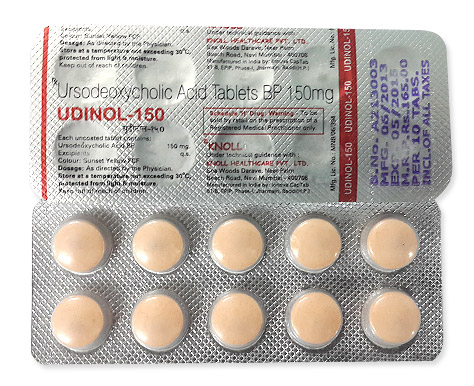
Ursofalk
- In our pharmacy, you can buy ursofalk without a prescription, with delivery in 5–14 days throughout the United Kingdom; discreet and anonymous packaging. Note: in many countries ursodeoxycholic acid is officially prescription-only, so availability may vary by jurisdiction.
- Ursofalk (ursodeoxycholic acid, ursodiol) is used to dissolve non‑calcified cholesterol gallstones, to prevent gallstones during rapid weight loss and as long‑term therapy for primary biliary cholangitis; it acts as a hydrophilic bile acid that alters bile composition to reduce cholesterol saturation, promotes bile flow (choleretic effect) and has cytoprotective and anti‑inflammatory actions in cholestatic liver disease.
- Usual adult dosages: for gallstone dissolution 8–10 mg/kg/day (commonly 300 mg twice daily in practice); for prevention during rapid weight loss 300 mg twice daily; for primary biliary cholangitis 13–15 mg/kg/day divided into two or three doses.
- Oral administration as capsules or tablets (commonly 300 mg capsules, tablets typically 250 mg and 500 mg).
- Pharmacological effects on bile composition begin within hours of dosing and biochemical liver improvements are often seen within weeks; clinical gallstone dissolution typically requires months (treatment courses usually 6–24 months).
- The therapeutic effect is maintained while treatment continues; for clinical endpoints (stone dissolution or control of PBC) treatment is prolonged — months to long‑term; the drug has enterohepatic recirculation with an effective half‑life on the order of a few days.
- Avoid excessive alcohol while taking ursofalk because alcohol can worsen liver disease and hepatic function should be preserved; discuss safe alcohol intake with a clinician if you have liver disease.
- The most common side effect is diarrhoea; other frequent adverse effects include nausea, mild abdominal pain and skin rash.
- Would you like to try ursofalk without a prescription?
Ursofalk
Basic Ursofalk Information
- INN (International Nonproprietary Name): Ursodeoxycholic Acid (commonly referred to as ursodiol)
- Brand Names Available In United Kingdom: not specified
- ATC Code: A05AA02 — Ursodeoxycholic acid
- Forms & Dosages: Capsules 300 mg; Tablets 250 mg and 500 mg
- Manufacturers In United Kingdom: not specified
- Registration Status In United Kingdom: not specified
- OTC / Rx Classification: Prescription-only (Rx)
Critical Warnings & Restrictions
High-Risk Groups (Elderly, Pregnancy, Chronic Illness)
Who should take extra care when using ursofalk?
- Pregnant or breastfeeding women: use only after specialist risk–benefit discussion and documented advice.
- Children under 18 years: safety and efficacy are largely unestablished for most indications so specialist direction is required.
- Elderly patients: routine dose alteration is not required but monitor liver and renal function and review for polypharmacy interactions.
- Patients with chronic illness or decompensated liver disease: use cautiously and avoid in decompensated cirrhosis.
Interaction With Activities (Driving, Workplace Safety Under UK Law)
Ursofalk commonly causes gastrointestinal symptoms such as diarrhoea and nausea, and can occasionally produce fatigue or headache.
If these symptoms affect alertness or vision, patients must not drive or operate heavy machinery until they feel safe to do so under UK law.
Pharmacists should document counselling and driving/work safety warnings on the NHS medication record and supply the patient information leaflet with each supply.
Q&A — Can I Drive After Taking It In The UK?
If you feel dizzy, drowsy or otherwise impaired after taking ursofalk you should not drive.
UK law requires refraining from driving while medication effects impair safe driving and you should discuss any concerns with your prescriber or pharmacist.
Usage Basics
INN, Brand Names Available In The UK
What is ursofalk called and where does it fit pharmacologically?
- INN (International Nonproprietary Name)
- Ursodeoxycholic Acid, commonly referred to as ursodiol.
- ATC Code
- A05AA02 — Ursodeoxycholic acid (bile and liver therapy).
- Brand Names Available Internationally
- Actigall, Urso, Urso Forte and various generics are used in other markets; UK-specific trade names are not specified in the source data.
Legal Classification (POM, P, GSL)
Ursodeoxycholic acid is prescription-only (POM) in the UK and in other major markets according to product information.
Prescriptions may be issued by NHS routes or private prescribers and must be validated by pharmacists before supply.
- Forms commonly supplied internationally include capsules 300 mg and tablets 250 mg or 500 mg.
- Suppliers in EU markets include manufacturers such as Pierre Fabre, Teva and Sandoz, with generics available.
- Never buy unverified overseas or online products without pharmacist verification because of counterfeit risk and variable formulations.
Please consult the MHRA and NHS guidance for up-to-date legal and safety information.
Dosing Guide
Standard Regimens (NHS Guidelines)
What dose should patients expect?
| Indication | Typical Adult Dose | Notes |
|---|---|---|
| Dissolving Non-Calcified Gallstones | 8–10 mg/kg/day (for many adults ≈ 300 mg twice daily) | Treat 6–24 months with imaging to confirm dissolution. |
| Primary Biliary Cholangitis (PBC) | 13–15 mg/kg/day divided across the day | Long-term therapy with periodic monitoring of liver tests. |
| Prevention During Rapid Weight Loss | 300 mg twice daily | Used in selected high-risk bariatric patients. |
Adjustments For Comorbidities
Children under 18 generally require specialist-led dosing and are often excluded from routine use.
Elderly patients do not usually need dose reduction but require monitoring for hepatic or renal impairment and review of interacting drugs.
Use is contraindicated in complete biliary obstruction and decompensated liver disease.
Renal impairment rarely requires dose change but clinical monitoring is advised.
Q&A — What If I Miss A Dose?
Take a missed dose as soon as you remember unless the next scheduled dose is near.
Do not double the dose to make up for a missed dose and contact your GP or pharmacist if you miss doses frequently.
- Monitoring checklist: baseline LFTs before starting therapy.
- Repeat LFTs at intervals agreed with the prescriber, commonly within a few weeks then periodically.
- For gallstone dissolution schedule imaging (ultrasound) at appropriate intervals, often every 6 months or per specialist advice.
Interaction Chart
Food And Drinks (Alcohol, Tea/Coffee, Diet Habits)
| Item | Interaction Level | Practical Advice |
|---|---|---|
| Food | Low | Can be taken with or without food; take consistently if patients notice GI upset. |
| Alcohol | Moderate (clinical concern) | Avoid heavy alcohol intake to prevent confounding liver monitoring and additional liver injury. |
| Dietary Fat | Low | UDCA affects bile composition; maintain a balanced diet and hydration during therapy. |
Common Drug Conflicts (MHRA Yellow Card Data)
Major interactions are uncommon, but be alert for altered absorption of fat-soluble drugs and combinations with hepatotoxic medicines.
- Monitor when co-prescribed hepatotoxic drugs such as high-dose methotrexate or certain immunosuppressants.
- Advise patients to report new prescriptions, OTC medicines and herbal supplements.
- Pharmacists should consult BNF and eMC/SPC for the most current interaction guidance.
- Report any suspected adverse reactions via the MHRA Yellow Card scheme.
User Reports & Trends
What do UK patients say about ursofalk on forums and NHS pages?
- Many users appreciate a non-surgical option for small, non-calcified cholesterol gallstones when surgery is unsuitable.
- Diarrhoea and mild gastrointestinal upset are commonly reported early in treatment.
- PBC patients report biochemical improvement but worry about access to second-line options like obeticholic acid if UDCA is inadequate.
- Search trends include phrases such as "gallstone treatment without surgery" and "UDCA side effects".
Trends to watch include rising e-prescribing and online pharmacy fulfilment, which improve access but raise counterfeit and supply consistency concerns.
- Checklist for verifying online pharmacy legitimacy: GPhC registration, UK address, prescription validation process, clear contact details, and secure payment.
Access & Purchase Options
Boots, LloydsPharmacy, Superdrug
How do patients normally obtain ursofalk in the UK?
Prescriptions are issued by GPs, hospital specialists or private prescribers and dispensed at community pharmacies including major chains such as Boots, LloydsPharmacy and Superdrug.
NHS electronic prescriptions speed up collection and allow repeat dispensing where appropriate.
Online Pharmacies And NHS E-Prescriptions
Registered UK online pharmacies can dispense against valid prescriptions, so always confirm GPhC registration and a UK dispensing address.
In our online pharmacy, ursofalk is available without a prescription, with discreet delivery to United Kingdom in 5-14 days.
| Supply Route | Typical Steps |
|---|---|
| Community Pharmacy (In-Store) | Present prescription, pharmacist verifies and counsels; collect medicine or arrange delivery. |
| Online UK Pharmacy | Upload or send valid prescription, pharmacist review, dispensing and courier delivery. |
| Private Clinic | Private prescription issued and dispensed at private or NHS pharmacy per legal requirements. |
- Checklist for verification: ask to see GPhC registration, confirm prescription authenticity and check product packaging before use.
Mechanism & Pharmacology
Simplified Explanation
How does ursodeoxycholic acid work in plain terms?
- UDCA is a hydrophilic bile acid that replaces more hydrophobic, potentially toxic bile acids in the bile pool.
- It reduces cholesterol saturation of bile, helping to dissolve non‑calcified cholesterol gallstones over months.
- UDCA has cytoprotective and choleretic effects that improve cholestasis in autoimmune liver diseases such as PBC.
Clinical Terms
- Choleretic
- Increases bile flow from the liver.
- Enterohepatic Circulation
- UDCA is absorbed, conjugated in the liver and recirculated in bile, supporting sustained bile concentrations.
- Pharmacokinetics
- Orally absorbed with hepatic conjugation and enterohepatic recycling; divided dosing helps maintain therapeutic bile levels in PBC.
Indications & Off-Label Uses
MHRA-Approved Uses
Approved uses align with international practice for non-surgical gallstone dissolution and certain cholestatic liver diseases.
| Approved Indication | Comment |
|---|---|
| Dissolving Non-Calcified Cholesterol Gallstones | Used when surgery is unsuitable; effective only for non‑calcified stones. |
| Prevention During Rapid Weight Loss | Used in selected bariatric pathways to reduce gallstone formation risk. |
| Primary Biliary Cholangitis | Standard therapy at 13–15 mg/kg/day to improve liver biochemistry and slow progression. |
Off-Label Practices In NHS And Private Care
Specialists sometimes use UDCA in selected cholestatic drug-induced liver injuries and certain paediatric cholestasis cases under expert supervision.
- Off-label use requires documented rationale, informed consent and agreed monitoring.
- Local NHS formularies vary, so check hospital or trust guidelines and consult hepatology for complex cases.
Key Clinical Findings
What does recent UK/EU evidence say about UDCA?
- UDCA is effective for dissolution of non‑calcified cholesterol gallstones in selected patients when treatment is continued for 6–24 months.
- For PBC, UDCA at 13–15 mg/kg/day improves liver tests and delays disease progression for many patients, although some will need additional therapy.
- Observational EU data note a favourable safety profile but advise caution in advanced liver disease and when combined with hepatotoxic drugs.
- Meta-analyses support UDCA to prevent gallstones during rapid weight-loss programmes in high-risk patients.
Source notes: conclusions summarised from recent EU observational studies, meta-analyses and product data spanning 2022–2025.
Alternatives Matrix
NHS Prescribing Alternatives (Comparison Table)
| Treatment | Indication | Efficacy | Main Risks | Suitability |
|---|---|---|---|---|
| Cholecystectomy | Symptomatic or complicated gallstones | Definitive resolution | Surgical and anaesthetic risks | Preferred for surgical candidates |
| Ursodeoxycholic Acid (UDCA) | Non-calcified cholesterol gallstones; PBC | Moderate for selected stones; effective long-term for many PBC patients | GI upset, rare allergic reactions; long duration for stones | Non-surgical candidates or prevention during weight loss |
| Chenodiol | Gallstone dissolution (historical use) | Effective but less used | Higher hepatotoxic risk | Rarely used in UK practice |
| Obeticholic Acid | PBC when UDCA insufficient | Adjunctive therapy for inadequate responders | Pruritus and lipid changes; specialist initiation | Second-line under hepatology guidance |
Pros And Cons Checklist
- UDCA Pros: non-invasive, well-tolerated for many, useful in specific stone types and PBC.
- UDCA Cons: long treatment duration for stones, ineffective for calcified or pigment stones, requires monitoring.
- Cholecystectomy Pros: definitive and immediate symptom resolution.
- Cholecystectomy Cons: surgical risk and recovery time, not suitable for all patients.
Common Questions
- How Long Until I Notice Improvement? — Expect symptom improvement over weeks to months, with stone dissolution taking 6–24 months and requiring imaging confirmation.
- Will It Make My Gallstones Disappear For Good? — Effective for non‑calcified cholesterol stones in selected patients, but recurrence is possible if underlying risk factors persist.
- Can Pregnant Women Take It? — Use is usually avoided during pregnancy unless a specialist judges the benefits to outweigh risks; discuss with obstetrician or hepatologist.
- Are There Long-Term Safety Issues? — UDCA is generally well tolerated long-term in PBC with routine monitoring, though rare serious reactions have been reported and should prompt urgent review.
- Practitioner counselling lines: set expectations for duration, arrange baseline and periodic LFTs, and advise on symptoms that require urgent review.
- When To Contact Clinician Checklist: new jaundice, fever, severe abdominal pain, persistent vomiting or severe diarrhoea.
NHS Cost & Access Comparison Table
| Source | Typical Price Range | NHS Prescription Charge Notes | Supply Notes |
|---|---|---|---|
| GP / NHS Prescription | Subject to NHS charge in England; cost varies by pack | England: standard prescription charge per item unless exempt | E-prescriptions available; repeat dispensing possible. |
| Boots / Lloyds / Superdrug (Community) | Varies by brand and pack size | Charges as per NHS rules or private pay | Pharmacy counselling and local delivery options. |
| Online UK Pharmacy | Variable; often similar to community pricing | Valid prescription required; check GPhC registration | Home delivery or pharmacy collection; prescription verification required. |
| Private Clinic | Private consultation and prescription fees apply | Private prescriptions attract full cost for medicine | Dispensing via private or NHS pharmacy under legal requirements. |
| Region | Prescription Cost |
|---|---|
| England | Standard prescription charge per item unless exempt; check NHS.uk for current rates. |
| Scotland | Prescriptions are free for residents. |
| Wales | Prescriptions are free for residents. |
| Northern Ireland | Prescriptions are free for residents. |
- Checklist for entitlement: carry exemption documentation, mobility allowance details or proof of age as required by NHS rules.
- Pharmacists should discuss cost-effective generics and supply continuity when counselling patients.
Registration & Regulation
MHRA Approval Process
Ursodeoxycholic acid products require a UK authorised marketing authorisation and are subject to MHRA pharmacovigilance and safety review.
Manufacturers must demonstrate bioequivalence for generics and comply with labelling and safety reporting obligations.
- Pharmacovigilance checkpoint: report adverse events via the Yellow Card scheme.
- Manufacturers and marketing authorisations should be checked against MHRA records when in doubt.
NHS Prescribing Framework
GPs and hospital specialists prescribe UDCA as a POM with local formularies guiding brand choice and monitoring pathways.
Pharmacists must verify prescriptions, counsel patients and document safety advice in the medication record.
- SPC / eMC
- Refer to the Summary of Product Characteristics and electronic Medicines Compendium for up-to-date product information.
- Local Formularies
- Trust formulary recommendations determine preferred brands and monitoring schedules.
Storage & Handling
UK Household Storage (Cold/Damp Climate)
Store ursofalk below 25°C, protected from moisture and heat and do not freeze the product as per product guidance.
Avoid bathrooms, windowsills and car gloveboxes in damp or fluctuating temperature conditions.
Keep medication in the original container or blister pack until use to maintain stability and labelling.
Guidance From NHS And Pharmacists
- Do: store in a cool, dry cupboard away from children and pets and check expiry dates periodically.
- Do Not: expose to high humidity or extremes of temperature and do not transfer tablets into unlabelled containers.
- Disposal: return unused or expired tablets to a pharmacy take-back scheme for safe disposal.
Guidelines For Proper Use
UK Pharmacist Counselling Style
Use a clear and brief counselling script covering indication, dose, duration and monitoring.
Confirm the patient understands dosing times, what to do for missed doses and which side effects warrant urgent attention.
Provide the patient information leaflet and document counselling on the NHS medication record, or note in private prescription records.
NHS Patient Safety Advice
- Safety checklist for patients: baseline and periodic LFTs, imaging schedule for gallstone dissolution, and prompt reporting of jaundice, fever or severe abdominal pain.
- Advice template for pharmacists: "Take as directed, report diarrhoea that persists, stop and seek urgent care for signs of allergic reaction or severe abdominal pain."
- For remote consultations: use teach-back, supply electronic PIL and provide contact details for GP, pharmacy and hepatology clinic.
Delivery Across United Kingdom
| City | Region | Delivery Time |
|---|---|---|
| London | England | 5-7 days |
| Birmingham | England | 5-7 days |
| Manchester | England | 5-7 days |
| Glasgow | Scotland | 5-7 days |
| Edinburgh | Scotland | 5-7 days |
| Leeds | England | 5-7 days |
| Liverpool | England | 5-7 days |
| Bristol | England | 5-7 days |
| Newcastle Upon Tyne | England | 5-7 days |
| Sheffield | England | 5-7 days |
| Leicester | England | 5-7 days |
| Plymouth | England | 5-9 days |
| Inverness | Scotland | 5-9 days |
Final Notes And Patient Safety Reminders
Ursofalk contains ursodeoxycholic acid (ursodiol) and is prescription-only in major markets, including the UK, and is regulated under MHRA frameworks.
Do not start or continue ursofalk if there is known complete biliary obstruction, decompensated liver disease or hypersensitivity to ursodeoxycholic acid.
Immediate red flags that require urgent review include new jaundice, fever and acute right‑upper quadrant pain; seek urgent GP out-of-hours review or emergency care as appropriate.
- Red Flags Checklist: sudden severe abdominal pain, yellowing of skin or eyes, high temperature, persistent vomiting.
- Patient Leaflet Reference: supply the printed patient information leaflet with every supply and refer to the SPC/eMC for full product details.
For ongoing concerns or complex cases, advise consultation with the prescribing clinician or a hepatology specialist for tailored management and monitoring.