
Gedarel

Gedarel
- In our pharmacy, you can buy gedarel without a prescription, with delivery in 5–14 days throughout the United Kingdom. Discreet and anonymous packaging.
- Gedarel is a combined oral contraceptive containing desogestrel and ethinylestradiol; it prevents pregnancy mainly by inhibiting ovulation, thickening cervical mucus and altering the endometrium.
- The usual dose is one active tablet daily (typically 0.150 mg desogestrel + 0.030 mg ethinylestradiol) for 21 consecutive days followed by 7 inactive tablets (28-day cycle) or as a 28-active tablet regimen where supplied; a progestogen-only desogestrel 75 µg tablet is taken once daily without break for women who cannot take oestrogen.
- The form of administration is an oral tablet taken at the same time each day.
- Onset time: if started on the first day of menstruation protection is immediate; otherwise a combined pill generally requires 7 days of daily use before full contraceptive protection (desogestrel-only preparations may require about 48 hours).
- Duration of action: each tablet provides roughly 24 hours of contraceptive coverage; protection continues while tablets are taken daily as directed.
- Alcohol warning: moderate alcohol does not directly reduce contraceptive effectiveness, but alcohol can worsen side effects (nausea, dizziness) and may increase liver strain; avoid excessive drinking and consult a clinician if you have liver disease.
- The most common side effect is nausea (other common effects include breast tenderness, headache and breakthrough bleeding).
- Would you like to try gedarel without a prescription?
Gedarel

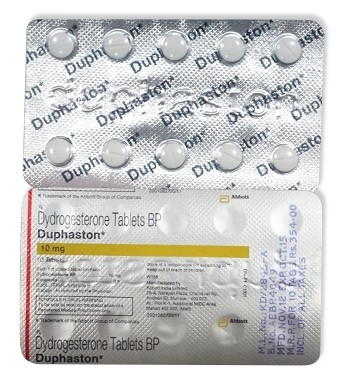
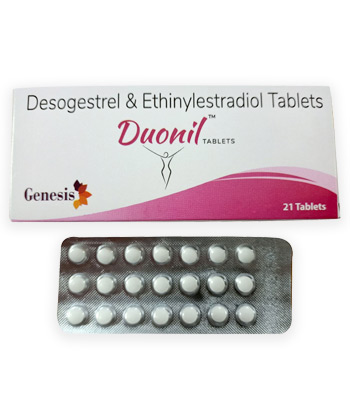
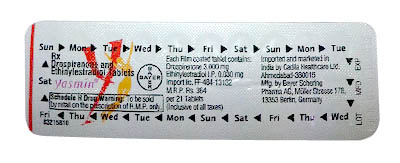
Basic Gedarel Information
- INN (International Nonproprietary Name): Desogestrel, often combined with Ethinylestradiol in contraceptive tablets.
- Brand Names Available In United Kingdom: Gedarel and Marvelon are marketed in the UK and supplied by Consilient Health and Organon.
- ATC Code: G03AA09, progestogens and estrogens fixed combinations (Desogestrel and Ethinylestradiol).
- Forms & Dosages: Combined oral tablets 0.150 mg desogestrel + 0.030 mg ethinylestradiol and 0.150 mg + 0.020 mg; progestogen‑only tablets 75 μg desogestrel.
- Manufacturers In United Kingdom: Consilient Health and Organon are listed suppliers for UK packs.
- Registration Status In United Kingdom: Approved by MHRA and licensed for use as a prescription medicine.
- OTC / Rx Classification: Prescription‑only medicine (POM) across the UK.
Critical Warnings & Restrictions
High‑Risk Groups (Elderly, Pregnancy, Chronic Illness)
Patients who are known or suspected to be pregnant must not take desogestrel/ethinylestradiol products.
Anyone with a current or past history of thromboembolic disorders must avoid combined desogestrel + ethinylestradiol formulations.
Major surgery with prolonged immobilisation is an absolute contraindication until mobility is restored.
Severe hepatic impairment or known liver tumours contraindicate use of combined products.
Hormone‑sensitive cancers, such as breast or endometrial cancer, are listed as absolute contraindications.
Uncontrolled hypertension, cerebrovascular or significant cardiac disease are also contraindications.
Allergy to any component of the tablet is an absolute contraindication.
Interaction With Activities (Driving, Workplace Safety Under UK Law)
- Patients must be warned that rare side effects such as dizziness, fainting or visual disturbance can occur.
- UK road and workplace safety law requires patients not to drive or operate heavy machinery if affected by these adverse effects.
- Pharmacists and prescribers should record advice about driving and workplace safety in consultation notes.
Q&A — Can I Drive After Taking It In The UK?
Short answer: usually yes, provided you feel well and do not notice dizziness, visual disturbance, fainting or severe headache.
If such symptoms occur after starting or changing the pill, do not drive and seek GP or pharmacist advice immediately.
Persistent or worrying neurological symptoms should be reported to MHRA via the Yellow Card scheme.
Usage Basics
INN, Brand Names Available In The UK
The international nonproprietary name (INN) is desogestrel, commonly combined with ethinylestradiol in combined oral contraceptives.
In the United Kingdom the combination is available as Gedarel and Marvelon, while desogestrel alone is available in progestogen‑only minipill formulations.
Common searches for patients include gedarel, desogestrel/ethinylestradiol and Marvelon comparisons.
Legal Classification (POM, P, GSL)
- Prescription‑only medicine (POM) across the UK — a valid prescription is required for supply.
- Supply must be by an authorised clinician or an MHRA‑registered online pharmacy acting within its registration.
- Desogestrel progestogen‑only pills remain prescription medicines and are not general sales list (GSL) items.
Practical note for prescribers: verify MHRA licences, record informed consent and check smoking, BP and VTE risk before prescribing.
- Check and document contraindications, discuss missed‑dose actions and advise on backup contraception where needed.
- Ensure the chosen brand (Gedarel/Marvelon or progestogen‑only) matches the patient’s clinical needs and licensing status.
Dosing Guide
Standard Regimens (NHS Guidelines)
- Combined tablet regimen: one active tablet daily for 21 consecutive days followed by seven inactive tablets to complete a 28‑day cycle.
- Tablets should be taken at the same time each day to maintain contraceptive efficacy.
- Progestogen‑only desogestrel 75 μg (minipill) is taken one tablet daily at roughly the same time each day.
Adjustments For Comorbidities
- Not indicated post‑menopause and generally not used in the elderly.
- Contraindicated in severe hepatic impairment and in the presence of liver tumours.
- No specific renal dosing guidance is available, so use clinical caution for significant renal disease.
- For adolescents, use only after menarche with adult dosing; safety in under 16s is limited.
Q&A — What If I Miss A Dose?
Combined pill: if you are less than 12 hours late taking the active tablet, take it immediately and continue as normal.
If more than 12 hours late with the combined active tablet, follow the patient information leaflet and use backup contraception for seven days as advised.
If vomiting or moderate/severe diarrhoea occurs within 3–4 hours of dosing, take another tablet as soon as possible.
Progestogen‑only pill: the timing window is tighter and if more than three hours late you should use backup contraception.
- If a progestogen‑only desogestrel dose is missed, take the missed tablet as soon as remembered and use additional protection for 7 days if over the recommended window.
Interaction Chart
Food And Drinks (Alcohol, Tea/Coffee, Diet Habits)
- There are no clinically relevant interactions with tea or coffee that affect hormone levels.
- Alcohol does not alter the pharmacology but may reduce adherence and heighten perceived side effects such as nausea or dizziness.
- Advise patients to avoid heavy drinking around dosing times to reduce missed doses and adverse effects.
Common Drug Conflicts (MHRA Yellow Card Data)
| Interacting Drug/Class | Effect | Action |
|---|---|---|
| Enzyme Inducers (rifampicin, rifabutin, carbamazepine, phenobarbital, phenytoin, St John’s Wort) | Reduce hormonal levels and contraceptive efficacy | Use alternative contraception or backup method; consider non‑hormonal methods |
| Certain HIV/HCV Antivirals | May alter steroid concentrations | Check BNF/eMC and use barrier method or alternate contraception as advised |
| Anticonvulsants (some) | Potentially reduce efficacy via CYP induction | Discuss alternative methods or additional protection |
| Most Antibiotics (except rifampicin) | No clinically significant interaction recorded | Advise as per leaflet but rifampicin remains notable exception |
- Clinicians should flag CYP enzyme interactions and advise backup contraception where induction is possible.
- Advise patients to report suspected interactions or adverse reactions through MHRA Yellow Card reporting.
- Always check up‑to‑date references such as the BNF or electronic medicines compendium before changing therapy.
User Reports & Trends
Sources And Methodology: patient themes synthesised from NHS.uk patient leaflets, Patient.info, Mumsnet threads and routine pharmacy feedback.
- NHS.uk patient information and SPCs were consulted for factual safety and dosing information.
- Patient.info and forum threads highlight real‑world tolerability and common questions.
- Pharmacy consultation records contribute anonymised feedback on adherence and reasons for switching.
Common Patient‑Reported Themes
- Breakthrough bleeding and spotting in the first one to three cycles is commonly reported.
- Nausea, breast tenderness and headaches are frequent early complaints.
- Mood changes, reduced libido and modest weight fluctuation cause some patients to request a switch.
- Queries about VTE risk prompt anxiety and GP review, despite absolute risk being low for healthy under‑35s.
Trends Observed In UK Forums
- Growing interest in progestogen‑only options such as Cerazette/Cerelle for breastfeeding or oestrogen contraindications.
- More patients are enquiring about online prescriptions and cost comparisons between brands and generics.
- Increased reporting of mood changes has led to more requests for formal mood review and recordkeeping.
How Clinicians Should Interpret
- Validate patient concerns, screen for red flags such as signs of VTE and document findings and advice.
- Consider a trial period of two to three cycles before switching unless severe adverse effects emerge.
- Record counselling, plan follow‑up and refer to NHS patient information to balance benefits and risks.
Access & Purchase Options
Boots, LloydsPharmacy, Superdrug
- Community pharmacies such as Boots, LloydsPharmacy and Superdrug supply Gedarel and Marvelon on presentation of a valid prescription.
- GP surgeries, sexual health clinics and private clinics also provide prescriptions for combined and progestogen‑only pills.
- Private purchase at retail pharmacies is possible with a clinician consultation where prescriptions are provided.
Online Pharmacies And NHS E‑Prescriptions
- MHRA‑registered online pharmacies and private online contraception services can supply prescription contraceptives following an online consultation.
- NHS e‑prescriptions and electronic repeat prescriptions streamline supply for ongoing therapy.
- Our online pharmacy supplies gedarel with a prescription and offers discreet delivery to the United Kingdom in 5–14 days.
Safe Purchasing Checklist
- Confirm the prescriber identity and ensure the pharmacy is MHRA‑registered before purchase.
- Require a valid prescription and secure payment, clear counselling on contraindications and a privacy policy.
- Offer accessible follow‑up and clear instructions on missed doses and adverse events.
Pharmacy Counselling & Recordkeeping
- Pharmacists should verify the medicine, check allergies, smoking status and blood pressure at supply.
- Provide the patient information leaflet and explain Yellow Card reporting routes for suspected adverse reactions.
- Record the consultation, advice given and any agreed follow‑up in the patient medication record.
Mechanism & Pharmacology
Simplified Explanation
- How It Works
- Desogestrel is a progestogen and ethinylestradiol is an oestrogen; together they suppress ovulation and alter cervical mucus and the endometrium.
- ATC Classification
- ATC code G03AA09 designates fixed combinations of desogestrel and ethinylestradiol.
Pharmacology In Clinical Terms
- Desogestrel is a third‑generation progestogen used in combination tablets and as a 75 μg progestogen‑only minipill.
- Combined formulations listed in raw data include 0.150 mg desogestrel with either 0.030 mg or 0.020 mg ethinylestradiol.
- Progestogen‑only tablets act mainly by inhibiting ovulation in many users and by thickening cervical mucus.
Practical Implications
- Onset Of Action
- If started on day 1 of the cycle, combined pills give immediate protection; otherwise use seven days of backup as per leaflet.
- Cycle Effects
- Withdrawal bleeding is expected during inactive tablet days for 21/7 regimens and irregular bleeding is common in early cycles.
Suggested visual aid: a timeline infographic showing first‑dose protection, common early side effects and a three‑cycle expectation chart.
Indications & Off‑Label Uses
MHRA‑Approved Uses
- Approved indication for combined desogestrel/ethinylestradiol products is contraception in women of reproductive age.
- Progestogen‑only 75 μg desogestrel tablets are licensed as a minipill for contraception.
Off‑Label Practices In NHS And Private Care
- Clinicians sometimes use combined pills off‑label for cycle regulation, dysmenorrhoea, acne or menorrhagia after individual assessment.
- Such off‑label use requires documented rationale, informed consent and consideration of alternative licensed treatments such as an IUS or LNG‑IUD.
- Document the rationale for off‑label prescribing, obtain informed consent and schedule a review after three months.
- Consider alternatives and ensure off‑label use does not contravene contraindications or MHRA safety advice.
Safety Caveat
- Off‑label prescribing must respect absolute contraindications, particularly VTE risk and significant hepatic disease.
- Discuss the small VTE signal associated with some third‑generation progestogens when counselling.
Key Clinical Findings
Summary Of Recent Evidence (2022–2025): observational and randomised evidence continues to support high contraceptive efficacy for combined desogestrel/ethinylestradiol products.
| Study/Source | Focus | Key Findings |
|---|---|---|
| UK/EU Observational Surveillance | VTE risk surveillance | Small increase in relative VTE risk observed with some third‑generation progestogens compared with levonorgestrel; absolute risk remains low in healthy under‑35s. |
| Randomised Efficacy Trials | Contraceptive efficacy and tolerability | Combined desogestrel/ethinylestradiol shows efficacy comparable with other combined oral contraceptives. |
| Post‑marketing Pharmacovigilance | Hepatic and neuropsychiatric events | Regulators emphasise reporting of thrombotic, hepatic and mood‑related events to refine risk management. |
Key Messages
- Combined desogestrel/ethinylestradiol provides contraceptive efficacy similar to other combined pills.
- Third‑generation progestogens, including desogestrel, have been associated with a small increase in VTE risk compared with levonorgestrel products.
- The absolute risk remains low in healthy non‑smokers under 35 years of age.
Pharmacovigilance Updates
- MHRA and EMA monitor thrombotic events, hepatic reactions and neuropsychiatric complaints and issue safety communications as required.
- Prescribers should discuss the small VTE risk with patients and document consent and counselling.
Clinical Practice Takeaway
- Balance individual VTE risk factors when selecting a combined pill and consider levonorgestrel options for higher‑risk women.
- Monitor blood pressure, mood and bleeding patterns and record follow‑up plans in the clinical notes.
Alternatives Matrix
NHS Prescribing Alternatives (Comparison Table)
| Product | Efficacy | VTE Risk Profile | Common Side‑Effects | Breastfeeding Suitability | NHS Availability/Cost |
|---|---|---|---|---|---|
| Gedarel / Marvelon (desogestrel/ethinylestradiol) | High | Small increased signal vs levonorgestrel | Nausea, breast tenderness, mood changes | Not preferred while breastfeeding initially | Available on prescription via NHS |
| Microgynon / Levlen (levonorgestrel combos) | High | Lower VTE signal | Headache, spotting, fluid retention | Not preferred in early breastfeeding | Widely available on NHS |
| Yasmin (drospirenone) | High | Varied signals; monitor individually | Fluid retention, mood changes, potassium caution | Not preferred while breastfeeding | Available on prescription |
| Cerazette / Cerelle (progestogen‑only desogestrel 75 μg) | High when used correctly | Lower thrombotic concern due to absence of oestrogen | Irregular bleeding, mood changes | Suitable for breastfeeding | Available on prescription; often chosen for breastfeeding |
Pros And Cons Checklist
- Desogestrel combinations: pro — effective and generally well tolerated; con — slightly higher VTE signal versus levonorgestrel.
- Levonorgestrel combinations: pro — lower observed VTE signal; con — may present a different side‑effect profile for some patients.
- Progestogen‑only pills: pro — suitable for breastfeeding and for those with oestrogen contraindications; con — stricter dosing windows and potential irregular bleeding.
Prescribing Tip
- Match the choice to patient priorities such as VTE risk, bleeding pattern, mood impact and convenience, and document counselling and follow‑up intervals.
Common Questions
- Can I Breastfeed On It? Progestogen‑only desogestrel 75 μg is preferred during breastfeeding, while combined desogestrel + ethinylestradiol is usually deferred until breastfeeding is established.
- When Can I Start After Childbirth Or Abortion? Timing depends on breastfeeding status and VTE risk; NHS guidance commonly advises starting the combined pill around four weeks postpartum for non‑breastfeeding women.
- Will It Make Me Gain Weight Or Affect Mood? Some users report modest weight and mood changes; if effects are significant, review and consider an alternative method.
- How Soon Does It Protect Against Pregnancy? If started on day 1 of the cycle protection is immediate; otherwise use seven days of backup for combined pills per the leaflet.
Quick actions: seek urgent review for sudden chest pain, shortness of breath, unilateral leg swelling or severe neurological symptoms.
NHS Cost & Access Comparison Table
| Source / Pharmacy | Typical Private Price Range | NHS Prescription Charge | Exemption Status |
|---|---|---|---|
| Boots | Private consultation and supply varies by branch | Standard NHS prescription charge applies in England for most patients | Scotland, Wales and Northern Ireland: prescriptions generally free for residents |
| LloydsPharmacy | Private consultation and supply varies by branch | Standard NHS prescription charge applies in England for most patients | Exemptions apply as per NHS rules (age, benefits, pregnancy, etc.) |
| Superdrug | Private consultation and supply varies by branch | Standard NHS prescription charge applies in England for most patients | Local sexual health clinics may offer free services |
| MHRA‑Registered Online Pharmacies | Private consultation fees and supply vary | Online repeat prescriptions can be linked to NHS e‑prescribing where applicable | Verify pharmacy registration and prescription validity |
Regional policy notes: England generally applies an NHS prescription charge for most patients while Scotland, Wales and Northern Ireland have broadly free prescriptions for residents.
Data note: editorial teams should insert current numeric prescription rates and typical retail price ranges from pharmacy websites before publication.
Registration & Regulation
MHRA Approval Process
- Desogestrel/ethinylestradiol products are approved by the MHRA for use in the UK and carry ATC code G03AA09.
- Product licences outline SPC and patient leaflet content, and risk‑management plans are maintained as part of pharmacovigilance obligations.
- Clinicians should follow the SPC and act on MHRA safety communications when issued.
NHS Prescribing Framework
- Prescribing must comply with NHS formularies and local medicines optimisation policies.
- Standard clinical assessment includes blood pressure check, smoking and VTE risk assessment and documentation of consent.
- Sexual health clinics and GPs follow protocols for first‑line assessment, supply and follow‑up arrangements.
Suggested patient pathway flowchart: consultation → risk assessment → prescription → supply → follow‑up and reporting of adverse events.
Storage & Handling
UK Household Storage (Cold/Damp Climate)
- Store tablets at normal room temperature, ideally between 20–25°C, protecting them from excess heat and humidity.
- Keep tablets in their original blister pack until use and avoid storing in bathrooms where temperature and humidity fluctuate.
- Do not leave blister packs in hot cars or direct sunlight which may affect stability.
Guidance From NHS And Pharmacists
- When travelling, carry medication in original packaging with a prescription or clinician contact details to avoid supply issues.
- Use an insulated bag only if prolonged exposure to high temperatures is expected on transit.
- Dispose of unused or expired medication through pharmacy return schemes rather than household waste.
Pharmacists should check pack integrity at supply, advise on proper temperature ranges and provide the patient information leaflet.
Guidelines For Proper Use
UK Pharmacist Counselling Style
- Verify indication, age, smoking status, VTE risk and blood pressure before supply and document this in the consultation record.
- Review current medicines for interactions and explain the dosing schedule and actions for missed pills.
- Discuss expected side‑effects, when to seek urgent care for VTE signs and how to report adverse events via Yellow Card.
NHS Patient Safety Advice
- Emphasise adherence at the same time each day and explain the rules for backup contraception clearly.
- Advise temporary omission of combined pill pre‑operatively if prolonged immobilisation is expected following major surgery.
- Instruct patients to stop and seek urgent review for chest pain, shortness of breath, unilateral leg swelling, severe headache or jaundice.
Documentation & Follow‑Up
- Record the discussion, issue the patient leaflet and schedule a review at three months or sooner if problems occur.
- Consider mood and bleeding diaries to guide management and potential switching decisions.
- Include links to NHS guidance pages and MHRA Yellow Card reporting in written aftercare information.
Delivery Across United Kingdom
| City | Region | Delivery time |
|---|---|---|
| London | England | 5–7 days |
| Birmingham | England | 5–7 days |
| Manchester | England | 5–7 days |
| Glasgow | Scotland | 5–7 days |
| Edinburgh | Scotland | 5–7 days |
| Bristol | England | 5–9 days |
| Leeds | England | 5–7 days |
| Cardiff | Wales | 5–9 days |
| Belfast | Northern Ireland | 5–9 days |
| Liverpool | England | 5–7 days |
| Newcastle | England | 5–9 days |
| Norwich | England | 5–9 days |
| Southampton | England | 5–9 days |
| Plymouth | England | 5–9 days |
Final Notes For Clinicians And Patients
Gedarel and similar desogestrel/ethinylestradiol products are effective contraceptives with established dosing and safety profiles.
Always consider individual VTE risk, hepatic function and any drug interactions before prescribing or supplying a combined product.
For patients with contraindications to oestrogen, the 75 μg desogestrel progestogen‑only minipill is an established alternative.
Document consent, counselling points and any agreed follow‑up in the patient record and provide written information on missed doses and Yellow Card reporting.
If in doubt, check the SPC, BNF or electronic medicines compendium and refer to NHS guidance for region‑specific prescription and exemption information.