
Aricept
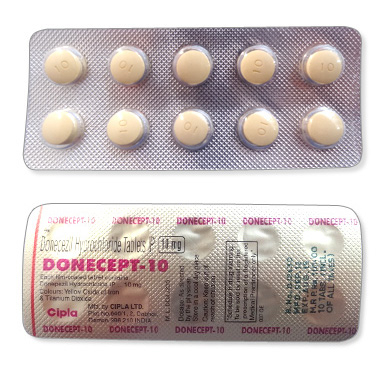
Aricept
- Aricept is a prescription-only medicine in all jurisdictions; it is supplied through pharmacies and authorised online suppliers and should only be obtained with a valid prescription and medical supervision.
- Aricept (donepezil) is used for the symptomatic treatment of mild, moderate and severe Alzheimer’s disease; it is a reversible acetylcholinesterase (cholinesterase) inhibitor that increases acetylcholine levels in the brain to help cognition and behaviour.
- The usual dosing regimen starts at 5 mg once daily, may be increased to 10 mg once daily after 4–6 weeks for mild–moderate disease; for moderate–severe disease treatment can be titrated to 23 mg once daily after adequate time at 10 mg (maximum 23 mg/day).
- Aricept is given orally as tablets (5 mg, 10 mg, 23 mg) or orally disintegrating tablets (5 mg, 10 mg); a transdermal patch (Adlarity) is available in some regions (US); there are no parenteral forms.
- Some patients may notice symptomatic improvement within 1–6 weeks, with clinical assessment typically at 4–6 weeks; full benefits may take several months to become apparent.
- Aricept is taken once daily and provides around 24 hours of effect; the elimination half-life is prolonged (approximately 70 hours), with steady state reached in about 2–3 weeks; treatment is usually chronic while benefit persists.
- Avoid or limit alcohol while taking Aricept, as alcohol can worsen dizziness, sedation, cognitive impairment and gastrointestinal side effects.
- The most common side effect is nausea (also commonly diarrhoea, vomiting and appetite loss); other frequent effects include insomnia, abnormal dreams, fatigue, dizziness and headache; serious risks include bradycardia and gastrointestinal bleeding.
- Would you like to try aricept without a prescription?
Aricept

Critical Warnings & Restrictions (Safety-First)
Basic Aricept Information
- INN (International Nonproprietary Name): Donepezil (also referred to as donepezilum in Eastern Europe).
- Brand Names Available In United Kingdom: Aricept (Eisai/Pfizer), and multiple generics supplied by Teva, Sandoz, Mylan (Viatris), Zentiva and Alvogen.
- ATC Code: N06DA02.
- Forms & Dosages: Tablets 5 mg, 10 mg, 23 mg; Orally disintegrating tablets (ODT) 5 mg and 10 mg; transdermal patch (Adlarity) available in the US only.
- Manufacturers In United Kingdom: Originator manufacturer Eisai (co-marketed by Pfizer) and generic suppliers including Teva, Sandoz, Mylan, Zentiva and Alvogen.
- Registration Status In United Kingdom: Authorised for Alzheimer’s dementia and supplied as prescription-only medicine.
- OTC / Rx Classification: Prescription-only medicine (POM) across the UK.
High-Risk Groups (Elderly, Pregnancy, Chronic Illness)
Patients and carers often ask who should not take Aricept or who needs extra checks.
Absolute contraindication: known hypersensitivity to donepezil hydrochloride or piperidine derivatives.
Use with caution or avoid in the following groups.
- Elderly patients with symptomatic bradycardia, conduction blocks or syncope risk.
- People with active peptic ulcer disease or recent gastrointestinal bleeding because cholinesterase inhibitors can increase GI bleeding risk.
- Patients with severe hepatic impairment: severe liver disease requires careful clinical judgement.
- Individuals with a history of seizures, or with significant obstructive airways disease such as asthma or COPD.
- Those with significant urinary retention or prostatic hypertrophy due to increased risk of urinary symptoms.
- Pregnancy and breastfeeding: safety in pregnancy is not established; discuss risks and alternatives with the prescriber.
Always treat safety first when dispensing Aricept or generic donepezil.
- Checklists For Dispensing:
- Allergy check: confirm no known hypersensitivity to donepezil or piperidine derivatives.
- Current medications: reconcile for anticholinergics, beta-blockers, antiarrhythmics and other interacting drugs.
- Cardiac history: ask about syncope, dizziness, bradycardia, pacemaker or conduction disease; consider ECG if indicated.
- Swallowing assessment: determine if an ODT is preferable to a tablet for dysphagia.
- Pregnancy/breastfeeding status where relevant.
Interaction With Activities (Driving, Workplace Safety Under UK Law)
People commonly worry whether Aricept affects driving or use of machinery.
Donepezil can cause dizziness, drowsiness and visual disturbance; these may impair driving and workplace safety.
Advise patients not to drive or operate heavy machinery until they know how donepezil affects them.
Document this advice in the pharmacy medicine record.
- Dizziness — may affect balance and reaction times.
- Drowsiness — may reduce alertness, especially when treatment starts or dose increases.
- Visual Disturbance — blurring or other visual changes can make driving unsafe.
Q&A — “Can I Drive After Taking It In The UK?”
Short answer: Not until you know how it affects you.
If dizziness, syncope episodes or visual problems occur, stop driving immediately and seek medical review.
If these symptoms impair your ability to drive, you must notify the DVLA in line with UK driving guidance.
Pharmacists should note the advice in the patient medication record and advise carers about monitoring.
Usage Basics
INN, Brand Names Available In The UK
People ask for Aricept by name and also for donepezil generics.
| Brand | Form | Typical Strengths |
|---|---|---|
| Aricept | Tablets, ODT (region dependant) | 5 mg, 10 mg, 23 mg |
| Donepezil (Generics: Teva, Sandoz, Mylan, Zentiva) | Tablets, some ODT forms | 5 mg, 10 mg |
| Adlarity | Transdermal Patch (US only) | 5 mg, 10 mg (US) |
Legal Classification (POM, P, GSL)
Donepezil is a prescription-only medicine (POM) across the UK and EU.
Prescriptions come from NHS GPs, specialist memory clinics or private consultants.
Electronic prescriptions and repeat dispensing are commonly used in primary care.
- POM = Prescription Only Medicine; a prescriber’s signature or valid electronic prescription is required.
- Pharmacist Role = Provide counselling at supply and document in PMR.
Dosing Guide
Standard Regimens (NHS Guidelines)
Many carers want a clear titration schedule for Aricept donepezil.
| Step | Regimen | Monitoring Timepoints |
|---|---|---|
| Start | 5 mg once daily | Review at 4–6 weeks for tolerability |
| Maintenance For Mild–Moderate | Increase to 10 mg once daily if tolerated | Review at 6–12 weeks, then periodically |
| Moderate–Severe Escalation | After ≥3 months on 10 mg consider 23 mg once daily in selected patients | Careful monitoring for GI and cardiac effects after each increase |
The maximum licensed dose is 23 mg daily in select cases.
Adjustments For Comorbidities
No routine renal dose adjustment is required for donepezil.
Mild to moderate hepatic impairment usually does not require dose change, but use with caution.
Severe hepatic impairment needs individual clinical judgement and caution.
For frail elderly patients consider slower uptitration and closer monitoring.
Monitor heart rate, body weight and gastrointestinal symptoms during treatment.
Q&A — “What If I Miss A Dose?”
Take the missed dose as soon as you remember unless the next dose is due soon.
Do not double the dose to make up for a missed one.
If unsure, contact the GP or local pharmacy for advice.
- Checklist For Missed Dose:
- Take when remembered unless within a few hours of the next dose.
- Return to the regular schedule the next day.
- Do not double dose.
- When To Call Urgent Care:
- If overdose signs appear: severe vomiting, marked bradycardia, seizures, muscle weakness or breathing difficulty.
Interaction Chart
Food And Drinks (Alcohol, Tea/Coffee, Diet Habits)
There are no major food interactions recorded for donepezil.
Alcohol may worsen dizziness, sedation and increase falls risk with donepezil.
Caffeine can aggravate insomnia which is sometimes seen with cholinesterase inhibitors.
- Avoid alcohol while establishing tolerance to donepezil.
- Limit caffeine if sleep disturbances or vivid dreams occur.
- Maintain regular meals if appetite changes are reported to help weigh monitoring.
Common Drug Conflicts (MHRA Yellow Card Data)
Key interaction principles are important at each medicine reconciliation.
| Co-Prescribed Drug Class | Risk | Action |
|---|---|---|
| Anticholinergic Drugs | May antagonise donepezil’s effect | Review necessity; avoid combining where possible |
| Other Cholinomimetics / AChE Inhibitors | Increased cholinergic burden | Monitor for excessive cholinergic signs (nausea, bradycardia) |
| Beta-Blockers / Certain Calcium Channel Blockers | May exacerbate bradycardia | Check pulse, consider ECG if symptomatic |
| Antiarrhythmics | Potential additive cardiac conduction effects | Specialist advice and monitoring recommended |
Advise medication reconciliation at each visit and report suspected interactions via the MHRA Yellow Card Scheme.
User Reports & Trends
Carers and patients post their experiences online and in clinic conversations.
- Top patient concerns: early gastrointestinal upset (nausea, diarrhoea), vivid dreams or insomnia and occasional improvement in day-to-day orientation.
- Carer reports often note subtle cognitive stabilisation for months rather than dramatic improvement.
- Online searches commonly ask about price, ODT availability and brand switching.
- Increasing queries in pharmacies relate to driving safety and interactions with other medicines.
| Patient Sentiment | Frequency | Practical Note |
|---|---|---|
| Positive Stabilisation | Moderate | Continue therapy while benefit is seen. |
| Adverse Events (GI, Sleep) | Common | Consider dose titration or symptomatic treatment. |
| Access / Cost Concerns | Frequent | Advise on NHS prescribing and local formulary options. |
Access & Purchase Options
High-Street Pharmacies And Chains
Aricept and donepezil generics are dispensed widely across the UK.
- Major chains: Boots, LloydsPharmacy, Superdrug.
- Independent community pharmacies also stock Aricept and generic donepezil on prescription.
- Prescriptions are supplied via GP, memory clinic or hospital specialist.
- Pharmacist counselling is provided on first supply and recorded in the PMR.
Online Pharmacies And NHS E-Prescriptions
Registered UK online pharmacies can dispense on a valid prescription and offer home delivery or collection.
Electronic repeat prescriptions and NHS e-prescriptions make remote supply and delivery easier.
| Source | Typical Turnaround | Safeguards (ID, Prescription Validation, Counselling) |
|---|---|---|
| High-Street Pharmacy | Same day to 2 days | Prescription check, face-to-face counselling, PMR record |
| Registered UK Online Pharmacy | 2–7 days | Electronic prescription validation, pharmacist phone counselling, secure delivery |
| Overseas / Illicit Suppliers | Variable and often long | Not recommended; no valid safeguards |
Prescription charges apply in England unless the patient is exempt; Scotland, Wales and Northern Ireland operate largely free prescriptions for residents.
- Checklist For Safe Online Purchase:
- Confirm pharmacy is registered in the UK and dispenses on valid prescription.
- Check for pharmacist contact details and counselling options.
- Avoid unverified overseas suppliers selling prescription-only medicine without prescription.
In our online pharmacy, aricept is available without a prescription, with discreet delivery to United Kingdom in 5-14 days.
Mechanism & Pharmacology
Simplified Explanation
Patients often ask how Aricept works compared with other dementia medicines.
Donepezil is a reversible acetylcholinesterase inhibitor that increases acetylcholine availability at central synapses.
This enhances cholinergic neurotransmission which is implicated in cognition and memory.
Effects are symptomatic and do not modify the underlying neurodegeneration of Alzheimer’s disease.
- Acetylcholinesterase Inhibitor = enzyme blockade that raises acetylcholine levels in the brain.
Clinical Terms
ATC classification is N06DA02 for donepezil.
The drug is orally absorbed and given once daily.
Hepatic metabolism accounts for elimination, and dose-related cholinergic adverse effects are important to monitor.
| Mechanism | Typical Clinical Effect | Common Adverse Events |
|---|---|---|
| Reversible AChE Inhibition | Improved attention and some cognitive function | Nausea, diarrhoea, vivid dreams, bradycardia |
Set expectations: benefits usually appear over weeks to months and require regular clinical review and documentation.
Indications & Off‑Label Uses
MHRA‑Approved Uses
Donepezil is authorised for symptomatic treatment of Alzheimer’s dementia across mild, moderate and severe stages.
Regimens follow the titration steps outlined earlier with 5 mg start, escalation to 10 mg and selective use of 23 mg for advanced cases.
Therapy is continued while benefit outweighs risk.
Off‑Label Practices In NHS And Private Care
Off‑label use of donepezil is uncommon and should be justified and documented.
Some specialist centres may trial donepezil in vascular cognitive impairment, but evidence of benefit is mixed.
- Avoid off‑label prescribing when there is high cholinergic risk such as uncontrolled cardiac disease.
- Avoid if alternative, evidence-based options are preferable for the individual patient.
- Document rationale, obtain informed consent and arrange monitoring when off‑label use is considered.
Key Clinical Findings
Clinical trials and meta-analyses show donepezil produces small-to-moderate symptomatic improvements.
Benefits can be seen in cognition, activities of daily living and global clinical impression for months.
Effect sizes vary and benefits often decline over time, which is why periodic reassessment is recommended.
| Outcome | Evidence Strength | Practical Implication |
|---|---|---|
| Cognitive Scores | Moderate | May show measurable improvement in first months; continue if benefit noted. |
| Activities Of Daily Living | Small-to-moderate | Some patients retain function longer; monitor clinically. |
| Tolerability In Frail Elderly | Variable; ongoing research | Consider slower titration and careful review. |
Clinicians should consult NICE guidance and MHRA communications for up-to-date trial data and safety signals.
Alternatives Matrix
NHS Prescribing Alternatives (Comparison Table)
| Drug | Formulations | Typical Use | Key Pros / Cons |
|---|---|---|---|
| Rivastigmine (Exelon) | Capsule, transdermal patch | Mild–moderate Alzheimer’s; patch for poor oral tolerance | Patch reduces GI side effects; may irritate skin |
| Galantamine (Reminyl) | Tablet, oral solution | Mild–moderate disease | Useful alternative if donepezil not tolerated; cholinergic side effects similar |
| Memantine (Namenda) | Tablets | Moderate–severe disease; can be combined with donepezil | Different mechanism (NMDA antagonist); often used when progression continues |
Pros And Cons Checklist
- Consider cognitive profile and target symptoms when choosing therapy.
- Assess GI tolerability history; rivastigmine patch may benefit those with GI sensitivity.
- Check cardiac conduction history; cholinesterase inhibitors can cause bradycardia.
- Review polypharmacy and interactions.
- Consider cost, formulation preference (ODT for swallow problems) and carer ability to administer.
Common Questions (UK Patient Consultations)
- How long until improvement? Expect possible cognitive or functional benefit within six to twelve weeks; review at 6–12 weeks and periodically thereafter.
- Will it cure Alzheimer’s? No; donepezil is symptomatic treatment only and does not cure underlying disease.
- What are common side effects? Nausea, diarrhoea, vivid dreams, insomnia, muscle cramps; report severe bradycardia, syncope or gastrointestinal bleeding immediately.
- Can carers manage administration? Yes; blister packs, dosing aids and supervised administration help adherence.
Action checklist for carers:
- Monitor appetite and weight.
- Watch for falls and dizziness.
- Monitor bowel habits and hydration.
- Check pulse if symptomatic; seek GP review for bradycardia or syncope.
- Contact GP or local urgent services for severe vomiting, collapse or suspected severe adverse reactions.
NHS Cost & Access Comparison Table
| Source / Pharmacy | Typical Price Range (Private) | NHS Prescription Charge Details |
|---|---|---|
| Boots | Private prices vary by pack size and brand | England: standard prescription charge applies unless exempt; Scotland/Wales/Northern Ireland: largely free |
| LloydsPharmacy | Private prices vary | Check patient exemption at point of care |
| Superdrug | Private prices vary | Prescription exemptions apply by age, income, or condition |
| Independent Pharmacies | Private prices vary; may offer dispensing options | Local NHS processes govern supply on FP10 |
| Registered Online Pharmacies | Delivery charges may apply; private sale prices vary | Electronic prescriptions accepted; verify entitlements online |
Regional note: packs in some European markets are commonly 28 or 56 tablets, while UK dispensing is often by instalment on FP10 or by repeat prescription.
- Common Exemption Categories: age-based exemptions, income-based benefits, war pensioners and certain medical conditions.
Remember: Aricept and donepezil are prescription-only in all jurisdictions; avoid unverified online sellers.
Registration & Regulation
MHRA Approval Process
Aricept/donepezil is authorised in the UK following national and European procedures.
Marketing is by Eisai for the originator brand with multiple generics authorised for supply.
Report adverse reactions via the MHRA Yellow Card Scheme, including brand and batch details where possible.
- Step 1: Identify suspected adverse reaction.
- Step 2: Report via MHRA Yellow Card online or app.
- Step 3: Include product name, dose, batch number and patient details as available.
NHS Prescribing Framework
Prescribing follows NICE guidance and local formularies in most areas.
Responsibility for initiation may be shared between specialists and GPs depending on local pathways.
- Document informed consent and baseline cognition and function.
- Record baseline vitals: pulse and consider ECG if cardiac history is present.
- Plan follow-up intervals at 6–12 weeks after initiation or titration and thereafter at least every 6–12 months.
Storage & Handling
UK Household Storage (Cold/Damp Climate)
Store donepezil at room temperature between 15–30°C and keep tablets in their original packaging.
Protect from moisture and excessive heat, particularly in UK homes with higher humidity.
Keep medicines out of reach of children and pets.
Guidance From NHS And Pharmacists
Pharmacists should advise carers on blister packs and ODT options for swallowing difficulty.
Unused or expired medicines should be returned to a pharmacy for safe disposal.
- Label checks: ensure name, dose and expiry are clear.
- Expiry: do not use past the printed expiry date.
- Disposal: return to pharmacy take-back schemes; do not flush medicines down the toilet.
Guidelines For Proper Use (Monitoring & Counselling)
UK Pharmacist Counselling Style
At first supply, confirm the indication and the dosing schedule for Aricept or generic donepezil.
Explain likely onset of action (weeks), common side effects and actions for missed dose or overdose.
Give clear driving and safety advice and provide written information where possible.
- Explain nausea and diarrhoea are common and often dose-related.
- Advise on when to seek urgent care: severe vomiting, bradycardia, syncope, severe diarrhoea or seizures.
- Document counselling in the PMR and offer follow-up contact details.
NHS Patient Safety Advice
Monitor weight, appetite, bowel habit, heart rate (if symptomatic), sleep patterns and falls.
Arrange a review at 6–12 weeks after initiation or dose change, then at least every 6–12 months.
Encourage reporting of adverse events via the MHRA Yellow Card Scheme and provide local safety-netting information.
- Monitoring checklist for clinicians and carers includes pulse checks if symptomatic and documentation of cognitive change.
- Keep emergency contact and GP details accessible.
- Escalate promptly for suspected severe adverse effects.
Delivery Across United Kingdom
| City | Region | Delivery time |
|---|---|---|
| London | Greater London | 5–7 days |
| Birmingham | West Midlands | 5–7 days |
| Manchester | Greater Manchester | 5–7 days |
| Glasgow | Scotland | 5–7 days |
| Leeds | West Yorkshire | 5–7 days |
| Liverpool | Merseyside | 5–7 days |
| Bristol | South West England | 5–7 days |
| Newcastle upon Tyne | North East England | 5–7 days |
| Sheffield | South Yorkshire | 5–7 days |
| Nottingham | Nottinghamshire | 5–7 days |
| Southampton | Southampton / Hampshire | 5–9 days |
| Plymouth | Devon | 5–9 days |
| Aberdeen | Scotland (Aberdeenshire) | 5–9 days |
| Belfast | Northern Ireland | 5–9 days |
| Cardiff | Wales | 5–9 days |