
Testosterone Topical
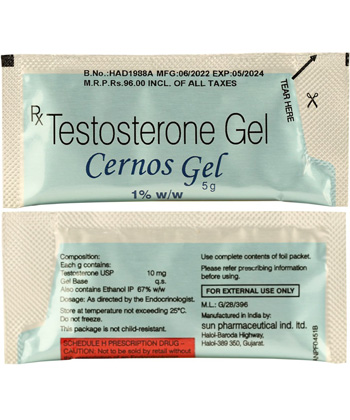
Testosterone Topical
- You can buy testosterone topical in some pharmacies and online outlets, and in many places it is classed as prescription-only; however, availability without a prescription may vary by market and supplier. It should only be used under medical supervision because of important safety risks and the potential for misuse.
- Testosterone topical is used to treat male hypogonadism and other forms of testosterone deficiency. It replaces or supplements the body’s natural testosterone, helping to restore normal hormone levels and improve symptoms such as low libido, fatigue and reduced muscle mass.
- The usual dose depends on the product and strength. For gel, a common starting dose is 50 mg once daily, with adjustments based on blood testosterone levels; patches are typically 2 mg or 4 mg applied once daily; nasal gel is usually used as 11 mg three times daily, as directed.
- The form of administration is topical cutaneous gel or transdermal patch; related testosterone products also exist as nasal gel, injections and pellets, but testosterone topical is applied to the skin.
- Testosterone topical does not work instantly. Some effects may begin within a few days, but it usually takes several weeks for noticeable symptom improvement, and blood levels are often checked after about 2 weeks or more.
- The duration of action is usually about 24 hours for daily gel or patch use, so it is taken regularly each day to maintain stable testosterone levels.
- Alcohol is not absolutely contraindicated, but heavy drinking should be avoided. Excess alcohol can worsen hormone imbalance, increase the risk of side effects and may affect liver and overall health.
- The most common side effects are skin irritation at the application site, acne, increased hair growth, mood changes, headache, breast tenderness or enlargement, and fluid retention or swelling.
- Would you like to try testosterone topical without a prescription?
Testosterone Topical
Critical Safety Warnings And Patient Protection In The UK
Basic Testosterone Topical Information
- INN (International Nonproprietary Name): Testosterone
- Brand names available in United Kingdom: Testogel, Tostran, and other testosterone gel brands may be encountered depending on supply and prescribing route
- ATC Code: G03BA03
- Forms & dosages: Transdermal gel 1% (50 mg/5 g), 1.62%, 2%; patch 2 mg/24h, 4 mg/24h; nasal gel 4.5 mg/actuation
- Manufacturers in United Kingdom: Besins Healthcare, Kyowa Kirin, and other international manufacturers where available by market
- Registration status in United Kingdom: Prescription-only medicine
- OTC / Rx classification: Prescription-only (Rx)
Testosterone topical is a prescription-only medicine, so it should only be used under clinician supervision.
It is not suitable for self-treatment, bodybuilding, or casual use for fatigue alone.
Do not use it if you have known or suspected prostate cancer, breast cancer, are pregnant or breastfeeding, or have a hypersensitivity to testosterone or any excipient.
People with polycythaemia, sleep apnoea, severe heart, liver, or kidney disease, a previous MI or stroke, or benign prostatic hyperplasia need close monitoring before and during treatment.
At home, the gel must be kept away from women, children, and pets, and skin-to-skin transfer must be prevented after application.
That matters at work too, especially in sports, manual jobs, and close-contact roles with children.
- Do not use if... you have prostate or breast cancer, are pregnant or breastfeeding, or have had an allergic reaction to testosterone products.
- Seek urgent advice if... you get chest pain, breathlessness, severe swelling, a rash or swelling of the face, or new urinary symptoms.
- Chest pain
- Breathlessness
- Severe swelling
- Allergic reaction
- Signs of prostate problems such as trouble passing urine, weak flow, or waking often at night
High-Risk Groups And When To Avoid Or Delay Treatment
Has a doctor already mentioned raised blood count, prostate symptoms, or a heart problem?
Those are the people who need a careful risk review before testosterone replacement therapy starts, because the medicine can worsen some underlying conditions and may need dose changes.
If treatment is delayed, that is usually to make sure the cause of low testosterone has been confirmed and the risks are controlled.
Workplace Safety, Family Contact, And Skin-Transfer Risk
Transfer is the big practical issue with testosterone gel UK patients often overlook.
After application, the treated skin can pass testosterone to another person through direct contact, so a partner or child should not touch the area until it is fully dry and covered.
In jobs where there is close physical contact, or where clothing rubs the application site, the dose routine needs to be planned carefully.
Q&A — Can Testosterone Gel Be Transferred To A Partner Or Child?
Yes, it can.
If skin-to-skin contact happens before the gel has dried and the site is covered, transfer is possible.
That is why hands should be washed after application and the area should be kept covered with clothing once dry.
What Testosterone Topical Is And Who It Is For
Wondering whether testosterone topical is the same thing as testosterone HRT?
It is a cutaneous or transdermal androgen used mainly for male hypogonadism.
The INN is Testosterone and the ATC code is G03BA03.
The treatment goal is to restore physiological testosterone levels when deficiency has been confirmed by symptoms and blood tests.
Most patients search for testosterone gel, although topical forms also include patches and related presentations.
- INN
- International Nonproprietary Name; here, Testosterone.
- ATC code
- G03BA03, the therapeutic classification used for testosterone.
- Transdermal
- Delivered through the skin into the bloodstream.
- Hypogonadism
- A condition where the body does not produce enough testosterone.
- Prescription-only
- Available only on a clinician’s prescription.
Topical testosterone for hypogonadism is designed for replacement, not enhancement.
That distinction matters because the medicine is not meant for casual use in low mood, general tiredness, or gym performance.
INN, ATC Code, And Medical Purpose
In practice, the medicine is used as testosterone replacement therapy when low levels have been proven.
Because it is absorbed through the skin, it can help bring testosterone back towards a steady physiological range without injections.
Main Topical Forms Used In Practice
Gels are the most searched UK term, but patches and nasal gel are also recognised testosterone topical brands in wider markets.
Common gel strengths include 1%, 1.62%, and 2%.
Patch strengths include 2 mg/24h and 4 mg/24h.
Nasal gel is listed at 4.5 mg per actuation.
Q&A — Is Testosterone Topical The Same As Testosterone HRT?
In everyday language, yes, it sits within testosterone replacement therapy and is used to treat diagnosed deficiency.
The exact form may differ, but the purpose is the same: restore low testosterone safely under medical care.
UK Brand Names, Packaging, And What Patients May See On Prescriptions
Brand availability can vary by country and supply chain, so the name on the box may not always be the one first mentioned in clinic.
In the UK, people often search for testosterone gel UK, Testogel 1%, Testogel 2%, or Tostran 2%.
Pharmacists may also see brand-specific prescribing when the prescriber wants a particular presentation.
| Brand | Strength | Form | Pack Type | Manufacturer |
|---|---|---|---|---|
| Testogel | 25 mg/2.5 g, 50 mg/5 g | Gel | Sachets and multi-dose containers | Besins Healthcare |
| Tostran | 2% | Gel | Metered-dose canister | ProStrakan Ltd (now Kyowa Kirin) |
| Androtop | 25 mg/2.5 g | Gel | Sachets | Besins Healthcare |
| AndroGel | 1%, 1.62% | Gel | Packets and pumps | AbbVie Inc. |
| Testim | 1% | Gel | Tubes | Endo Pharmaceuticals, Inc. |
| Androderm | 2 mg, 4 mg | Patch | Transdermal patches | Allergan plc |
| Natesto | 4.5 mg per actuation | Nasal gel | Metered nasal system | Aytu BioScience, Inc. |
Packaging may be in sachets, tubes, pumps, or a metered-dose canister, depending on the product and market.
Exact packaging varies by manufacturer, so the pharmacist may dispense different outer packaging even when the active ingredient is the same.
Brand Names Patients May Recognise
Testogel, Tostran, AndroGel, and Testim are the names most people usually recognise when asking about testosterone gel.
These are all testosterone replacement therapy products in topical or related forms.
Packaging Formats: Sachets, Tubes, Pumps, Canisters
Sachets are single-use units, pumps and canisters are designed for repeated measured dosing, and patches deliver medicine across the skin rather than by rubbing it on.
That choice can affect convenience, dose flexibility, and how easy the routine feels day to day.
How Testosterone Topical Works In The Body
It helps to think of testosterone topical as a slow, steady top-up through the skin.
The medicine is absorbed through the cutaneous route, enters the bloodstream, and raises serum testosterone.
When levels rise into a physiological range, symptoms of confirmed deficiency may improve.
Apply the gel to the recommended area, absorb through the skin, blood levels rise, and symptoms may improve.
People often prefer it because it avoids injections and may give steadier levels than some other forms.
Absorption Through The Skin
Common application sites for gels include the shoulders, upper arms, and abdomen.
Serum monitoring is usually checked after more than 14 days, because that is when the early level is judged most useful.
Why Gels Are Commonly Prescribed
- They can provide steady physiological testosterone levels.
- They avoid the discomfort and timing issues of injections.
- They may be simpler than pellets or clinic-based procedures.
- They allow dose changes if blood tests show levels are too low or too high.
Approved Uses, Off-Label Use, And Who Should Not Self-Treat
The main indication is male hypogonadism confirmed by symptoms and blood tests.
Low energy alone is not enough to justify treatment.
Some private care use may be off-label, but the prescriber should always guide that decision.
Children should not use it, and it is contraindicated in prepubertal children because of the risk of premature puberty and bone maturation.
Fertility also needs discussing early, because testosterone can suppress natural production and may affect fertility planning.
| Situation | Suitable? | Comment |
|---|---|---|
| Confirmed male hypogonadism | Yes | Most common approved use |
| General tiredness without tests | No | Needs assessment first |
| Prepubertal child | No | Contraindicated |
| Fertility planning | Specialist review | Testosterone may suppress natural production |
MHRA/NHS-Aligned Indication Focus
In UK practice, prescription testosterone replacement should follow a proper diagnostic pathway and ongoing review.
That keeps use focused on confirmed deficiency rather than unsupervised self-treatment.
Off-Label Use And Fertility Considerations
If a man is trying to conceive, the prescribing clinician should be told before treatment starts.
That conversation matters because the medicine may reduce the body’s own testosterone production.
Q&A — Can Testosterone Gel Help If I Feel Tired But Haven’t Had Tests?
It should not be started on tiredness alone.
Blood tests and a clinician review are needed to confirm whether testosterone deficiency is actually present.
NHS Prescribing Pathway, MHRA Context, And UK Access Rules
In the UK, testosterone topical is prescription-only and usually starts after a clinical review plus blood tests.
That fits the MHRA-regulated medicines framework and typical NHS prescribing pathways.
Depending on the problem, patients may be seen by a GP, endocrinologist, sexual health clinician, or urologist.
Private prescribing is also common, and electronic prescriptions are increasingly used.
Our online pharmacy offers testosterone topical without a prescription, with discreet delivery to the United Kingdom in 5-14 days.
- GP assessment and referral
- Endocrinology clinic
- Sexual health service
- Urology review
- Private prescriber and online pharmacy route
| Nation | Prescription charge | Usual access note |
|---|---|---|
| England | Charges apply | Standard prescription charge rules |
| Scotland | Free prescriptions | NHS prescription charge not applied |
| Wales | Free prescriptions | NHS prescription charge not applied |
| Northern Ireland | Free prescriptions | NHS prescription charge not applied |
NHS And Private Routes To Treatment
Boots, LloydsPharmacy, Superdrug, and distance-selling pharmacies may all be involved at different stages of supply.
What matters most is that counselling is still given, because safe use depends on proper technique and monitoring.
Prescription Charges And Regional Differences
The cost picture is different across the UK, so a patient in England may face a prescription charge while a patient in Scotland, Wales, or Northern Ireland may not.
Standard Dosing For Adults And How Doctors Adjust It
A typical starting dose for testosterone gel is 50 mg once daily, with a usual adjustment range of 40 to 100 mg per day based on serum testosterone and response.
Patch regimens are usually 2 mg or 4 mg nightly.
Nasal gel, where used, is 11 mg one actuation in each nostril three times daily, giving 33 mg daily in total.
The right dose depends on symptoms, blood results, side effects, and whether the application method suits the patient.
| Form | Typical starting dose | Timing | Monitoring note |
|---|---|---|---|
| Gel 1% / 1.62% | 50 mg once daily | Daily | Adjust 40–100 mg/day by response and serum level |
| Patch | 2 mg or 4 mg | Nightly | Review skin tolerance and serum level |
| Nasal gel | 11 mg each nostril, three times daily | Daily | Total 33 mg/day; monitor response |
Typical Starting Doses By Formulation
Gels are the most common starting point, while patches may suit people who prefer a fixed nightly routine.
Some patients also compare this with injections, but the topical route can be easier to start and adjust.
When Clinicians May Adjust The Dose
Clinicians may increase or reduce the dose if symptoms do not match the blood level, or if side effects emerge.
Patients should not change the dose on their own.
Q&A — What If I Miss A Dose Of Testosterone Gel?
Apply it as soon as you remember, unless it is close to the next dose.
Do not double up.
Special Dosing Considerations And Higher-Risk Groups
Older adults usually start at the lowest dose and need close monitoring for prostate and cardiovascular effects.
Evidence for exact dose changes in liver or kidney impairment is limited, so caution is the rule.
Children are contraindicated, because exposure can trigger premature puberty and early bone maturation.
Diabetes, sleep apnoea, and significant heart disease also need extra review.
Older Adults And Monitoring Needs
In elderly men, treatment should be paced carefully and reviewed regularly.
That is especially important if there is a history of urinary symptoms or cardiovascular disease.
Liver, Kidney, Sleep Apnoea And Diabetes
- Specialist review needed if there is liver or kidney disease.
- Specialist review needed if there is sleep apnoea.
- Specialist review needed if there is diabetes mellitus.
- Specialist review needed if there is a history of MI or stroke.
- Specialist review needed if there is benign prostatic hyperplasia or polycythaemia.
Side Effects, Warning Signs, And When To Seek Medical Help
The most common problems are local skin reactions where the gel or patch is applied.
That can mean redness, itching, rash, or irritation.
Other common effects include acne, increased hair growth, mood changes, headache, gynecomastia, and edema or fluid retention.
| Common side effects | Urgent warning signs |
|---|---|
| Skin irritation, redness, itching, rash | Chest pain or breathlessness |
| Acne and increased hair growth | Severe swelling or trouble breathing |
| Mood changes and headache | Allergic reaction |
| Gynecomastia and fluid retention | Signs of prostate problems |
Common Mild To Moderate Side Effects
If side effects are mild, a pharmacist, GP, or prescribing clinician can help decide whether the product should be continued, changed, or reviewed.
That advice is especially helpful if skin irritation keeps coming back.
Red-Flag Symptoms And Urgent Action
Breathlessness, chest pain, sudden swelling, or an allergic reaction should not be ignored.
Symptoms suggesting prostate problems also need prompt medical assessment.
| Effect | What It May Mean | What To Do |
|---|---|---|
| Chest pain | Possible cardiovascular problem | Seek urgent medical help |
| Breathlessness | Possible fluid retention or another serious problem | Seek urgent medical help |
| Severe swelling | Possible fluid retention or overdose effect | Seek urgent medical help |
| Allergic reaction | Hypersensitivity | Stop and seek urgent advice |
| Urinary symptoms | Possible prostate issue | Contact GP or prescriber |
Interactions, Alcohol, Driving, And Everyday Safety
Testosterone topical has fewer food interactions than many medicines, but day-to-day health still matters.
Alcohol excess can make it harder to notice side effects and may affect adherence.
If dizziness, headache, or mood changes happen, driving or using machinery should wait until the person feels safe again.
- Tell the pharmacist about diabetes treatment, because testosterone may alter insulin sensitivity.
- Tell the pharmacist about any hormone medicines or medicines affecting blood counts.
- Review all prescription, over-the-counter, and herbal products before starting.
- Report headache, mood changes, or unusual swelling promptly.
Food, Drink, And Lifestyle Considerations
There is no special meal timing rule for the gel, but routine matters because missed applications reduce consistency.
Many UK patients rely on pharmacist counselling to keep the daily routine simple and safe.
Medicines To Review With A Pharmacist Or GP
Any medicine affecting diabetes control, blood count, or hormone balance should be reviewed alongside testosterone therapy.
Q&A — Can I Drive After Applying Testosterone Gel?
Yes, if you feel well and have no dizziness, mood change, or other symptoms that could affect safety.
If you do feel unwell, do not drive until it is safe.
Application Technique And Avoiding Accidental Transfer
Safe use starts with clean, dry skin and the right application site.
For gels, that usually means shoulders, upper arms, or abdomen.
Wash your hands after use and let the gel dry before dressing.
That lowers the risk of accidental transfer to women, children, or other close contacts.
Step-By-Step Gel Application
- Apply to clean, dry skin on the recommended area.
- Use only the amount prescribed.
- Spread gently as instructed.
- Wash hands straight away.
- Let the area dry fully.
- Cover the site with clothing once dry.
Preventing Skin-To-Skin Transfer
- Before: keep the product out of reach of children and women.
- During: apply only to the prescribed area and avoid touching other people.
- After: wash hands, let the gel dry, and cover the site.
- Later: avoid direct contact until advised and be careful with bathing or swimming if the product instructions say so.
Missed Dose, Overdose, And What To Do In Emergencies
If a dose is forgotten, apply it when remembered unless the next dose is almost due.
Do not double up.
If too much gel is applied, wash the skin to remove unabsorbed product and seek medical advice if symptoms appear.
- Wash the skin if excess gel remains.
- Seek urgent medical attention for nausea, vomiting, swelling, or trouble breathing.
- Do not take extra doses to make up for the mistake.
If A Dose Is Forgotten
The main rule is simple: do not catch up by applying twice.
Just return to the normal schedule.
If Too Much Is Applied Or Swallowed Accidentally
Overdose symptoms can include nausea, vomiting, swelling, and trouble breathing.
That needs immediate medical attention.
Storage, Transport, And Household Handling In The UK
Store gel and patches at room temperature, between 15 and 30°C.
Keep them away from children and women, and protect them from freezing or excessive heat.
Gel packets should not be refrigerated, and opened or damaged packaging should be discarded.
Safe Storage At Home
- Keep in a dry place away from heat and damp.
- Do not store within reach of children.
- Keep away from women who could be accidentally exposed.
- Do not refrigerate gel packets.
- Throw away opened or damaged packaging.
Travelling With Testosterone Topical
A bathroom cabinet may seem convenient, but a bedroom drawer or other secure cupboard can be safer if the home is busy.
For travel, carry it in the original packaging and avoid leaving it in a hot car or cold luggage hold.
Monitoring, Follow-Up, And Blood Tests After Starting Treatment
Follow-up is part of safe testosterone replacement therapy, not an optional extra.
Blood tests help check that the dose is right and that treatment is not causing harm.
The first serum testosterone check is usually done more than 14 days after starting, then repeated periodically.
| Test | Why It Matters | When |
|---|---|---|
| Serum testosterone | Checks whether the dose is adequate | After more than 14 days, then periodically |
| Haematocrit / polycythaemia check | Looks for raised blood count | During follow-up |
| Prostate review | Monitors prostate symptoms | Regularly, especially in higher-risk men |
| Cardiovascular review | Checks overall safety | Regularly |
What Blood Tests And Reviews Are Usually Needed
The aim is long-term safety, especially when treatment may be lifelong in confirmed hypogonadism.
That is why symptom review and blood monitoring stay important even when the medicine is working well.
How Often Follow-Up May Happen
Follow-up is periodic rather than one-off, and the interval depends on symptoms, blood results, and risk factors.
Comparators, Patient Questions, And Choosing The Right Topical Form
Some men like the convenience of gel, while others prefer an injection or a patch.
The choice depends on symptoms, lifestyle, adherence, cost, and whether the skin tolerates the product well.
Competing products include injectable esters, oral undecanoate capsules, and testosterone pellets.
| Option | Main Advantages | Limitations |
|---|---|---|
| Topical gel | Steady levels, no injections | Transfer risk, skin irritation |
| Patch | Fixed nightly routine | Skin reaction, less flexible |
| Injection | Less frequent dosing | Needle-based, clinic or training needed |
| Oral capsule | Simple swallowing routine | Different safety and monitoring profile |
| Pellet | Longer-lasting implant | Procedure required |
Topical forms are often favoured because they can give steady physiological levels and reduce injection frequency.
That can be helpful for men who want a daily routine rather than a clinic visit.
Topical Versus Injectable And Oral Options
Injectables, oral capsule therapy, and pellets are all alternatives, but they are chosen for different practical reasons.
The right option is the one that fits the patient’s diagnosis and follow-up plan.
Choosing Between Gels, Patches, And Other Forms
- How easy is daily use?
- Is there a risk of skin irritation?
- Is transfer risk manageable at home?
- Would a patch or injection suit the routine better?
- Has the prescriber discussed fertility and monitoring?
If you are unsure about Testogel, Tostran, AndroGel, or another testosterone topical brand, a pharmacist can help you compare the practical differences before you order.
Delivery Across United Kingdom
| City | Region | Delivery time |
|---|---|---|
| London | Greater London | 5-7 days |
| Birmingham | West Midlands | 5-7 days |
| Manchester | North West England | 5-7 days |
| Glasgow | Scotland | 5-7 days |
| Edinburgh | Scotland | 5-7 days |
| Leeds | West Yorkshire | 5-7 days |
| Liverpool | North West England | 5-7 days |
| Bristol | South West England | 5-7 days |
| Cardiff | Wales | 5-7 days |
| Belfast | Northern Ireland | 5-7 days |
| Newcastle upon Tyne | North East England | 5-9 days |
| Nottingham | East Midlands | 5-9 days |
| Sheffield | South Yorkshire | 5-9 days |
| Aberdeen | Scotland | 5-9 days |
| Leicester | East Midlands | 5-9 days |
Final Practical Takeaway For Patients
Testosterone topical can be a good option when low testosterone has been properly confirmed and a steady daily treatment is wanted.
It is prescription-only, needs careful application to avoid transfer, and must be monitored with blood tests and symptom review.
If you are comparing gel, patch, injection, or another form, the safest choice is the one matched to your diagnosis, your routine, and your risk factors.