
Pletal
Pletal
- Pletal (cilostazol) is legally a prescription-only medicine in the UK, EU, US, Canada and Australia; however, some community pharmacies and online sellers (including certain e‑pharmacies) may supply it without a prescription—this is possible in some outlets but is not recommended and may be unlawful in your jurisdiction.
- Pletal is used to treat intermittent claudication due to peripheral arterial disease; it is a phosphodiesterase III (PDE III) inhibitor with antiplatelet and vasodilatory effects that can improve walking distance and symptoms.
- The usual adult dose is 100 mg orally twice daily, taken about 30 minutes before meals or at least 2 hours after meals; response is typically assessed after 2–4 weeks and up to 12 weeks for full benefit, and treatment is usually stopped if no improvement after 3 months.
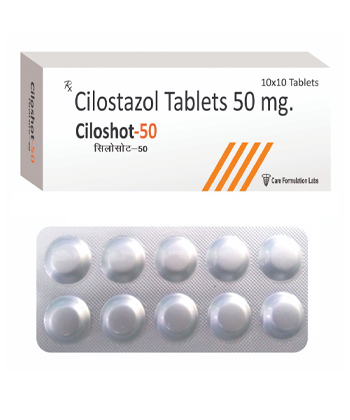
- Administration is by oral tablet (commonly 100 mg tablets; 50 mg tablets are rarer), supplied in blisters or bottles.
- Some clinical benefit may be seen within 2–4 weeks of starting treatment, but the full effect can take up to 12 weeks of continuous use.
- The duration of pharmacological effect is roughly 12 hours, which is why Pletal is generally prescribed twice daily.
- Avoid or limit alcohol while taking Pletal; alcohol can increase the risk of dizziness, low blood pressure and other adverse effects.
- The most common side effect is headache.
- Would you like to try Pletal without a prescription? (Note: obtaining or using prescription medicines without medical advice is not recommended—please consult a healthcare professional before starting treatment.)
Pletal

Critical Warnings & Restrictions
Basic Pletal Information
- INN (International Nonproprietary Name): Cilostazol.
- Brand Names Available In United Kingdom: Pletal — Tablets 100 mg, 56 tablets per pack.
- ATC Code: B01AC23.
- Forms & Dosages: Tablet 100 mg (round) commonly supplied in 56‑tablet packs; 50 mg formulations are rare and mainly seen in some Asian markets.
- Manufacturers In United Kingdom: Original marketing authorisation held by Otsuka Pharmaceutical; generics supplied by various MAHs including Zentiva, Actavis and others.
- Registration Status In United Kingdom: Licensed by the MHRA and available via prescription.
- OTC / Rx Classification: Prescription‑Only Medicine (POM).
High‑Risk Groups (Elderly, Pregnancy, Chronic Illness)
Cilostazol must be prescribed only after careful safety screening.
Absolute contraindications include any degree of heart failure (NYHA I–IV) and severe hepatic impairment.
Do not use in pregnancy without specialist advice.
Use extreme caution in the elderly and document monitoring plans for palpitations and dizziness.
Exercise caution in people with severe renal impairment and those with active bleeding or peptic ulcer disease.
Record cardiac history, perform baseline liver function tests and review concomitant medicines, especially strong CYP3A4 and CYP2C19 inhibitors.
Pletal 100 mg is licensed in the UK and is a Prescription‑Only Medicine (POM).
Pharmacist counselling is recommended and document informed consent for any off‑label use.
- Pre‑Prescription Checklist: history of heart failure, current medications, recent LFTs, renal function status, bleeding history, pregnancy/breastfeeding status.
- Absolute Contraindications: any heart failure (NYHA I–IV); severe hepatic impairment; known hypersensitivity to cilostazol or excipients.
- Relative Contraindications: active peptic ulcer; bleeding disorders; severe renal impairment; concomitant strong CYP3A4 or CYP2C19 inhibitors.
| Baseline Assessment | Reason | Action |
|---|---|---|
| Cardiac History | Avoid use in any heart failure; identify arrhythmia risk. | Document NYHA status; do not prescribe if any degree of heart failure. |
| Electrocardiogram (ECG) | Assess for arrhythmia if palpitations or syncope history. | Obtain ECG if symptoms or clinical suspicion present. |
| Liver Function Tests | Cilostazol contraindicated in severe hepatic impairment. | Check LFTs before starting and monitor as clinically indicated. |
| Medication Review | Identify CYP3A4/CYP2C19 inhibitors and antiplatelet/anticoagulant co‑prescribing. | Avoid strong inhibitors or adjust therapy; counsel on bleeding risk. |
Interaction With Activities (Driving, Workplace Safety Under UK Law)
Cilostazol can cause dizziness, palpitations and occasional syncope.
Advise patients not to drive or operate heavy machinery until they know how the medicine affects them.
Document advice given and discuss DVLA reporting requirements if occupational driving is involved.
- When To Avoid Driving: if you experience dizziness, severe palpitations, fainting or blurred vision after taking cilostazol.
- When To Reassess Driving: after symptoms settle and a clinician confirms it is safe.
- Workplace Safety: advise employers if driving or operating heavy machinery is part of duties and symptoms occur.
Q&A — Can I Drive After Taking It In The UK?
Short answer: not until you know how cilostazol affects you.
- If you feel dizzy, stop driving immediately.
- If you have syncope or severe palpitations, seek urgent medical assessment.
- Inform the DVLA and your employer if your ability to drive is affected, as required.
Usage Basics
INN, Brand Names Available In The UK
- INN: cilostazol.
- Brand In The United Kingdom: Pletal — tablets 100 mg, 56 tablet packs.
- ATC: B01AC23 — platelet aggregation inhibitors excluding heparin.
Legal Classification (POM, P, GSL) — UK Context
Cilostazol is a Prescription‑Only Medicine (POM) in the UK.
It is dispensed via NHS or private prescriptions and may be supplied by community pharmacies or hospital clinics.
Electronic prescribing and e‑pharmacy dispensing are commonly used for convenience and home delivery.
- Where To Get A Prescription: GP, vascular clinic, or secondary care specialist where PAD is managed.
| Supply Route | NHS Characteristics | Private Supply Characteristics |
|---|---|---|
| Community Pharmacy (NHS) | Dispensed against NHS prescription; pharmacist counselling included; subject to NHS prescription charges in England. | Usually requires private prescription; price varies and may include dispensing fee. |
| Hospital/Secondary Care | Initiation often specialist‑led; local formulary guidance may apply. | Private clinic prescriptions handled similarly but paid out of pocket. |
| Online Pharmacy | Can dispense NHS EPS nomination collections or home delivery via registered pharmacies. | Private e‑prescriptions may be accepted by MHRA‑registered online pharmacies. |
Dosing Guide
Standard Regimens (NHS Guidelines)
Adults: the typical dose is 100 mg orally twice daily.
Take tablets approximately 30 minutes before meals or at least 2 hours after meals for best absorption and tolerability.
Assess benefit after 2–4 weeks and expect full effect up to 12 weeks of continuous therapy.
If there is no improvement after about 3 months, consider stopping treatment.
Not recommended in children.
- Dosing Checklist: confirm indication of intermittent claudication; confirm absence of heart failure; advise dose timing around meals; set review dates at 2–4 weeks and 12 weeks.
| Parameter | Advice |
|---|---|
| Dose | 100 mg twice daily. |
| Timing | 30 minutes before food or 2 hours after food. |
| Duration To Assess | 2–4 weeks for early benefit; up to 12 weeks for full response. |
Adjustments For Comorbidities
Do not use in moderate to severe hepatic impairment.
Exercise caution in severe renal impairment and monitor closely for adverse events.
Avoid concomitant strong CYP3A4 and CYP2C19 inhibitors where possible because they raise cilostazol exposure.
In the frail elderly, monitor heart rate, blood pressure and gastrointestinal tolerance.
- Monitoring Steps: baseline LFTs, renal function as indicated, review all medicines for CYP interactions, arrange follow‑up at 2–4 weeks.
Q&A — What If I Miss A Dose?
Take the missed dose as soon as you remember unless it is nearly time for the next dose.
Do not double the next dose to make up for a missed one.
If you vomit after taking a dose, seek advice from your pharmacist or GP.
Interaction Chart (Practical Safety First)
Food And Drinks (Alcohol, Tea/Coffee, Diet Habits)
Advise moderation of alcohol because it can worsen dizziness, palpitations and gastrointestinal side effects.
No major food restrictions are reported, but maintain the dosing timing relative to meals for consistent absorption.
Caffeine may increase palpitations in sensitive individuals, so advise monitoring of tea and coffee intake.
- Practical Food/Drink Advice: avoid excessive alcohol; keep caffeine stable; take doses 30 minutes before or 2 hours after food to reduce GI upset.
Common Drug Conflicts (MHRA Yellow Card Data)
Key interactions include strong CYP3A4 and CYP2C19 inhibitors that can increase cilostazol concentrations.
Concomitant antiplatelets or anticoagulants may increase bleeding risk and should be reviewed before starting cilostazol.
PDE‑III class safety signals include harm in heart‑failure patients and this underpins absolute contraindication.
| Drug Class | Example Drugs | Risk | Action |
|---|---|---|---|
| Strong CYP3A4 Inhibitors | Ketoconazole, Clarithromycin | Increased cilostazol levels; greater adverse effects. | Avoid co‑administration or consider alternative therapy. |
| Strong CYP2C19 Inhibitors | Fluconazole (moderate), certain proton pump inhibitors | Increased cilostazol exposure in some cases. | Review therapy; monitor for side effects. |
| Antiplatelets / Anticoagulants | Aspirin, Clopidogrel, Warfarin, DOACs | Increased bleeding risk. | Assess bleeding risk and monitor closely if combined. |
Encourage Yellow Card reporting for any serious suspected adverse reactions.
User Reports & Trends (Patient Experience And Adherence)
UK patient forums and NHS patient pages commonly report improved walking distance for some patients after several weeks of therapy.
Typical early side effects include transient headaches and diarrhoea.
Palpitations cause discontinuation in a minority of users.
Twice‑daily dosing can reduce adherence due to timing requirements around meals.
- Positive Outcomes: improved pain‑free walking distance, increased daily activity for some patients.
- Common Adverse Experiences: headache, diarrhoea, palpitations, dizziness and occasional peripheral oedema.
Sentiment Summary: many patients note modest benefit balanced against tolerability issues, and shared decision‑making usually determines continuation or stopping.
- Follow‑Up Questions To Ask: are walking distances improving, are side effects manageable, any new palpitations or fainting?
Suggested Visual: a simple bar or pie chart can illustrate relative frequencies of headaches, diarrhoea and palpitations for blog readers.
Access & Purchase Options (UK Pharmacies And E‑Prescriptions)
Boots, LloydsPharmacy, Superdrug (High‑Street Access)
Pletal 100 mg and generics are stocked by major chains when supplied on NHS or private prescription.
Pharmacists perform a medicine use review and supply counselling at collection.
Private prescription prices vary between outlets; NHS dispensing follows local prescription charge rules.
- What To Bring To The Pharmacy: valid prescription, list of current medicines, any recent blood tests or letters about heart or liver disease.
- Chain Pharmacies Versus Independent: both can dispense; chains often offer online ordering and collection options while independents may provide personalised counselling.
Online Pharmacies And NHS E‑Prescriptions
Electronic prescriptions allow collection at a nominated pharmacy or home delivery from MHRA‑registered online pharmacies.
Verify pharmacy registration and look for NHS affiliation badges when ordering online.
Warn patients against unregulated e‑shops selling unlabelled or foreign supplies of cilostazol.
| Option | Pros | Cons |
|---|---|---|
| Collect From Pharmacy | Immediate counselling and face‑to‑face checks. | May require travel and pharmacy opening times. |
| Home Delivery | Convenient for mobility‑limited patients and repeat prescriptions. | Delivery times vary; ensure MHRA‑registered supplier. |
- Safe Online Purchase Steps: check MHRA registration, read pharmacy reviews, confirm prescription requirement and request pharmacist counselling.
In our online pharmacy, pletal is available without a prescription, with discreet delivery to United Kingdom in 5‑14 days.
Mechanism & Pharmacology
Simplified Explanation
Cilostazol is a phosphodiesterase III (PDE‑III) inhibitor.
It causes vasodilation and reduces platelet aggregation.
These combined effects can improve walking distance in intermittent claudication due to peripheral arterial disease.
- Short Definitions: PDE‑III inhibitor; vasodilator; antiplatelet agent.
Clinical Terms For Prescribers
Oral tablet formulations are typically 100 mg and dosing supports a steady pharmacodynamic effect.
Clinically important warnings include the increased mortality risk in heart failure associated with PDE‑III inhibitors.
Cilostazol is metabolised by CYP pathways and interacts with strong CYP3A4 and CYP2C19 inhibitors.
- Key PK/PD Points: oral bioavailability affected by food timing; CYP metabolism; watch for tachyarrhythmias.
Indications & Off‑Label Uses
MHRA‑Approved Uses
Cilostazol (Pletal) is approved in the UK for intermittent claudication secondary to peripheral arterial disease.
It should be part of comprehensive PAD management including supervised exercise and risk factor modification.
- Indication: improve walking distance in intermittent claudication.
- Concurrent Measures: exercise therapy, smoking cessation, lipid and blood‑pressure control.
Off‑Label Practices In NHS And Private Care
Off‑label use of cilostazol is uncommon and must be justified and documented.
Examples of investigational use exist in specialist settings for selected microvascular conditions under governance.
- Off‑Label Checklist: document rationale, record informed consent, involve MDT or specialist review.
Key Clinical Findings (Evidence Summary To 2025)
Randomised trials and systematic reviews up to 2025 report modest but clinically meaningful increases in pain‑free and maximal walking distance versus placebo.
Some analyses suggest cilostazol may offer greater benefit than pentoxifylline in selected endpoints, though tolerability limits use in some patients.
Safety consistently flags increased risk in any heart‑failure patients and the need to avoid strong CYP inhibitors.
| Study | Design | Outcome | Safety Signals |
|---|---|---|---|
| Randomised Trials (Aggregate) | Placebo‑controlled RCTs | Modest increase in pain‑free and maximal walking distance over weeks to months. | Headache, diarrhoea, palpitations; contraindicated in heart failure. |
| Comparative Analyses | Systematic reviews / meta‑analyses | Benefit may exceed pentoxifylline in some measures. | Tolerability limits; monitor cardiac safety. |
Evidence Grade Legend: follow MHRA and NICE guidance and local formulary advice when available.
Alternatives Matrix (Comparative Decision Support)
NHS Prescribing Alternatives (Comparison Table)
| Drug/Intervention | Mechanism | Efficacy For Walking Distance | Key Side Effects | Suitability |
|---|---|---|---|---|
| Pletal (Cilostazol) | PDE‑III inhibitor; antiplatelet and vasodilator | Modest improvement in walking distance | Headache, diarrhoea, palpitations, dizziness | Not for any heart failure; avoid severe hepatic impairment |
| Pentoxifylline | Xanthine derivative; improves blood viscosity | Variable, generally modest | Nausea, dizziness | Option when cilostazol contraindicated; different side‑effect profile |
| Naftidrofuryl Oxalate | 5‑HT antagonist vasodilator | Modest benefit for some patients | GI upset, rare hepatic effects | Consider in selected patients under guidance |
| Supervised Exercise Therapy | Non‑drug intervention | Often first‑line and effective for many | Minimal systemic side effects | Suitable for most patients and recommended concurrently |
| Revascularisation | Surgical/endovascular | Potentially large benefit where indicated | Procedure risks | For severe or lifestyle‑limiting disease after assessment |
Pros And Cons Checklist
- Patient Suitability: check for heart failure and liver disease before choosing cilostazol.
- Contraindications: heart failure is absolute for cilostazol; other alternatives may be safer.
- Monitoring Needs: LFTs, symptom review, medication interactions.
- Likely Benefits: modest improvement in walking distance with cilostazol; combine with exercise therapy.
- Follow‑Up Intervals: review at 2–4 weeks for tolerability and at 12 weeks for efficacy.
Common Questions (Real‑World Patient Concerns Answered)
- How long until I feel better? Expect some benefit by 2–4 weeks and full effect by up to 12 weeks; stop if no benefit after about 3 months.
- Will it make my heart condition worse? Do not take cilostazol if you have heart failure; it is contraindicated in any degree of heart failure.
- Can pregnant or breastfeeding women take it? Avoid unless specialist advises; safety in pregnancy and breastfeeding is not established.
- What side effects should prompt urgent review? Severe chest pain, syncope, severe palpitations or signs of gastrointestinal bleeding require emergency assessment.
For further patient information see NHS and MHRA patient leaflets available via their websites.
NHS Cost & Access Comparison Table (Practical Buying Guidance)
| Source/Pharmacy | Typical Private Price Range | NHS Prescription Charge Implication | Collection/Delivery Options | Notes On Exemptions |
|---|---|---|---|---|
| Boots | Varies by outlet and prescription status | Subject to standard NHS charge in England unless exempt | In‑store collection or home delivery via registered pharmacy | Check concessionary exemptions and NHS prepayment certificates. |
| LloydsPharmacy | Varies | As per NHS prescription rules | Collection or delivery options available | Confirm entitlements for free prescriptions in Scotland/Wales/NI. |
| Independent Pharmacy | Varies | As per NHS rules | Usually collection; some offer local delivery | Independent advice may be more personalised. |
| Online Registered Pharmacies | Varies; check MHRA registration | Can accept NHS e‑prescriptions where nominated | Home delivery available | Avoid unregulated overseas sellers. |
| Region | Prescription Policy |
|---|---|
| England | Standard NHS prescription charge applies unless exempt. |
| Scotland | Prescriptions are generally free for residents. |
| Wales | Prescriptions are generally free for residents. |
| Northern Ireland | Prescriptions are generally free for residents. |
- Checklist For Free Prescriptions: check entitlement, bring proof such as exemption certificate or NHS number.
Registration & Regulation (MHRA & NHS Frameworks)
MHRA Approval Process (Brief)
Cilostazol is MHRA‑licensed in the UK and marketing authorisations may be held by multiple manufacturers.
Safety updates are published by the MHRA and suspected adverse reactions may be reported via the Yellow Card scheme.
- Definitions: MHRA (regulator); SPC (summary of product characteristics); MAH (marketing authorisation holder).
NHS Prescribing Framework
Cilostazol is prescribed as part of PAD management and should include medication review, baseline cardiovascular and liver checks, and scheduled follow‑up.
Local formularies may restrict initiation to secondary care or require shared‑care arrangements.
| Process | Action |
|---|---|
| Prescription | Prescriber documents indication and baseline checks. |
| Monitoring | Review symptoms at 2–4 weeks and efficacy at 12 weeks. |
| Review/Stop | Stop if no benefit at 3 months or if serious adverse event occurs. |
Storage & Handling (UK Household & Travel Advice)
UK Household Storage (Cold/Damp Climate Considerations)
Store cilostazol tablets at room temperature between 15–30°C in a dry place.
Keep blister packs protected from light and humidity.
Do not store in bathrooms or other damp areas.
Keep out of reach of children and pets.
- Travel Advice: avoid exposing packs to extreme heat or prolonged damp and carry in original blister packs when possible.
Guidance From NHS And Pharmacists (Dispensing Tips)
Check expiry dates when collecting medication and retain the patient information leaflet for reference.
Take blister cards when travelling and carry a medicines list noting cilostazol and its contraindication with heart failure.
For flights, carry medication in hand luggage with original packaging and a copy of the prescription or clinic letter if available.
- Pharmacist Counselling Points: review storage, dose timing, side effects to expect and signs that require urgent review.
Delivery Across United Kingdom
| City | Region | Delivery Time |
|---|---|---|
| London | Greater London | 5-7 days |
| Birmingham | West Midlands | 5-7 days |
| Manchester | Greater Manchester | 5-7 days |
| Glasgow | Scotland | 5-7 days |
| Leeds | West Yorkshire | 5-7 days |
| Edinburgh | Scotland | 5-7 days |
| Bristol | South West | 5-7 days |
| Liverpool | Merseyside | 5-9 days |
| Sheffield | South Yorkshire | 5-9 days |
| Newcastle Upon Tyne | North East | 5-9 days |
| Belfast | Northern Ireland | 5-9 days |
| Cardiff | Wales | 5-9 days |
| Nottingham | Nottinghamshire | 5-9 days |
Guidelines For Proper Use (Community Pharmacist & Clinic Counselling)
UK Pharmacist Counselling Style (Practical Script)
- Confirm indication: intermittent claudication and that the patient understands the treatment goal.
- Review heart‑failure history and ask directly about breathlessness, fluid overload or a prior diagnosis of heart failure.
- Ask about liver or renal disease and request recent blood tests if not available.
- List current medicines and specifically check for strong CYP3A4/CYP2C19 inhibitors and antiplatelets/anticoagulants.
- Explain dose and timing: 100 mg twice daily, 30 minutes before or 2 hours after food.
- Describe common side effects and advise when to stop and seek help.
- Advise on driving and workplace safety and provide written information and Yellow Card reporting links.
NHS Patient Safety Advice (Follow‑Up & Monitoring)
Recommend a review at 2–4 weeks to check tolerability and again at 12 weeks to assess efficacy.
Document any adverse events and consider ECG if arrhythmia symptoms appear.
Report serious events to the Yellow Card system and record outcomes in the patient record.
| Follow‑Up Time | Purpose |
|---|---|
| 2–4 Weeks | Assess tolerability and early symptom change. |
| 12 Weeks | Assess efficacy and decide on continuation or stopping. |
- Patient Handout Checklist: dose and timing, expected side effects, when to stop, emergency signs, contact details for review.