
Losec
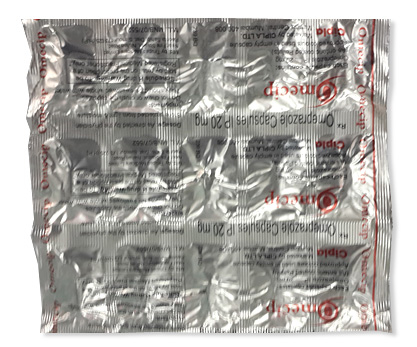
Losec
- In our pharmacy you can buy losec without a prescription for short-term relief (OTC) — typically 20 mg low-count packs — with delivery in 5–14 days throughout the United Kingdom; higher doses or longer-term supplies (eg 20–40 mg for chronic therapy) may require a prescription. Discreet and anonymous packaging available.
- Losec (omeprazole) is used to treat heartburn/GERD, erosive oesophagitis, peptic/duodenal ulcers, as part of H. pylori eradication regimens (with antibiotics) and for acid hypersecretory states; it is a proton pump inhibitor that irreversibly inhibits the H+/K+ ATPase in gastric parietal cells to reduce stomach acid production.
- The usual dose is 20 mg once daily for OTC heartburn (a 14‑day course); for erosive oesophagitis or ulcers 20–40 mg once daily for 4–8 weeks; for H. pylori eradication 20 mg twice daily with appropriate antibiotics; doses are adjusted for children, hepatic impairment and hypersecretory conditions.
- Available as delayed‑release tablets or capsules (10, 20, 40 mg), oral suspension/powder packets (eg 2.5 mg, 10 mg per packet), dispersible powder and a limited IV formulation (40 mg vial); taken orally unless IV is specifically prescribed.
- Onset of acid reduction begins within about 1 hour after a dose; symptomatic relief may take 1–4 days and maximal effect is usually seen after 2–3 days of regular dosing.
- Duration of action is approximately 24 hours per dose (acid secretion is suppressed for up to a day, with effects on acid secretion persisting for 48–72 hours due to irreversible pump inhibition).
- There is no specific contraindication to occasional alcohol use, but avoid excessive alcohol because it can worsen reflux, delay healing of ulcers and increase gastric irritation; alcohol may reduce the benefit of treatment.
- The most common side effect is headache.
- Would you like to try “losec” without a prescription?
Losec
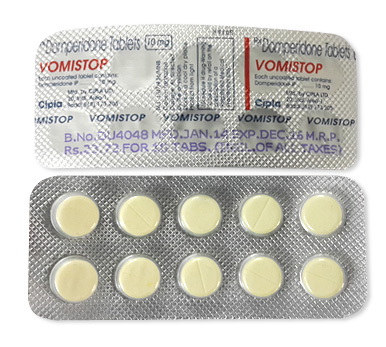
Basic Losec Information
- INN (International Nonproprietary Name): Omeprazole
- Brand Names Available In United Kingdom: Losec; generic omeprazole brands such as Omeprazole Sandoz, Mylan Omeprazole and other generics are available in Europe including the UK.
- ATC Code: A02BC01
- Forms & Dosages: Delayed‑release capsule/tablet 10mg, 20mg, 40mg; oral suspension powder packets (2.5mg, 10mg per packet); dispersible/dry powder 10mg, 20mg, 40mg; limited IV formulation 40mg per vial.
- Manufacturers In United Kingdom: Multinational suppliers include AstraZeneca (Losec), Sandoz, Teva, Mylan, Hikma and other generic manufacturers supplying the UK market.
- Registration Status In United Kingdom: Approved in Europe and supplied as Losec/omeprazole with both prescription and country‑dependent OTC availability; national licences determine supply category in the UK.
- OTC / Rx Classification: 20mg short‑course low‑count packs are sold OTC in short courses; 10mg/20mg/40mg larger packs and chronic therapy preparations are prescription‑only (Rx).
Critical Warnings & Restrictions (Safety First)
High‑Risk Groups
Worried about safety? The most important point is immediate.
Known hypersensitivity to omeprazole or to substituted benzimidazoles is an absolute contraindication and must be treated as an emergency.
Stop the medicine and seek urgent medical attention for rash, angioedema, breathing difficulty or any signs of anaphylaxis.
- Pregnancy or breastfeeding: Discuss with your GP or midwife before starting Losec; weigh risks and benefits rather than self‑treating during pregnancy.
- Elderly: No routine dose reduction, but monitor for falls, fractures, renal function changes and interactions with other medicines.
- Significant liver disease: Use lower doses (typically 10–20mg/day) and monitor hepatic function closely.
- Children: Use licensed paediatric formulations and follow weight/age dosing guidance; seek GP or paediatric advice for dosing.
- Prior C. difficile or recurrent GI infections: Use caution—PPIs can be associated with higher risk of GI infections in vulnerable patients.
Where to seek help: contact your GP, call NHS 111 for urgent advice, visit your local pharmacy for triage, or attend A&E for severe allergic reactions.
- Report adverse events: Submit suspected side effects via the MHRA Yellow Card scheme.
Checklist — red flags To Stop Omeprazole Immediately:
- Severe abdominal pain or sudden worsening of pain.
- Blood in vomit or black, tarry stools.
- Severe, persistent diarrhoea, particularly with fever.
- Jaundice, dark urine or pale stools.
- Any signs of allergic reaction: swelling, rash, difficulty breathing.
Interaction With Activities (Driving, Workplace Safety Under UK Law)
Dizziness and drowsiness are listed but uncommon side effects of omeprazole.
If you feel dizzy, sleepy or otherwise impaired after taking Losec, do not drive or operate heavy machinery until you feel safe to do so.
Employers and drivers must follow DVLA and workplace guidance if medicine‑related impairment occurs.
Q&A — “Can I Drive After Taking It In The UK?”
Will Losec/omeprazole affect my driving?
Most people are unaffected and can drive normally.
If you experience dizziness, drowsiness or any impairment after taking omeprazole, you must not drive or operate machinery and should seek advice from your pharmacist or GP.
Report serious adverse effects to the MHRA Yellow Card scheme.
Usage Basics
INN, Brand Names Available In The UK
What exactly is losec? Omeprazole is the International Nonproprietary Name (INN) for this proton pump inhibitor.
Common UK brands include Losec and many generics such as Omeprazole Sandoz and Mylan Omeprazole supplied in tablet and capsule forms.
- INN: Omeprazole — the nonproprietary name used across countries.
- ATC: A02BC01 — classification for proton pump inhibitors in acid‑related disorders.
- PPI: Proton Pump Inhibitor — the drug class that includes omeprazole.
- Delayed‑Release: Formulations designed to resist stomach acid so the prodrug reaches parietal cells.
Legal Classification (POM, P, GSL)
Supply rules depend on strength and pack size in the UK.
- 20mg short‑course, low‑count packs are commonly sold OTC for a 14‑day treatment.
- Larger packs and higher strengths (10mg/20mg/40mg used for chronic therapy) are prescription‑only (POM/Rx).
- NHS pharmacists must follow MHRA licences and local guidance when supplying OTC Losec.
Practical Note For Pharmacists:
- Check symptom duration and screen for alarm symptoms before supply.
- Confirm current medicines, pregnancy/breastfeeding status and document the supply when required.
- Refer to the GP where symptoms suggest ulcers, GORD needing longer treatment, or safety concerns exist.
Dosing Guide
Standard Regimens (NHS Guidelines)
People ask: how much and for how long?
| Condition | Usual Dose | Typical Duration |
|---|---|---|
| Symptomatic heartburn (OTC) | 20mg once daily | 14 days (max one course every 4 months) |
| Erosive oesophagitis | 20–40mg once daily | 4–8 weeks |
| Peptic/duodenal ulcer | 20mg once daily | 4–8 weeks |
| H. pylori eradication | 20mg twice daily + antibiotics | 10–14 days |
| Zollinger–Ellison syndrome | Start high (often 60mg) and titrate; maintenance 20–120mg/day | Individualised, often long‑term |
Adjustments For Comorbidities
- Children: Follow weight/age dosing—example 10mg once daily for 10–20kg; >20kg often 20mg/day; use licensed paediatric formulations.
- Elderly: No routine reduction, but monitor for sensitivity and interactions.
- Hepatic Impairment: Use lowest effective dose; maximum commonly limited to 10–20mg/day in significant liver disease.
- Renal Impairment: No usual dose change, but use caution in severe renal disease.
Q&A — “What If I Miss A Dose?”
Missed omeprazole dose — what to do?
Take the missed dose as soon as you remember unless it is almost time for the next dose.
Do not double up on doses.
For an OTC 14‑day course, continue and complete the course; contact your GP if many doses are missed or symptoms persist.
Interaction Chart
Food And Drinks (Alcohol, Tea/Coffee, Diet Habits)
Does food matter?
Alcohol does not inactivate omeprazole but can worsen acid reflux and heartburn, undermining treatment effect.
Caffeinated drinks, spicy or fatty foods, citrus and peppermint may still trigger reflux despite acid suppression.
Take omeprazole 30–60 minutes before breakfast for best effect.
If using antacids or buffered formulations, separate omeprazole by 1–2 hours when possible for optimal absorption.
Common Drug Conflicts (MHRA Yellow Card Data)
- Contraindicated: Do not co‑prescribe with nelfinavir due to serious interaction.
- Clopidogrel: Omeprazole inhibits CYP2C19 and can reduce conversion of clopidogrel to its active form; discuss with prescriber.
- Warfarin: Monitor INR when starting or stopping omeprazole.
- Other medicines to watch: methotrexate, digoxin, diazepam, certain azole antifungals and some protease inhibitors—consider monitoring or alternative treatment.
| Drug | Interaction Effect | Action Required |
|---|---|---|
| Nelfinavir | Serious interaction; co‑administration contraindicated | Avoid combination; choose alternative antacid therapy |
| Clopidogrel | Reduced activation of clopidogrel via CYP2C19 inhibition | Discuss antiplatelet strategy with prescriber; consider alternative PPI if needed |
| Warfarin | Possible increased INR and bleeding risk | Monitor INR after starting or stopping omeprazole |
| Methotrexate | Potential increased toxicity | Monitor levels and consider temporary suspension if necessary |
If you suspect a serious interaction, report it via the MHRA Yellow Card scheme.
User Reports & Trends
What are patients saying online about losec and omeprazole?
- Many report rapid symptom relief for acid reflux and heartburn within days of starting omeprazole.
- Concerns appear about long‑term dependence and rebound acid hypersecretion when stopping treatment.
- Some users on forums report prolonged diarrhoea or oral/thrush candidiasis during extended therapy.
- Easy OTC access often leads to short‑course self‑treatment without GP review.
- There is strong interest in de‑prescribing and return to lifestyle measures to control symptoms.
Common Patient‑Reported Benefits:
- Rapid reduction in heartburn and regurgitation.
- Improved sleep due to fewer nocturnal reflux episodes.
- Effective ulcer healing when used as prescribed.
Common Patient Concerns:
- Difficulty stopping after months of daily use due to rebound symptoms.
- Fear of long‑term risks such as low magnesium or bone effects.
- Worries about interactions with other medicines.
Suggestion For Clinicians: consider formal de‑prescribing pathways used in UK primary care and discuss step‑down strategies for long‑term users.
Access & Purchase Options
High‑Street Chains: Boots, LloydsPharmacy, Superdrug
Retail pharmacies supply OTC 20mg short‑course packs and dispense prescriptions for omeprazole tablets and capsules.
Pharmacists will triage symptoms, provide counselling and refer to GP if red flags are identified.
Many branches run private clinics or can arrange repeat prescriptions under private arrangements.
Online Pharmacies And NHS E‑Prescriptions
NHS e‑Prescription and electronic repeat dispensing are widely used for regular prescriptions.
When buying online, choose MHRA‑registered and GPhC‑registered pharmacy websites and check contact details and registration numbers.
Beware of unreliable overseas sellers; always check packaging and batch details on arrival.
| Option | What It Offers | When To Use |
|---|---|---|
| In‑Store Pharmacy | OTC short course, prescription dispensing, face‑to‑face counselling | Immediate advice and supply; ideal for triage |
| Online Pharmacy | Home delivery, electronic consultation, repeat supplies | Convenient for regular prescriptions; verify pharmacy registration |
| NHS Prescription | Prescribed treatment with repeat dispensing options | For chronic GORD and long‑term management |
| Private Clinic | Private prescription and monitoring | When rapid specialist review or private care preferred |
Checklist For Safe Online Purchase:
- Verify pharmacy is registered with the General Pharmaceutical Council and shows MHRA information if requested.
- Ensure prescription validation is required for Rx packs and that contact details are clear.
- Check packaging, batch number and expiry on delivery.
In our online pharmacy, losec is available without a prescription in short‑course 20mg packs, with discreet delivery across the United Kingdom in 5–14 days.
Mechanism & Pharmacology
Simplified Explanation
How does omeprazole stop acid?
Omeprazole is a proton pump inhibitor that irreversibly inhibits the H+/K+ ATPase enzyme on gastric parietal cells.
It is a prodrug activated in the acidic canaliculi of parietal cells, leading to reduced gastric acid secretion.
Onset of effect occurs within hours, with maximal acid suppression seen after several days of dosing, and typical duration around 24 hours per dose.
ATC classification is A02BC01, and formulations include delayed‑release tablets and capsules, oral suspensions and limited IV vials (40mg).
Clinical Terms
- Acid Suppression: Reduction in stomach acid production by inhibiting the proton pump.
- Rebound Acid Hypersecretion: Temporary increase in acid production after PPI withdrawal that can cause return of symptoms.
- Eradication Therapy: Combination of a PPI and antibiotics to treat H. pylori infection.
- Bioavailability: The proportion of drug reaching systemic circulation; omeprazole is acid‑labile and formulated as delayed‑release.
- CYP2C19 Metabolism: Omeprazole is metabolised by CYP2C19, affecting interactions and response variability.
Diagram Suggestion: a simple labelled diagram showing a parietal cell, acid canaliculus, prodrug activation and proton pump inhibition helps patients understand activation and effect timing.
Indications & Off‑Label Uses
MHRA‑Approved Uses
| Indication | Typical Dose | Typical Duration |
|---|---|---|
| Symptomatic GORD/heartburn (OTC) | 20mg once daily | 14 days (max one course every 4 months) |
| Erosive oesophagitis | 20–40mg once daily | 4–8 weeks |
| Duodenal/gastric ulcer | 20mg once daily | 4–8 weeks |
| H. pylori eradication | 20mg twice daily + antibiotics | 10–14 days |
| Hypersecretory conditions (Zollinger–Ellison) | Individualised; start high and titrate | Long‑term as required |
Off‑Label Practices In NHS And Private Care
- Stress ulcer prophylaxis in selected in‑patients where clinically indicated.
- Use in functional dyspepsia trials or diagnostic trials for symptom response.
- Intermittent or on‑demand dosing and de‑prescribing strategies for long‑term users are common in primary care.
Refer Rather Than Self‑Treat If Any Of The Following Are Present:
- Alarm symptoms such as weight loss, persistent vomiting, anaemia or GI bleeding.
- Symptoms lasting beyond an OTC course or recurrent need for treatment within four months.
- Known liver disease requiring dose adjustments or patients on interacting medicines like nelfinavir.
Key Clinical Findings (UK & EU Studies 2022–2025)
- Randomised trials continue to show PPIs, including omeprazole, heal erosive oesophagitis and are superior to H2 blockers for moderate to severe GORD symptoms.
- Observational data from UK and EU cohorts link long‑term PPI use with small absolute increases in risks such as hypomagnesaemia, bone fractures and C. difficile infection, particularly in frail elderly patients.
- Primary‑care stewardship and de‑prescribing audits in the 2020s have reduced inappropriate long‑term PPI prescribing through review and decision support.
- Key clinical takeaway: strong short‑term benefit for acid control; review the need for ongoing therapy after 4–12 weeks and monitor long‑term users for magnesium, bone health and infection history.
Alternatives Matrix
NHS Prescribing Alternatives (Comparison Table)
| Drug | Relative Potency | Typical Dose | Cost/Availability | Pros/Cons |
|---|---|---|---|---|
| Esomeprazole (Nexium) | Similar to omeprazole; marketed as S‑enantiomer | 20mg once daily | Widely available as branded and generic | May be favoured for some patients; similar risks to omeprazole |
| Pantoprazole | Comparable acid suppression | 40mg once daily | Available on NHS formularies | Fewer CYP2C19 interactions than omeprazole |
| Lansoprazole | Comparable | 15–30mg once daily | Available as generic | Alternative for intolerance or interaction issues |
| Rabeprazole | Comparable | 20mg once daily | Less commonly used but available | Useful if other PPIs cause interactions |
| H2 Receptor Antagonists (e.g., famotidine) | Less potent than PPIs | Famotidine dosing varies | Availability variable | May suit mild cases or step‑down therapy |
Pros And Cons Checklist
- Consider alternatives when there is prior intolerance to omeprazole or problematic CYP2C19 interactions (e.g., with clopidogrel).
- Check allergy history and prior response to other PPIs before switching.
- Take into account cost, local formulary restrictions and patient preference.
- Refer complex or refractory cases to gastroenterology rather than prolonged trial and error.
Common Questions From UK Patient Consultations
- How long until it works? Many patients notice improvement within 1–3 days; full effect can take several days of regular dosing.
- Can I stop after symptoms improve? Complete an OTC 14‑day course; for chronic prescriptions discuss tapering or de‑prescribing with your GP to reduce rebound acid.
- Is it safe in pregnancy/breastfeeding? Discuss with your GP or midwife; avoid unsupervised self‑medication in pregnancy.
- Children’s dosing? Use licensed paediatric formulations, follow weight/age guidance and consult your GP or paediatrician.
- What about long‑term risks? Long‑term users should be reviewed for magnesium status, bone health and history of GI infections.
For personalised advice, consult NHS resources, your GP or a pharmacist.
NHS Cost & Access Comparison Table
| Source | Typical Retail Price Range (OTC 20mg Short Course) | NHS Prescription Charge Status | Exemption Categories |
|---|---|---|---|
| Boots | Not specified | England: pay per item unless exempt; Scotland/Wales/NI: prescriptions free | Age, low income, pregnancy, war pensioners (as per NHS rules) |
| LloydsPharmacy | Not specified | England: pay per item unless exempt; Scotland/Wales/NI: prescriptions free | Exemptions apply; check NHS guidance |
| Superdrug | Not specified | England: pay per item unless exempt; Scotland/Wales/NI: prescriptions free | Check local NHS exemption rules |
| Online Pharmacy | Not specified | Depends on whether supplied on NHS prescription or private sale | Verify prescription status and exemptions |
| NHS Prescription | Not applicable | England: pay per item unless exempt; Scotland/Wales/NI: prescriptions free | As per NHS regional rules |
Checklist For Cost Saving:
- Ask for generic omeprazole when possible.
- Consider NHS prescription prepayment certificates if you have repeat medicines.
- Have exemption proof ready when claiming free prescriptions in England.
Registration & Regulation
MHRA Approval Process
Omeprazole products are licensed via national regulatory agencies such as the MHRA or via EMA routes for EU products.
Marketing authorisations specify indications, strengths and supply category (OTC vs prescription).
Suspected adverse reactions or counterfeit supplies should be reported to the MHRA and via the Yellow Card scheme.
NHS Prescribing Framework
- NICE and local formularies guide GORD and dyspepsia management in primary care.
- Repeat prescribing should include regular review, clear indication documentation and consideration of de‑prescribing.
Checklist For Clinicians:
- Confirm the indication before starting or continuing omeprazole.
- Review duration and stop dates on repeat prescriptions.
- Check for interactions and contraindications such as nelfinavir use or allergy.
- Document the review date and patient counselling provided.
Storage & Handling
UK Household Storage (Cold/Damp Climate)
Store omeprazole at room temperature, typically 20–25°C, and protect from moisture and light.
Do not refrigerate oral suspensions unless the product leaflet specifically instructs you to do so.
Keep tablets and capsules in their original packaging to preserve delayed‑release properties.
In damp UK homes, store medicines in a dry room away from bathrooms and kettles where steam is common.
Guidance From NHS And Pharmacists
- Keep all medicines out of reach and sight of children.
- Dispose of expired or unwanted medicines via your local pharmacy return scheme; do not flush them down the loo.
- Carry medicines in their original box with the label when travelling and keep a copy of any prescription for border checks if required.
| Item | Recommended Condition |
|---|---|
| Tablets/Capsules | Room temperature 20–25°C, dry, in original packaging |
| Oral Suspension Packets | Room temperature unless leaflet states otherwise; protect from moisture |
Guidelines For Proper Use (Patient Counselling & Safety)
UK Pharmacist Counselling Style
- Take omeprazole 30–60 minutes before breakfast for best effect.
- Swallow delayed‑release tablets and capsules whole; do not crush or chew enteric‑coated preparations.
- Complete the prescribed course and do not self‑extend OTC courses beyond the recommended frequency.
- Report persistent or worsening symptoms and watch for red flags that need GP review.
- Pharmacists should document OTC supplies and check pregnancy status, other medicines and alarm symptoms.
NHS Patient Safety Advice
- Common side effects include headache, nausea, stomach pain, diarrhoea or constipation and dizziness.
- Rarer long‑term risks include hypomagnesaemia, possible increased fracture risk and C. difficile infection in susceptible people.
- Arrange review for chronic users and consider blood tests (e.g., magnesium) and bone health assessment where clinically indicated.
- Report serious adverse events via the MHRA Yellow Card scheme.
Patient Checklist For Safe Use:
- Take as instructed and keep a record of start and review dates.
- Discuss plans to stop treatment with your GP to manage rebound symptoms.
- Seek pharmacist or GP advice before combining with other acid‑suppressing medicines.
Delivery Across United Kingdom
| City | Region | Delivery Time |
|---|---|---|
| London | Greater London | 5–7 days |
| Birmingham | West Midlands | 5–7 days |
| Manchester | Greater Manchester | 5–7 days |
| Glasgow | Scotland | 5–7 days |
| Leeds | West Yorkshire | 5–7 days |
| Sheffield | South Yorkshire | 5–9 days |
| Edinburgh | Scotland | 5–7 days |
| Bristol | South West England | 5–9 days |
| Newcastle | North East England | 5–9 days |
| Cardiff | Wales | 5–9 days |
| Nottingham | Nottinghamshire | 5–9 days |
| Southampton | South East England | 5–9 days |
| Brighton | East Sussex | 5–9 days |
| Aberdeen | Scotland | 5–9 days |