
Ceporex
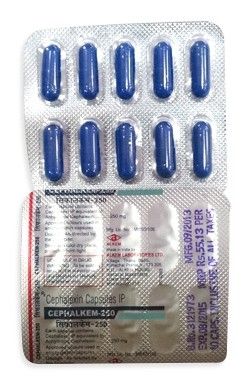
Ceporex
- In our pharmacy, you can buy ceporex without a prescription, with delivery in 5–14 days throughout United Kingdom. Discreet and anonymous packaging. (Note: cephalexin is prescription‑only in most countries — check local regulations.)
- Ceporex (cephalexin) is used to treat bacterial infections such as skin and soft tissue infections, streptococcal pharyngitis, uncomplicated urinary tract infections and certain respiratory infections. It is a first‑generation cephalosporin antibiotic that works by inhibiting bacterial cell‑wall synthesis (binding penicillin‑binding proteins) to produce a bactericidal effect.
- Usual dosage: Adults 250–500 mg every 6–12 hours for typical infections; for severe infections up to 1,000 mg every 6 hours (maximum about 4 g/day). Children 25–50 mg/kg/day in divided doses (up to 100 mg/kg/day for severe infections). Duration commonly 7–14 days depending on the infection and response.
- Form of administration: oral — capsules and tablets (commonly 250 mg, 500 mg; also 375 mg and 750 mg in some markets) or reconstituted oral suspension (125 mg/5 mL or 250 mg/5 mL) for paediatric dosing.
- Onset time: antibacterial activity begins shortly after absorption with peak plasma concentrations around 1 hour; clinical improvement is often seen within 24–72 hours of starting therapy.
- Duration of action: therapeutic effect typically supports dosing every 6–12 hours (effect per dose lasting approximately 6–12 hours); full treatment duration depends on the condition being treated.
- Alcohol warning: there is no specific severe interaction with alcohol, but avoid excessive alcohol while unwell as it can worsen side effects (especially gastrointestinal symptoms) and impair recovery.
- The most common side effect is diarrhoea; other common effects include nausea, vomiting, abdominal discomfort and rash. Seek medical attention for severe allergic reactions or signs of Clostridioides difficile infection.
- Would you like to try “ceporex” without a prescription?
Ceporex
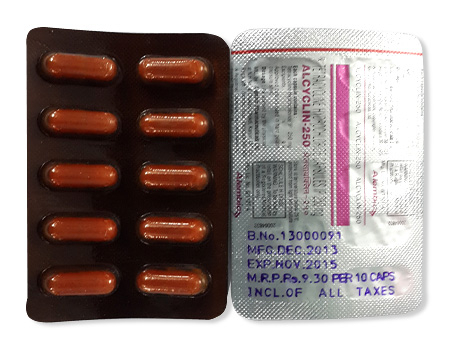
Basic Ceporex Information
- INN (International Nonproprietary Name): Cephalexin
- Brand Names Available In United Kingdom: not specified
- ATC Code: J01DB01
- Forms & Dosages: Capsule 250 mg, 500 mg, 750 mg; Tablet 250 mg, 500 mg, 375 mg; Oral suspension 125 mg/5 mL, 250 mg/5 mL (usually reconstituted before dispensing).
- Manufacturers In United Kingdom: not specified
- Registration Status In United Kingdom: not specified
- OTC / Rx Classification: Prescription (Rx) only in virtually all markets.
Critical Warnings & Restrictions (Patient Safety First)
High‑Risk Groups (Elderly, Pregnancy, Chronic Illness)
- INN: Cephalexin — avoid if known allergy to cephalexin or other cephalosporins.
- Consider cross‑reactivity with penicillins where there is a history of anaphylaxis to beta‑lactams.
- High‑risk groups include known beta‑lactam anaphylaxis, severe renal impairment (dose adjust), infants and neonates, pregnant or breastfeeding women (use after risk/benefit assessment), and patients with prior Clostridioides difficile infection.
- Common side effects such as diarrhoea and nausea may be more problematic in frail older adults and infants.
Prescriber/pharmacist checklist:
- Confirm allergy history to cephalexin, cephalosporins and penicillins.
- Check most recent renal function and estimate creatinine clearance for dosing decisions.
- Ask about pregnancy status and breastfeeding, and discuss risks in first trimester or for neonates.
- Review recent gastrointestinal history, especially prior C. difficile infection.
- Review concurrent medicines for potential interactions or INR effects with anticoagulants.
Interaction With Activities (Driving, Workplace Safety Under UK Law)
- Most people experience no impairment from cephalexin.
- Dizziness or drowsiness can occur in uncommon cases; counsel workers in safety‑critical roles individually.
- Advise against driving or operating machinery if feeling dizzy, drowsy or unwell after taking the antibiotic.
- Report suspected adverse effects via the MHRA Yellow Card scheme.
Q&A — “Can I Drive After Taking It In The UK?”
If you feel well with no dizziness or drowsiness, driving is usually safe.
If you experience side effects such as dizziness or severe drowsiness, do not drive and inform your prescriber or pharmacist.
Report any serious adverse events, including those affecting driving ability, to the MHRA Yellow Card scheme.
Usage Basics (Branding, Classification, Formats)
INN, Brand Names Available In The UK
The International Nonproprietary Name (INN) is cephalexin.
Globally recognised brand names include Keflex, Daxbia, Keftab and Biocef, but in the UK most supplies are generic cefalexin products provided as capsules, tablets or oral suspension.
| Form | Common Strengths |
|---|---|
| Capsule | 250 mg, 500 mg, 750 mg |
| Tablet | 250 mg, 500 mg, 375 mg |
| Oral Suspension (reconstituted) | 125 mg/5 mL, 250 mg/5 mL |
Legal Classification (POM, P, GSL)
- INN: Cephalexin.
- ATC: J01DB01 (first‑generation cephalosporin).
- POM: Prescription‑only medicine in virtually all markets, including the UK.
The drug is supplied on NHS prescriptions, private prescriptions or via regulated online pharmacies and must not be supplied without a valid prescription.
Dosing Guide (NHS‑Aligned Regimens & Adjustments)
Standard Regimens (NHS Guidelines)
| Condition | Typical Dose | Typical Duration |
|---|---|---|
| Uncomplicated Skin And Soft Tissue Infection | 250–500 mg every 6–12 hours | 7–14 days |
| Respiratory Tract Infection (where appropriate) | 250–500 mg every 6–12 hours | 7–14 days |
| Uncomplicated Urinary Tract Infection | 250–500 mg every 6–12 hours | 5–7 days for uncomplicated UTI; up to 14 days for complicated cases |
| Severe Infection | Up to 1,000 mg every 6 hours (max 4 g/day) | Tailored to severity; see local formularies |
| Children | 25–50 mg/kg/day in divided doses; up to 100 mg/kg/day for severe infection | 7–14 days depending on indication |
Always complete the full prescribed course to reduce the risk of resistance and relapse.
Adjustments For Comorbidities
- Renal impairment: extend dosing interval and/or reduce dose; monitor renal function and follow local guidance.
- Elderly: no automatic age‑based reduction but monitor renal function and adjust as required.
- Pregnancy/Breastfeeding: generally considered safe but consult specialist for first trimester use or if breastfeeding a neonate.
Dose adjustment steps checklist:
- Check latest eGFR/creatinine clearance.
- Select lower dose or extend interval per local formulary.
- Document the change and advise patient on monitoring for side effects.
Q&A — “What If I Miss A Dose?”
Take the missed dose as soon as you remember unless it is almost time for the next dose, in which case skip the missed dose.
Do not double up doses to make up for a missed dose.
If in doubt, contact NHS 111 or your pharmacist for advice.
Interaction Chart (Food, Drink, Medicines, Reporting)
Food And Drinks (Alcohol, Tea/Coffee, Diet Habits)
- There are no major direct interactions with food, so capsules and tablets may be taken with or without food.
- Alcohol does not alter the antibacterial effect of cephalexin but can worsen gastrointestinal side effects such as nausea and diarrhoea; advise moderation.
- Caffeinated drinks are not known to interact with cephalexin, though they may mask fatigue if the patient feels unwell.
Common Drug Conflicts (MHRA Yellow Card Data)
| Concomitant Drug | Interaction | Action |
|---|---|---|
| Probenecid | Reduces renal excretion of cephalexin, increasing plasma concentrations | Monitor levels/side effects; dose adjustment may be needed |
| Oral Contraceptives | Theoretical reduction in absorption with some antibiotics | Advise additional contraception if concerned |
| Warfarin (or other vitamin K antagonists) | Antibiotics can occasionally affect INR | Monitor INR when starting or stopping antibiotics |
Encourage reporting of suspected interactions via the MHRA Yellow Card scheme.
User Reports & Trends (NHS Choices / Patient.info / Forums)
- Common patient comments: short‑term GI upset (diarrhoea, nausea) is frequently reported.
- Many users report good efficacy for uncomplicated skin infections and UTIs when given at the correct dose.
- Parents often prefer suspension formulations for accurate paediatric dosing.
- Forum concerns include antibiotic overuse and a desire for clearer stewardship guidance from prescribers.
- Pharmacist counselling is frequently cited as helpful in managing side effects and dosing questions.
| Aspect | Sentiment |
|---|---|
| Efficacy | Generally Positive |
| Side Effects | Commonly Mild GI Symptoms |
| Access Concerns | Questions Over Appropriate Prescribing |
- Editorial note for content teams: mine Patient.info and NHS.uk comments for top queries such as "Keflex 500 mg price" and "cefalexin suspension children dosing".
- Use patient comments to inform FAQ content and pharmacist counselling scripts for common concerns.
Access & Purchase Options (Boots, Lloyds, Online)
High‑Street Pharmacies And Chains
Boots, LloydsPharmacy, Superdrug and independent community pharmacies dispense cefalexin on NHS or private prescription.
NHS prescriptions can be issued electronically (EPS) and collected at a nominated pharmacy.
- Checklist for patients collecting: bring prescription or EPS details, a list of allergies, and a current medicines list.
- Ask the pharmacist for a dosing leaflet and advice on reconstituting suspension if supplied.
Online Pharmacies And NHS E‑Prescriptions
MHRA and GPhC‑registered online pharmacies accept NHS e‑prescriptions or private prescriptions for supply.
Always avoid unregulated sellers offering antibiotics without a prescription.
- Verification checklist for online vendors: GPhC registration, visible NHS logo where applicable, verifiable pharmacist contact details and secure payment portal.
- Compare steps for purchasing in person versus online in the table below.
| Route | Steps |
|---|---|
| In‑Person Pharmacy | Present prescription or EPS, speak to pharmacist, collect medicine, receive counselling |
| Registered Online Pharmacy | Upload prescription or use NHS e‑prescription, clinician review if required, dispatched to address, pharmacist available by phone |
In our online pharmacy, ceporex is available on valid prescriptions with discreet delivery across the United Kingdom in 5–14 days.
Mechanism & Pharmacology (Simplified + Clinical Terms)
Simplified Explanation
Cephalexin is a first‑generation cephalosporin that kills susceptible bacteria by inhibiting bacterial cell‑wall synthesis.
It is effective against many Gram‑positive organisms and some Gram‑negative Enterobacteriaceae, but it is not reliable for MRSA or enterococci.
- Active against streptococci and many methicillin‑sensitive Staphylococcus aureus strains.
- Limited activity against most Gram‑negative rods beyond Enterobacteriaceae.
Clinical Terms
- Bactericidal: kills bacteria rather than merely inhibiting growth.
- ATC: J01DB01 — first‑generation cephalosporin.
| Parameter | Summary |
|---|---|
| Absorption | Well absorbed orally |
| Distribution | Distributes to many tissues; dosing forms include capsules, tablets and suspension |
| Elimination | Primarily renally excreted — adjust dosing for renal impairment |
Indications & Off‑Label Uses (MHRA Vs NHS Practice)
MHRA‑Approved Uses
| Indication | Typical NHS Dose | Evidence Strength |
|---|---|---|
| Uncomplicated Skin And Soft Tissue Infections | 250–500 mg every 6–12 hours | Established clinical use |
| Streptococcal Pharyngitis (Where Appropriate) | 250–500 mg every 6–12 hours | Moderate strength, alternative when penicillin unsuitable |
| Uncomplicated Urinary Tract Infections | 250–500 mg every 6–12 hours | Common first‑line for susceptible isolates |
| Dental Prophylaxis (Non‑Anaphylactic Penicillin Allergy) | Per local guidance | Used in selected cases |
Off‑Label Practices In NHS/Private Care
- Off‑label dosing adjustments or short‑course regimens may be used in specific clinical scenarios under clinician judgement.
- Document rationale and obtain informed consent when prescribing beyond licence terms.
- Examples of off‑label use: altered duration for surgical prophylaxis, alternative dosing schedules in specialist referrals.
- Checklist for documenting off‑label use: clinical indication, rationale, patient discussion and consent, review plan.
Key Clinical Findings (UK/EU Evidence Snapshot, 2022–2025)
Surveillance and systematic reviews up to 2025 show first‑generation cephalosporins remain effective for many uncomplicated Gram‑positive infections, with ongoing concerns about resistance among some Enterobacteriaceae.
UKHSA and NICE stress targeted prescribing and use of the narrowest effective agent to support antimicrobial stewardship.
Reported adverse events are mostly mild and gastrointestinal in nature, with rare severe reactions such as C. difficile infection or anaphylaxis documented.
| Evidence Type | Finding | Action For Prescribers |
|---|---|---|
| Surveillance Data | Stable efficacy for many Gram‑positive pathogens; rising resistance in some Gram‑negatives | Prescribe based on local susceptibility patterns |
| Systematic Reviews | Effective for uncomplicated skin and soft tissue infections | Consider as first‑line where appropriate |
| Pharmacovigilance | Mostly mild GI adverse events; rare severe adverse events reported | Advise patients on red flags and report via Yellow Card |
- Clinical takeaway: use targeted prescribing, review therapy early, and monitor for adverse effects in high‑risk patients.
- Refer to MHRA, NICE and UKHSA guidance for local formulary recommendations.
Alternatives Matrix (NHS Prescribing Alternatives & Pros/Cons)
NHS Prescribing Alternatives
| Drug | Spectrum | Suitability If Penicillin Allergy | Common Dose | Key Cautions |
|---|---|---|---|---|
| Amoxicillin | Broad Gram‑positive and some Gram‑negative | Not suitable for penicillin‑anaphylaxis | 500 mg three times daily (varies by indication) | Allergy risk in beta‑lactam sensitive patients |
| Phenoxymethylpenicillin (Penicillin V) | Good streptococcal coverage | Not suitable if penicillin allergy | 500 mg every 6–8 hours | Limited gram‑negative coverage |
| Cefadroxil | First‑generation cephalosporin similar to cephalexin | Use with caution if penicillin allergy | 500 mg once or twice daily depending on infection | Renal dosing considerations |
| Macrolides (Clarithromycin, Azithromycin) | Alternative for penicillin allergy; good atypical coverage | Suitable for many with penicillin allergy | Clarithromycin 250–500 mg twice daily; Azithromycin regimens vary | QT prolongation risk; drug interactions |
| Clindamycin | Good for certain staphylococcal and anaerobic infections | Suitable for many with penicillin allergy | 300–450 mg every 6–8 hours | Higher risk of C. difficile colitis |
Pros And Cons Checklist
- Beta‑lactam allergy? Consider macrolide or clindamycin after allergy assessment.
- Need MRSA coverage? Cephalexin is not suitable; consider alternatives guided by microbiology.
- Renal impairment? Choose an agent with a safer renal profile or adjust dosing and monitor renal function.
- Document rationale for choice and follow stewardship principles when selecting alternatives.
Common Questions From UK Patients
- Can I breastfeed while taking cephalexin? — Generally considered compatible; consult your prescriber for neonates or preterm infants.
- Will it affect my contraception? — There is no strong evidence that cephalexin reduces contraceptive effectiveness; advise extra precautions if the patient is concerned.
- When should I seek urgent help? — Seek urgent care for severe rash, difficulty breathing, persistent high fever, severe or bloody diarrhoea, or jaundice.
Red‑flag checklist for patient leaflets:
- Severe allergic reaction signs: swelling of face, lips, tongue, difficulty breathing.
- Severe, persistent, or bloody diarrhoea (concern for C. difficile).
- High fever unresponsive to therapy or signs of spreading infection.
- New jaundice or dark urine.
When in doubt, call NHS 111 or attend A&E if symptoms are severe or life‑threatening.
NHS Cost & Access Comparison Table (Regional Differences)
| Source/Pharmacy | Typical Private Price Range | NHS Prescription Charge / Regional Policy |
|---|---|---|
| Boots | £10–£25 (estimate) | England: standard prescription charge applies; Scotland/Wales/NI handle prescriptions differently |
| LloydsPharmacy | £10–£25 (estimate) | England: standard prescription charge applies; exemptions may apply |
| Superdrug | £10–£25 (estimate) | Prescription charge varies by UK nation; check NHS.uk |
| Independent Community Pharmacy | £8–£30 (estimate) | Varies by region and exemptions |
| Registered Online Pharmacy | £10–£35 (estimate inc. delivery) | NHS e‑prescriptions accepted where applicable; private prescription charges vary |
Footnote: check NHS.uk for the current England prescription charge and local health board policies for Scotland, Wales and Northern Ireland.
- Eligibility for free prescriptions includes children, those over 60, pregnant women and certain benefit recipients — ask your pharmacy for details.
- Always query exact costs with the dispensing pharmacy before ordering.
Registration & Regulation (MHRA, NHS Prescribing Framework)
MHRA Approval Process & Pharmacovigilance
- Cephalexin products in the UK are subject to MHRA regulation and marketing authorisation requirements.
- Manufacturers and suppliers must comply with their marketing authorisation terms and report safety issues to MHRA.
- Reporting steps: identify the suspected adverse reaction, collect product details, and submit via the MHRA Yellow Card website or app.
NHS Prescribing Framework
- Follow local formularies and NICE guidance when selecting antibiotics and document indication and planned duration.
- Antimicrobial stewardship includes reviewing therapy within 48–72 hours for appropriateness and narrowing therapy if possible.
- Checklist for prescribers: record indication, set review date, provide patient safety‑netting advice and document counselling.
Storage & Handling (Practical UK Household Advice)
UK Household Storage (Cold/Damp Climate)
- Store capsules and tablets at 20–25°C in the original packaging and protect from moisture (avoid bathrooms and damp areas).
- Reconstituted oral suspension should be refrigerated and used within 14 days; do not freeze.
- During transport, keep suspension chilled after mixing; unsealed suspensions should follow cold‑chain guidance.
Household checklist:
- Keep medicines out of reach and sight of children.
- Label containers with the patient name and dosing instructions if dispensing multiple prescriptions.
- Return unused antibiotics to a pharmacy for safe disposal.
Guidance From NHS And Pharmacists
- Pharmacists advise patients on correct storage on supply and can provide a printed leaflet for reconstitution instructions.
- If travelling with medication, keep products in original packaging and carry prescription or clinician contact details.
- Dispose of any unused or expired antibiotics at a pharmacy rather than household waste.
Guidelines For Proper Use (Pharmacist Counselling & Patient Safety)
UK Pharmacist Counselling Style (What To Cover)
- Confirm allergies and review the patient’s current medicines before handing out cefalexin or cefalexin capsules or suspension.
- Explain dose, frequency and total duration, and stress the importance of finishing the full course even if feeling better.
- Discuss common side effects such as GI upset and advise how to manage mild symptoms at home.
- Explain what to do if a dose is missed and highlight red‑flag symptoms that require urgent review.
- Offer to record counselling in the pharmacy record and provide a written leaflet for reference.
NHS Patient Safety Advice (Follow‑Up & Stewardship)
- Advise patients to seek review if there is no improvement within 48–72 hours for more serious infections.
- Emphasise not to share antibiotics and to complete the prescribed course to reduce antimicrobial resistance.
- Encourage reporting adverse events via MHRA Yellow Card and to contact the pharmacist with any queries.
Delivery Across United Kingdom
| City | Region | Delivery time |
|---|---|---|
| London | England | 5–7 days |
| Birmingham | England | 5–7 days |
| Manchester | England | 5–7 days |
| Glasgow | Scotland | 5–7 days |
| Leeds | England | 5–7 days |
| Edinburgh | Scotland | 5–7 days |
| Bristol | England | 5–7 days |
| Cardiff | Wales | 5–7 days |
| Belfast | Northern Ireland | 5–9 days |
| Newcastle | England | 5–9 days |
| Norwich | England | 5–9 days |
| Southampton | England | 5–9 days |
| Plymouth | England | 5–9 days |
| Reading | England | 5–9 days |