
Women's Health
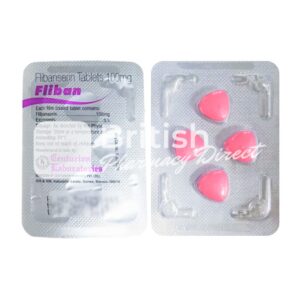
Addyi
from
Parlodel
from
Provera
from
Cyclogest
from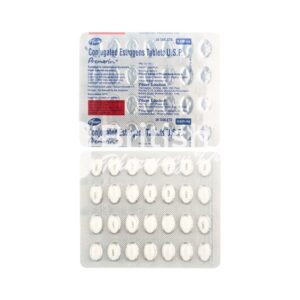
Premarin
from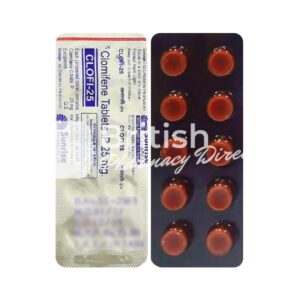
Clomid
from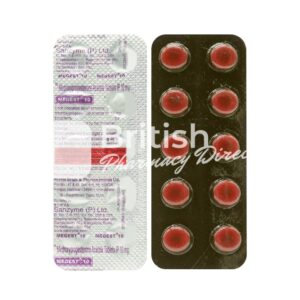
Medroxyprogesterone
from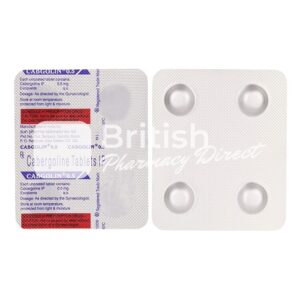
Dostinex
from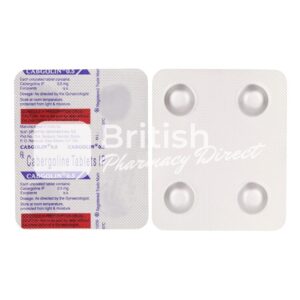
Cabergoline
from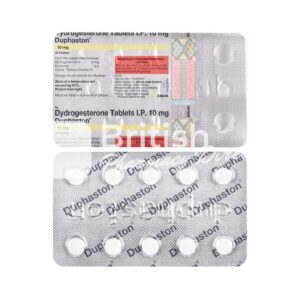
Duphaston
from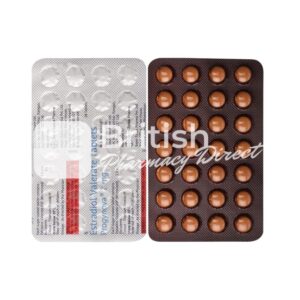
Estradiol
from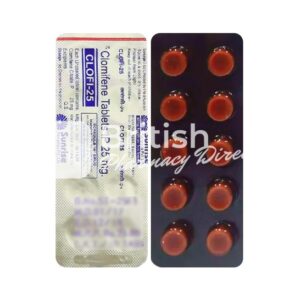
Clomiphene
from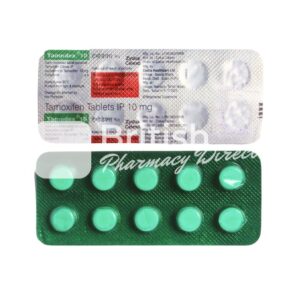
Nolvadex
from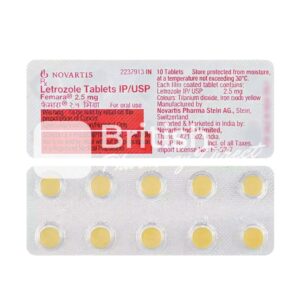
Femara
from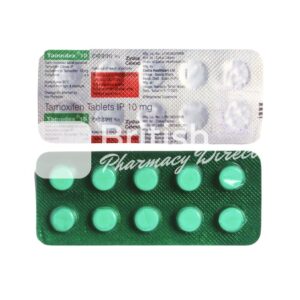
Tamoxifen
fromContraception & Birth Control
Overview of Contraception Options
Contraception plays a vital role in women’s reproductive health, offering freedom and control over family planning decisions. The United Kingdom provides access to various contraceptive methods suited to different lifestyles and health requirements. Whether you’re seeking hormonal or non-hormonal options, temporary or permanent solutions, understanding your choices empowers you to make informed decisions about your body and future.
Hormonal Contraceptives
Hormonal contraceptives remain among the most popular birth control methods in the UK. The combined oral contraceptive pill contains oestrogen and progestogen, providing over 99% effectiveness when used correctly. Popular brands available include Microgynon, Yasmin, and Rigevidon. The progestogen-only pill, or “mini-pill,” offers an alternative for women who cannot take oestrogen, with options like Cerelle and Norgeston widely prescribed. Injectable contraceptives such as Depo-Provera provide three months of protection per injection, whilst contraceptive patches and vaginal rings offer convenient alternatives to daily pills.
Long-Acting Reversible Contraception
Long-acting reversible contraceptive methods (LARCs) including intrauterine devices (IUDs) and intrauterine systems (IUS) offer extended protection lasting three to ten years. Mirena and Skyla are popular IUS options, whilst copper IUDs like Copper T provide non-hormonal contraception. These methods are increasingly recommended by NHS services due to their reliability and lack of user error.
Barrier Methods
Condoms remain essential for preventing both pregnancy and sexually transmitted infections. Beyond traditional condoms, diaphragms and cervical caps offer additional barrier protection options available through sexual health services.
Menstrual Health & Period Management
Understanding Your Menstrual Cycle
A typical menstrual cycle lasts 28 days, though cycles between 21 and 35 days are considered normal. Understanding your cycle helps identify irregularities and track health patterns. Many women experience premenstrual syndrome (PMS), characterised by mood changes, bloating, and breast tenderness in the days before menstruation.
Managing Period Symptoms
Period pain, or dysmenorrhoea, affects many women and can be managed through various approaches. Over-the-counter pain relievers provide effective relief for most women. Ibuprofen and naproxen are particularly effective as they reduce prostaglandin production, the hormone-like substance causing period cramps. Heat therapy through hot water bottles or heating pads offers natural relief without medication.
Heavy Periods Treatment
Heavy menstrual bleeding, medically known as menorrhagia, can significantly impact daily life. Tranexamic acid, available as Cyklokapron, helps reduce bleeding by up to 50% by promoting blood clotting. Mefenamic acid works similarly to ibuprofen but specifically targets heavy bleeding. For hormonal approaches, the Mirena IUS releases progestogen directly into the uterus, reducing bleeding by up to 90% and often stopping periods entirely.
Irregular Periods
Irregular periods can result from various causes including stress, weight changes, polycystic ovary syndrome, or thyroid disorders. The combined contraceptive pill often regulates cycles, whilst certain progestogen-only methods may also help normalise menstruation patterns.
Hormonal Health & Menopause Support
Menopause and Perimenopause
Menopause marks the end of a woman’s reproductive years, typically occurring between ages 45 and 55, though the average age is 51 in the UK. The perimenopause period precedes menopause, sometimes lasting several years, during which hormonal fluctuations cause various symptoms. Hot flushes, night sweats, mood changes, vaginal dryness, and sleep disruption commonly affect women during this transition.
Hormone Replacement Therapy
Hormone Replacement Therapy (HRT) remains the most effective treatment for menopausal symptoms. HRT replaces oestrogen and progestogen to alleviate discomfort and maintain bone health. Available in multiple forms including tablets, patches, gels, and sprays, popular options include Premique, Elleste Duet, and Progeffik. Oestrogen-only preparations suit women who have had a hysterectomy, whilst combined HRT protects the uterus in women with an intact womb.
Natural Alternatives and Lifestyle Support
Many women prefer exploring lifestyle modifications and complementary approaches alongside or instead of HRT. Regular exercise, particularly weight-bearing activities and strength training, supports bone health and reduces symptom severity. Calcium and vitamin D supplementation protect against osteoporosis, a significant menopause-related concern. Phytoestrogen-rich foods including soya, linseeds, and chickpeas may provide mild symptom relief for some women.
Bone Health Protection
Post-menopausal women face increased osteoporosis risk due to declining oestrogen levels. Bone density screening through DEXA scans identifies those requiring preventive treatment. Bisphosphonate medications including alendronate and risedronate strengthen bones and reduce fracture risk in vulnerable women.
Vaginal & Urinary Health
Vaginal Dryness and Atrophy
Vaginal dryness, common during menopause and beyond, results from reduced oestrogen affecting vaginal tissues. Vagisan and Hyalo Gyn provide localised treatment through creams and gels, offering non-systemic relief. Vaginal moisturisers used regularly maintain tissue hydration, whilst vaginal lubricants ease discomfort during intercourse without hormonal effects.
Urinary Tract Infections
Urinary tract infections (UTIs) affect many women at some point in life. Symptoms include burning during urination, urgency, and lower abdominal discomfort. Cranberry supplements, available as juice, capsules, or tablets, help prevent bacterial adhesion to urinary tract walls. Prophylactic low-dose antibiotics benefit women experiencing recurrent infections. Adequate hydration and good hygiene practices remain fundamental prevention strategies.
Incontinence Management
Stress incontinence, affecting women particularly after childbirth or during menopause, involves urine leakage during coughing, sneezing, or exercise. Pelvic floor exercises, or Kegel exercises, strengthen supporting muscles and significantly improve symptoms over time. For moderate to severe cases, anticholinergic medications like solifenacin or mirabegron help reduce urgency incontinence by relaxing the bladder.
Thrush and Vaginal Infections
Vaginal thrush, caused by Candida fungus, creates itching, discharge, and discomfort. Antifungal treatments including clotrimazole, miconazole, and fluconazole address infections effectively. Gyno-Daktarin and Canesten offer convenient topical options, whilst Diflucan provides oral treatment for extensive or recurrent infections. Maintaining natural vaginal flora through probiotics like Optibac For Women helps prevent recurrent infections.
Breast Health & Screening
Breast Health Awareness
Breast health forms an essential component of women’s overall wellbeing. Understanding your normal breast appearance and texture enables early detection of changes. Monthly self-examination, ideally performed after your period, familiarises you with your breasts and helps identify unusual lumps, dimpling, or discharge.
Breast Screening Programmes
The NHS provides free mammography screening for women aged 50 to 74 years, with results showing this programme significantly reduces breast cancer mortality. Women aged 40 to 49 can access screening on request, whilst those over 74 can continue screening by requesting appointments. Modern mammography technology provides clear imaging whilst minimising radiation exposure.
Breast Pain Management
Cyclical breast pain related to menstrual cycles often improves with pain relief including paracetamol or ibuprofen. Wearing supportive bras, particularly during exercise, reduces movement-related discomfort. Non-cyclical pain warrants medical evaluation to exclude underlying conditions. Evening primrose oil supplements show some benefit for cyclical mastalgia in certain women.
Breast Cancer Risk Reduction
Maintaining healthy weight, limiting alcohol consumption, regular exercise, and breastfeeding reduce breast cancer risk. For women with family history or genetic predisposition, genetic testing identifies BRCA mutations enabling enhanced surveillance or preventive measures. Tamoxifen and aromatase inhibitors provide chemoprevention for high-risk women, with decisions made individually following specialist consultation.
Sexual Health & Wellbeing
Sexual Health Screening
Regular sexual health screening protects your wellbeing and your partners’ health. The NHS provides confidential testing for sexually transmitted infections including chlamydia, gonorrhoea, syphilis, and HIV. Early detection and treatment prevent serious complications and onward transmission.
Libido and Sexual Function
Sexual desire fluctuates throughout life influenced by stress, relationship factors, hormones, and medications. Open communication with partners and healthcare providers helps identify underlying causes. Hormonal contraceptives sometimes affect libido, with alternatives available if this occurs. Menopausal hormone changes frequently reduce sexual desire, with HRT or local oestrogen therapy potentially improving symptoms.
Vaginal and Sexual Pain
Pain during intercourse, or dyspareunia, may result from vaginal dryness, infections, psychological factors, or underlying conditions like endometriosis. Addressing the underlying cause through appropriate treatment restores comfortable sexual function. The following options support pain-free intimacy during treatment:
- Vaginal lubricants and moisturisers
- Relaxation techniques and stress management
- Medical treatment of underlying infections or conditions
- Communication with healthcare providers about medication side effects
Sexual Pleasure and Education
Understanding your body’s sexual response and communicating desires with partners enhances sexual satisfaction. Various resources and sexual health clinics provide education and support for addressing concerns confidentially and professionally.