Dostinex
In brief
- In our pharmacy, you can buy dostinex without a prescription, with delivery in 5–14 days throughout the United Kingdom. Discreet and anonymous packaging.
- Dostinex (cabergoline) is used to treat hyperprolactinaemia, prolactin‑secreting pituitary adenomas and related menstrual/fertility disorders; it is a dopamine D2 receptor agonist that reduces prolactin secretion from the pituitary.
- The usual starting dose is 0.5 mg per week (single or divided dose), titrating by 0.5 mg/week as needed; typical maintenance is up to 1 mg twice weekly (about 2 mg/week), with higher doses reserved for specialist use (occasionally up to ~4.5 mg/week in rare cases).
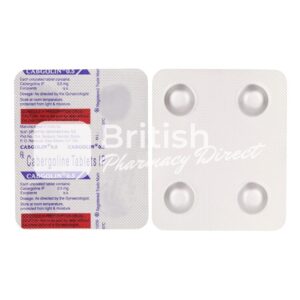
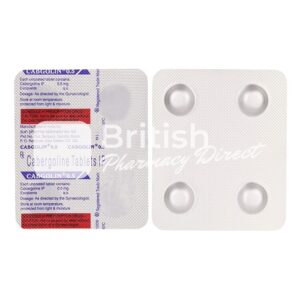
- Oral administration as tablets (commonly 0.5 mg; generics may be 0.25 mg or 1 mg), swallowed with water—tablets are supplied in bottles or blister packs.
- Dostinex begins to reduce serum prolactin within 24–72 hours, though symptomatic improvement (e.g. restoration of menstrual function) may take several weeks.
- The drug has a long duration of action due to a long half‑life (allowing once‑ or twice‑weekly dosing); biochemical effects can persist for several days to about a week after a dose.
- Avoid or limit alcohol while taking dostinex, as alcohol can worsen dizziness, orthostatic hypotension and drowsiness.
- The most common side effec is nausea; other frequent effects include headache, dizziness, constipation, fatigue and orthostatic hypotension.
- Would you like to try dostinex without a prescription?
Basic Dostinex Information
- INN (International Nonproprietary Name): Cabergoline
- Brand Names Available In United Kingdom: Dostinex; Cabaser; generics labelled as cabergoline are widely available.
- ATC Code: G02CB03
- Forms & Dosages: Oral tablets commonly 0.5 mg; some generics are available as 0.25 mg or 1 mg in certain markets.
- Manufacturers In United Kingdom: Pfizer is the original developer of Dostinex; numerous generic manufacturers supply cabergoline globally; local suppliers can be confirmed via national drug registries.
- Registration Status In United Kingdom: MHRA approved as a prescription medicine (Rx only).
- OTC / Rx Classification: Prescription Only Medicine (Rx) in the UK and most other markets.
Critical Warnings & Restrictions
High‑Risk Groups (Elderly, Pregnancy, Chronic Illness)
Cabergoline is a Prescription‑Only Medicine and must only be started under clinician supervision.
Always inform your prescriber if you are planning pregnancy, are pregnant, breastfeeding, or have cardiac, hepatic or psychiatric disease.
Do not start cabergoline without telling your prescriber about all current medicines.
Contraindications include uncontrolled hypertension, hypersensitivity to ergot derivatives, a history of cardiac valvular disease and a history of pre‑eclampsia in peripartum patients.
Use in lactation is contraindicated.
Monitor older adults (over 65 years) closely for adverse reactions.
- Absolute Contraindications: Uncontrolled hypertension; known hypersensitivity to cabergoline or ergot derivatives; history of cardiac valve disorders; peripartum or postpartum patients with a history of pre‑eclampsia.
- Relative Contraindications: Cardiac, hepatic or severe renal dysfunction; history of psychotic disorders; pregnancy unless benefits outweigh risks; breastfeeding contraindicated.
Pre‑treatment Checklist:
- Ask about previous cardiac disease or valve problems.
- Measure and record blood pressure.
- Check for liver disease or recent abnormal liver function tests.
- Screen for psychiatric history including psychosis or impulse‑control disorders.
- Perform pregnancy test where relevant and discuss family planning.
- Review current medicines with the patient for potential interactions.
Interaction With Activities (Driving, Workplace Safety Under UK Law)
Cabergoline can cause dizziness, somnolence and orthostatic hypotension, especially during dose escalation.
Do not drive, cycle or operate heavy machinery until you know how cabergoline affects you.
If you work in safety‑critical roles, advise your employer or occupational health before starting treatment.
Q&A — “Can I Drive After Taking It In The UK?”
Short answer: Not until you know how it affects you.
- If you experience drowsiness, dizziness or blurred vision do not drive or operate machinery.
- Follow DVLA guidance and inform your employer where workplace safety could be affected.
Usage Basics
INN, Brand Names Available In The UK
- INN
- Cabergoline
- Common Brands
- Dostinex; Cabaser; generic cabergoline tablets.
- Formulations
- Oral tablets, commonly 0.5 mg; 0.25 mg and 1 mg exist in some markets.
Legal Classification (POM, P, GSL)
Cabergoline is a Prescription Only Medicine (POM) in the UK and is regulated by the MHRA.
- Patients must present a valid prescription to collect cabergoline.
- Bring your prescription and NHS number where available when visiting a pharmacy.
- Pharmacist counselling points include dose schedule, common side effects, interaction checks and storage advice.
Dosing Guide
Standard Regimens (NHS Guidelines)
Typical starting dose for hyperprolactinaemia is 0.5 mg per week, given as a single dose or divided dose as per prescriber instructions.
Clinical titration commonly increases by 0.5 mg per week according to response and tolerability.
Usual maintenance dosing is up to 1 mg twice weekly for many patients.
Common recommended upper limit for hyperprolactinaemia is around 2 mg per week, with higher cumulative doses used rarely in specialist care.
| Indication | Start Dose | Maintenance | Max Permitted |
|---|---|---|---|
| Hyperprolactinaemia | 0.5 mg per week (single or divided) | Titrate by 0.5 mg/week to effect; commonly up to 1 mg twice weekly | ~2 mg per week (higher doses in rare specialist cases) |
| Prolactinoma | As above | As above | As above |
Adjustments For Comorbidities
Cabergoline is not recommended for paediatric patients because dosing is not established.
Elderly patients have no standard dose reduction but require increased monitoring for adverse effects.
Severe hepatic impairment warrants a lower initial dose and close monitoring.
Q&A — “What If I Miss A Dose?”
Short answer: Take the missed dose as soon as you remember unless it is close to the next scheduled dose.
- If it is almost time for your next dose, skip the missed dose and continue as normal; do not double doses.
- If you are unsure what to do, contact your pharmacist, GP or out‑of‑hours service for advice.
- Keep a record of dosing to reduce missed doses when following a once‑weekly regimen.
Interaction Chart
Food And Drinks (Alcohol, Tea/Coffee, Diet Habits)
Alcohol can worsen dizziness and somnolence and may increase the risk of hypotension when starting cabergoline.
Caffeine does not have a direct major interaction but may exacerbate nausea or anxiety in some patients.
- Avoid heavy alcohol within 24–48 hours of dose escalation or when you first start cabergoline.
- Take cabergoline with food if it causes nausea, unless your prescriber advises otherwise.
Common Drug Conflicts (MHRA Yellow Card Data)
Clinically relevant interactions include additive hypotension with antihypertensives and reduced efficacy with dopamine antagonists such as some antipsychotics and antiemetics.
Caution is required with other ergot derivatives and when combining with psychiatric medications.
Monitor for psychiatric effects such as hallucinations or impulse‑control disorders and report suspected adverse reactions to the Yellow Card scheme.
| Concomitant Medicine | Practical Action |
|---|---|
| Antipsychotics (dopamine antagonists) | Review therapy; may reduce cabergoline efficacy; specialist review advised. |
| Antihypertensives | Monitor blood pressure for additive hypotension; adjust dose as needed. |
| Other ergot derivatives | Use caution due to additive ergot effects; consult prescriber. |
User Reports & Trends
Patients on NHS Choices, Patient.info and UK forums commonly report early nausea and dizziness when starting cabergoline.
Many users mention fast improvement in galactorrhoea and menstrual irregularities once prolactin falls.
Adherence varies because side effects can be troublesome for some, while others appreciate the once‑weekly dosing convenience.
- Most‑reported mild side effects: nausea, headache, constipation and fatigue.
- Less common but notable concerns: new psychiatric symptoms, impulse‑control changes and worries about cardiac valvular effects.
- Pharmacist counselling is often cited as decisive in whether patients continue treatment.
Clinician Checklist At Initiation:
- Record past cardiac history including murmurs or valve disease.
- Ask about mood disorders, psychosis or impulse‑control tendencies.
- Obtain a complete medication list to spot interactions.
Access & Purchase Options
High‑Street Chains And Hospital Pharmacies
Dostinex and generic cabergoline are widely stocked in community and hospital pharmacies but are dispensed only on prescription.
Pharmacies dispense on the NHS where a valid NHS prescription is provided, and also offer private dispensing services.
- Bring your prescription and NHS number for an NHS dispensing.
- Pharmacists will check allergies, concurrent medicines and blood pressure before supply.
- Pharmacy staff can liaise with the prescriber for dose clarifications if needed.
Online Pharmacies And NHS E‑Prescriptions
The Electronic Prescription Service (EPS) is widely used in England and is accepted by community pharmacies.
MHRA‑regulated online pharmacies operating under GPhC registration and UK prescriber oversight are a growing route to supply cabergoline.
Our online pharmacy offers dostinex without a prescription with discreet delivery to United Kingdom in 5‑14 days; check terms and clinical assessment requirements before ordering.
Avoid unregulated overseas suppliers as they may supply unlicensed or counterfeit products.
- Verify the pharmacy is GPhC‑registered and that a UK prescriber is involved.
- Retain batch and expiry information from the packaging for safety reporting.
- Request pharmacist counselling after ordering, especially if using online services.
Mechanism & Pharmacology
Simplified Explanation
Cabergoline is a dopamine D2 receptor agonist that reduces pituitary prolactin secretion.
Lowered prolactin commonly restores menses and fertility and can shrink prolactin‑secreting pituitary adenomas.
- Mechanism
- D2 receptor agonism
- Primary Effect
- Prolactin suppression
- Clinical Result
- Restored menses and fertility; tumour size control for prolactinomas
Clinical Terms
Cabergoline has a long elimination half‑life which supports once‑weekly dosing for many patients.
This pharmacokinetic profile also means response and side effects may take time to appear or resolve.
- Patients should understand it may take weeks to normalise prolactin and to see clinical benefit.
- Central nervous system effects such as psychiatric symptoms can occur and must be reported promptly.
- Cardiovascular considerations include valvular fibrosis risk at high cumulative exposure; specialist monitoring applies for long‑term high‑dose patients.
Indications & Off‑Label Uses
MHRA‑Approved Uses
Cabergoline is licensed for hyperprolactinaemia including prolactinomas and related menstrual and fertility disorders caused by elevated prolactin.
| Indication | Typical Approach |
|---|---|
| Hyperprolactinaemia | Start low (0.5 mg/week), titrate to normalise prolactin and restore function. |
| Prolactinoma | Medical therapy to lower prolactin and reduce tumour size with endocrinology input. |
Off‑Label Practices In NHS And Private Care
Cabergoline is used off‑label at higher doses for Parkinson’s disease in specialist care, often under the Cabaser brand in Europe.
Suppression of lactation postpartum is not recommended due to safety concerns.
- Prescribers considering off‑label use should involve a specialist and obtain informed consent.
- Baseline tests and a clear monitoring plan are required for off‑label higher‑dose therapy.
- Document rationale, risks and follow‑up responsibilities in shared‑care arrangements.
Key Clinical Findings
Clinical evidence shows cabergoline effectively normalises prolactin and reduces adenoma size for many patients.
Cabergoline is often better tolerated than bromocriptine and is convenient because of once‑weekly dosing for many people.
Safety signals include generally good tolerability at low doses and an association between long‑term high cumulative exposure and valvular changes in some studies.
Psychiatric adverse events such as hallucinations and impulse‑control disorders have been reported rarely.
| Outcome Measure | Typical Finding |
|---|---|
| Prolactin Normalisation | High proportion of patients achieve normal prolactin on standard regimens. |
| Tumour Size Reduction | Many prolactinomas reduce in size following cabergoline therapy. |
| Common Adverse Reactions | Nausea, dizziness, headache, orthostatic hypotension. |
- Monitoring endpoints: serum prolactin, blood pressure, mood/behaviour, and cardiac assessment if long‑term/high‑dose therapy is planned.
Alternatives Matrix
NHS Prescribing Alternatives
| Drug | Dosing Frequency | Advantages | Disadvantages |
|---|---|---|---|
| Bromocriptine (Parlodel) | Daily | Longstanding use; more pregnancy data in some settings. | Shorter half‑life; more frequent gastro side effects; multiple daily dosing. |
| Quinagolide (Norprolac) | Daily | Non‑ergot dopamine agonist. | Availability varies by country; dosing and tolerability differ. |
Pros And Cons Checklist
- Discuss pregnancy plans: bromocriptine has longer pregnancy experience in some settings.
- Consider side‑effect profile and dosing preference for adherence.
- Factor in cardiac history when choosing between dopamine agonists.
- Assess cost and availability locally, including hospital formularies.
Common Questions
Q: Can I Become Pregnant On Cabergoline?
A: Yes, many patients conceive once prolactin is normalised.
- Clinicians often stop cabergoline when pregnancy is confirmed depending on the indication and guidance from a specialist.
- Discuss pregnancy plans with your endocrinologist or GP before attempting conception.
Q: Is Monitoring Required?
A: Yes — regular blood tests for prolactin, blood pressure checks and clinical review are advised.
- Echocardiography is considered for long‑term or high‑dose therapy to assess valvular function.
Q: Can I Take It With Other Long‑Term Meds?
A: Always review with your pharmacist and prescriber.
- Caution is especially required with antipsychotics and antihypertensives.
- Top actions for patients: keep follow‑up appointments, report mood or impulse changes promptly and retain your medicine packaging and batch number for safety reporting.
NHS Cost & Access Comparison
Prescription charges vary across the UK and change over time; verify current charges on NHS.uk when arranging supply.
| Source/Pharmacy | Typical Private Price Range | NHS Prescription Charge | Exemption Status |
|---|---|---|---|
| High‑Street Pharmacy (NHS Dispense) | Not Specified | Per‑item charge applies in England unless exempt | Exemptions include children, pregnant people, and others per NHS rules; Scotland/Wales/Northern Ireland generally free. |
| Private Clinic/Pharmacy | Variable | Not Applicable | Private prescriptions charged per provider policy. |
| Online Pharmacy (UK‑regulated) | Variable; often similar to private pharmacy | Depends on prescription type and NHS arrangements | Verify GPhC registration and prescriber oversight. |
| Region | Prescription Charge Notes |
|---|---|
| England | Per‑item prescription fee unless exempt; check NHS eligibility. |
| Scotland | NHS prescriptions are generally free. |
| Wales | NHS prescriptions are generally free. |
| Northern Ireland | NHS prescriptions are generally free or subject to local arrangements. |
- Checklist: check eligibility for free prescriptions via NHS.uk.
- Checklist: nominate your preferred pharmacy for EPS and request repeat prescriptions through your GP for ongoing therapy.
Registration & Regulation
MHRA Approval Process And Reporting
Cabergoline is approved by the MHRA and EMA and is manufactured and supplied under regulatory oversight.
Report suspected adverse reactions via the Yellow Card scheme.
- Regulatory status: Prescription Only Medicine with MHRA oversight.
- Required documentation: valid prescription, patient details and indication on record.
- Provide the patient information leaflet and ensure labelling meets MHRA recommendations.
NHS Prescribing Framework
Prescribing should follow local NHS formularies and specialist guidance, particularly for prolactinomas and off‑label high‑dose use.
- Shared‑care agreements should clarify baseline tests and monitoring intervals.
- Responsibility for arranging echocardiograms and specialist reviews should be explicit in shared‑care plans.
Storage & Handling
UK Household Storage (Cold/Damp Climate)
Store cabergoline tablets at controlled room temperature, ideally between 20–25°C, and protect them from moisture and light.
Keep tablets in the original container or blister pack and avoid leaving medicine in humid bathrooms.
- Home storage checklist: cool dry place, out of reach of children.
- Keep blister sealed until use and retain batch number for reporting adverse reactions.
Guidance From NHS And Pharmacists
When travelling, carry cabergoline in its original packaging with your prescription or dispensing label for customs or security checks.
Pharmacies can advise on storage during travel and provide documentation where necessary for air travel.
- Avoid freezing the product.
- If tablets have been exposed to extreme temperatures, consult your pharmacist before taking them.
- Dispose of unused tablets at a pharmacy take‑back point; do not flush medicines down the toilet.
Guidelines For Proper Use
UK Pharmacist Counselling Style (What To Cover At Dispensing)
Confirm the indication and the precise dosing schedule, including whether the dose is once weekly or divided.
Counsel on common side effects such as nausea, dizziness, hypotension and mood changes and advise how to manage them.
- Explain drug interactions with antipsychotics and antihypertensives and the need to review other medications.
- Give missed‑dose instructions: take when remembered unless near the next dose; do not double up.
- Advise when to seek urgent help: syncope, chest pain, sudden severe shortness of breath, severe psychiatric symptoms.
NHS Patient Safety Advice (Monitoring And Follow‑Up)
Recommended monitoring includes baseline prolactin, regular blood pressure checks and clinical review after dose changes.
Consider echocardiography for long‑term or high cumulative dose therapy to assess valve function.
- Routine follow‑up schedule: initial review after dose changes, prolactin check until normalised and periodic reviews thereafter.
- Emergency signs: new fainting, breathlessness, chest discomfort or severe psychiatric symptoms.
- Contact points: GP, endocrinology specialist, pharmacist or NHS 111 for urgent advice.
Delivery Across United Kingdom
| City | Region | Delivery Time |
|---|---|---|
| London | Greater London | 5-7 days |
| Birmingham | West Midlands | 5-7 days |
| Manchester | Greater Manchester | 5-7 days |
| Glasgow | Scotland | 5-7 days |
| Leeds | West Yorkshire | 5-7 days |
| Edinburgh | Scotland | 5-7 days |
| Bristol | South West England | 5-7 days |
| Cardiff | Wales | 5-7 days |
| Belfast | Northern Ireland | 5-9 days |
| Newcastle upon Tyne | North East England | 5-9 days |
| Nottingham | Nottinghamshire | 5-9 days |
| Southampton | South East England | 5-9 days |
| Plymouth | South West England | 5-9 days |