Medroxyprogesterone
In brief
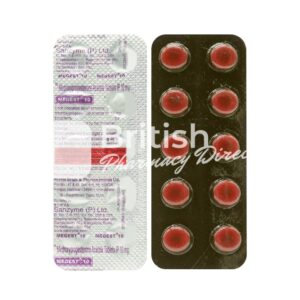
- Medroxyprogesterone can be purchased from pharmacies and online pharmacy services in many countries, including the UK, often under brand names such as Depo-Provera or Provera. It is usually a prescription-only medicine, although some pharmacies may supply it through regulated services without a traditional paper prescription, depending on local rules and consultation requirements.
- Medroxyprogesterone is used for contraception, endometriosis, abnormal uterine bleeding, secondary amenorrhoea, and some hormone-related cancers. It is a progestogen that works by mimicking the natural hormone progesterone, suppressing ovulation, thickening cervical mucus, and altering the endometrium.
- The usual dose depends on the indication: 150 mg by intramuscular injection every 3 months for contraception, 104 mg by subcutaneous injection every 3 months, or 5–10 mg orally daily for 5–10 days for certain gynaecological conditions. Higher, individualised doses may be used in oncology.
- It is available as oral tablets, intramuscular suspension injections, subcutaneous injections, and some combined hormonal products.
- For injectable forms, protection is not immediate unless given at the correct time in the menstrual cycle; full contraceptive effect is generally established within about 7 days. Oral treatment for bleeding or endometriosis may begin to work within a few days, though symptom control can take longer.
- The duration of action is long-lasting: contraceptive injections work for about 12–13 weeks per dose, while oral courses usually last 5–10 days per cycle, depending on the condition being treated.
- Alcohol does not have a specific direct interaction with medroxyprogesterone, but heavy drinking may worsen dizziness, mood changes, or liver-related risks. It is best to drink only in moderation and avoid alcohol if you feel unwell.
- The most common side effects are irregular periods or amenorrhoea, weight gain, headache, abdominal discomfort or bloating, mood changes, dizziness, acne, hair loss, and reduced libido.
- Would you like to try medroxyprogesterone without a prescription?
Basic Medroxyprogesterone Information
- INN (International Nonproprietary Name): Medroxyprogesterone
- Brand Names Available In United Kingdom: Depo-Provera, Provera, Depo-SubQ Provera 104
- ATC Code: G03AC06, L02AB02, G03DA02; combination products may also use G03AA08 or G03FA12
- Forms & Dosages: Oral tablets 2.5 mg, 5 mg, 10 mg; IM suspension 150 mg/mL; subcutaneous injection 104 mg/0.65 mL
- Manufacturers In United Kingdom: Pfizer; generics may also be supplied by Teva, Mylan, and Sandoz depending on authorised supply
- Registration Status In United Kingdom: Prescription only medicine; availability can vary by formulation and local supply route
- OTC / Rx Classification: Prescription Only (Rx)
UK Patient Safety First: Who Should Not Use Medroxyprogesterone?
Can medroxyprogesterone be a good fit for contraception, bleeding control, or specialist gynaecology care?
Sometimes, yes.
But the first question is always safety, not convenience.
This medicine should not be used if there is known or suspected pregnancy, active thromboembolic disease, unexplained vaginal bleeding, known or suspected breast or genital cancer, severe liver dysfunction, or hypersensitivity to the medicine or its excipients.
That matters in everyday UK practice, because a patient might be thinking about Depo-Provera, Provera tablets, or medroxyprogesterone acetate tablets for period control and not realise a short delay in checking symptoms could change the risk picture.
If there is any doubt, a GP, sexual health clinic, family planning clinic, or pharmacist should review the situation first.
Known Pregnancy, Breast/Genital Cancer, Thromboembolism, And Liver Disease
Known or suspected pregnancy is a clear stop point.
Breast and genital cancer are also major contraindications, alongside active clotting disease and severe liver disease.
That is why medroxyprogesterone is classed as a prescription medicine in the UK and in nearly all other markets.
Even when a patient has used injectable birth control before, a new medical issue can change whether it is appropriate to continue.
People with depression, diabetes, hypertension, migraine, hyperlipidaemia, or osteoporosis risk may still sometimes use it, but they need closer review and counselling.
When Urgent Medical Review Is Needed In The UK
Do not wait for a routine appointment if worrying symptoms appear after starting treatment.
- Severe chest pain.
- Shortness of breath.
- Leg swelling, especially if one-sided or painful.
- Heavy unexplained bleeding.
- Jaundice, including yellowing of the skin or eyes.
- Sudden severe headache.
- Allergic reaction, such as swelling, rash, wheeze, or difficulty breathing.
High-Risk Groups Needing Specialist Oversight
Some people need a specialist-led decision rather than a standard repeat prescription.
- Pregnancy
- Known or suspected pregnancy means the medicine should not be started or continued until reviewed.
- Active Thromboembolic Disease
- Current or recent clotting disease needs formal medical assessment before any progestogen is considered.
- Severe Liver Dysfunction
- Because medroxyprogesterone is metabolised hepatically, significant liver disease makes use unsafe.
- Unexplained Vaginal Bleeding
- Bleeding without a clear cause must be investigated before treatment is used to avoid masking serious disease.
If any of these apply, checking with a GP, sexual health clinic, or pharmacist before use is the sensible UK route.
Q&A — Can I Use It If I Think I Might Be Pregnant?
No.
It is contraindicated if pregnancy is known or suspected, so testing and clinician advice should come first.
What Medroxyprogesterone Is And How UK Brands Differ
Patients often ask whether Provera, Depo-Provera, and medroxyprogesterone are all the same medicine.
In simple terms, medroxyprogesterone is the INN, and the brand or formulation tells you whether it is a tablet, an intramuscular injection, or a subcutaneous injection.
In the UK, the names most people recognise are Depo-Provera for the injectable contraceptive and Provera for oral tablets.
Depo-SubQ Provera 104 is a subcutaneous version seen in some markets, although local supply can differ depending on MHRA-approved availability and commissioning.
That is why one patient may be offered medroxyprogesterone tablets for endometriosis, while another is referred for Depo-Provera injection through a clinic pathway.
INN, Brand Names, And Formulations
The same active ingredient can be used in different ways across contraception, gynaecology, and some oncology care.
Product choice depends on the indication, dose form, and local formulary access.
Availability may change if a product is supplied through a specialist service rather than a routine GP prescription.
UK-Relevant Packaging And Strengths
| Form | Strengths | Typical Packaging |
|---|---|---|
| Oral tablet | 2.5 mg, 5 mg, 10 mg | Blister strips, bottles |
| IM suspension | 150 mg/mL | Pre-filled syringe, vial |
| Subcutaneous injection | 104 mg/0.65 mL | Prefilled syringe |
Where The Medicine Sits In Therapy
As a progestogen, medroxyprogesterone is used in contraception, for some menstrual and endometriosis-related problems, and in selected cancer care.
Some uses are routine in primary care, while others are specialist-led and need closer monitoring.
For patients comparing medroxyprogesterone acetate tablets with a contraceptive injection, the key point is that the route changes the counselling, timing, and follow-up.
How Medroxyprogesterone Works In The Body
Patients usually want the plain-English version first.
Medroxyprogesterone helps prevent ovulation, thins the lining of the womb, and changes cervical mucus so sperm find it harder to pass through.
That combination is why injectable birth control can be effective without daily tablet taking.
It also explains why some people stop having periods altogether, while others get irregular bleeding at first.
With oral use for gynaecology, the effect on the endometrium is what helps in bleeding control and secondary amenorrhoea regimens.
Clinical And Pharmacology Terms
In classification terms, the medicine sits under ATC codes G03AC06, L02AB02, and G03DA02, with some combination products classified differently.
- Progestogen
- A progesterone-like hormone used in contraception and some hormone-related treatments.
- ATC Code
- A standard international code that classifies medicines by therapeutic use.
- DMPA
- Depot medroxyprogesterone acetate, usually referring to the long-acting injectable contraceptive form.
Why The Mechanism Matters For Side Effects
The same mechanism that prevents pregnancy can also cause amenorrhoea, irregular bleeding, and delayed return of fertility after injections stop.
That is not usually dangerous, but it does need honest counselling so patients are not caught off guard.
For some people, the convenience of every-12-to-13-week dosing is a major advantage over daily tablets.
UK-Approved Uses And Common Clinical Reasons For Prescribing
What is medroxyprogesterone actually prescribed for in practice?
In the UK, the most common reason is contraception, followed by selected gynaecology uses and specialist oncology care.
Not every indication is handled in the same setting, and some regimens are better started by a specialist rather than a busy GP surgery.
Contraception
The standard contraceptive regimens are 150 mg intramuscularly every three months or 104 mg subcutaneously every three months.
This is the familiar Depo-Provera injection pathway many patients ask about when they want a low-maintenance option.
Gynaecological Uses
For endometriosis, uterine bleeding, and secondary amenorrhoea, the common oral regimen is 5 to 10 mg daily for 5 to 10 days, often in a cycle-based plan.
That is where Provera tablets are often discussed in clinic, including Provera 10 mg tablets where an oral course is needed.
Oncology Use
For endometrial or renal carcinoma, the dose can be 200 to 400 mg intramuscularly weekly, but this is individualised and specialist-led.
| Indication | Route | Typical Regimen |
|---|---|---|
| Contraception | IM or subcutaneous injection | 150 mg IM every 3 months or 104 mg SC every 3 months |
| Endometriosis or uterine bleeding | Oral tablet | 5 to 10 mg daily for 5 to 10 days |
| Secondary amenorrhoea | Oral tablet | 5 to 10 mg daily for 5 to 10 days |
| Endometrial or renal carcinoma | IM injection | 200 to 400 mg weekly, individualised |
Dosage, Timing, And Missed Doses In Practice
Missed doses are where a lot of avoidable stress starts.
A patient may be fine for months, then realise the injection is overdue or a tablet pack was forgotten over a weekend.
The answer depends on the form.
Standard Regimens And Treatment Duration
For contraception, injections are normally repeated every 12 to 13 weeks.
For gynaecological use, oral courses are commonly 5 to 10 days per cycle.
For cancer treatment, the schedule is individualised and may continue long term until disease progression.
What To Do If A Dose Is Missed
- Missed injection: arrange it as soon as possible.
- If more than 14 weeks have passed: use backup contraception and assess for pregnancy.
- Missed tablet: take it when remembered.
- If the next tablet dose is nearly due: skip the missed dose.
- Do not double up to catch up.
Dose Adjustments And Special Groups
Use in children is only under specialist guidance, for example in rare endocrine or paediatric situations.
Elderly data are insufficient for specific dose adjustment, and use is generally limited to approved indications such as cancer.
Caution is needed in liver or kidney impairment, especially where severe hepatic failure is present.
Q&A — What If I Miss My Depo-Provera Injection?
Get it arranged as soon as possible.
If it is overdue by more than 14 weeks, use condoms or other backup contraception and speak to a clinician about pregnancy assessment.
Side Effects UK Patients Commonly Report
Most people want to know whether they will feel different on medroxyprogesterone tablets or the injection.
The answer is that many side effects are mild, but some need follow-up, especially if they affect mood, bleeding, or clot risk concerns.
Common reports include menstrual irregularities or amenorrhoea, weight gain, headache, bloating, dizziness, mood changes, acne, hair loss, and reduced libido.
Common Mild To Moderate Effects
Bleeding changes are the issue patients mention most often, especially in the first months of Depo-Provera injection use.
Some welcome the chance of no periods, while others dislike unpredictable spotting or longer bleeds.
Weight gain and mood changes are also frequently discussed in clinic and online forums.
When Side Effects Need Medical Review
- Heavy or prolonged bleeding.
- Worsening depression or marked mood change.
- Severe headaches or new migraine pattern.
- Breast symptoms that are new or concerning.
- Signs of a clot, including chest pain, shortness of breath, or leg swelling.
Bone Health And Long-Term Use
Long-term DMPA use is linked with a risk of bone loss, so osteoporosis risk matters, especially if someone already has other risk factors.
NHS-style counselling usually includes a risk-benefit discussion for longer-term contraception, particularly when a patient plans to stay on the injection for years.
That conversation is often more useful than alarming people with worst-case scenarios.
Safety Warnings, Interactions, And Lifestyle Considerations
Do medicines, tea, coffee, alcohol, or food make medroxyprogesterone less safe?
There is no special food restriction highlighted in routine counselling, but nausea or dizziness can affect how well someone tolerates treatment.
If symptoms are bothersome, a pharmacist can help decide whether the issue is likely to settle or needs review.
Medicines That May Interact
Because interaction patterns depend on the full medicine list, every prescription medicine, over-the-counter product, and herbal supplement should be checked with a pharmacist or prescriber.
| Interaction Category | Why It Matters | What To Do |
|---|---|---|
| Prescription medicines | May change suitability or monitoring needs | Review the full list before starting |
| Over-the-counter products | Can confuse side-effect assessment | Tell the pharmacist what is being used |
| Herbal supplements | May affect hormone-based treatment plans | Check before combining with treatment |
Alcohol, Tea, Coffee, Diet, And Driving
Alcohol does not have a special routine restriction, but nausea or light-headedness may be more noticeable if someone is already unwell.
Overdose symptoms may include nausea, vomiting, and withdrawal bleeding, so any accidental extra dose should be reported promptly.
If dizzy or drowsy, avoid driving and hazardous work until settled.
Q&A — Can I Drive After Taking It?
Usually yes, unless you feel dizzy, drowsy, or otherwise unwell.
Access In The UK: NHS, Pharmacies, And Online Supply
How do patients actually get medroxyprogesterone in the UK?
Most people go through a GP, sexual health clinic, family planning clinic, or hospital specialist, depending on the reason for treatment.
That route is important because the same medicine can be handled very differently for contraception, bleeding control, or cancer care.
NHS Prescription Pathway
For contraception, patients are often referred to a sexual health or family planning service for an injection schedule and follow-up.
For bleeding problems, a GP may prescribe Provera tablets or arrange referral if the presentation is more complex.
Community Pharmacy Role
Community pharmacies such as Boots, LloydsPharmacy, and Superdrug are common places for patients to collect prescriptions and ask practical questions about timing and side effects.
That pharmacist conversation often makes the difference between a patient continuing treatment confidently or stopping early because of uncertainty.
Online Pharmacies And Electronic Prescriptions
Our online pharmacy is set up for discreet delivery to the United Kingdom in 5 to 14 days, and medroxyprogesterone is available without a prescription through our service.
When ordering online, a regulated UK pharmacy should still make it easy to contact a pharmacist and understand whether the product is right for you.
- Check that the site is MHRA-compliant.
- Check that it is GPhC-registered.
- Make sure prescription requirements are explained clearly.
- Look for pharmacist contact options before you buy.
UK Cost Differences
England usually has prescription charges, while Scotland, Wales, and Northern Ireland generally do not charge for NHS prescriptions in the same way.
That can affect whether a patient chooses NHS supply, private supply, or an online route.
Mhra, Prescription Status, And Medicine Governance
Regulation is one reason medroxyprogesterone is handled carefully.
It is prescription only in nearly all markets, even though the exact authorised uses and presentations can differ between countries.
The FDA and EMA have both approved different formulations, but local formularies still decide what is practical on the ground.
Registration And Approval Context
National approval does not mean every brand is stocked everywhere.
In the UK, MHRA oversight and prescriber responsibility shape whether a GP, clinic, or specialist issues the medicine.
Why Pharmacist Counselling Matters In UK Practice
UK patients often rely on pharmacists for contraception advice, side-effect triage, and missed-dose guidance, especially when an injection is late or a course of Provera tablets is being used for bleeding control.
- MHRA
- The Medicines and Healthcare products Regulatory Agency, which oversees medicine safety and regulation in the UK.
- POM
- Prescription Only Medicine.
- E-prescription
- An electronic prescription sent from the prescriber to a pharmacy for dispensing.
Storage, Transport, And Home Handling
Storage is simple, but it still matters.
Keep medroxyprogesterone at room temperature, between 15 and 25°C, protected from light and freezing.
Do not use a suspension if it shows clumping or discolouration.
What To Check Before Use
- Expiry date.
- Intact packaging.
- Correct appearance of the medicine.
- Room temperature storage.
Travel And Household Considerations
Keep it away from damp bathrooms and radiators.
A stable cupboard is better than a hot windowsill or a freezing car boot.
Real-World Patient Questions And Consultation Themes
What do patients usually ask at the counter or in clinic?
Bleeding changes come up first, followed by weight gain, mood changes, delayed return to fertility, injection timing, and bone health.
These are the same concerns that often appear on NHS advice pages, Patient.info, and parenting forums, although personal stories should never be treated as proof of what will happen to every patient.
What UK Patients Often Ask Pharmacists And GPs
Some want to know whether their periods will stop.
Others want to know how long fertility takes to return after the last injection.
Another common question is whether a late Depo-Provera injection means the method has failed.
What Patients Commonly Report Online
Online discussions tend to focus on spotting, weight changes, mood shifts, and whether the injection suited them better than daily pills.
That kind of feedback can be useful for expectations, but it should be balanced against proper clinical counselling.
Counselling Points That Improve Adherence
- Set reminders for injection dates.
- Keep dates written down or stored in a phone calendar.
- Report mood symptoms early.
- Ask about condoms if the injection is late.
Alternatives To Medroxyprogesterone In UK Prescribing
Sometimes medroxyprogesterone is the right fit, and sometimes another progestogen is easier to live with.
Options can include norethisterone, levonorgestrel, desogestrel, dienogest, and combined contraceptives.
The best choice depends on why treatment is needed and how much flexibility a patient wants.
Comparison Of Progestogen Options
| Option | Route | Common Use | Notable Drawbacks |
|---|---|---|---|
| Norethisterone | Oral | Bleeding control, period-related use | Needs regular taking |
| Levonorgestrel | Oral or implant | Contraception | Method choice depends on access and fit |
| Desogestrel | Oral | Contraception | Daily adherence needed |
| Dienogest | Oral | Especially for endometriosis | Not the same as long-acting contraception |
| Combined contraceptives | Pill, patch, ring | Contraception | Not suitable for everyone |
When An Alternative May Be Preferred
An alternative may be better for endometriosis symptoms, mood concerns, a desire for rapid fertility return, a preferred bleeding pattern, or trouble remembering injections and tablets.
Patient-centred care is the point here.
Suitability depends on the indication, comorbidities, and contraceptive goals, not just brand familiarity.
Nhs Cost And Access Comparison Table
Costs and access routes vary depending on whether the medicine comes through the NHS, a private pharmacy, an online pharmacy, or a family planning clinic.
Below is a simple comparison to help planning.
Pharmacy And Source Comparison
| Source | Typical Cost Range | Prescription Charge Status | Access Notes |
|---|---|---|---|
| NHS prescription | Usually standard NHS charge rules apply | England charge may apply | Often routed through GP or clinic |
| Private pharmacy | Varies by product and service | Private supply | May be useful where access is faster |
| Online pharmacy | Varies by service and delivery | Depends on service model | Check registration and pharmacist support |
| Family planning clinic | Often NHS-funded | Usually no separate charge | Common route for contraception injections |
Regional Differences Across The UK
| Nation | NHS Prescription Charges | Practical Note |
|---|---|---|
| England | Generally applies | Prepayment certificates may help budgeting |
| Scotland | Generally no charge | NHS prescriptions are typically free |
| Wales | Generally no charge | NHS prescriptions are typically free |
| Northern Ireland | Generally no charge | NHS prescriptions are typically free |
Exemptions And Practical Budgeting
Prescription prepayment certificates and exemption groups can reduce costs for some people in England.
If the medicine is being used regularly, it is worth checking the most economical route before repeating treatment month after month.
Key Clinical Findings And Evidence Themes
What does the wider evidence generally suggest about medroxyprogesterone?
The broad themes are stable: good contraceptive efficacy, useful bleeding control for selected patients, predictable bleeding pattern changes, and adherence advantages with injections compared with daily tablets.
Concerns around bone density and long-term DMPA use also appear consistently, which is why risk-benefit discussion matters.
What The Evidence Tends To Show
- Contraceptive effectiveness is well established for the injection forms.
- Irregular bleeding and amenorrhoea are common in practice.
- Long-term use can raise bone health concerns.
- Patients who struggle with daily medicines may prefer injections.
Limits Of The Evidence
Injectable and tablet use are not the same, so findings from one do not always transfer neatly to the other.
Short-term and long-term treatment also need to be considered separately.
How To Present Evidence Responsibly
Established facts should be separated from patient experience and specialist judgement.
That is especially important when people compare medroxyprogesterone acetate tablets with contraceptive injections and assume one side effect profile fits everyone.
Practical Use Checklist For UK Patients And Clinicians
Before starting treatment, the safest approach is a simple checklist.
That is especially true if the patient is choosing between Provera tablets, Depo-Provera injection, or an alternative progestogen.
Before Starting
- Confirm pregnancy status.
- Review contraindications.
- Discuss breastfeeding if relevant.
- Ask about liver disease.
- Ask about mood history.
- Ask about clot history.
- Consider bone health risk.
During Treatment
Keep a record of injection dates.
Watch for bleeding changes and mood changes.
Check blood pressure and diabetes status if relevant.
Arrange follow-up when the indication needs it.
When To Seek Help
- Urgent help: chest pain, shortness of breath, leg swelling, jaundice, sudden severe headache, or allergic reaction.
- Non-urgent review: heavy bleeding, worsening depression, troubling acne or hair loss, weight gain concerns, or late injection timing.
Micro-FAQ
Is medroxyprogesterone the same as Provera?
Yes, Provera is a brand name for medroxyprogesterone tablets.
Is Depo-Provera available on the NHS?
Often yes, depending on the indication and local service access, although availability can vary.
Depo-Provera injection and Provera tablets are prescription-only medicines in standard UK practice.
Delivery Across United Kingdom
| City | Region | Delivery time |
|---|---|---|
| London | England | 5-7 days |
| Birmingham | England | 5-7 days |
| Manchester | England | 5-7 days |
| Liverpool | England | 5-7 days |
| Leeds | England | 5-7 days |
| Sheffield | England | 5-9 days |
| Bristol | England | 5-7 days |
| Newcastle upon Tyne | England | 5-7 days |
| Nottingham | England | 5-9 days |
| Cardiff | Wales | 5-7 days |
| Edinburgh | Scotland | 5-7 days |
| Glasgow | Scotland | 5-7 days |
| Belfast | Northern Ireland | 5-7 days |
| Aberdeen | Scotland | 5-9 days |
| Exeter | England | 5-9 days |
Medroxyprogesterone remains a well-established progestogen used in contraception, gynaecology, and selected oncology care.
For UK patients, the safest route is always the one that matches the indication, medical history, and timing needs, with pharmacist or prescriber support when anything is unclear.