
Skin Care
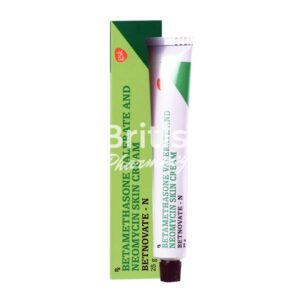
Betnovate
from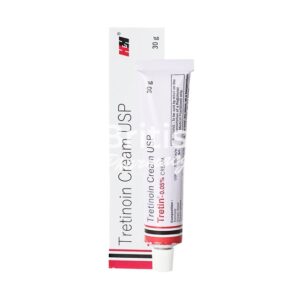
Tretinoin Cream
from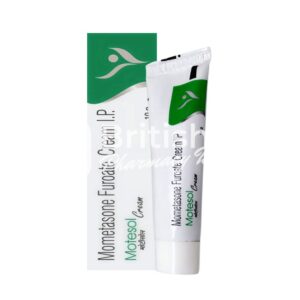
Elocon
from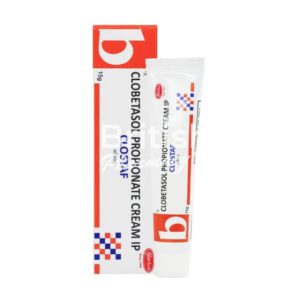
Clobetasol
from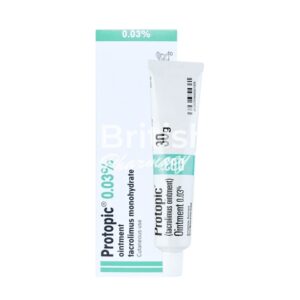
Protopic
from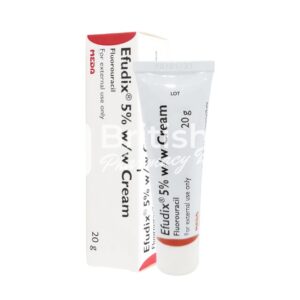
Efudix
from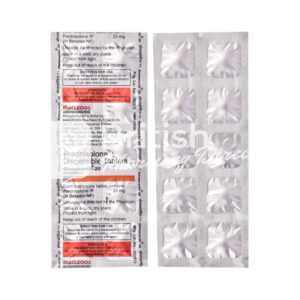
Prednisolone
from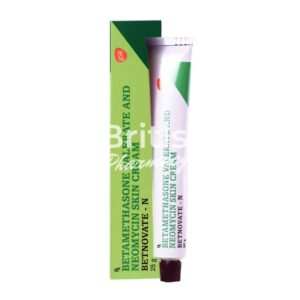
Diprosone
from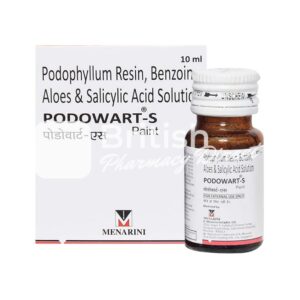
Warticon
from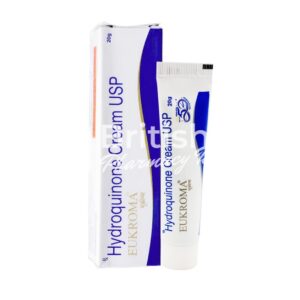
Hydroquinone
from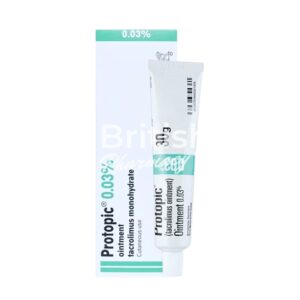
Tacrolimus
from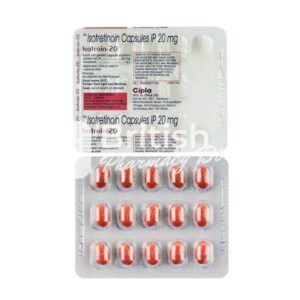
Isotretinoin
from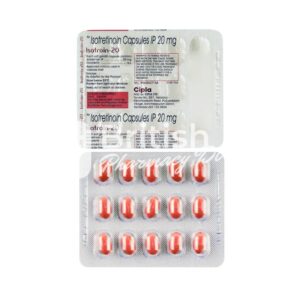
Accutane
fromAcne Treatment
Acne is a common skin condition that affects millions of people across the United Kingdom. It occurs when hair follicles become clogged with dead skin cells and sebum, leading to the formation of spots, blackheads, and whiteheads. Acne can appear on the face, chest, back, and shoulders, and whilst it’s most common in teenagers, it can affect people of any age.
What Acne Treatment is Used For
Acne treatments work by reducing oil production, speeding up skin cell turnover, fighting bacterial infection, or reducing inflammation. They can help prevent new spots from forming and reduce the appearance of existing blemishes. Treatment options vary depending on the severity of acne and individual skin type.
Popular Products Available in the UK
Benzoyl peroxide is one of the most widely used over-the-counter treatments available in UK pharmacies. Products containing salicylic acid are also popular choices for mild to moderate acne. Prescription options include topical retinoids like tretinoin and adapalene, which are particularly effective for severe cases. Oral antibiotics such as doxycycline may be prescribed by healthcare professionals. Isotretinoin is reserved for severe acne that hasn’t responded to other treatments.
- Benzoyl peroxide for reducing bacterial growth
- Salicylic acid products for exfoliation
- Topical retinoids for severe cases
- Oral antibiotics when prescribed
- Specialised cleansers for acne-prone skin
It’s important to be consistent with acne treatments, as results typically take 6-8 weeks to become visible. Many people benefit from combining treatments, such as using a cleanser alongside a treatment product. Protecting your skin with sunscreen is essential when using certain acne medications, particularly retinoids.
Eczema and Dermatitis Relief
Eczema, also known as atopic dermatitis, is a chronic inflammatory skin condition characterised by dry, itchy, and sensitive skin. Dermatitis refers to inflammation of the skin and can be triggered by allergens, irritants, or stress. Both conditions can significantly impact quality of life, particularly when flare-ups occur.
What Eczema and Dermatitis Relief is Used For
These products are designed to soothe irritated skin, reduce itching and redness, restore the skin barrier, and prevent infection from scratching. Relief products help manage symptoms during flare-ups and maintain skin health during periods of remission. They work by moisturising, protecting, and sometimes providing anti-inflammatory benefits.
Popular Products Available in the UK
Emollients are the foundation of eczema care and include products like Cetaphil, Aveeno, and CeraVe, which are readily available across UK pharmacies. Topical corticosteroids such as hydrocortisone cream are commonly prescribed for acute flare-ups. Non-steroidal options like tacrolimus and pimecrolimus are available for sensitive areas like the face. Antihistamine tablets may be recommended to help manage itching. Products containing colloidal oatmeal are popular natural options for relief.
- Emollient creams and ointments for daily use
- Topical corticosteroids for flare-ups
- Non-steroidal anti-inflammatory treatments
- Antihistamine medications for itching
- Specialist bath products and cleansers
Regular moisturising is crucial for eczema management and should be done immediately after bathing to lock in moisture. Identifying and avoiding triggers, whether environmental or dietary, plays an important role in reducing flare-ups. Bath additives and specific cleansers designed for sensitive skin can help prevent irritation during daily washing routines.
Anti-Ageing and Wrinkle Prevention
As we age, our skin naturally loses elasticity and moisture, leading to the formation of fine lines and wrinkles. Environmental factors such as sun exposure, pollution, and smoking can accelerate this process. Anti-ageing skincare products are designed to address these visible signs of ageing and improve overall skin appearance.
What Anti-Ageing Products are Used For
Anti-ageing treatments work by stimulating collagen production, improving skin elasticity, reducing the appearance of fine lines and wrinkles, and providing deep hydration. These products can also help address age spots, uneven skin tone, and loss of firmness. Regular use can help maintain a more youthful appearance and prevent further damage.
Popular Products Available in the UK
Retinol and retinoids are amongst the most effective anti-ageing ingredients available, with brands like RoC and Olay offering accessible options. Vitamin C serums have become increasingly popular for their brightening and protective properties. Hyaluronic acid products provide intense hydration and plumping effects. Peptide-based creams support collagen production. Prescription-strength retinoids like tretinoin offer more dramatic results for those seeking advanced anti-ageing solutions. Niacinamide products help improve skin texture and reduce fine lines.
- Retinol and retinoid treatments
- Vitamin C serums for antioxidant protection
- Hyaluronic acid moisturisers
- Peptide-enriched products
- High-SPF sunscreen for prevention
Sun protection is essential for anti-ageing, as UV damage is responsible for most visible signs of ageing. Most anti-ageing products require consistent use over several weeks to show visible results. Combining multiple products, such as a vitamin C serum with a retinol cream, can enhance benefits. Starting with lower concentrations and gradually increasing strength helps minimise irritation.
Sensitive Skin Care
Sensitive skin is characterised by a compromised skin barrier that reacts easily to products, environmental factors, and irritants. People with sensitive skin often experience redness, burning, stinging, and itching when using standard skincare products. This condition requires a gentle, carefully curated approach to skincare.
What Sensitive Skin Care is Used For
Sensitive skin products are formulated to cleanse, hydrate, and protect without triggering reactions. They work by strengthening the skin barrier, reducing inflammation, and avoiding common irritants. These products provide essential moisture whilst maintaining skin health and preventing further sensitivity.
Popular Products Available in the UK
La Roche-Posay Toleriane range is specifically designed for sensitive skin and widely available across UK pharmacies. Cetaphil offers gentle cleansers and moisturisers that are hypoallergenic. Eucerin Advanced products are formulated for reactive skin. Vanicream provides fragrance-free options recommended for sensitive skin. Avène thermal spring water products are popular for their soothing properties. Products without common irritants like fragrance, alcohol, and essential oils are particularly recommended.
- Fragrance-free cleansers and moisturisers
- Hypoallergenic formulations
- Products with minimal ingredients
- Thermal spring water treatments
- Barrier-repair creams
The key to managing sensitive skin is simplicity. Using fewer products with proven gentle formulations is often more effective than layering multiple items. Patch testing new products on a small area before full application is highly recommended. Environmental factors such as extreme temperatures and humidity can affect sensitive skin, so adjusting your routine seasonally may be beneficial.
Psoriasis Management
Psoriasis is a chronic autoimmune skin condition that causes the rapid buildup of skin cells, resulting in thick, silvery scales and inflamed patches. It can appear anywhere on the body and varies significantly in severity from person to person. The condition is not contagious and often runs in families.
What Psoriasis Management Products are Used For
Psoriasis treatments aim to slow skin cell turnover, reduce inflammation, soothe itching, and remove scales. These products help manage symptoms, reduce the frequency of flare-ups, and improve overall skin appearance. Regular treatment can significantly improve quality of life for those living with psoriasis.
Popular Products Available in the UK
Topical corticosteroids are commonly prescribed as first-line treatment for psoriasis. Vitamin D analogues like calcipotriol are effective and widely available. Coal tar products remain popular traditional treatments, particularly for body psoriasis. Salicylic acid helps remove scales. Emollients and bath oils provide soothing relief. For moderate to severe cases, healthcare professionals may prescribe biologic medications or systemic treatments.
- Topical corticosteroids for inflammation
- Vitamin D analogues
- Coal tar treatments
- Salicylic acid scale removers
- Emollient treatments and bath products
Triggers for psoriasis vary between individuals and may include stress, infections, certain medications, and skin injuries. Moisturising regularly helps manage symptoms and prevents skin cracking. Light therapy, either natural sunlight or prescribed phototherapy, can be beneficial as part of a comprehensive treatment plan. Working closely with a dermatologist helps identify the most effective treatment for individual cases.
Moisturising and Hydration
Proper hydration is fundamental to healthy skin, regardless of skin type. Moisturisers help maintain the skin’s natural moisture barrier, prevent water loss, and keep skin soft and supple. A good moisturising routine is essential for everyone, from those with oily skin to those with very dry conditions.
What Moisturising Products are Used For
Moisturisers work by providing hydration, sealing in moisture, smoothing rough patches, and improving overall skin texture. They can help prevent sensitivity, reduce the appearance of fine lines, and maintain healthy skin. Different formulations suit various skin types and concerns, making moisturising an adaptable part of any skincare routine.
Popular Products Available in the UK
CeraVe moisturisers contain ceramides and hyaluronic acid for effective hydration. Eucerin offers options for different skin concerns. Simple Kind to Skin products provide affordable, effective moisturising. Olay provides ranges for every age group and skin type. Nivea has been a trusted moisturising brand for decades. Lighter lotions work well for oily skin, whilst richer creams benefit dry skin types. Serums with hyaluronic acid provide hydration under moisturiser.
- Ceramide-enriched creams
- Hyaluronic acid serums and lotions
- Lightweight lotions for oily skin
- Rich creams for dry skin
- Night-time intensive treatments
Applying moisturiser to damp skin helps lock in additional hydration. Using the right moisturiser for your skin type is important, as using heavy products on oily skin or light products on dry skin can be ineffective. Seasonal changes may require adjusting your moisturiser strength and consistency. Night-time moisturisers can be richer than daytime options.