Betnovate
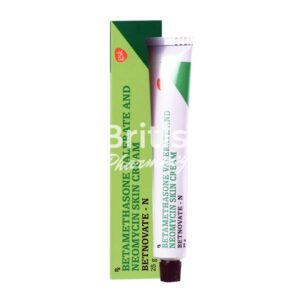
In brief
- In many countries Betnovate is classified as prescription-only (Rx) and should be obtained from a pharmacist with a prescription; however availability varies by country and some community pharmacies or online sellers may supply it without a receipt or prescription (sale without prescription may be non-compliant with local regulations).
- Betnovate (betamethasone valerate) is used for inflammatory skin conditions such as eczema, psoriasis, lichen planus and dermatitis; it is a potent topical corticosteroid that binds glucocorticoid receptors to reduce inflammation, redness and itching.
- Usual dosage: apply a thin film to the affected area once to twice daily for 1–2 weeks (rarely up to 4 weeks); use the smallest amount for the shortest duration, especially in children and on the face or skin folds.
- Form of administration: topical (cream, ointment or lotion/scalp applicator); for skin use only — not for ophthalmic use.
- Onset time: symptomatic relief (eg itching) often begins within hours, with clear clinical improvement commonly seen within 24–48 hours.
- Duration of action: effects typically last 12–24 hours, which is why once- or twice-daily application is recommended; total treatment courses are usually short.
- Alcohol warning: there is no specific interaction with alcohol, but avoid excessive alcohol intake as it may impair skin healing; also avoid applying alcohol-based products to irritated or treated skin.
- The most common side effect is transient burning or stinging at the application site; with prolonged or extensive use local skin thinning (atrophy), stretch marks, folliculitis, telangiectasia, secondary infection and pigment changes can occur.
- Would you like to try betnovate without a prescription?
Critical Warnings & Restrictions
- INN (International Nonproprietary Name): Betamethasone valerate (commonly known as Betnovate in many markets).
- Brand Names Available In United Kingdom: Betnovate — cream/ointment 0.1% in 30g and 100g tubes (typical UK presentation).
- ATC Code: D07AC01 — Corticosteroids, strong (group III), dermatological preparations.
- Forms & Dosages: Cream 0.1% (15g/30g/100g), Ointment 0.1% (15g/30g/100g), Lotion/Scalp Applicator 0.1% (30ml/60ml regional).
- Manufacturers In United Kingdom: GlaxoSmithKline (GSK).
- Registration Status In United Kingdom: MHRA approved prescription medicine.
- OTC / Rx Classification: Prescription Only (Rx).
Betnovate contains betamethasone valerate 0.1%, a strong topical corticosteroid (ATC D07AC01).
This medicine is Prescription Only Medicine (POM) in the United Kingdom and should be used under NHS or private prescriber guidance.
Do not use Betnovate if you have a known hypersensitivity to betamethasone valerate or any excipient in the product.
Avoid application to untreated bacterial, viral or fungal skin infections such as impetigo, herpes simplex or chickenpox.
Do not use for rosacea, perioral dermatitis or acne, and never apply Betnovate to the eyes or eyelids.
High‑risk situations — including use in children, pregnancy, elderly patients, over large body surface areas or on skin with impaired barrier — require GP or dermatologist supervision.
Monitor treated patients for local effects such as skin atrophy, striae and telangiectasia and for systemic corticosteroid effects including HPA axis suppression after prolonged or extensive use.
- Absolute Contraindications: Hypersensitivity to betamethasone or excipients; viral, fungal or untreated bacterial infections; rosacea, acne vulgaris, perioral dermatitis; tuberculous skin lesions; ophthalmic use.
- Before You Use — Checklist: Confirm any allergy to steroids or excipients.
- Check for signs of local infection (weeping, crusting, fever).
- Confirm pregnancy or breastfeeding status before supply.
- Identify the exact area to be treated and whether it is appropriate for a strong steroid.
| Storage/Transport | Prescription Status |
|---|---|
| Store at 15–25°C, keep tightly closed and protect from light; do not freeze; keep out of reach of children. | Prescription Only Medicine (POM) — valid paper or NHS electronic prescription required. |
Pharmacist counselling is mandatory at supply and must confirm indication, frequency, duration and risks associated with occlusion.
Advise immediate medical review for signs of secondary infection or systemic steroid excess such as unexplained fatigue, weight gain, mood changes or Cushingoid features.
High-Risk Groups
Children require extra caution and should use the smallest effective quantity for the shortest period.
Avoid use in infants under one year where possible and do not use prolonged or occlusive therapy without specialist instruction.
Pregnancy and lactation: only use when clearly needed and when the prescriber has documented a benefit/risk decision.
Elderly patients have thinner, more fragile skin and are at higher risk of local atrophy and telangiectasia.
Patients with diabetes, chronic infections or known adrenal insufficiency need monitoring for changes in glycaemic control and for signs of HPA axis suppression when large areas are treated.
- Children: Use lowest effective potency, avoid prolonged courses and monitor for growth or behavioural changes.
- Pregnancy/Lactation: Limit area and duration; document decision; avoid large area or long duration.
- Elderly: Consider lower frequency, inspect treated sites regularly and taper where appropriate.
- Monitoring Checklist: Regular skin checks for atrophy, measure blood pressure and monitor glucose in diabetic patients, and track growth parameters in children if treatment is prolonged.
- Document treatment and follow‑up in the GP record and use NHS electronic prescribing notes to request specialist advice if needed.
- Report serious adverse events to the MHRA Yellow Card scheme.
If there is any concern about safety or unexpected effects contact NHS 111 or the GP promptly.
Interaction With Activities
Q&A — Can I Drive After Taking It In The UK?
Topical betamethasone valerate has negligible systemic sedative effects and normally does not impair driving or operation of machinery.
If you experience dizziness, visual disturbance, severe mood change or other systemic steroid effects you must not drive and should seek medical advice.
Employers may require disclosure where safety‑critical roles are concerned, especially if systemic corticosteroid effects are suspected.
Regulated professionals should follow employer occupational health guidance and report any functional impairment that affects fitness to work.
- Symptoms That Should Preclude Driving: Dizziness, visual disturbance, severe mood change.
- Checklist For Healthcare Professionals: Ask about the dose, area treated and whether occlusion was used when advising patients about driving.
Advise patients to consult DVLA guidance and occupational health policies if they perform safety‑critical work.
Report any driving‑relevant adverse reactions via the MHRA Yellow Card scheme.
Usage Basics
INN, Brand Names Available In The United Kingdom
INN: betamethasone valerate is the active ingredient commonly marketed as Betnovate in the United Kingdom.
Typical UK presentations include Betnovate cream or ointment 0.1% in 30g and 100g tubes and regional scalp lotion formulations.
| INN | Brand | Strength | Typical Pack Sizes | Manufacturer |
|---|---|---|---|---|
| Betamethasone Valerate | Betnovate | 0.1% | 15g, 30g, 100g | GSK |
- Common Formulations: Cream, ointment, lotion/scalp applicator and combination products (e.g., Betnovate‑N).
- Note On Combinations: Products containing neomycin or clioquinol add extra contraindications such as ototoxicity risk with neomycin.
- Pharmacist Action: Confirm prescription authenticity and advise on vehicle choice (oily ointment for dry or hyperkeratotic lesions, cream for moist or intertriginous areas).
Legal Classification (POM, P, GSL)
Betnovate (betamethasone valerate 0.1%) is a Prescription Only Medicine (POM) in the UK because of potency and potential systemic risks.
A valid prescription — paper or NHS electronic — is required and pharmacists must verify prescription validity before supply.
Prescribing should follow NICE and MHRA guidance and local formulary choices where applicable.
- Pharmacist Checks: Prescription validity, patient identity where needed, pregnancy status and the age of child patients.
- Prescriber Checklist: Confirm indication, specify duration and quantity, and arrange follow‑up for review.
Be aware of regional prescription charging differences within the UK when advising patients about cost.
Dosing Guide
Standard Regimens (NHS Guidelines)
For eczema, psoriasis, lichen planus and most inflammatory dermatoses apply a thin film of Betnovate once or twice daily.
Standard use is for up to 1–2 weeks with review; rarely exceed 4 weeks without clinical reassessment.
Scalp lotions are used sparingly once to twice daily as directed by the prescriber.
For intensely inflamed lesions occlusion should only be used short‑term under specialist advice.
- Children: Use the lowest effective frequency for the shortest duration and generally avoid infants under one year.
- Elderly: Standard adult dose but monitor more closely for skin atrophy.
| Indication | Frequency | Maximum Typical Duration |
|---|---|---|
| Eczema/Psoriasis/Lichen Planus | Once to twice daily | 1–2 weeks (rarely >4 weeks without review) |
| Scalp Disorders (Lotion) | Sparingly once to twice daily | As prescribed, review if ongoing |
Prescribers should use fingertip unit guidance to estimate quantity and plan follow‑up at treatment end.
Adjustments For Comorbidities
In diabetes monitor blood glucose when large areas are treated or prolonged courses are used.
In immunosuppressed patients avoid treating large surface areas and co‑ordinate with secondary care.
For adrenal insufficiency or those on systemic steroids consider adrenal function monitoring if extensive topical steroid is required.
Missed dose: apply as soon as remembered unless the next dose is due then skip — never double the application.
Q&A — What If I Miss A Dose?
If you miss a dose apply it as soon as you remember unless the next scheduled dose is approaching.
Do not double‑up to make up a missed application.
Interaction Chart
Food And Drinks (Alcohol, Tea/Coffee, Diet Habits)
Topical betamethasone has minimal direct interactions with food or drink.
Alcohol and caffeine do not alter topical steroid effect in normal use.
Risk of clinically relevant interaction only increases if systemic absorption is significant due to occlusion, damaged skin, large area or prolonged use.
- Dispelling Myths: There is no evidence topical Betnovate interacts with tea, coffee or routine diets in standard use.
Common Drug Conflicts (MHRA Yellow Card Data)
Direct pharmacokinetic interactions are rare with topical betamethasone, but co‑use with systemic corticosteroids increases cumulative steroid exposure.
CYP3A4 inhibitors theoretically may enhance systemic corticosteroid effects, though this is uncommon with topical only use.
Concomitant use of other topical immunosuppressants increases infection risk at the application site.
| Drug/Agent | Mechanism | Clinical Action |
|---|---|---|
| Systemic Corticosteroids | Cumulative steroid exposure | Monitor for systemic effects; consider dose adjustment |
| CYP3A4 Inhibitors | Theoretical increased steroid levels | Be vigilant for systemic signs if large area treated |
| Topical Antimicrobials | Local interaction on skin flora | Use combination products only when indicated; heed extra contraindications |
Report suspected interactions or unexpected systemic signs through the MHRA Yellow Card service.
User Reports & Trends
Patients commonly report fast symptom relief with Betnovate but worry about recurrence when treatment stops.
Concerns about skin thinning, especially on the face and groin, are frequently raised in patient forums.
There is a documented trend of misuse of strong steroids as cosmetic or skin‑lightening creams in some communities, leading to skin damage.
Satisfaction improves when pharmacists explain duration, tapering and when to seek review.
- Typical Patient Queries: “Can I use this on my face?”, “How quickly will it work?”, “Is it safe for my child?”
| Sentiment | Typical Themes |
|---|---|
| Positive | Rapid relief of inflammation and itching |
| Negative | Fear of skin thinning, rebound flares, misuse |
Clinicians should verify online sources, educate about systemic risks and offer alternatives where appropriate.
Access & Purchase Options
Betnovate is available by prescription from high street pharmacies including Boots, LloydsPharmacy and Superdrug and from independent pharmacies.
Registered online pharmacy services will supply on receipt of a valid e‑prescription and should display General Pharmaceutical Council registration.
In our online pharmacy, betnovate is available without a prescription, with discreet delivery to United Kingdom in 5-14 days.
| Sourcing Option | Pros | Cons |
|---|---|---|
| High Street Pharmacy | Face‑to‑face counselling, immediate collection | May require GP visit for prescription |
| Online Registered Pharmacy | Convenience, NHS EPS delivery options | Ensure registered provider; possible delivery wait |
| Private Dermatology | Specialist review and follow‑up | Costlier than NHS prescription |
- Checklist For Safe Online Purchase: Valid prescription, MHRA‑approved product, registered pharmacist available for counselling, clear returns and privacy policy.
- Avoid importing or buying from unregulated international sites due to counterfeit risk.
Mechanism & Pharmacology
Simplified Explanation
Betamethasone valerate is a potent topical corticosteroid that binds glucocorticoid receptors in the skin.
It reduces inflammation by suppressing cytokine release and decreasing inflammatory cell recruitment.
Clinically this reduces vasodilation, oedema and pruritus and can slow epidermal proliferation in conditions such as psoriasis.
Clinical Terms
- Mechanism: Anti‑inflammatory and immunosuppressive via glucocorticoid receptor activation.
- Effects: Decreased redness, swelling and itch; antiproliferative in psoriasis.
- Absorption Factors: Occlusion, thin skin, large treated area, damaged skin and paediatric use increase systemic absorption risk.
| Factor Increasing Absorption | Clinical Consequence |
|---|---|
| Occlusion | Higher systemic exposure, risk of HPA suppression |
| Large Body Surface Area | Increased cumulative absorption |
| Thin Skin / Children | Higher per‑kg absorption and systemic risk |
Linking mechanism to adverse effects helps patients understand risks such as skin atrophy, striae and telangiectasia.
Indications & Off-Label Uses
MHRA‑Approved Uses
- Licensed indications include inflammatory dermatoses such as eczema, localised psoriasis, lichen planus and contact dermatitis.
- Scalp formulations are approved for scalp dermatoses where a lotion vehicle is appropriate.
Off‑Label Practices In NHS And Private Care
Off‑label use may occur under specialist guidance for selected autoimmune skin lesions or combined regimens where secondary infection is suspected.
Prescribers must document rationale and obtain informed consent when using Betnovate outside its licensed indications.
- Combination Products: Betnovate‑N or Betnovate‑C include antimicrobials and add contraindications such as neomycin ototoxicity.
- Safeguards For Off‑Label Use: Specialist review, monitoring plan and clear documentation in the record.
When disease is extensive, refractory or affects the face refer to dermatology rather than extending topical steroid use indefinitely.
Key Clinical Findings
Recent UK and Northern European studies (2022–2025) reaffirm the short‑term efficacy of betamethasone valerate 0.1% for acute eczema flares and localised psoriasis.
Evidence supports targeted 1–2 week courses with tapering to reduce relapse risk.
Comparative data show class III potency provides strong anti‑inflammatory benefit comparable with other potent topical steroids while underscoring the need for monitoring for atrophy and rebound.
- Observational reports continue to highlight harm from unsupervised cosmetic misuse and the need for public education.
| Outcome | Betamethasone Valerate Vs Comparator |
|---|---|
| Efficacy For Acute Flares | Comparable to other potent class III agents; faster control than low‑potency steroids |
| Adverse Events | Similar atrophy/rebound rates when used longer or over large areas |
Clinicians should consult NICE and local formulary updates and continue Yellow Card reporting for new safety signals.
Alternatives Matrix
NHS Prescribing Alternatives (Comparison Table)
| Agent | Potency Class | Typical Indications | Cautions |
|---|---|---|---|
| Hydrocortisone 1%/2.5% | Mild | Sensitive sites, children, face | Less effective for severe flares |
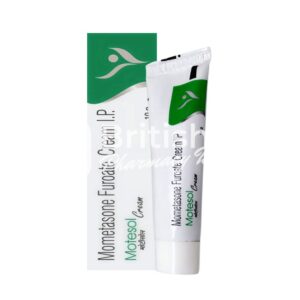
| Mometasone Furoate (Elocon) | Mid‑potency | Moderate eczema, facial sparing as directed | Avoid prolonged facial use |
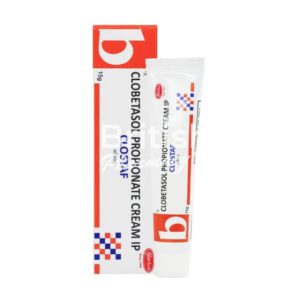
| Clobetasol Propionate (Dermovate) | Super potent | Severe localized psoriasis short courses | High risk of atrophy and systemic effects |
| Topical Calcineurin Inhibitors | Non‑steroidal | Facial and intertriginous areas | Irritation; cost considerations |
Pros And Cons Checklist
- Choose the lowest effective potency for the appropriate site and patient age.
- Balance efficacy against safety for facial, groin or paediatric use.
- Document rationale for selecting a potent steroid such as Betnovate on the prescription record.
Common Questions
- Can I use Betnovate on my face? Generally avoid long‑term or occlusive use on the face; use short courses only under specialist advice.
- How quickly will it work? Many patients notice relief within days and clearer improvement over 1–2 weeks.
- Can I stop suddenly? Short courses can be stopped; after prolonged use reduce frequency to avoid rebound inflammation.
- Is it safe in pregnancy? Use only if benefits outweigh risks after clinician discussion and documentation.
- Pharmacist Checklist When Answering: Confirm treated site, duration, child age and pregnancy status; advise follow‑up with GP or dermatology as needed.
NHS Cost & Access Comparison Table
| Source | Typical Price Range | NHS Prescription Charge Implication | Counselling Included |
|---|---|---|---|
| High Street Pharmacy (Boots, Lloyds, Superdrug) | Varies by dispensing fee; medicine supplied on prescription | Subject to regional charging rules; England standard charge unless exempt | Yes, face‑to‑face |
| Online Registered Pharmacy | May match NHS dispensing; delivery charge applies | NHS electronic prescription can be used; charges apply as per region | Telephone or online counselling by pharmacist |
| Private Dermatology | Higher—consultation plus prescription cost | Private supply not subject to NHS charge rules | Specialist counselling |
| Region | Prescription Charge |
|---|---|
| England | Standard NHS prescription charge applies unless exempt (refer to NHS guidance) |
| Scotland, Wales, Northern Ireland | Generally free prescriptions for patients under local schemes |
- Patients should check NHS guidance for the current charge level and claim exemptions where eligible.
- Request NHS electronic prescribing (EPS) for convenience and pharmacy delivery options when available.
Registration & Regulation
Betnovate (betamethasone valerate 0.1%) is authorised by the MHRA as a prescription medicine in the UK with marketing authorisation holders including GSK and generics MAHs.
Prescribing must align with NHS formularies, NICE recommendations where applicable and local trust guidance.
- Prescriber Checklist: Record the indication, planned duration and review date in the medical record and provide the patient information leaflet.
- Pharmacovigilance: Report adverse events via the MHRA Yellow Card scheme and note product MA numbers where relevant.
- Regulatory Terms: POM (Prescription Only Medicine), MAH (Marketing Authorisation Holder), MHRA (Medicines and Healthcare products Regulatory Agency), Yellow Card (adverse event reporting).
Avoid unlicensed imports without documented clinical governance and avoid prescribing products without UK registration unless there is a clinical need and governance in place.
Storage & Handling
UK Household Storage (Cold/Damp Climate)
Store Betnovate at 15–25°C in the original container and keep it tightly closed and away from direct heat and freezing temperatures.
Avoid storing tubes in humid bathrooms where steam and damp may affect packaging and stability.
Keep all medicines out of reach of children and pets and do not flush unused medicine; return it to the pharmacy for safe disposal.
| Condition | Guidance |
|---|---|
| Temperature Range | 15–25°C (store at room temperature, do not freeze) |
| Once Opened | Use until expiry; check carton or leaflet for any specific open‑bottle guidance |
- Transport Tips: Keep the product in the original container, protect from extremes of temperature and avoid leaving it in parked cars during hot or freezing weather.
- If Exposed To Freeze/Heat: Do not use if the product has been frozen or has changed appearance; return to pharmacy for advice.
Pharmacists should confirm expiry date at supply and advise on quantity limits and safe disposal per local waste regulations.
Guidelines For Proper Use
NHS Patient Safety Advice
Start counselling by confirming the indication and the exact area to be treated.
Demonstrate application of a thin film using the fingertip unit method and show the patient how much to apply for common areas.
State the frequency and maximum duration clearly — typically once to twice daily for 1–2 weeks and rarely more than 4 weeks without review.
Warn against face, groin and axilla application unless the prescriber advises and instruct against occlusive dressings unless directed by a clinician.
- Counselling Checklist: Indication, amount (FTU guidance), area, frequency, duration, follow‑up date, storage and disposal.
Provide a short handout: apply a thin layer, wash hands after application unless treating the hands, do not cover unless instructed, stop and seek review if infection appears or the skin worsens.
Record counselling in the NHS record and advise prompt GP or dermatology review for complications or lack of improvement.
Delivery Across United Kingdom
| City | Region | Delivery Time |
|---|---|---|
| London | England | 5–7 days |
| Birmingham | England | 5–7 days |
| Manchester | England | 5–7 days |
| Glasgow | Scotland | 5–7 days |
| Leeds | England | 5–7 days |
| Edinburgh | Scotland | 5–7 days |
| Liverpool | England | 5–7 days |
| Sheffield | England | 5–9 days |
| Bristol | England | 5–9 days |
| Newcastle Upon Tyne | England | 5–9 days |
| Cardiff | Wales | 5–9 days |
| Belfast | Northern Ireland | 5–9 days |
| Leicester | England | 5–9 days |