
Hypertension

Telmisartan
from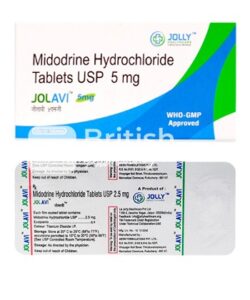
Midodrine
from
Florinef
from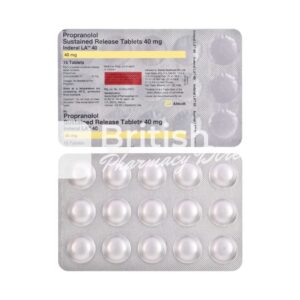
Propranolol
from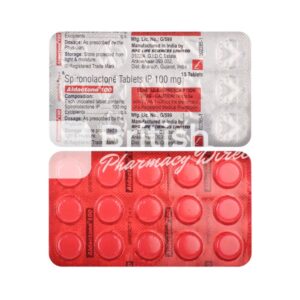
Spironolactone
from
Amlodipine
from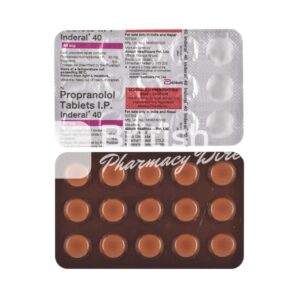
Bedranol
from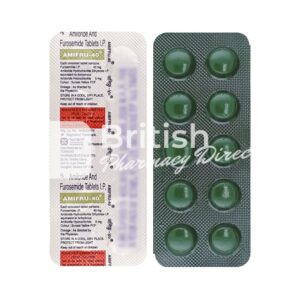
Lasix
from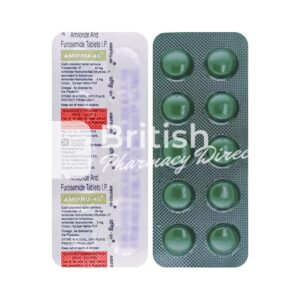
Amiloride
from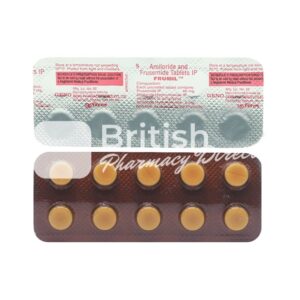
Co-amilofruse
from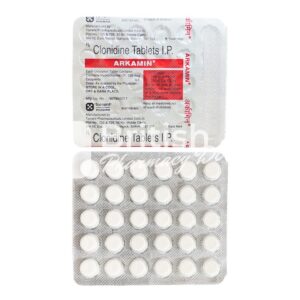
Clonidine
fromUnderstanding Hypertension: What You Need to Know
Hypertension, commonly known as high blood pressure, is a condition where the force of blood against artery walls is consistently too high. This can lead to serious health complications including heart disease, stroke, and kidney problems. Blood pressure is measured in two numbers: systolic pressure (the force when your heart beats) and diastolic pressure (the force when your heart rests between beats). Normal blood pressure is below 120/80 mmHg, whilst hypertension typically begins at 140/90 mmHg or higher.
There are two main types of hypertension. Primary hypertension develops gradually over time with no identifiable secondary cause, whilst secondary hypertension results from underlying conditions such as kidney disease or hormonal disorders. Understanding your blood pressure readings is crucial for managing your health effectively. Regular monitoring helps detect hypertension early, allowing for prompt treatment and lifestyle modifications to prevent serious complications.
Causes and Risk Factors of High Blood Pressure
Several factors contribute to the development of hypertension. Age plays a significant role, as blood pressure naturally increases with age. Family history is another important factor; if your parents or close relatives have hypertension, your risk is substantially higher. Lifestyle choices significantly impact blood pressure levels, including excessive salt intake, alcohol consumption, physical inactivity, and obesity.
Other contributing factors include chronic stress, poor sleep quality, and smoking. Certain medical conditions increase hypertension risk, such as diabetes, thyroid disorders, and sleep apnoea. Medications like oral contraceptives and corticosteroids can also elevate blood pressure. Ethnic background matters too; people of African descent have higher hypertension rates. Understanding these risk factors empowers you to make informed lifestyle changes and seek appropriate medical guidance.
Available Hypertension Medications in the United Kingdom
The UK market offers various effective medications for managing hypertension. Your healthcare provider will determine the most suitable medication based on your individual health profile, existing conditions, and potential side effects. Common medication types include:
- ACE inhibitors such as lisinopril and ramipril work by relaxing blood vessels and are commonly prescribed as first-line treatments
- Angiotensin II receptor blockers (ARBs) like losartan and valsartan function similarly and are excellent alternatives for patients who cannot tolerate ACE inhibitors
- Beta-blockers including atenolol, bisoprolol, and propranolol reduce heart rate and cardiac output, effectively lowering blood pressure
- Calcium channel blockers such as amlodipine and diltiazem relax blood vessel muscles, allowing improved blood flow
- Diuretics, including bendroflumethiazide and chlorthalidone, help reduce fluid volume in the body, thereby decreasing blood pressure
- Alpha-blockers like doxazosin for specific patient circumstances
Many patients require combination therapy using two or more medications to achieve optimal control. Your GP will work with you to find the most effective treatment plan for your individual needs.
Lifestyle Changes and Non-Medication Management
Effective hypertension management extends beyond medication alone. Dietary modifications play a crucial role; reducing sodium intake to under 2,300 mg daily significantly impacts blood pressure. The DASH diet, emphasising fruits, vegetables, whole grains, and lean proteins, has proven particularly effective for blood pressure reduction. Limiting alcohol consumption, with recommendations of no more than fourteen units weekly, helps maintain healthy levels.
Regular physical activity is essential for managing your blood pressure. Aim for at least 150 minutes of moderate-intensity exercise weekly, such as brisk walking, swimming, or cycling. Weight management is vital; losing even five to ten percent of body weight can meaningfully reduce blood pressure. Stress management techniques including meditation, yoga, and deep breathing exercises help control blood pressure naturally. Adequate sleep, typically seven to nine hours nightly, supports healthy blood pressure regulation.
Smoking cessation is absolutely critical for hypertension management and overall cardiovascular health. Reducing caffeine intake and limiting processed foods further supports blood pressure control. These lifestyle modifications work synergistically with medications, often allowing for reduced medication requirements over time.
Monitoring and Managing Your Blood Pressure at Home
Home blood pressure monitoring provides valuable information between medical appointments. Invest in a validated automatic blood pressure monitor for accurate readings. Measure your blood pressure at the same time daily, ideally morning and evening, in a relaxed state. Avoid caffeine, exercise, and stress for thirty minutes before measuring.
Maintain a blood pressure diary, recording readings along with dates and times. This information helps your healthcare provider track trends and adjust treatment accordingly. Proper technique ensures accuracy; sit with feet flat on the floor, back supported, and the blood pressure cuff at heart level. Take multiple readings several minutes apart and average them for more reliable results.
Regular appointments with your GP remain essential despite home monitoring. These visits allow professional assessment of your condition and medication effectiveness. Discuss any concerning readings or symptoms with your healthcare provider promptly. Home monitoring encourages patient engagement in managing their condition and can improve medication adherence and overall health outcomes.
When to Seek Medical Help and Hypertension Complications
Recognise warning signs requiring immediate medical attention. Seek emergency care if you experience sudden severe headache, chest pain, shortness of breath, or vision changes, as these may indicate a hypertensive crisis. Regular GP appointments should continue even when your blood pressure appears well controlled.
Uncontrolled hypertension increases risks of serious complications. Heart disease and heart attacks result from prolonged high blood pressure damaging coronary arteries. Stroke risk increases significantly as hypertension damages cerebral blood vessels. Chronic kidney disease develops when high blood pressure damages kidney function over time. Heart failure can develop as the heart struggles against sustained high pressure. Peripheral artery disease affects blood vessels in the legs and extremities, whilst cognitive decline and dementia risk increase with long-term hypertension.
Eye damage, including retinopathy, occurs in severe cases. Early detection and consistent treatment prevent most complications. Contact your GP if you experience symptoms like persistent headaches, fatigue, or chest discomfort. Never ignore signs of hypertension; prompt medical intervention and adherence to treatment plans significantly improve long-term health outcomes and quality of life.