Bedranol
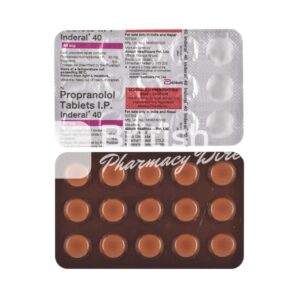
In brief
- In our pharmacy, you can buy bedranol without a prescription, with delivery in 5–14 days throughout the United Kingdom. Discreet and anonymous packaging.
- Bedranol (propranolol) is used for hypertension, angina, arrhythmias, migraine prophylaxis, essential tremor, post‑MI secondary prevention and infantile haemangioma; it is a non‑selective beta‑adrenergic blocker that reduces heart rate, myocardial contractility and sympathetic effects.
- Usual doses vary by condition: hypertension often starts at 40 mg twice daily (adjust to 120–240 mg/day), angina 80–320 mg/day, arrhythmias 10–30 mg 3–4 times daily, migraine prophylaxis 80–240 mg/day, essential tremor 40 mg twice daily up to 320 mg/day; post‑MI 180–240 mg/day; infantile haemangioma dosing begins at 0.6 mg/kg twice daily titrating as recommended.
- Forms of administration include oral tablets, extended‑release capsules (LA/XL), oral solution (e.g. Hemangeol for infants) and intravenous ampoules for hospital use.
- Oral immediate‑release propranolol usually begins to take effect within 30–60 minutes (peak 1–4 hours); extended‑release forms may take 2–4 hours to show full effect; IV onset is within minutes.
- The duration of action is generally about 6–12 hours for immediate‑release formulations; extended‑release products provide once‑daily coverage up to 24 hours, while IV effects are shorter and dose‑dependent.
- Avoid excessive alcohol: alcohol can increase drowsiness, dizziness and the risk of low blood pressure when taking propranolol and should be used with caution.
- The most common side effect is fatigue.
- Would you like to try bedranol without a prescription?
Basic Bedranol Information
- INN (International Nonproprietary Name): Propranolol (pro-PRAN-oh-lol).
- Brand Names Available In United Kingdom: Inderal and generic propranolol formulations are available in the UK.
- ATC Code: C07AA05 — C07 = Beta blocking agents, AA = Non-selective beta blockers, 05 = Propranolol.
- Forms & Dosages: Tablets commonly 10 mg, 40 mg, 80 mg and 160 mg, extended‑release (LA/XL/ER) forms and an oral solution (Hemangeol 4.28 mg/mL for infants), and IV ampoules 1 mg/mL for hospital use.
- Manufacturers In United Kingdom: Multiple suppliers and generics are distributed via European manufacturers and global suppliers; branded Inderal and UK-supplied generics are available through licensed distributors and pharmacy supply chains.
- Registration Status In United Kingdom: Propranolol products are registered as prescription medicines and are included in national formularies and licenced preparations for oral and IV use.
- OTC / Rx Classification: Prescription only (Rx) in the UK and major markets; supply requires a valid prescription.
Critical Warnings, Restrictions And Immediate Patient Protection
High‑Risk Groups (Elderly, Pregnancy, Chronic Illness)
Priority safety summary: Propranolol is a prescription-only medicine with absolute contraindications including asthma or bronchospasm, severe bradycardia, high‑degree atrioventricular block (unless a pacemaker is present), uncompensated heart failure and known hypersensitivity to propranolol or excipients.
Use extreme caution in pregnancy and breastfeeding and ensure a documented risk/benefit discussion when used in these circumstances.
Elderly patients and those with hepatic or renal impairment should start at lower doses, titrate slowly and be monitored more closely for bradycardia and hypotension.
Patients with diabetes, peripheral vascular disease or a history of severe allergic reactions also require individualised assessment.
- Baseline screening checklist: Record pulse and blood pressure before starting treatment.
- Ask about respiratory history and previous asthma or wheeze.
- Review current medicines for interactions, including other antihypertensives and interactions with insulin or oral antidiabetics.
- Check diabetes history and advise glucose monitoring if appropriate.
Interaction With Activities (Driving, Workplace Safety Under UK Law)
Propranolol can cause dizziness, fatigue and blurred vision, particularly during dose titration or initiation.
Advise patients not to drive or operate heavy machinery until they know how propranolol affects them.
Record that driving and workplace safety counselling was given in the patient medication record (PMR).
Can I Drive After Taking It In The UK?
Short answer: Not until you know how it affects you.
If you experience dizziness, syncope, blurred vision or severe fatigue do not drive and seek clinical advice.
If a clinician advises it, inform the DVLA per their guidance on fitness to drive.
- Contraindications (quick list): Asthma/bronchospasm, severe bradycardia, high‑degree AV block (unless pacemaker), uncompensated heart failure, known hypersensitivity.
- Urgent symptoms checklist: Worsening breathlessness, severe chest pain, fainting/syncope, marked slow pulse, severe wheeze — seek emergency care.
Usage Basics: INN, UK Brands And Legal Classification
INN And Brand Names Available In The UK
The International Nonproprietary Name is propranolol (pro-PRAN-oh-lol).
Common UK brands include Inderal and multiple generic propranolol products supplied by licensed manufacturers.
Formulations available in the UK include immediate‑release tablets (10 mg, 40 mg, 80 mg, 160 mg), extended‑release forms (Inderal LA or propranolol ER) and the licensed oral solution Hemangeol 4.28 mg/mL for infantile haemangioma.
IV ampoules (1 mg/mL) are reserved for hospital use in emergencies.
| Brand | Formulation | Typical Doses |
|---|---|---|
| Inderal | Tablets | 10 mg, 40 mg, 80 mg, 160 mg |
| Inderal LA / Propranolol ER | Extended‑release capsules/tablets | 60 mg, 80 mg, 120 mg, 160 mg (once daily options) |
| Hemangeol | Oral solution | 4.28 mg/mL for infant dosing (weight‑based) |
| Generic Propranolol | Tablets, oral solution, IV ampoules | Varies by product; 10–160 mg tablets and 1 mg/mL IV ampoules |
Legal Classification (POM, P, GSL) And NHS Context
Propranolol is a Prescription‑Only Medicine (POM) in the UK and other major markets.
Prescriptions are issued by GPs or hospital specialists and dispensed by community pharmacies or registered online pharmacies when a valid prescription is produced.
When ordering on the NHS use an FP10 or NHS electronic prescription as applicable; pharmacists should verify MHRA licensing and local formulary preference.
- INN
- Propranolol — the generic name used in prescriptions and clinical guidance.
- Brand
- Inderal, Hemangeol and many generics supplied by recognised manufacturers.
- Formulation
- Immediate release tablets, extended‑release (LA/XL/ER), oral solution and IV ampoules for hospital use.
Dosing Guide
Standard Regimens (NHS‑Aligned Starting Doses)
Hypertension commonly starts at 40 mg twice daily, adjusting as needed up to typical maintenance ranges.
Migraine prophylaxis is usually 80–240 mg/day in divided doses depending on response and tolerance.
Angina treatment typically ranges from 80–320 mg/day in divided doses according to symptoms and exercise tolerance.
Arrhythmias can be treated with 10–30 mg three to four times daily depending on rhythm control needs.
Secondary prevention after myocardial infarction often uses 180–240 mg/day in divided doses as tolerated.
For infantile haemangioma follow Hemangeol licence dosing starting at 0.6 mg/kg twice daily and titrating up to 1.7 mg/kg three times daily under paediatric supervision.
| Condition | Typical Starting Dose | Titration Notes |
|---|---|---|
| Hypertension | 40 mg twice daily | Increase gradually; monitor BP and HR |
| Migraine Prophylaxis | 80–240 mg/day (divided) | Assess benefit after several weeks |
| Angina | 80–320 mg/day (divided) | Titrate to symptom control and tolerance |
| Arrhythmias | 10–30 mg 3–4× daily | Consider ECG monitoring if conduction disease suspected |
| Post‑MI | 180–240 mg/day (divided) | Start early post‑infarct if haemodynamically stable |
Adjustments For Comorbidities
Start at lower doses and titrate slowly in elderly patients and those with hepatic impairment because propranolol is hepatically metabolised.
Reduce dose for low body weight or frailty and monitor heart rate and blood pressure closely.
Obtain a baseline ECG when conduction disease is suspected or when interacting drugs that affect AV conduction are in use.
What If I Miss A Dose?
Take the missed dose as soon as you remember unless the next scheduled dose is near, in which case skip the missed dose.
Do not double up doses to make up for a missed tablet and contact your GP or pharmacist if unsure.
- Monitoring triggers: Symptomatic bradycardia, symptomatic hypotension, new breathlessness, syncopal episodes — review urgently.
- Dose titration checklist: Baseline BP/HR, review at 1–2 weeks after change, repeat at 6–12 weeks and as clinically indicated.
Interaction Chart: Food, Drink And Common Drug Conflicts
Food And Drink Interactions
Alcohol may increase sedation and the risk of hypotension when taking propranolol.
Caffeine intake can alter symptom control and may interact with anxiety‑related effects; advise moderation and consistent intake patterns.
There are no major food absorption restrictions, but taking propranolol with or after food can improve gastrointestinal tolerance for some patients.
- Avoid or moderate alcohol intake due to increased sedation and blood pressure effects.
- Keep caffeine intake consistent to avoid fluctuating tremor or palpitations.
Common Drug Conflicts And Pharmacovigilance (MHRA Yellow Card)
Propranolol interacts with several drug classes and requires vigilance when co‑prescribing.
Combination with other antihypertensives can cause additive hypotension and require dose adjustments and monitoring.
Concurrent use with non‑dihydropyridine calcium channel blockers increases the risk of marked bradycardia or AV block and should be avoided or closely supervised.
Other interactions of note include digoxin and certain antiarrhythmics, drugs that inhibit or induce hepatic CYP enzymes, and antidiabetic medicines where hypoglycaemia can be masked.
| Drug / Drug Class | Potential Effect | Action |
|---|---|---|
| Other Antihypertensives | Additive hypotension | Monitor BP, adjust doses as needed |
| Calcium Channel Blockers (verapamil, diltiazem) | Bradycardia, AV block | Avoid combination or monitor ECG and HR closely |
| Digoxin | Increased bradycardic effect | Monitor pulse and consider ECG |
| Insulin / Oral Hypoglycaemics | Masking of hypoglycaemia symptoms | Increase glucose monitoring; patient education |
| CYP Inhibitors / Inducers | Altered propranolol levels | Consider dose adjustment and monitoring |
Report suspected adverse reactions via the MHRA Yellow Card scheme to support pharmacovigilance.
User Reports, Trends And Patient Experience
Patients commonly report initial tiredness, vivid dreams and cold hands or feet when starting propranolol.
Many people describe a reduction in palpitations and tremor after a week or two, with migraine sufferers often noting fewer attacks after several weeks of regular use.
Those using propranolol for situational anxiety report benefit from single low doses for performance‑type events, although this is an off‑label strategy and should be discussed with a clinician.
- Common reported benefits: Reduced palpitations, less tremor, fewer migraine days, calmer performance anxiety.
- Common adverse effects: Fatigue, dizziness, vivid dreams, cold extremities, occasional nausea.
Escalate to GP or urgent care if breathlessness worsens, marked bradycardia occurs, syncope develops, or severe hypotension is present.
Suggested local audits include reviewing GP practice prescribing trends, patient satisfaction surveys and analysing MHRA Yellow Card submissions for emerging safety signals.
Access, Purchase And Safe Supply In The UK
High‑Street Pharmacies And Chains
Boots, LloydsPharmacy, Superdrug and independent community pharmacies dispense propranolol when presented with a valid prescription.
Pharmacists provide counselling, check for interactions and supply the patient information leaflet with each dispensed item.
Online Pharmacies And NHS E‑Prescriptions
Registered online pharmacies in the UK may dispense from a valid e‑prescription once the prescriber and patient identity are verified.
Avoid unregulated foreign suppliers that do not display MHRA or GPhC registration details.
In our online pharmacy, bedranol is available without a prescription, with discreet delivery to United Kingdom in 5-14 days.
- Safety checklist for patients buying online: Verify the pharmacy is GPhC‑registered and MHRA compliant.
- Request a pharmacist consultation before supply and keep copies of prescriptions and delivery records.
- Never share doses with others and store prescription records securely.
| What To Check | Why |
|---|---|
| MHRA / GPhC registration | Ensures legal and safe supply in the UK |
| Pharmacist consultation available | For interaction checks and counselling |
| Valid prescription required | Legal requirement for POM medicines |
Mechanism Of Action And Pharmacology
Simplified Explanation For Patients
Propranolol is a non‑selective beta‑blocker that blocks both β1 and β2 adrenergic receptors.
It reduces heart rate and cardiac output and dampens sympathetic symptoms such as tremor and palpitations.
Because it crosses the blood–brain barrier, it can affect sleep patterns and mood in some people.
Clinical/Pharmacokinetic Terms For Clinicians
Propranolol has high hepatic metabolism and variable oral bioavailability due to first‑pass metabolism.
Extended‑release formulations provide once‑daily dosing and more stable plasma levels compared with immediate‑release tablets.
IV preparations (1 mg/mL) are used in acute hospital settings for rapid control of arrhythmia or blood pressure in emergencies.
- Non‑selective
- Blocks β1 and β2 receptors, affecting heart, lungs and peripheral vasculature.
- Bioavailability
- Variable due to hepatic first‑pass; adjust doses in liver impairment.
- ER Formulations
- Provide smoother plasma concentrations and once‑daily adherence benefits.
Indications And Common Off‑Label Uses
MHRA‑Approved Indications And NHS Uses
Licensed indications include hypertension, angina, certain arrhythmias, migraine prophylaxis, essential tremor and secondary prevention after myocardial infarction.
Hemangeol oral solution is licensed for infantile haemangioma and is dosed by weight in paediatric practice.
Off‑Label Practices In NHS And Private Care
Common off‑label uses include situational or performance anxiety where single low doses may be used for acute symptom control.
Other specialist uses can include adjunct therapy in portal hypertension and selected neuropathic symptom management when other options are unsuitable.
- Licensed uses: Hypertension, angina, arrhythmias, migraine prophylaxis, essential tremor, post‑MI prevention, infantile haemangioma (Hemangeol).
- Common off‑label uses: Performance anxiety (single‑dose use), adjuncts in specific gastroenterology cases, selective neuropathic symptoms.
Key Clinical Findings And Evidence Sources
Major guidance and evidence sources include national guidance from NICE, Cochrane systematic reviews on migraine prophylaxis, EMA and national licensing data for formulations such as Hemangeol, and RCTs demonstrating mortality benefit post‑MI.
Evidence highlights show benefit for migraine prophylaxis and secondary prevention post‑MI, with cautionary data on bronchospasm, bradycardia and hypoglycaemia in vulnerable groups.
| Study / Review | Population | Intervention | Primary Outcome | Key Finding |
|---|---|---|---|---|
| Cochrane Review (migraine) | Adults with recurrent migraine | Propranolol vs placebo | Frequency of migraine attacks | Propranolol reduced migraine frequency in many trials; evidence level moderate to high |
| Post‑MI RCTs | Patients after acute myocardial infarction | Long‑term propranolol vs control | Mortality and reinfarction | Reduction in mortality in several studies; established secondary prevention role |
Clinicians should consult NICE, EMA licence summaries and Cochrane reviews for full guidance and plain‑language summaries for patients where needed.
Alternatives Matrix And NHS Prescribing Choices
NHS Prescribing Alternatives (Comparison Table)
| Drug | Beta‑Selectivity | Typical Uses | Pros | Cons |
|---|---|---|---|---|
| Atenolol | Cardioselective (β1) | Hypertension, angina | Less central penetration | Longer half‑life but not ideal for asthma patients |
| Metoprolol | Cardioselective (β1) | Angina, heart failure, arrhythmias | Widely used in cardiology | May require twice‑daily dosing for some formulations |
| Bisoprolol | Cardioselective (β1) | Heart failure, hypertension | Cardioselectivity useful in respiratory disease | Still requires monitoring for bradycardia |
| Carvedilol | Non‑selective with alpha block | Heart failure, hypertension | Useful in heart failure with additional vasodilatory effect | May cause more hypotension |
Pros And Cons Checklist When Switching
- Consider cardioselective agents for patients with asthma or COPD risk.
- Evaluate renal and hepatic function when choosing and dosing alternatives.
- Assess adherence preferences for once‑daily vs multiple daily dosing.
- Review tolerability history (fatigue, vivid dreams) and patient preference.
When reviewing repeat prescriptions, clinicians should perform an indication review, check side‑effects, record BP and HR, and request ECG if conduction disease is suspected.
Common Patient Questions And Brief Answers
- Can I stop propranolol suddenly? No — taper under clinician supervision to avoid rebound hypertension or tachycardia.
- Does it cause weight gain? Not a primary effect; some patients report appetite or symptom changes — monitor weight if concerned.
- Is it safe in diabetes? Use with caution — propranolol can mask hypoglycaemia symptoms; increase glucose monitoring.
- Can I drink alcohol? Moderate alcohol increases sedation and hypotension risk; avoid excess.
Consider adding this one‑page FAQ as a printable handout for pharmacy customers.
NHS Cost & Access Comparison
The suggested public‑facing comparison table should compare source or pharmacy type with typical private price range, NHS prescription charge status and exemption notes.
| Source / Pharmacy | Typical Private Price Range (Per Pack) | NHS Prescription Charge Status | Exemption Notes |
|---|---|---|---|
| Community Pharmacy (High Street) | Typical private price varies by brand | Prescription only | Exemptions apply per national rules and individual circumstances |
| Registered Online Pharmacy | Typical private price varies; delivery charges may apply | Prescription only | Check GPhC registration and prescription status |
Scotland, Wales and Northern Ireland generally have free prescriptions for residents; England uses prescription charges with multiple exemptions.
- Tips to reduce cost: request generic prescribing, check entitlement to prescription exemptions or Prepayment Certificates (PPCs), and discuss repeat prescription reviews to avoid wastage.
Registration, Regulation And Reporting
MHRA Approval And Licensing Framework
Propranolol products supplied in the UK are regulated by MHRA licensing conditions, and generics must meet licence requirements.
Prescribe licensed doses when possible and document rationale and informed consent when prescribing off‑label.
NHS Prescribing Framework And Pharmacovigilance
Report adverse reactions via the MHRA Yellow Card scheme and follow local formulary guidance for preferred brands and cost‑effective choices.
- Checklist for clinicians: confirm product licence, document consent for any off‑label use, and report suspected adverse events via Yellow Card.
For imported or unlicensed products follow NHS guidance on unlicensed medicines and local governance procedures.
Storage, Transport And Household Handling
Household Storage In UK Conditions
Store propranolol at room temperature, typically 15–25°C, away from moisture, heat and direct light.
Keep oral solutions tightly closed and retain medicines in their original packaging to preserve stability and leaflets.
Avoid storing medicines in bathrooms or near windows where UK damp conditions may affect them.
Pharmacy And Travel Transport Guidance
Advise patients to carry medicines in original containers and to bring a copy of the prescription or e‑prescription when travelling.
Keep controlled temperature items out of very hot conditions and carry essential medicines in hand luggage during flights.
- Household do’s: Store at recommended temperature, keep out of sight and reach of children, check expiry dates before use.
- Travel checklist: carry‑on medicines, prescription copy, emergency contact and pharmacist contact details.
Practical Guidelines For Proper Use And Pharmacist Counselling
UK Pharmacist Counselling Style And Key Messages
On supply confirm the indication and review for absolute contraindications such as asthma, heart block and severe bradycardia.
Check concomitant medicines and explain common side effects such as fatigue, vivid dreams and cold extremities.
Advise patients on missed dose rules and what to do in case of suspected overdose — seek immediate medical attention.
NHS Patient Safety Advice And Monitoring Plan
Recommend baseline blood pressure and heart rate recording, and a review after dose changes at 1–2 weeks and again at 6–12 weeks.
Consider ECG monitoring if conduction disease is suspected or if interacting drugs are started.
For infant haemangioma ensure paediatric follow‑up and strict weight‑based dosing under specialist supervision.
- Pharmacist counselling checklist: indication, contraindications, concomitant drugs, side‑effects, driving advice, missed dose and overdose actions.
- Suggested monitoring schedule: baseline, 1–2 weeks after start/change, 6–12 weeks, then periodic reviews.
Delivery Across United Kingdom
| City | Region | Delivery time |
|---|---|---|
| London | England | 5-7 days |
| Birmingham | England | 5-7 days |
| Manchester | England | 5-7 days |
| Glasgow | Scotland | 5-7 days |
| Leeds | England | 5-7 days |
| Edinburgh | Scotland | 5-7 days |
| Bristol | England | 5-7 days |
| Liverpool | England | 5-9 days |
| Sheffield | England | 5-9 days |
| Cardiff | Wales | 5-7 days |
| Belfast | Northern Ireland | 5-9 days |
| Newcastle Upon Tyne | England | 5-9 days |
| Nottingham | England | 5-9 days |
| Southampton | England | 5-9 days |