Indocid
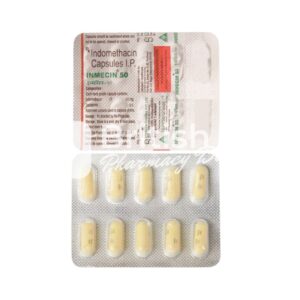
In brief
- Available from pharmacies and licensed online suppliers; indomethacin (Indocid) is officially prescription-only in regulated markets, though in some areas or pharmacies it may be sold without a prescription—always check local rules and consult a pharmacist or doctor.
- Indocid is used to treat inflammatory conditions such as osteoarthritis, rheumatoid arthritis, ankylosing spondylitis and acute gouty arthritis, and is a non‑steroidal anti‑inflammatory drug (NSAID) that works by inhibiting cyclooxygenase (COX) enzymes to reduce prostaglandin synthesis and inflammation.
- Usual adult dosages: for chronic rheumatic conditions 25 mg two to three times daily (may be increased by 25–50 mg in divided doses as tolerated, up to about 200 mg/day); for acute gout often 50 mg three times daily for short‑term use; dosing should be individualised by a physician.
- Administered orally as tablets/capsules or oral suspension, rectally as suppositories, and in some settings as an intravenous lyophilised preparation for reconstitution.
- Oral effects commonly begin within 30–60 minutes; in acute gout pain and swelling often start to reduce within 2–4 hours with more marked improvement over 3–5 days.
- The duration of action for standard immediate‑release doses is generally several hours (around 4–8 hours); sustained‑release formulations may provide coverage for longer (up to 12–24 hours depending on product).
- Avoid or limit alcohol while taking indocid because concurrent alcohol increases the risk of gastrointestinal bleeding and may exacerbate liver toxicity and other adverse effects.
- The most common side effect is gastrointestinal upset (nausea, heartburn, abdominal pain); other frequent reactions include headache, dizziness and, in some patients, more serious GI bleeding, renal impairment or elevated blood pressure.
- Would you like to try indocid without a prescription?
Critical Warnings & Restrictions — Patient Safety First (Priority)
Basic Indocid Information
- INN (International Nonproprietary Name): Indomethacin (also known as Indometacin in some countries).
- Brand Names Available In United Kingdom: Indometacin; Indocid; Indocin (these names appear across Europe and may be supplied as generics in the UK).
- ATC Code: M01AB01 (Anti-inflammatory and antirheumatic products, non-steroids — acetic acid derivatives).
- Forms & Dosages: Capsules/tablets 25 mg, 50 mg, sustained/extended release 75 mg; oral suspension 25 mg/5 mL (237 mL bottle); suppositories 50 mg and 100 mg; injectable IV 1 mg/vial (lyophilised).
- Manufacturers In United Kingdom: not specified.
- Registration Status In United Kingdom: MA-authorised medicine; generics available under EMA/MHRA frameworks and distributed in Europe.
- OTC / Rx Classification: Prescription Only Medicine (POM) in regulated markets.
High-Risk Groups (Elderly, Pregnancy, Chronic Illness)
Indomethacin is an NSAID with significant gastrointestinal, renal, hepatic and cardiovascular risks.
Absolute Contraindications include hypersensitivity to indomethacin or other NSAIDs, active gastrointestinal bleeding or peptic ulcer, severe hepatic, renal or cardiac failure, and aspirin‑exacerbated respiratory disease.
Pregnancy: The drug should be avoided in the third trimester because of risks to the foetus and to labour; women of childbearing age should be counselled about these risks and contraception while on treatment.
Elderly Patients should start at the lower end of dosing and be monitored closely for gastrointestinal bleeding, renal impairment and increased falls risk from dizziness.
Chronic Illness: People with heart failure, uncontrolled hypertension, those on anticoagulants, chronic kidney disease or significant liver disease need specialist review before starting indomethacin.
- Absolute Contraindications:
- Allergy to indomethacin or NSAIDs.
- Active GI bleeding or peptic ulcer disease.
- Severe hepatic, renal or cardiac insufficiency.
- Aspirin‑exacerbated respiratory disease (asthma/urticaria after aspirin/NSAIDs).
- Relative Contraindications/Require Monitoring:
- Hypertension, fluid retention, heart failure.
- Concurrent anticoagulant or SSRI therapy.
- History of GI disease or prior NSAID ulcer.
- Chronic renal or liver impairment.
- Absolute Contraindication
- Condition in which indomethacin must not be given because of definite risk of serious harm.
- Relative Contraindication
- Condition requiring caution, dose adjustment or specialist review before prescribing.
Pre-Prescribing Checklist:
- Confirm allergy history (NSAIDs/aspirin reactions).
- Check current medications (anticoagulants, SSRIs, lithium, methotrexate, ACEi/ARBs, diuretics).
- Baseline bloods: renal function, liver function tests, full blood count if bleeding risk suspected.
- Measure blood pressure and record weight and fluid status.
- Confirm pregnancy status in women of childbearing potential and discuss contraception.
Interaction With Activities (Driving, Workplace Safety Under UK Law)
Indomethacin can cause dizziness, drowsiness and visual disturbance, particularly when starting treatment or after dose increases.
Advise patients not to drive or operate machinery if they feel impaired, and to avoid hazardous tasks until they know how the drug affects them.
If side effects cause persistent impairment, the patient should inform their GP and the pharmacist about driving fitness and follow DVLA guidance where necessary.
Q&A — Can I Drive After Taking It In The UK?
Short answer: Do not drive if indomethacin makes you drowsy or dizzy.
If you have persistent impairment, inform your GP and check DVLA guidance and discuss dose timing or alternatives with your pharmacist.
Usage Basics: Names, Legal Status And UK Availability
INN, Brand Names Available In The UK
The International Nonproprietary Name is indomethacin, sometimes spelled indometacin in parts of Europe.
Common international trade names include Indocin, Indocid and Indocid/Indocin generics, which also appear in European markets and may be supplied in the UK as generic indomethacin formulations.
Typical strengths seen in supplied stocks are 25 mg and 50 mg tablets or capsules, sustained‑release 75 mg, suppositories 50 mg and 100 mg, an oral suspension 25 mg/5 mL (237 mL bottle) and an IV 1 mg/vial formulation for hospital use.
Legal Classification (POM, P, GSL)
- Indomethacin is a Prescription‑Only Medicine (POM) under UK regulation.
- IV and certain neonatal uses are hospital‑only formulations in many centres.
- MHRA provides product authorisation oversight for UK supplies.
| Formulation | Typical Strength | Common Source |
|---|---|---|
| Tablets/Capsules | 25 mg, 50 mg; SR 75 mg | Generic manufacturers (European suppliers) |
| Oral Suspension | 25 mg/5 mL (237 mL bottle) | Marketed generics / international brands |
| Suppositories | 50 mg, 100 mg | Generics |
| Injectable (IV) | 1 mg/vial (lyophilised) | Hospital supply only |
Dosing Guide — Practical NHS‑Focused Regimens And Adjustments
Standard Regimens (NHS Guidelines)
For chronic inflammatory conditions such as osteoarthritis, rheumatoid arthritis and ankylosing spondylitis, a common adult starting dose is 25 mg two to three times daily, titrating by 25–50 mg as tolerated in divided doses.
For acute gouty arthritis, typical initial dosing is 50 mg three times daily until the flare settles.
The commonly quoted maximum for short‑term use is up to 200 mg daily, and the treatment principle is always the lowest effective dose for the shortest possible time.
Children: not routinely indicated; specialist, weight‑based dosing only.
Adjustments For Comorbidities
Elderly patients should start at the low end of dosing and have close monitoring of renal function, liver tests and blood pressure.
In renal or hepatic impairment dose reduction is often necessary and indomethacin should be avoided in severe disease because of toxicity and accumulation risk.
Concurrent anticoagulants or SSRIs raise bleeding risk and alternatives should be considered where possible.
- Quick Dose Adjustment Checklist:
- Start low in elderly; monitor renal function within 1–2 weeks.
- Reduce dose or avoid in severe hepatic or renal impairment.
- Stop or review if significant BP rise, weight gain or oedema occurs.
| Regimen | Typical Dose | Monitoring Needs |
|---|---|---|
| Osteoarthritis / RA | 25 mg 2–3 times daily, titrate | Renal function, LFTs, BP periodically |
| Acute Gout | 50 mg three times daily until relief | Short course; monitor GI symptoms and renal function |
Q&A — What If I Miss A Dose?
Take the missed dose as soon as you remember unless it is close to the next scheduled dose, in which case skip it.
Do not double up doses to make up for a missed one.
For sustained‑release products follow the manufacturer’s label and contact the pharmacist or GP if unsure.
Interaction Chart — Drugs, Food, Alcohol And MHRA Reporting
Food And Drinks (Alcohol, Tea/Coffee, Diet Habits)
There are no major food interactions with indomethacin, but alcohol increases the risk of gastrointestinal bleeding and should be avoided or minimised while taking the medicine.
Caffeine can aggravate dyspepsia in sensitive people, so advise taking tablets with food to reduce stomach upset and maintain good hydration.
- Practical Counselling Points:
- Take with or just after food to reduce GI symptoms.
- Avoid or minimise alcohol while on indomethacin.
- Report black or tarry stools, vomiting blood or severe abdominal pain immediately.
Common Drug Conflicts (MHRA Yellow Card Data)
Key interactions from standard references include increased bleeding risk with anticoagulants and antiplatelets such as warfarin and DOACs.
SSRIs and SNRIs raise the risk of gastrointestinal bleeding when combined with NSAIDs.
ACE inhibitors, ARBs and diuretics may have reduced antihypertensive effect and increase renal risk when used with indomethacin.
Indomethacin can increase lithium and methotrexate levels and corticosteroids increase the risk of GI ulceration.
Pharmacists should perform routine medication reconciliation and liaise with the GP where interactions are present.
| Drug/Class | Effect | Action |
|---|---|---|
| Warfarin / DOACs / Antiplatelets | Increased bleeding risk | Avoid combination if possible; monitor INR and counsel on bleeding signs |
| SSRIs / SNRIs | Raised GI bleed risk | Consider gastroprotection and review necessity |
| ACEi / ARB / Diuretics | Reduced antihypertensive effect; renal impairment risk | Monitor BP and renal function closely |
| Lithium / Methotrexate | Increased levels / toxicity risk | Check levels and liaise with prescriber |
Report suspected adverse reactions via the MHRA Yellow Card scheme.
User Reports & Trends — NHS Choices, Patient.info, Mumsnet Insights
Patients commonly report fast relief from gout flares using indomethacin, often noticing improvement within a few hours and substantial relief within days.
Frequent complaints are gastrointestinal upset, dizziness and headaches, and concern about long‑term safety in older adults is common.
Some patients prefer suppositories when oral intake is difficult during nausea or vomiting with a flare.
- Top 5 Patient‑Reported Benefits:
- Rapid pain relief for gout flares.
- Reduction in swelling and inflammation within 2–4 hours.
- Available in suppository form when tablets cannot be tolerated.
- Generic availability reduces cost for some patients.
- Perceived effectiveness compared with other NSAIDs for severe flares.
- Top 5 Patient‑Reported Concerns:
- Gastrointestinal upset and risk of ulcers.
- Dizziness and drowsiness affecting daily tasks.
- Need for blood monitoring and GP reviews.
- Difficulty obtaining a prescription quickly.
- Worries about long‑term kidney or heart effects.
Anonymous exemplar quotes reported on forums and patient sites include:
- “Took it for gout and felt relief within a few hours, stopped the flare in days.”
- “Made me feel sick and dizzy at first, so had to stop.”
| Reported Onset Of Relief | Clinical Expectation |
|---|---|
| Patient reports: 2–4 hours | Clinical: Pain reduction often within 2–4 hours; resolution in 3–5 days for gout |
Always weigh anecdotes against clinical evidence and refer to NHS patient leaflets for formal guidance.
Access & Purchase Options — Community, Online And NHS E‑Prescriptions
High‑Street Pharmacies And Chains
Major UK pharmacies where prescriptions are routinely dispensed include Boots, LloydsPharmacy, Superdrug and independent community pharmacies.
Indomethacin is a Prescription‑Only Medicine and requires a valid prescription for collection.
Stock and available brand or formulation may vary between pharmacies.
Online Pharmacies And NHS E‑Prescriptions
NHS electronic prescriptions and electronic repeat dispensing are used across the UK to send prescriptions securely to a nominated pharmacy.
Patients should use MHRA‑registered and General Pharmaceutical Council‑registered online pharmacies and never buy prescription medicines without a valid UK prescription.
In our online pharmacy, indocid is available without a prescription, with discreet delivery to United Kingdom in 5-14 days.
Remember regional prescription charges vary: England charges per item unless exempt, while Scotland, Wales and Northern Ireland have free prescriptions for residents.
| Access Route | Pros | Cons |
|---|---|---|
| Community Pharmacy | Face‑to‑face counselling; immediate pick‑up | Requires presentation of prescription; stock may vary |
| Regulated Online Pharmacy | Home delivery; convenient repeat dispensing | Must use MHRA/GPhC registered services; delivery time applies |
| Hospital Supply | Access to IV formulations and specialist care | Hospital only; not available from community outlets |
- Safe Online Purchase Checklist:
- Check General Pharmaceutical Council (GPhC) registration.
- Use NHS login or Electronic Prescription Service (EPS) where available.
- Confirm pharmacy contact details and MHRA authorisation if needed.
Mechanism & Pharmacology — Explained Simply And Clinically
Simplified Explanation
Indomethacin is a non‑selective cyclooxygenase (COX) inhibitor that reduces prostaglandin synthesis to lower inflammation, pain and fever.
Its potent anti‑inflammatory action in synovial tissue helps explain why it works quickly for acute gout pain.
Clinical Terms
- Absorption / Half‑Life: Oral formulations reach plasma levels suitable for acute management; sustained‑release forms provide steadier concentrations for maintenance dosing.
- IV Use: A 1 mg/vial lyophilised preparation exists for hospital use and specific indications in specialist centres.
- COX‑1 vs COX‑2
- COX‑1 inhibition is linked to gastric and platelet effects while COX‑2 inhibition reduces inflammatory pain; indomethacin inhibits both.
- Prostaglandins
- Mediators of pain, inflammation and renal blood flow targeted by NSAIDs.
- ATC Code
- M01AB01 — acetic acid derivatives and related substances.
| Mechanism | Clinical Effect | Common Adverse Events |
|---|---|---|
| Non‑selective COX inhibition | Reduces pain and inflammation rapidly | GI upset, bleeding, renal impairment |
Indications & Off‑Label Uses — MHRA‑Approved And NHS Practice
MHRA‑Approved Uses
- Rheumatoid arthritis and osteoarthritis.
- Ankylosing spondylitis.
- Acute gouty arthritis.
- Acute painful inflammatory conditions where NSAID therapy is appropriate.
- Hospital IV use for selected specialist indications in some centres.
Off‑Label Practices In NHS And Private Care
Common off‑label uses include suppositories when oral administration is not possible, short‑term high‑dose treatment for severe gout flares, and specialist rheumatology regimens where alternatives have failed.
Off‑label prescribing requires documentation, evidence discussion and informed consent.
- Clinician Off‑Label Checklist:
- Evidence supports the intended use.
- Discuss and document informed consent with the patient.
- Plan monitoring and follow‑up.
Key Clinical Findings — Major UK/EU Studies (2022–2025) And Practice Points
Recent European studies reaffirm indomethacin’s efficacy in acute gout for rapid pain relief, with many patients reporting improvement within hours and resolution of flares in a few days.
Safety signals continue to emphasise GI bleeding and renal risk in older patients and those on interacting medicines.
Some guidelines and trials favour alternative NSAIDs or selective COX‑2 agents in patients with elevated GI risk profiles.
| Finding | Clinical Implication |
|---|---|
| Rapid pain reduction in acute gout (2–4 hours) | Useful first‑line short course for severe flares where no contraindication exists |
| Increased GI and renal adverse events in elderly | Prefer alternatives or gastroprotection and close monitoring |
- Top 5 Practice Points:
- Use the lowest effective dose for the shortest necessary time.
- Perform baseline renal and liver tests and check BP before starting in at‑risk patients.
- Consider gastroprotection for those at GI risk.
- Review interacting medicines and coordinate with specialists for complex cases.
- Reassess need for ongoing therapy regularly and document decisions.
Alternatives Matrix — NHS Choices And Comparator Checklist
NHS Prescribing Alternatives (Comparison Table)
| Drug | Typical Dose | Pros | Cons |
|---|---|---|---|
| Diclofenac | 50 mg two to three times daily | Effective for acute pain | GI and cardiovascular risk; monitor |
| Naproxen | 500 mg twice daily | Longer half‑life; good for sustained pain control | GI and renal risk; not suitable in severe renal failure |
| Ibuprofen | 200–400 mg up to three times daily | Widely tolerated in short courses | Less potent for severe gout in some patients |
| Celecoxib | 200 mg once or twice daily depending on indication | Selective COX‑2 may be better for GI risk | Cardiovascular risk; consider patient history |
Pros And Cons Checklist
- Assess pain severity and the rapidity of relief needed.
- Review GI, cardiac and renal history before selecting an NSAID.
- Consider concurrent anticoagulant use when choosing therapy.
- Check pregnancy status and avoid where contraindicated.
- Decide route of administration needed (oral, suppository, IV) for the patient.
Common Questions From UK Patients — Concise, Evidence‑Based Answers
FAQs
- Can I take indomethacin with warfarin?
No. There is an increased risk of bleeding; contact your GP or pharmacist before combining and monitor INR closely if co‑prescribed.
- How quickly will it work for gout?
Pain often reduces within 2–4 hours and many flares resolve in 3–5 days with appropriate short‑term therapy.
- Is it safe long term?
Long‑term use is not ideal due to GI, renal and cardiovascular risks; use the lowest effective dose and regular review.
- Can I take it with antihypertensives?
It may reduce the effect of some antihypertensives and worsen renal function; monitor BP and renal function if used together.
Seek urgent care for signs of GI bleeding, severe rash, breathing difficulty or anaphylaxis, or marked reduction in urine output or severe abdominal pain.
Report suspected adverse drug reactions to the MHRA Yellow Card scheme and call NHS 111 for urgent advice if needed.
NHS Cost & Access Comparison Table — Practical Patient Guidance
Table placement: see below for cost and access guidance.
| Source | Typical Price Range (Private) | NHS Prescription Charge Status | Availability | Notes On Dispensing |
|---|---|---|---|---|
| Community Pharmacy | From low single figures to mid tens GBP depending on pack and brand | England: charge per item (exemptions may apply); Scotland/Wales/Northern Ireland: free | Prescription Only | Brand vs generic depends on stock; require valid prescription |
| Regulated Online Pharmacy | Similar pricing; delivery costs may apply | Same as community (must have valid prescription) | Prescription Only | Check GPhC registration and EPS compatibility |
| Hospital Supply | Not applicable to private purchase | Provided under hospital care | Hospital Only for IV formulations | IV 1 mg/vial is specialist supply |
| Nation | Prescription Charge Policy | Common Exemptions |
|---|---|---|
| England | Charge per item unless exempt | Under 16, 16–18 in full‑time education, over 60, low income, certain medical conditions |
| Scotland | Free prescriptions for residents | Residency criteria apply |
| Wales | Free prescriptions for residents | Residency criteria apply |
| Northern Ireland | Free prescriptions for residents | Residency criteria apply |
- How To Obtain A Prescription:
- GP surgery (routine or urgent appointment).
- Urgent care centres or A&E for acute severe pain in some cases.
- Rheumatology clinic for specialist management.
- NHS Electronic Prescription Service to a nominated pharmacy.
Registration & Regulation — MHRA And NHS Prescribing Framework
MHRA Approval Process
Indomethacin is marketing‑authorised under MHRA/EMA frameworks and is classified as a Prescription‑Only Medicine.
Generics are available and local packaging and patient information leaflets can vary by supplier.
Clinicians and pharmacists should check the Summary of Product Characteristics (SPC) and local formulary entries before prescribing or dispensing.
NHS Prescribing Framework
Prescribing should align with local ICS/CCG formularies, NICE and prescribing safety protocols.
Electronic prescribing and repeat dispensing should include appropriate monitoring intervals and clear documentation.
- MA
- Marketing Authorisation.
- SPC
- Summary of Product Characteristics.
- POM
- Prescription‑Only Medicine.
- eRD
- Electronic Repeat Dispensing.
| Regulatory Body | Role |
|---|---|
| MHRA | Authorisation and safety surveillance in the UK |
| NHS / Local Formularies | Guidance for prescribing and local supply |
Storage & Handling — UK Household And Pharmacy Guidance
UK Household Storage (Cold/Damp Climate)
Store indomethacin products below 30°C and keep them in a cool, dry place away from heat and moisture.
Do not store the oral suspension or IV powder in the freezer and protect suppositories from temperatures above 40°C.
Avoid storing medicines in bathrooms or cars where humidity and temperature fluctuate.
Guidance From NHS And Pharmacists
- Expiry after reconstitution: follow label if the suspension requires reconstitution; otherwise follow printed expiry date.
- Dispose of unused medicines at a pharmacy return‑point rather than household waste.
- Transport medicines upright and avoid exposing packs to direct heat during transit.
| Form | Storage Temperature | Special Handling |
|---|---|---|
| Tablets/Capsules | Below 30°C | Keep in original container |
| Oral Suspension | Below 30°C; do not freeze | Tight cap; shake if required; follow reconstitution advice |
| Suppositories | Below 30°C; protect from heat | Avoid temperatures above 40°C |
| IV Powder | Below 30°C; do not freeze | Hospital handling only |
Guidelines For Proper Use — Pharmacist Counselling & NHS Patient Safety Advice
UK Pharmacist Counselling Style
Confirm patient identity and the indication for indomethacin before supply.
Explain the prescribed dose and timing and advise taking the medicine with or after food.
Describe common side effects such as gastrointestinal upset, dizziness and headache, and advise what to do if they occur.
Highlight key interactions including anticoagulants, ACE inhibitors, lithium and methotrexate and encourage the patient to provide a current medicines list.
Sample Counselling Script (short):
- “This is indomethacin, 50 mg three times daily for your gout flare.”
- “Take with food to help reduce stomach upset.”
- “If you notice black stools, severe tummy pain, reduced urine or fainting, stop it and seek medical help.”
- “If you take warfarin, an SSRI, lithium or methotrexate, contact your GP before starting.”
NHS Patient Safety Advice
Document baseline blood tests and schedule follow‑up monitoring for renal function, liver tests and blood pressure as clinically indicated.
Record the clinical rationale for choosing indomethacin and set a review date to reassess ongoing need.
Advise patients to report adverse events via the MHRA Yellow Card and provide NHS patient leaflets for written information.
- Pharmacy Supply Checklist:
- Confirm indication and dose.
- Check contraindications and interactions.
- Provide written patient information and follow‑up plan.
Delivery Across United Kingdom
| City | Region | Delivery Time |
|---|---|---|
| London | England | 5–7 days |
| Birmingham | England | 5–7 days |
| Manchester | England | 5–7 days |
| Leeds | England | 5–7 days |
| Glasgow | Scotland | 5–7 days |
| Edinburgh | Scotland | 5–7 days |
| Bristol | England | 5–7 days |
| Newcastle | England | 5–7 days |
| Cardiff | Wales | 5–7 days |
| Belfast | Northern Ireland | 5–7 days |
| Southampton | England | 5–9 days |
| Norwich | England | 5–9 days |
| Plymouth | England | 5–9 days |
| Hull | England | 5–9 days |