Gabapentin
In brief
- Gabapentin is prescription-only in the UK and most countries, but it may be available from some pharmacies and online sellers without a prescription; in our pharmacy, delivery is typically available in discreet packaging.
- Gabapentin is used to treat epilepsy as an add-on medicine and neuropathic pain, including postherpetic neuralgia. It works by modulating calcium channels in the nervous system, which helps reduce abnormal nerve signalling.
- The usual adult dose is 300 mg once daily or 300 mg three times daily to start, then increased gradually to a maintenance dose of 900–1800 mg per day in divided doses; the maximum usual dose is 3600 mg per day. Doses must be reduced in kidney impairment.
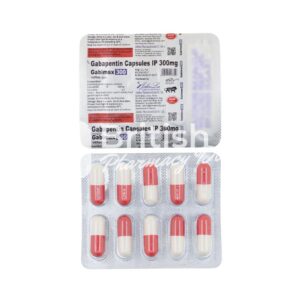
- Gabapentin is available as capsules, tablets, extended-release tablets, and oral solution.
- It usually starts working within a few hours, although the full benefit for nerve pain or seizures may take several days to weeks as the dose is adjusted.
- The duration of action is around 6–8 hours for standard immediate-release forms, while extended-release products may last longer and are often taken once daily.
- Alcohol should be avoided, as it can increase drowsiness, dizziness, and the risk of poor coordination and falls.
- The most common side effects are dizziness, drowsiness, fatigue, headache, peripheral swelling, and sometimes ataxia or weight gain.
- Would you like to try gabapentin without a prescription?
Critical Safety Warnings For UK Patients
- Do not take gabapentin if you have ever had hypersensitivity to gabapentin or any excipient in the product.
- Gabapentin is prescription-only in the UK and should only be used exactly as a clinician has directed.
- Kidney impairment often means a lower dose is needed, because gabapentin is cleared by the kidneys.
- Older people are at higher risk of sleepiness, unsteadiness and falls.
- Mental health caution is important if there is current or past suicidal ideation.
- Substance misuse history matters, because gabapentin can be misused and may be taken with opioids or benzodiazepines.
- Avoid alcohol and other sedatives unless a clinician has said they are safe, because the combination can worsen drowsiness and breathing problems.
- Seek urgent help now for breathing problems, severe rash, facial swelling, or overdose symptoms such as severe drowsiness, ataxia, slurred speech, double vision, or marked dizziness.
- Read the patient information leaflet and ask a UK pharmacist if anything is unclear about dose timing, side effects, or brand changes.
Gabapentin can be very useful, but the safety issues need to come first.
For many people, the biggest risks are not the medicine itself but taking too much, combining it with other sedating medicines, or using it when kidney function is reduced.
That is why pharmacist counselling is so important in the UK, especially when a prescription changes hands between suppliers and the capsules or tablets look different.
Who Needs Extra Caution?
Extra care is needed in older adults, during pregnancy or breastfeeding, and in anyone with chronic illness, frailty, or reduced kidney function.
People on dialysis, people with a history of substance misuse, and people with suicidal thoughts or previous self-harm should discuss treatment carefully with the prescriber.
If there is liver impairment alone, dose adjustment is usually not needed, but the full medicine list still matters.
Activities And Safety Under UK Guidance
Gabapentin can cause sedation, dizziness and poor coordination, so falls become a real concern at home, on stairs, and outdoors in wet weather.
It can also affect concentration, which matters for work safety, machinery, cycling, and caring for children.
A patient who starts gabapentin on a Friday evening may feel fine at first, then notice slowed reactions the next morning, so the first few doses deserve respect.
Micro-FAQ: Can I Drive After Taking Gabapentin In The UK?
No, not if it makes you sleepy, dizzy, or otherwise unfit to drive.
Driving is only safe if you can do so legally and without impairment.
If there is any doubt, do not drive and ask a pharmacist or clinician for advice.
Basic Gabapentin Information
- INN (International Nonproprietary Name): Gabapentin
- Brand names available in United Kingdom: Neurontin and generic-labelled gabapentin products
- ATC Code: N03AX12
- Forms & dosages: capsules 100mg, 300mg, 400mg; tablets 600mg, 800mg; extended-release tablets 300mg, 600mg; oral solution 250mg/5ml
- Manufacturers in United Kingdom: not specified
- Registration status in United Kingdom: prescription-only medication (Rx)
- OTC / Rx classification: prescription-only medication (Rx)
What Gabapentin Is And How It Is Classified
Gabapentin is the International Nonproprietary Name, or INN, used for this medicine across countries and brands.
It is marketed globally under more than 300 brand names, including Neurontin and many generic versions, and it is prescription-only in nearly all markets, including the UK.
Its ATC code is N03AX12, which places it in the antiepileptic group as an other antiepileptic medicine.
In everyday UK practice, patients mainly hear about gabapentin for epilepsy and nerve pain, although some uses are off-label.
Brand Names You May See
Neurontin is the best-known brand, but many patients receive a generic-labelled gabapentin product from a UK pharmacy.
The name on the box can change depending on the manufacturer and supply chain, even when the active ingredient is the same.
Why UK Patients See Different Packaging
Generic medicines are commonly substituted in the UK, so packaging, capsule colour, and leaflet layout may vary from one dispense to the next.
That is normal and does not usually mean the medicine has changed in a clinically meaningful way.
How Gabapentin Works In The Body
Gabapentin helps by modulating nerve signalling and reducing abnormal electrical activity.
That is why it can help some types of seizure control and certain kinds of neuropathic pain.
The exact mechanism is not fully understood, so it is best to think of it as a medicine that calms overactive nerve pathways rather than a targeted painkiller in the usual sense.
Simplified Explanation
For patients, the simple version is this: gabapentin helps noisy or overactive nerves settle down, which may reduce burning, shooting pain, or seizure activity.
It does not work like a quick painkiller for sprains or headaches, and it often needs careful dose titration before benefit is clear.
Clinical Terms
In clinical language, gabapentin is used for neuropathic pain, epilepsy, seizure threshold support, and gradual titration.
It is often discussed alongside pregabalin, duloxetine and amitriptyline when clinicians are choosing a treatment for nerve pain.
What Gabapentin Is Used For In The UK
What actually gets prescribed on the NHS, and what is used off-label, can be confusing for patients.
In UK practice, gabapentin is used mainly for adjunct treatment of partial seizures and for neuropathic pain, including postherpetic neuralgia and diabetic neuropathy where suitable.
Some clinicians also use it off-label for anxiety, migraine prevention and restless legs syndrome, but those uses are not universal NHS routine and need a clear clinical reason.
| Condition | Usual Role | On-Label Or Off-Label | Typical Prescriber |
|---|---|---|---|
| Partial seizures | Adjunct treatment | On-label | Specialist or GP with shared care |
| Neuropathic pain | First-line or established option in practice | On-label | GP or specialist |
| Postherpetic neuralgia | Targeted nerve pain relief | On-label in practice | GP or specialist |
| Diabetic neuropathy | Nerve pain management | On-label in practice | GP or specialist |
| Anxiety | Sometimes used where clinically justified | Off-label | Clinician-dependent |
| Migraine prevention | Occasional specialist use | Off-label | Specialist |
| Restless legs syndrome | Occasional specialist use | Off-label | Specialist |
MHRA And NHS Uses
The core UK uses remain epilepsy and neuropathic pain, with treatment often continuing for months or years if it is helping and well tolerated.
That longer-term use is normal, but it still needs periodic review for benefit, side effects and dose appropriateness.
Off-Label Uses
Off-label prescribing is legal and common in the UK when a clinician judges that the benefit may outweigh the risk.
It should always be explained clearly, because the evidence and dosing can differ between settings.
Forms, Strengths And Brand Examples
Gabapentin is available as capsules, tablets, extended-release tablets and oral solution.
In practice, UK patients are most likely to receive gabapentin capsules or tablets, although oral solution can be useful for special needs or swallowing difficulties.
Pack sizes vary by manufacturer and region, which is why repeat prescriptions can look different from month to month.
| Form | Common Strengths | Notes |
|---|---|---|
| Capsules | 100mg, 300mg, 400mg | Hard gelatin capsules |
| Tablets | 600mg, 800mg | Scored or unscored |
| Extended-release tablets | 300mg, 600mg | Used in some markets |
| Oral solution | 250mg/5ml | Pediatric use and special needs |
Capsules, Tablets And Oral Solution
Neurontin is the best-known international brand, but many UK pharmacies dispense generic gabapentin instead.
Strengths such as Gabapentin 100 mg, Gabapentin 300 mg and Gabapentin 400 mg capsules are all seen in practice, depending on the prescribed regimen.
Why Your Prescription May Look Different Each Month
Different suppliers may source from different approved manufacturers, so the box, blister strip and leaflet can change while the medicine remains the same.
That is one of the main reasons pharmacist counselling matters, especially when a patient notices a new appearance and worries that the medicine has been switched by mistake.
Usual Gabapentin Doses And Titration
Gabapentin is usually started low and increased gradually, because side effects are more likely if the dose rises too quickly.
For adults, common starting doses are 300mg once daily or 300mg three times daily, depending on the indication and the clinician’s plan.
Typical maintenance doses are 900–1800mg per day in divided doses, and some indications allow a maximum of 3600mg per day.
| Indication | Starting Dose | Usual Maintenance Dose | Maximum Dose |
|---|---|---|---|
| Partial seizures | 300mg once or three times daily | 900–1800mg/day in three divided doses | 3600mg/day |
| Neuropathic pain | 300mg at bedtime or three times daily | 900–1800mg/day in three divided doses | 3600mg/day |
| Postherpetic neuralgia | 300mg on day one, then increase by 300mg daily | 1800mg/day in divided doses | 1800mg/day |
Standard Adult Regimens
Some regimens use a bedtime start, while others use three divided doses from the outset.
Once-daily extended-release products exist in some markets, but they are not the usual UK default.
Why Titration Matters In Practice
Slow titration helps reduce dizziness, drowsiness and balance problems, which are the side effects patients notice first.
It also gives the prescriber a chance to see whether the medicine is helping before the dose is pushed higher.
Micro-FAQ: What If I Miss A Dose?
Take it when remembered unless it is nearly time for the next dose.
Do not double up doses.
Dose Adjustments For Kidneys, Age And Comorbidity
Kidney function is the key factor in dose adjustment, because gabapentin is not typically metabolised by the liver.
If creatinine clearance is below 60 mL/min, the total daily dose generally needs to be reduced.
Older adults often need a lower dose as well, mainly because renal function may be reduced and sedation can lead to falls.
| Factor | Usual Consideration | Practical Point |
|---|---|---|
| Kidney impairment | Significant dose reduction required | CrCl below 60 mL/min usually means adjustment |
| Liver impairment | Usually no adjustment needed | Gabapentin is not mainly hepatically metabolised |
| Older age | Use extra caution | Higher risk of sedation and falls |
Kidney Impairment And Dose Reduction
Anyone with chronic kidney disease, dialysis, or a recent change in renal function should mention this before starting treatment.
Bringing recent blood tests and an up-to-date medicine list to the consultation helps the pharmacist or prescriber check safety properly.
Elderly And Frailty Considerations
Frailty matters as much as age itself, because unsteadiness, confusion and daytime sleepiness can quickly become a fall risk.
For that reason, dose increases should be cautious and reviewed if the person becomes noticeably drowsy or off-balance.
Side Effects Patients Commonly Report
Most patients want to know what they are likely to feel in the first week.
The common pattern is dizziness, drowsiness or fatigue, then sometimes headache or a dry mouth.
Some effects settle as the body adapts, but swelling, severe unsteadiness, or confusion deserve a review.
| Side Effect | Typical Severity | What To Do |
|---|---|---|
| Dizziness | Mild to moderate | Stand up slowly and avoid risky activities if affected |
| Drowsiness | Mild to moderate | Take extra care with driving, work and alcohol |
| Fatigue | Mild | Rest, review timing, and mention it if persistent |
| Peripheral oedema | Moderate | Seek advice if swelling worsens or is uncomfortable |
| Ataxia | Moderate | Stop risky activities and speak to a clinician |
| Double vision | Moderate | Report promptly, especially if severe |
| Nausea, vomiting, constipation | Gastrointestinal | Seek advice if troublesome or persistent |
Mild And Moderate Effects
Headache, tremor, weight gain and dry mouth can occur, and some patients also mention blurred or double vision.
These effects are not usually dangerous on their own, but they can make day-to-day life harder if they do not settle.
When Side Effects Need Urgent Review
Severe confusion, falls, major swelling, rash, breathing difficulty, or marked sleepiness should never be ignored.
Any symptom that suggests overdose, allergy or serious intolerance needs urgent assessment.
Interactions With Alcohol, Food And Other Medicines
Alcohol can make gabapentin’s sedative effects much worse.
That means more dizziness, more drowsiness, and a greater risk of poor coordination or falls.
Tea and coffee do not have a major direct interaction, but caffeine can mask tiredness without removing impairment.
| Interaction | Risk | Advice |
|---|---|---|
| Alcohol | More drowsiness and dizziness | Avoid or keep strictly within clinician advice |
| Opioids | Higher risk of breathing problems and sedation | Tell the prescriber before taking both together |
| Benzodiazepines | Greater impairment and sedation | Use only if specifically advised |
| OTC sleep aids | Additive sedation | Check with a pharmacist first |
| Driving or machinery | Impaired reaction time | Do not drive if sleepy or unfit |
Alcohol And Everyday Habits
Patients sometimes think an evening drink is harmless because the medicine is “only for nerves”, but that is how avoidable accidents happen.
Alcohol, opioids and benzodiazepines are the combinations that need the most caution because of the risk of heavy sedation and breathing problems.
Drug Interactions To Disclose At The Pharmacy
Always mention prescription medicines, over-the-counter sleep aids, herbal products, and any recent use of sedatives or painkillers.
That applies especially if gabapentin is being used with pregabalin, duloxetine or amitriptyline in a changing treatment plan.
Missed Doses, Stopping Treatment And Overdose
If a dose is missed, take it as soon as remembered unless the next dose is nearly due.
Never double up to “catch up”.
Gabapentin is usually reduced gradually rather than stopped suddenly, because abrupt stopping can worsen seizures and may trigger withdrawal symptoms, especially after long-term or recreational use.
Emergency Advice
Seek immediate medical help for overdose symptoms such as severe drowsiness, ataxia, dizziness, double vision or slurred speech.
Supportive care is the mainstay, because there is no specific antidote.
Why Abrupt Stopping Can Be Risky
Chronic treatment for epilepsy and neuropathic pain often continues for months or years, so the body can become used to the medicine.
That is why gradual up-titration and gradual down-titration are both part of safe use.
Overdose Signs And What To Do
Double vision, marked unsteadiness, slurred speech and unusual sleepiness are classic red flags.
If breathing is affected, call emergency services rather than waiting for the symptoms to pass.
How To Get Gabapentin In The UK
Gabapentin is prescription-only in the UK, so it should normally be supplied through the NHS, a private prescription, or a regulated online pharmacy.
That is the legal and safest route, because the prescriber can check the indication, dose and kidney function before supply.
Our online pharmacy in some cases offers gabapentin without a prescription, with discreet delivery to United Kingdom in 5-14 days.
Pharmacist counselling remains important either way, especially for first-time users, repeat supplies, and any dose change.
| Supply Route | What To Check | Key Benefit |
|---|---|---|
| NHS pharmacy | Prescription, exemption status, correct dose | Standard UK care pathway |
| Private pharmacy | Legitimacy, prescriber details, counselling | Flexible access |
| Online pharmacy | GPhC registration and MHRA-compliant processes | Convenience and home delivery |
NHS And High-Street Pharmacies
Boots, LloydsPharmacy and Superdrug are familiar names to many UK patients, but any pharmacy still needs to be properly registered and regulated.
E-prescriptions are now common, which makes collection quicker and reduces paperwork for routine supplies.
Online Ordering Safely
Before ordering, check for a UK pharmacy registration, clear contact details, and proper clinical questions about dose and suitability.
Legitimate pharmacies will not ignore safety screening, because gabapentin is not suitable for everyone.
Nhs Costs And Prescription Charges
Prescription charges depend on where the patient lives in the UK and whether the supply is on the NHS or private.
England generally charges for NHS prescriptions, while Scotland, Wales and Northern Ireland have free NHS prescriptions.
| Nation | NHS Prescription Charge | Note |
|---|---|---|
| England | Usually charged | Exemptions may apply |
| Scotland | Free | Regional NHS policy |
| Wales | Free | Regional NHS policy |
| Northern Ireland | Free | Regional NHS policy |
Regional Differences Across The UK
Private prices vary by pharmacy, manufacturer and pack size, so generic gabapentin may be cheaper in one setting than another.
If a patient has exemption from charges, that can reduce the final cost on the NHS side.
What Affects The Final Price?
The final price depends on whether the item is supplied on the NHS or privately, the strength, the pack size and the pharmacy’s purchasing cost.
For long-term treatment, even small price differences can add up over time.
Clinical Evidence And What UK Patients Should Know
Gabapentin is an established treatment for certain seizure types and neuropathic pain, but the response is not identical for every patient.
In practice, clinicians often compare it with pregabalin, duloxetine and amitriptyline when choosing a medicine for nerve pain.
Long-term use may be reasonable if benefit is clear, but ongoing review is important because sedation, renal dosing and misuse risk all matter.
- Gabapentin is well established for epilepsy and neuropathic pain.
- Effectiveness varies by condition and by person.
- Some patients need a switch to pregabalin, duloxetine or amitriptyline if benefit is poor or side effects are troublesome.
- Renal function should stay part of the treatment review.
- There should be shared decision-making about continuing, increasing or changing treatment.
What Studies And Guidelines Usually Show
The usual pattern is that gabapentin can help, but it is not a guaranteed answer, and it is not always the best option for every kind of nerve pain.
That is why a structured review of symptoms, function and side effects is more useful than judging by dose alone.
Why Response Can Differ Between Patients
Some people are more sensitive to sedation, while others need a careful dose increase before they notice benefit.
Kidney function, age and other medicines can change both tolerability and response.
Alternatives To Gabapentin
If gabapentin does not suit a patient, the next step is not to guess or self-switch.
A clinician should decide whether to change to pregabalin, duloxetine, amitriptyline or another option depending on the pain type and overall health.
| Medicine | Usual Role | Key Pros | Key Cautions |
|---|---|---|---|
| Gabapentin | Epilepsy and neuropathic pain | Established, widely used | Sleepiness, dizziness, kidney dosing |
| Pregabalin | Neuropathic pain and other uses | Similar mechanism, often familiar to patients | Sedation, misuse concerns, controlled-drug considerations |
| Duloxetine | Neuropathic pain | Useful alternative in some patients | Different side-effect profile |
| Amitriptyline | Neuropathic pain | Long-established option | May cause sedation and anticholinergic effects |
NHS Prescribing Alternatives
Pregabalin is the closest comparator, while duloxetine and amitriptyline are also widely used for nerve pain.
Choice often depends on whether sedation, daytime function, kidney disease or existing medicines make one option safer than another.
How Doctors Decide Between Options
Doctors usually look at pain pattern, seizure history, age, kidney function, sleep, mood and tolerance of previous medicines.
That is more important than brand familiarity alone.
Storage, Transport And Practical Handling
Gabapentin should be kept at 15–30°C, away from light and moisture.
Oral solution should be protected from freezing, and tablets and capsules should not be left in excessive heat.
That makes kitchens, bathrooms and hot cars poor storage places.
- Keep the medicine in its original packaging.
- Store it away from children.
- Avoid damp bathroom cabinets.
- Do not leave it on a sunny windowsill.
- Do not store it in a glove box during warm weather.
Home Storage In A UK Climate
British homes can be damp, cold or warm depending on the season, so a consistent cupboard away from steam is usually best.
That matters for both capsules and oral solution, especially if the medicine is used long term.
Travelling With Your Medicine
For holidays or overnight stays, keep the original box and leaflet with the medicine.
That makes it easier to explain the treatment if another clinician, pharmacist or travel companion needs to check it quickly.
UK Pharmacist Counselling And Safe-Use Checklist
Many UK patients leave the pharmacy with more questions than answers, especially if this is their first time on gabapentin.
The pharmacist usually explains how to take it regularly, what to do if a dose is missed, which side effects are expected, and when alcohol should be avoided.
That conversation is especially helpful when a generic substitution means the capsules or tablets look different from last time.
- Take gabapentin exactly as prescribed.
- Keep doses evenly spaced if using multiple daily doses.
- Do not double up after a missed dose.
- Avoid alcohol if it worsens sleepiness or dizziness.
- Report swelling, mood change, falls or balance problems.
- Never share the medicine with anyone else.
- Keep an up-to-date medicines list for every consultation.
- Ask the pharmacist if the packaging, capsules or tablets look different.
What Pharmacists Usually Explain
Pharmacists often focus on the practical issues that make the difference to safety, such as timing, tiredness, driving and combining gabapentin with pain medicines or sedatives.
They can also help with brand-to-brand changes and reassure patients that generic substitution is common.
Key Patient Safety Reminders
Never start, stop or increase gabapentin casually, because dose changes should be gradual and clinically supervised.
If severe rash, facial swelling, breathing difficulty or overdose symptoms occur, urgent medical help is needed.
Micro-FAQ: Can I Switch Brands Safely?
Often yes, if it is a generic gabapentin product.
Still, check with the pharmacist if the tablets or capsules look different, or if any new side effects appear after a switch.
Delivery Across United Kingdom
| City | Region | Delivery Time |
|---|---|---|
| London | England | 5-7 days |
| Birmingham | England | 5-7 days |
| Manchester | England | 5-7 days |
| Leeds | England | 5-7 days |
| Liverpool | England | 5-7 days |
| Newcastle upon Tyne | England | 5-7 days |
| Sheffield | England | 5-7 days |
| Bristol | England | 5-7 days |
| Edinburgh | Scotland | 5-7 days |
| Glasgow | Scotland | 5-7 days |
| Cardiff | Wales | 5-7 days |
| Belfast | Northern Ireland | 5-7 days |
| Nottingham | England | 5-9 days |
| Exeter | England | 5-9 days |
| Aberdeen | Scotland | 5-9 days |
Storage, Safety And Final Takeaway
Gabapentin is a useful medicine when the indication is right, the dose is chosen carefully and the patient understands the main risks.
For UK patients, the key points are simple: it is prescription-only, kidney function matters, alcohol and sedatives can make it riskier, and side effects should be watched closely at the start.
If any doubt remains about the dose, brand, or safety of combining it with other medicines, a UK pharmacist should be the first point of contact.