Indomethacin
In brief
- In our pharmacy, you can buy indomethacin without a prescription, with delivery in 5–14 days throughout the United Kingdom. Discreet and anonymous packaging.
- Indomethacin is used for osteoarthritis, rheumatoid arthritis, ankylosing spondylitis, acute gout, some headache types (off‑label) and to close a patent ductus arteriosus in neonates; it is a non‑steroidal anti‑inflammatory drug (NSAID) of the indole‑acetic acid class that non‑selectively inhibits cyclooxygenase (COX‑1 and COX‑2), reducing prostaglandin synthesis.
- The usual adult dose is 25 mg two to three times daily (up to a typical maximum of 200 mg/day); for acute gout an initial 50 mg three times daily is common, suppositories are 100 mg, sustained‑release capsules 75 mg, and neonatal IV dosing for ductus arteriosus is approximately 0.2 mg/kg per dose per protocol.
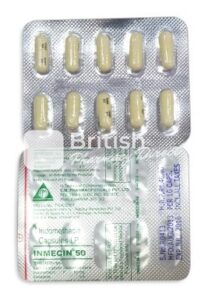
- Forms of administration include oral tablets/capsules (25 mg, 50 mg), rectal suppositories (100 mg), topical gels/creams (typically 4%), intravenous indomethacin sodium for neonatal use, and sustained‑release capsules (75 mg) in some countries.
- Oral indomethacin usually begins to work within 30–60 minutes; rectal onset is similar or slightly slower, topical preparations act locally over hours, and IV administration works within minutes.
- The duration of action for immediate‑release oral doses is typically about 4–6 hours (plasma half‑life ~4–5 hours); sustained‑release formulations provide longer coverage (up to 12–24 hours depending on product) and neonatal effects vary with dosing protocol.
- Do not consume alcohol while taking indomethacin — alcohol increases the risk of gastrointestinal bleeding and other adverse effects and should be avoided or minimised.
- The most common side effect is dyspepsia (indigestion), with other frequent effects including nausea, headache, dizziness and, at higher risk, gastrointestinal ulceration or bleeding.
- Would you like to try indomethacin without a prescription?
Critical Warnings, Safety And Patient Protection (UK Focus)
Basic Indomethacin Information
- INN (International Nonproprietary Name): Indometacin
- Brand Names Available In United Kingdom: Indocid; Indometacin Generics
- ATC Code: M01AB01; topical M02AA23; ophthalmic S01BC01; neonatal C01EB03
- Forms & Dosages: Oral 25mg and 50mg capsules/tablets; rectal 100mg suppositories (common in many EU markets); topical 4% gel/creams; IV indomethacin sodium 0.2mg/mL for neonatal use; sustained‑release 75mg in select countries
- Manufacturers In United Kingdom: Not specified by single manufacturer; licensed brands and generics supplied by Europe‑wide manufacturers such as Sandoz, Zentiva, Mylan and others
- Registration Status In United Kingdom: Registered and regulated by MHRA; listed brands include Indocid and generics
- OTC / Rx Classification: Prescription Only Medicine (POM) under MHRA regulation
Safety essentials first: indometacin is a prescription‑only NSAID (ATC M01AB01) with a higher adverse‑effect profile than many over‑the‑counter NSAIDs.
Before prescribing or dispensing, prioritise immediate checks for allergy or NSAID hypersensitivity, active peptic ulcer or recent gastrointestinal bleed, severe renal, hepatic or cardiac failure, third‑trimester pregnancy, and a history of NSAID‑induced asthma or anaphylaxis.
Use a simple checklist at the point of care to reduce risk and protect patients.
- Current medicines: anticoagulants (warfarin/DOACs), ACE inhibitors/ARBs, diuretics, SSRIs
- Pregnancy and breastfeeding status
- Alcohol use and previous gastrointestinal disease
- Age greater than 65 years and frailty
- Concurrent corticosteroid or anticoagulant therapy
Prescribe the lowest effective dose for the shortest possible duration and consider gastroprotection if long‑term therapy is intended.
For UK clinicians and pharmacists: report suspected adverse reactions via the MHRA Yellow Card scheme.
Advise patients to stop the medicine and seek urgent care if they experience black‑tarry stools, severe abdominal pain, sudden shortness of breath, chest pain, sudden weakness, or marked confusion.
Typical indometacin products in UK practice include Indocid and generic indometacin in 25mg and 50mg capsules.
Use a definition list for contraindications and a monitoring checklist for blood pressure, renal function and signs of gastrointestinal bleed when starting therapy.
High‑Risk Groups
Who needs extra caution when starting indometacin?
Elderly patients often have reduced renal reserve and polypharmacy, so start at lower doses and review frequently.
Begin elderly dosing at a lower level, for example 25mg twice daily, and monitor renal function, electrolytes and blood pressure.
Consider gastroprotection with a proton pump inhibitor (PPI) if prolonged therapy is unavoidable.
Pregnancy is particularly important: indometacin is absolutely contraindicated in the third trimester because it can cause premature closure of the foetal ductus arteriosus.
Avoid indometacin throughout pregnancy where possible and discuss alternatives with the prescriber and obstetric team.
Children are generally not recommended to take indometacin except in the neonatal intensive care setting for patent ductus arteriosus under specialist protocols (IV 0.2 mg/kg per local protocol).
For patients with chronic illness such as moderate to severe hepatic or renal impairment, avoid indometacin or use extreme caution with dose reduction and regular monitoring.
In heart failure or uncontrolled hypertension, avoid where possible due to risk of fluid retention and worsening blood pressure control.
Risk Group / Recommendation
- Elderly: Start low (25mg BID), monitor renal function, BP, consider PPI for long courses
- Pregnancy: Contraindicated in third trimester; avoid if possible throughout pregnancy
- Neonates: IV use only for PDA under specialist supervision (0.2 mg/kg protocol)
- Chronic renal/hepatic disease: Avoid or dose reduce; close monitoring required
Monitoring frequency checklist: baseline renal panel, liver function tests and blood pressure, then repeat at regular intervals (e.g., within 1–2 weeks after start or dose change and periodically thereafter depending on risk).
Use shared decision making and provide written advice for carers of elderly patients about side effects to watch for and when to seek help.
Interaction With Activities (Driving And Workplace Safety Under UK Law)
Can indometacin affect your ability to drive or work safely?
Indometacin may cause dizziness, drowsiness, blurred vision and other central nervous system effects that can impair concentration and reaction times.
Advise patients not to drive, operate heavy machinery or perform safety‑critical tasks if they experience these symptoms.
Under UK law, drivers must ensure they are fit to drive; medications that affect the central nervous system may need to be declared to the DVLA depending on the individual’s medical conditions and driving category.
Pharmacists should encourage patients in safety‑critical occupations to consult occupational health and document counselling in the clinical or pharmacy record.
- Stop driving or operating machinery if symptomatic
- Notify employer if role is safety‑critical
- Seek medical review for persistent CNS effects
Q&A — “Can I Drive After Taking It In The UK?”
Only if you are not affected by the medicine.
If indometacin causes dizziness, drowsiness, blurred vision or impaired concentration you must not drive or operate machinery.
Check DVLA guidance for medication rules related to your medical conditions; if in doubt, discuss with your GP or pharmacist and document advice.
Usage Basics: Names, Legal Status And UK Brands
What is indometacin called and how is it supplied in the UK?
The International Nonproprietary Name is indometacin (also seen as indomethacin in some sources), and UK products are commonly labelled Indometacin or sold under the brand Indocid.
Classification: indometacin is a Prescription‑Only Medicine (POM) under MHRA regulation in the United Kingdom.
ATC codes include systemic M01AB01, topical M02AA23, ophthalmic S01BC01 and neonatal cardiac C01EB03.
Available forms include oral 25mg and 50mg capsules or tablets, rectal 100mg suppositories (common in many European and other markets), topical 4% gels or creams and IV indomethacin sodium used in neonatal specialist care.
- Oral: 25mg and 50mg capsules/tablets (typical UK pharmacy stock)
- Rectal: 100mg suppositories (available in many international markets)
- Topical: 4% gel/creams (used for local musculoskeletal pain)
- IV: Indomethacin sodium for neonatal PDA closure in specialised settings
Patients should be reminded that supply requires a valid NHS or private prescription and that prescribers and pharmacists should consult the product SmPC for each formulation.
Dosing Guide (NHS‑Aligned)
How much indometacin should a typical adult take and what if someone misses a dose?
Standard adult dosing varies by indication and should be individualised to the lowest effective dose.
- Osteoarthritis and rheumatoid arthritis: 25mg two to three times daily (maximum commonly cited around 200mg/day)
- Acute gout: initial 50mg three times daily, then reduce as symptoms settle
- Ankylosing spondylitis: 25–50mg two to three times daily
- Short courses for acute pain: commonly 3–7 days
Elderly patients should start low (for example 25mg twice daily) with regular review and monitoring.
Neonates: IV 0.2 mg/kg following neonatal PDA protocols only in specialist care.
Adjustments for hepatic or renal impairment require extreme caution and frequent renal monitoring; avoid in severe impairment.
Missed dose guidance: take the missed dose as soon as remembered unless it is near the next scheduled dose; do not double up.
Baseline tests prior to long‑term therapy: renal function, liver function tests, blood pressure and, if indicated by history, a full blood count.
Q&A — “What If I Miss A Dose?”
Take the missed dose as soon as you remember.
If it is near the time for your next dose, skip the missed dose — do not double the dose.
Seek advice from your pharmacist or prescriber if uncertain.
Interaction Chart: Drugs, Food And Alcohol
Which common medicines and foods interact with indometacin?
Indometacin has clinically important interactions with multiple medicine classes; check the patient’s full medicine list before supply.
| Drug Class | Effect | Action |
|---|---|---|
| Anticoagulants (warfarin, DOACs) | Increased bleeding risk | Monitor INR/bleeding; avoid combined use where possible |
| SSRIs/SNRIs | Increased gastrointestinal bleeding risk | Counsel on GI symptoms; monitor closely |
| ACE Inhibitors/ARBs/Diuretics | Reduced renal function and antihypertensive effect | Monitor renal function and BP; consider alternative analgesia |
| Lithium, Methotrexate | Increased serum levels/toxicity | Monitor drug levels and for toxicity |
| Corticosteroids | Increased risk of GI ulceration | Consider gastroprotection; counsel on warning signs |
| Aspirin (antiplatelet dose) | Increased GI and bleeding risk; platelet effects | Avoid overlap unless specifically directed by prescriber |
Alcohol increases gastrointestinal risk and should be limited while taking indometacin.
Caffeine has no major pharmacokinetic interaction but may add to CNS stimulation; monitor for dizziness or sleep disturbance.
Report suspected interaction‑related harms through the MHRA Yellow Card system and encourage patients to provide a complete medicines list including OTCs and supplements.
User Reports And Trends (NHS Choices, Patient.info, Forums)
What do patients say about indometacin online and in community reports?
Common patient themes include effective short‑term relief for acute gout and inflammatory flares and variable tolerability related to gastrointestinal or central nervous system effects.
- Pros: Rapid relief for acute gout; good efficacy in some inflammatory conditions when other NSAIDs fail
- Cons: Reports of dyspepsia, nausea, headaches, dizziness, sleep disturbance and mood change
| Common Reported Benefit | Common Reported Adverse Effect |
|---|---|
| Rapid pain relief in gout attacks | Gastrointestinal upset and dyspepsia |
| Reduction in joint inflammation for some patients | Dizziness, headaches, sleep disturbance |
Sources for sentiment include NHS.uk patient information pages, Patient.info and UK forums such as Mumsnet; these observations are anecdotal and should not replace clinical guidance.
Use patient‑reported outcomes in shared decision making and advise patients to report adverse drug reactions via the MHRA Yellow Card if they experience significant harms.
Access & Purchase Options In The UK
How can a UK patient obtain indometacin legally and safely?
Indometacin is a Prescription‑Only Medicine, so the usual routes are an NHS GP prescription (face‑to‑face or NHS e‑prescription), a private prescription from a clinic, or hospital outpatient and inpatient supplies.
- How to obtain a prescription: GP review, urgent same‑day clinic or consultant outpatient clinic
- Dispensing pharmacies: major chains such as Boots, LloydsPharmacy and Superdrug commonly stock indometacin products
- Online supply: MHRA‑registered online pharmacies in the UK can supply on receipt of a valid prescription with home delivery
Safe online purchasing checklist: verify MHRA registration, check GPhC credentials, ensure a valid prescription process, and avoid unregulated sellers.
Note on regional NHS prescriptions: England applies standard prescription charges unless exemptions apply; Scotland, Wales and Northern Ireland generally provide prescriptions free of charge — check local NHS guidance for current rules and exemptions.
In our online pharmacy, indometacin is available without a prescription, with discreet delivery to United Kingdom in 5-14 days.
Mechanism Of Action & Pharmacology (Plain Language + Clinical)
How does indometacin relieve pain and what causes its side effects?
Indometacin is an NSAID belonging to the indoleacetic acid subclass that inhibits cyclooxygenase enzymes COX‑1 and COX‑2, reducing prostaglandin synthesis and therefore inflammation and pain.
Non‑selective COX inhibition explains both the anti‑inflammatory efficacy and the common adverse effects on the gastrointestinal tract, kidneys and platelet function.
Pharmacokinetics vary by route: oral dosing provides systemic effect, rectal administration may be used if oral intake is not possible, topical 4% gel offers local analgesia with far lower systemic exposure.
- COX‑1: Provides gastroprotection and platelet function; inhibition contributes to GI and bleeding risk
- COX‑2: Mediates inflammation and pain; inhibition reduces inflammation
| Route | Expected Systemic Exposure | Typical Clinical Use |
|---|---|---|
| Oral | High systemic exposure | Systemic inflammatory conditions (arthritis, gout) |
| Rectal | Moderate systemic exposure | When oral route is not feasible |
| Topical (4% gel) | Low systemic exposure | Localized musculoskeletal pain |
Indications And Off‑Label Uses (MHRA And NHS Practice)
What are licensed uses for indometacin and when is it used off‑label?
MHRA and NHS‑aligned indications include osteoarthritis, rheumatoid arthritis, ankylosing spondylitis and acute gout attacks.
Ophthalmic formulations are used for specific inflammatory eye conditions, and IV indometacin remains used in neonates for patent ductus arteriosus under specialist care.
| Indication | Typical Dose | Evidence Level (NHS/MHRA) |
|---|---|---|
| Osteoarthritis / Rheumatoid Arthritis | 25mg two to three times daily | Licensed |
| Acute Gout | 50mg three times daily initially | Licensed |
| Patent Ductus Arteriosus (Neonatal) | 0.2 mg/kg IV per protocol | Specialist licensed use |
| Migraine / Cluster Headache | 25–50mg at onset | Off‑label; used in some practices |
Off‑label prescribing must follow informed consent procedures, a documented rationale and monitoring plans.
Where alternatives such as ibuprofen, naproxen or celecoxib exist, document why indometacin is chosen — for example, established efficacy for gout in a particular patient.
Key Clinical Findings & Recent UK/EU Studies (2022–2025)
What does recent research say about indometacin in UK and EU practice?
Recent analyses (2022–2025) show indometacin remains effective for acute gout and certain inflammatory conditions but has a higher incidence of gastrointestinal and central nervous system adverse events compared with some alternative NSAIDs.
Topical formulations reduce systemic adverse event burden while providing local pain relief in musculoskeletal conditions.
Neonatal IV use continues to be effective for patent ductus arteriosus closure in specialised neonatal units under strict protocols.
| Study | Population | Outcome | Safety Signal |
|---|---|---|---|
| Comparative NSAID Safety Analysis | Adults with acute gout/inflammatory arthritis | Indometacin effective for pain relief | Higher GI and CNS adverse events vs some alternatives |
| Topical NSAID Trials | Patients with local musculoskeletal pain | Topical indometacin reduced local pain with low systemic exposure | Lower systemic AE burden |
Prescribers should consult full trial reports, systematic reviews and MHRA safety communications when updating local guidelines and formularies.
Alternatives Matrix (NHS Prescribing Alternatives)
Which alternatives might be considered instead of indometacin?
| Drug | Indication Suitability | GI Risk | CV Risk | Notes |
|---|---|---|---|---|
| Ibuprofen | Suitable for many inflammatory and acute pain indications | Moderate | Lower than some NSAIDs at OTC doses | Common first‑line NSAID; available OTC for short courses |
| Naproxen | Good for inflammatory conditions and gout | Moderate | Potentially higher CV risk depending on dose | Longer half‑life; useful for twice‑daily dosing |
| Diclofenac | Effective for inflammatory pain | Moderate to high | Elevated CV risk at higher doses | Topical forms available for local pain |
| Celecoxib | Suitable for arthritis where GI risk is a concern | Lower GI risk when used with PPI | Cardiovascular caution required | COX‑2 selective — consider when GI protection is needed |
Pros/cons checklist: consider efficacy for the specific condition (eg gout), side‑effect profile, renal and cardiovascular risks, and need for PPI gastroprotection.
Where simple analgesia is appropriate, consider paracetamol as an alternative or adjunct where safe.
Common Patient Questions
What do patients most often ask in UK consultations about indometacin?
- How soon will it work? — Oral immediate‑release doses often start to relieve pain within 30–60 minutes, with maximal anti‑inflammatory effect developing over days.
- Do I need a PPI? — Consider a PPI if long‑term use is planned or if the patient has high GI risk; discuss and document with the prescriber.
- Can I take it with my blood pressure tablets? — Check with your prescriber; ACE inhibitors and diuretics can interact and impair renal function when combined with NSAIDs.
- Is topical as effective? — Topical 4% gel is useful for localised pain with less systemic risk but is less suitable for systemic inflammatory disease.
Checklist for when to contact GP or pharmacy: worsening pain, signs of GI bleeding, reduced urine output, sudden severe dizziness or other worrying CNS symptoms.
NHS Cost & Access Comparison
| Source | Typical Access Route | Notes On Verification And Delivery |
|---|---|---|
| GP / NHS E‑prescription | Face‑to‑face review or e‑prescription | Standard NHS verification; collection from local pharmacy |
| Boots / LloydsPharmacy / Superdrug | Present prescription at pharmacy counter | Major chains stock indometacin 25mg/50mg; same‑day collection often possible |
| MHRA‑registered Online Pharmacy | Upload prescription or complete online consultation | Home delivery; check GPhC and MHRA credentials before ordering |
| Private Prescription | Private clinic or telemedicine | Variable charges and dispensing fees |
| Region | NHS Prescription Charge Status | Comments On Exemptions |
|---|---|---|
| England | Standard prescription charge applies unless exempt | Exemptions include age, low income and certain medical conditions |
| Scotland | Prescriptions generally free | Check NHS Scotland for specific guidance |
| Wales | Prescriptions generally free | Check NHS Wales for eligibility and exemptions |
| Northern Ireland | Prescriptions generally free | Check local Health and Social Care guidance |
For private prescriptions note variable charges and dispensing fees; always verify current prescription charge figures on official NHS websites before advising patients.
Checklist for repeat prescription collection: bring repeat slip or NHS number, and the prescription itself; online services may request photo ID for first‑time use.
Registration & Regulation (MHRA, NHS Prescribing Framework)
Who regulates indometacin in the UK and what must prescribers do?
Indometacin is registered and regulated by the MHRA and used under prescription in the United Kingdom.
Prescribers and pharmacists should consult the SmPC and product information for the specific brand and formulation before prescribing or dispensing.
- Check SmPC for dosing and contraindications
- Provide the patient information leaflet with every supply
- Report suspected adverse drug reactions via the MHRA Yellow Card
Document the clinical rationale for indometacin, especially for off‑label use, and ensure monitoring plans are in the patient record.
Hospital prescribers must follow trust guidelines for neonatal IV use and adult inpatient prescribing, and pharmacists must verify batch and SmPC details for each supplied product.
Storage, Handling And Disposal (UK Household Advice)
How should indometacin be stored at home and safely disposed of?
Store tablets and capsules below 25°C in their original packaging, away from moisture and out of reach of children.
Suppositories and topical gels should be kept in a cool, dry place and topical products should not be frozen.
In the UK’s damp climate, use sealed containers and avoid storing medicines in bathrooms to reduce moisture exposure.
Dispose of unused or expired medicines by returning them to a local pharmacy take‑back service; do not flush medicines down the toilet or sink.
For travel, keep medicines in original packaging with the prescription label and a copy of the prescriber’s directions.
- Carer checklist: safe storage out of reach, allergy label on medication box, emergency contact details, and a written medicine administration record
Practical Guidelines For Proper Use & Pharmacist Counselling
What should pharmacists tell patients when dispensing indometacin?
- Confirm the indication, intended duration and the lowest effective dose
- Verify current medicines, allergies and pregnancy/breastfeeding status
- Explain the dosing schedule clearly and missed‑dose instructions
- Warn about CNS effects (dizziness, drowsiness) and GI symptoms, and when to seek urgent care
- Discuss alcohol avoidance or limitation while taking indometacin
- Advise contraception discussions for women of childbearing potential and confirm not in third trimester
For long‑term prescriptions, set a monitoring schedule for blood pressure, renal function, liver function and full blood count as appropriate, and consider initiating a PPI if GI risk is elevated.
Document counselling in the patient record and offer an approved NHS/MHRA patient information leaflet at the point of supply.
Provide a printed checklist for patients and carers and signpost to NHS.uk and MHRA Yellow Card reporting for adverse reactions.
Delivery Across United Kingdom
| City | Region | Delivery Time |
|---|---|---|
| London | Greater London | 5-7 days |
| Birmingham | West Midlands | 5-7 days |
| Manchester | Greater Manchester | 5-7 days |
| Glasgow | Scotland | 5-7 days |
| Leeds | West Yorkshire | 5-7 days |
| Edinburgh | Scotland | 5-7 days |
| Bristol | South West England | 5-7 days |
| Newcastle | Tyne and Wear | 5-9 days |
| Sheffield | South Yorkshire | 5-9 days |
| Cardiff | Wales | 5-7 days |
| Belfast | Northern Ireland | 5-9 days |
| Norwich | East of England | 5-9 days |
| Southampton | South East England | 5-9 days |
| Plymouth | South West England | 5-9 days |
Delivery times are indicative and depend on stock, prescription verification and courier schedules.