Diclofenac
In brief
- Diclofenac can be purchased in pharmacies and some online pharmacies in the UK, and many topical forms are available without a prescription. Oral, injectable and eye-drop preparations are usually prescription-only. Discreet delivery may be available depending on the seller.
- Diclofenac is a non-steroidal anti-inflammatory drug (NSAID) used to relieve pain and inflammation, including osteoarthritis, rheumatic pain, acute musculoskeletal pain, and certain eye and topical inflammatory conditions. It works by blocking cyclo-oxygenase (COX) enzymes, which reduces prostaglandin production and thereby lowers pain, swelling and inflammation.
- The usual adult dose varies by form and indication: oral tablets are commonly 50–100 mg up to 2–3 times daily, with a maximum of 150 mg per day; for acute pain a single 50–75 mg dose may be used; topical gel is typically applied as 2–4 g to the affected area 3–4 times daily. Follow the product leaflet and medical advice for your specific preparation.
- Diclofenac is available as tablets, gastro-resistant or extended-release tablets, gel/cream, suppositories, injections, eye drops, sprays and patches.
- Diclofenac usually starts working within 25–60 minutes when taken by mouth, and topical forms may begin to relieve pain within about 1–2 hours, depending on the product and the area treated.
- The duration of action is usually around 4–8 hours for standard oral forms, with some extended-release preparations lasting longer. Topical products may provide relief for several hours and are often used multiple times a day.
- Avoid or limit alcohol while taking diclofenac, as it can increase the risk of stomach irritation, ulceration and bleeding, and may also add to dizziness or drowsiness.
- The most common side effects are nausea, indigestion, abdominal pain, headache, dizziness and rash or skin irritation with topical use.
- Would you like to try diclofenac without a prescription?
Basic Diclofenac Information
- INN (International Nonproprietary Name): Diclofenac
- Brand names available in United Kingdom: Voltarol
- ATC Code: M01AB05, M02AA15, S01BC03
- Forms & dosages: Tablets, gel/cream, suppositories, injection, eye drops, spray/patch
- Manufacturers in United Kingdom: Novartis, Teva, Sandoz, Mylan, ratiopharm, among many generics
- Registration status in United Kingdom: Approved under MHRA oversight
- OTC / Rx classification: OTC for topical forms and some low-dose oral products in some countries; prescription for oral, injectable, higher strength topical, and eye drops
Who Should Be Careful With Diclofenac
Could diclofenac be the right pain relief for you, or is it one of those medicines that needs a bit more caution?
That is a fair question, because diclofenac can be very effective, but it is not suitable for everyone.
People most at risk in the UK include older adults, anyone with heart failure, high blood pressure, kidney or liver impairment, inflammatory bowel disease, asthma triggered by NSAIDs, and people with a past stomach ulcer or gastrointestinal bleeding.
It should also be avoided in the third trimester of pregnancy, and only used earlier in pregnancy if a clinician specifically advises it.
- Red flags: allergic reaction, chest pain, black stools, vomiting blood, wheeze, reduced urination, severe rash, or swelling.
- Safety rule: use the lowest effective dose for the shortest possible time.
Take extra care with dizziness, blurred vision, or drowsiness, because these can affect safety-critical tasks at work and at home.
If diclofenac makes you feel unsteady, do not use machinery, work at height, or do anything that needs full concentration until you know how it affects you.
Can I Drive After Taking It In The UK?
Yes, if you are not dizzy, drowsy, or visually affected.
If any of those symptoms are present, do not drive.
Self-monitoring checklist: check for light-headedness, stomach pain, rash, swelling, breathing difficulty, and any change in passing urine.
What Diclofenac Is And How It Is Packaged
Have you seen diclofenac on a prescription label and wondered what it actually is?
Diclofenac is the International Nonproprietary Name, or INN, for a non-steroidal anti-inflammatory drug, usually shortened to NSAID.
In the UK, the best-known brand is Voltarol, and people often look for diclofenac tablets, diclofenac gel, Voltarol gel, or diclofenac sodium tablets depending on the form they need.
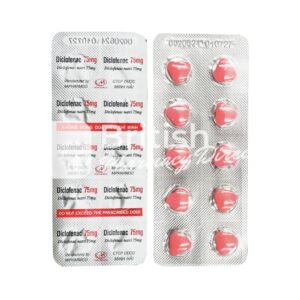
Pharmacies commonly stock tablets, suppositories, gel tubes, and injection forms, while packaging may also include blisters, ampoules or vials, topical sprays, and patches.
| Form | Common Pack Style |
|---|---|
| Tablets | Blisters |
| Gel or cream | Tubes |
| Suppositories | Strip packs |
| Injection | Ampoules or vials |
| Spray or patch | Topical packs, size varies by manufacturer |
How Diclofenac Is Classified In The UK
Is diclofenac prescription-only, or can you buy it over the counter?
The answer depends on the formulation and strength.
Many oral, injectable, and stronger topical forms are prescription-only, while some topical products may be pharmacy or general sale depending on pack size and strength.
Diclofenac is marketed in the UK under MHRA oversight, and NHS prescribing standards usually come with pharmacist counselling on dose, duration, interactions, and warning signs.
In everyday practice, patients may obtain diclofenac from Boots, LloydsPharmacy, Superdrug, independent pharmacies, and registered online pharmacies, including via electronic prescription.
In our online pharmacy, diclofenac is available without a prescription, with discreet delivery to United Kingdom in 5-14 days.
| Route | Typical Status | Common Examples |
|---|---|---|
| POM | Prescription only | Oral, injectable, stronger topical, eye drops |
| P | Pharmacy sale | Some topical products, depending on strength and pack size |
| OTC | General sale in some cases | Lower-strength topical forms and some low-dose oral products in some markets |
How Diclofenac Works
Why does diclofenac help with painful, swollen joints and muscles?
It works by reducing prostaglandin production, which lowers pain, inflammation, and swelling.
In simple terms, NSAIDs like diclofenac calm the chemical signals that drive inflammation after injury or in conditions such as arthritis.
The main clinical codes linked with diclofenac are M01AB05 for musculo-skeletal use, M02AA15 for topical anti-inflammatory use, and S01BC03 for ophthalmological use.
- Prostaglandins
- Natural chemicals involved in pain, inflammation, and swelling.
- NSAIDs
- Non-steroidal anti-inflammatory drugs used to reduce pain and inflammation.
| ATC Code | Category |
|---|---|
| M01AB05 | Musculo-skeletal anti-inflammatory and antirheumatic use |
| M02AA15 | Topical anti-inflammatory use for joint or muscular pain |
| S01BC03 | Ophthalmological anti-inflammatory use |
What Diclofenac Is Used For
Could one medicine help arthritis, a sprained muscle, and local swelling?
Diclofenac is widely used because it is a strong anti-inflammatory option for musculoskeletal pain and other inflammatory problems.
Approved uses include osteoarthritis, rheumatic pain, acute pain relief, and muscular or joint inflammation, with topical use for local pain and swelling.
Tablets are usually used for systemic pain and inflammation, while diclofenac gel or Voltarol gel is more suitable for localised joint or muscle pain.
Suppositories and injections are used where clinically appropriate, and eye drops are used for ophthalmic inflammation.
- Approved use: pain and inflammation in joints, muscles, and some eye conditions.
- Off-label use: may happen under clinician supervision when judgement supports it.
| Form | Typical Use |
|---|---|
| Tablets | Systemic pain and inflammation |
| Gel | Localised muscle or joint pain |
| Suppositories | When rectal administration is preferred |
| Injection | Acute pain where prescribed |
| Eye drops | Ophthalmic inflammation |
Adult Dosage Guidance In The UK
How much diclofenac is usually taken, and does the dose change by form?
Yes, the dose does vary by formulation and indication.
For osteoarthritis and rheumatic pain, the typical oral dose is 50mg to 100mg up to two or three times daily, with a maximum of 150mg per day in some indications.
For acute pain, a single 50mg to 75mg oral dose or an intramuscular injection may be used if prescribed.
For topical treatment, 2g to 4g of gel is usually applied to the affected area three to four times daily.
People searching for diclofenac 50mg tablets or diclofenac gastro-resistant tablets should still follow the leaflet and the prescriber’s directions, because different tablet types are not interchangeable without advice.
- Tablets: used for ongoing pain and inflammation.
- Gastro-resistant or extended-release forms: designed to alter how the medicine is released.
- Topical gel: used for local treatment, with small measured amounts.
- Suppositories and injections: reserved for selected situations.
| Use | Typical Adult Dose |
|---|---|
| Osteoarthritis or rheumatic pain | 50mg to 100mg up to 2 to 3 times daily, oral |
| Acute pain | Single 50mg to 75mg oral dose or IM injection |
| Topical pain relief | 2g to 4g gel, 3 to 4 times daily |
| Eye drops | 1 drop 4 to 5 times daily, depending on indication |
What If I Miss A Dose?
Take it when remembered unless the next dose is due soon.
Do not double up.
Safe-use checklist: keep to the leaflet, avoid taking extra doses for a flare-up, and seek advice if you are unsure which formulation you have.
Dose Adjustments For Children, Older Adults And Illness
What about children, older people, or someone with kidney problems?
Those groups need more careful dosing and monitoring.
In children, oral or rectal forms may be used with weight-based dosing of 1mg to 3mg per kg per day, split into two or three doses.
The exact upper limit varies by country and indication, and paediatric use should always be clinician directed.
In older adults, the lowest effective dose should be used, with extra attention to gastrointestinal, renal, and cardiovascular risk.
Caution is also needed in kidney disease, liver disease, heart disease, and high blood pressure, because monitoring matters more when organ function is already reduced.
| Population | Main Caution |
|---|---|
| Children | Weight-based dosing and clinician supervision |
| Older adults | Higher risk of GI, renal, and cardiovascular adverse effects |
| Kidney impairment | May need dose reduction or avoidance in severe cases |
| Liver impairment | Use caution; reduce dose or avoid if severe |
| Heart disease or hypertension | Monitor fluid retention and blood pressure |
- Children: weight-based dosing only.
- Older adults: use the lowest effective dose.
- Organ impairment: monitor closely or avoid in severe disease.
When Diclofenac Should Not Be Used
Are there situations where diclofenac should be avoided completely?
Yes, and the list is important because it helps prevent serious harm.
Absolute contraindications include hypersensitivity to diclofenac or other NSAIDs, active gastric or duodenal ulcer, gastrointestinal bleeding or perforation, severe heart failure, severe liver or kidney dysfunction, third trimester pregnancy, and a history of asthma, urticaria, or allergic-type reactions after NSAID use.
Relative contraindications include controlled hypertension, diabetes, mild to moderate kidney or liver impairment, inflammatory bowel disease, anticoagulation therapy, older age, heart failure, and lactation on a case-by-case basis.
A pharmacist should usually ask about previous reactions to painkillers, stomach problems, current medicines, pregnancy, breathing problems, and long-term conditions before supply or counselling.
- Absolute contraindication
- A situation where the medicine should not be used.
- Relative contraindication
- A situation where the medicine may still be used, but only with caution and clinical judgement.
- Have you ever had a reaction to ibuprofen, naproxen, or diclofenac?
- Have you had a stomach ulcer or bleeding?
- Do you have heart, kidney, or liver problems?
- Are you pregnant, especially in the third trimester?
- Are you taking anticoagulants, corticosteroids, or antidepressants?
Side Effects And Reporting Concerns
What side effects should you expect, and when is it something more serious?
Common effects include nausea, headache, dizziness, indigestion, abdominal pain, and rash with topical use.
Injection forms can also cause injection-site pain, while more moderate effects can include fluid retention, high blood pressure, raised liver enzymes, and itching.
More serious problems can include kidney effects and gastrointestinal bleeding, which is why long-term or high-risk use needs monitoring.
| Effect | Action |
|---|---|
| Nausea, headache, indigestion | Monitor and ask a pharmacist if persistent |
| Dizziness or rash | Stop and seek advice if troublesome |
| Swelling, breathlessness, black stools, reduced urination | Seek urgent medical help |
If a side effect seems unusual, the MHRA Yellow Card system can be used to report it.
Interactions With Medicines And Everyday Habits
Could diclofenac clash with your other tablets, or even with a weekend drink?
It can, which is why checking interactions matters before you start.
Common conflicts include anticoagulants, aspirin, other NSAIDs, corticosteroids, SSRIs, ACE inhibitors, diuretics, lithium, and methotrexate.
Alcohol can increase stomach risk, and food may help reduce stomach upset with oral forms.
It is also wise to check cold and flu labels, because some products already contain an NSAID.
| Medicine Group | Why It Matters |
|---|---|
| Anticoagulants or aspirin | Higher bleeding risk |
| Other NSAIDs | Duplicate treatment and more side effects |
| Corticosteroids or SSRIs | Higher gastrointestinal risk |
| ACE inhibitors or diuretics | Kidney and blood pressure concerns |
| Lithium or methotrexate | Important interaction risk |
- Do not mix diclofenac with another NSAID unless told to.
- Check all labels before taking cold, flu, or pain products.
- Ask a pharmacist before drinking alcohol regularly while using it.
Why Patients Choose Diclofenac And What Limits It
So why do many patients still choose diclofenac?
Because it offers strong anti-inflammatory action and is widely used for musculoskeletal pain.
That strength is also the reason it needs careful use, since gastrointestinal, cardiovascular, and kidney risks are more relevant than with some simpler painkillers.
Diclofenac is often helpful, but it is not the first choice for everyone, and the best outcomes usually come from the lowest dose for the shortest time.
| Benefit | Limitation |
|---|---|
| Strong anti-inflammatory effect | Not suitable for everyone |
| Useful in joint and muscle pain | GI, cardiovascular, and kidney risks |
| Available in oral and topical forms | Long-term use needs review |
Cost And How People Buy Diclofenac In The UK
How much will diclofenac cost, and where do people usually buy it?
That depends on whether it is supplied on the NHS, bought privately, or obtained as an over-the-counter topical product.
Boots, LloydsPharmacy, Superdrug, and independent pharmacies are common access points, and online pharmacies also supply registered products.
England has prescription charges unless the patient is exempt, while Scotland, Wales, and Northern Ireland have free prescriptions.
Price also changes with form, strength, and pack size, so diclofenac gel, diclofenac sodium tablets, and injectable forms may not cost the same.
| Source | Typical Price Range |
|---|---|
| NHS prescription | Subject to regional rules and exemptions |
| Private prescription | Varies by form and pack size |
| Over-the-counter topical product | Varies by strength and manufacturer |
| Online pharmacy | Depends on product and delivery option |
| UK Nation | Prescription Charge |
|---|---|
| England | Charges apply unless exempt |
| Scotland | Free |
| Wales | Free |
| Northern Ireland | Free |
What The Evidence Shows And Why Diclofenac Is Monitored Closely
Why is diclofenac so widely used if it also needs careful monitoring?
Because it is effective, and that has made it one of the most prescribed NSAIDs globally.
The trade-off is that safety monitoring matters, especially for gastrointestinal, cardiovascular, and renal adverse effects.
Some high-dose formulations have been restricted or withdrawn in certain markets because of their safety profile, and prescribers are expected to keep up with MHRA, EMA, and other regulatory updates.
- Evidence theme: strong efficacy.
- Evidence theme: meaningful GI, cardiovascular, and kidney risks.
- Evidence theme: more caution in long-term use and high-risk patients.
| Area | Main Concern |
|---|---|
| GI safety | Ulcer and bleeding risk |
| Cardiovascular safety | Blood pressure and fluid retention concerns |
| Renal safety | Kidney function effects |
Which Alternatives May Suit Better
What if diclofenac is not the best match for you?
Common NHS alternatives include ibuprofen, naproxen, ketoprofen, piroxicam, celecoxib, and etodolac.
The best choice depends on pain control, stomach risk, cardiovascular risk, dosing convenience, and whether a topical or oral option makes more sense.
Diclofenac may be very effective for inflammation, but it is not automatically the first choice for every patient.
| Alternative | Typical Reason To Consider It |
|---|---|
| Ibuprofen | Common first-line NSAID use |
| Naproxen | May suit some patients needing an oral NSAID |
| Celecoxib | COX-2 selective option in selected patients |
| Topical NSAIDs | Localised pain with lower systemic exposure |
- Choose an alternative if stomach risk is high.
- Consider a topical product for localised pain.
- Review cardiovascular and kidney risk before long-term NSAID use.
How To Use, Store And Discuss Diclofenac Safely
What is the safest way to use diclofenac at home?
Follow the patient leaflet, use the lowest effective dose, and keep treatment short unless a clinician has advised otherwise.
Do not share it with anyone else, even if they have the same symptoms.
Store diclofenac at 15 to 30 degrees Celsius, away from moisture, heat, and light, and keep gel, tablets, and ampoules in the original packaging where relevant.
If you are using topical diclofenac gel, measure carefully and do not apply it more often than recommended.
Good pharmacist counselling in the UK usually means checking interactions, explaining missed doses, and advising when to seek help.
- Safe-use checklist: leaflet first, correct dose, short duration, no sharing, and no duplicate NSAIDs.
- Storage checklist: original pack, dry place, room temperature, and out of reach of children.
- When to ask for help: if pain persists, side effects appear, or you are unsure which form you have.
For patients ordering online on a Friday evening, the key is still the same: check the strength, check the form, and make sure the medicine suits your medical history before starting.
Delivery Across United Kingdom
| City | Region | Delivery time |
|---|---|---|
| London | Greater London | 5-7 days |
| Birmingham | West Midlands | 5-7 days |
| Manchester | North West England | 5-7 days |
| Leeds | West Yorkshire | 5-7 days |
| Glasgow | Scotland | 5-7 days |
| Liverpool | North West England | 5-7 days |
| Newcastle upon Tyne | North East England | 5-7 days |
| Sheffield | South Yorkshire | 5-7 days |
| Bristol | South West England | 5-7 days |
| Cardiff | Wales | 5-7 days |
| Edinburgh | Scotland | 5-7 days |
| Nottingham | East Midlands | 5-9 days |
| Leicester | East Midlands | 5-9 days |
| Norwich | East of England | 5-9 days |
| Aberdeen | Scotland | 5-9 days |