
Arthritis
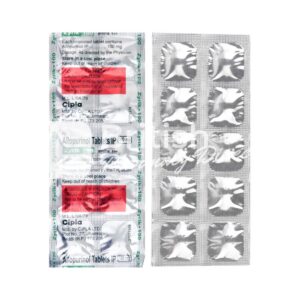
Allopurinol
from
Colchicine
from
Etoricoxib
from
Feldene
from
Indocid
from
Indomethacin
from
Naprosyn
fromUnderstanding Arthritis: Types and Causes
Arthritis is a common condition affecting millions of people across the United Kingdom. It involves inflammation of one or more joints, causing pain, stiffness, and reduced mobility. There are over 100 different types of arthritis, but the most prevalent are osteoarthritis and rheumatoid arthritis.
Osteoarthritis develops when the protective cartilage on the ends of bones wears down over time. This type typically affects people aged 50 and above, though it can occur earlier. Rheumatoid arthritis, on the other hand, is an autoimmune condition where the body’s immune system mistakenly attacks the lining of joints.
Other common types include gout, lupus-related arthritis, and psoriatic arthritis. Each type has different causes, ranging from age-related wear and tear to genetic predisposition and lifestyle factors. Understanding which type you have is essential for effective treatment and management.
Symptoms and Diagnosis
Common arthritis symptoms include joint pain, swelling, redness, and warmth around affected areas. Many sufferers experience stiffness, particularly in the morning or after periods of inactivity. Some people notice reduced range of motion and find everyday activities increasingly difficult.
Diagnosing arthritis typically involves a combination of methods. Your GP will assess your medical history and perform a physical examination. Blood tests can detect markers associated with rheumatoid arthritis and other inflammatory conditions. X-rays and ultrasound scans provide detailed images of joints to identify cartilage damage or bone changes.
Early diagnosis is crucial for effective management and preventing further joint damage. If you suspect you have arthritis, it’s important to consult your healthcare provider as soon as possible. Regular monitoring helps track disease progression and adjust treatment accordingly.
Oral Medications Available in the UK
The UK pharmacy market offers various oral medications to manage arthritis symptoms. Non-steroidal anti-inflammatory drugs (NSAIDs) like ibuprofen, naproxen, and diclofenac are widely available. These medications reduce inflammation and alleviate pain but should be used cautiously, particularly in older patients.
Paracetamol remains a popular choice for pain relief, though it offers less anti-inflammatory benefit than NSAIDs. Many patients use a combination of these medications for optimal symptom management.
Disease-modifying antirheumatic drugs (DMARDs) are prescribed for rheumatoid arthritis to slow disease progression. Methotrexate is commonly prescribed and significantly reduces inflammation. Other DMARDs available include sulfasalazine and leflunomide.
Biologic agents represent newer treatment options, including TNF inhibitors such as adalimumab and etanercept. These medications are particularly effective for rheumatoid arthritis and work by targeting specific immune system components. Corticosteroids like prednisolone may be prescribed temporarily to manage inflammation during flare-ups.
Topical Treatments and Over-the-Counter Options
Many people find relief through topical arthritis treatments applied directly to affected joints. Creams and gels containing NSAIDs, such as ibuprofen gel and diclofenac gel, provide localised pain relief without systemic effects. These products are readily available in UK pharmacies without prescription.
Capsaicin creams work by depleting substance P, a chemical that transmits pain signals. They provide gradual relief with consistent application, though warming sensations may initially occur. Menthol-based products offer cooling relief and temporary comfort during flare-ups.
Over-the-counter options also include glucosamine and chondroitin supplements, which some patients report help maintain joint health. Whilst scientific evidence remains mixed, many people find these beneficial for osteoarthritis management.
Heat and cold therapies complement pharmaceutical treatments. Heat therapy reduces stiffness, whilst cold applications help control inflammation during acute flare-ups. Combining topical medications with these therapies often provides comprehensive symptom management.
Lifestyle Management and Self-Care Strategies
Effective arthritis management extends beyond medication. Regular, gentle exercise maintains joint flexibility and strengthens supporting muscles. Swimming and water aerobics are particularly beneficial, as buoyancy reduces joint stress whilst providing resistance for muscle strengthening.
Weight management is crucial, especially for lower limb arthritis. Excess weight increases pressure on joints, accelerating wear and worsening symptoms. Even modest weight loss significantly improves pain levels and mobility.
Dietary considerations play an important role in arthritis management. Anti-inflammatory foods, including fatty fish rich in omega-3 fatty acids, berries, and leafy greens, may reduce symptoms. Some people benefit from reducing foods that trigger inflammation, such as processed items and refined sugars.
Rest and pacing help prevent symptom flare-ups. Breaking activities into smaller segments with rest periods reduces joint stress. Applying heat before activity and cold afterwards supports optimal joint function. Sleep quality is equally important, as good rest supports immune function and reduces pain perception.
Key self-care strategies include:
- Engaging in low-impact exercises such as swimming, walking, and yoga
- Maintaining a healthy weight to reduce joint pressure
- Following an anti-inflammatory diet rich in omega-3 fatty acids
- Using heat and cold therapy appropriately
- Taking regular breaks during activities to prevent overuse
- Ensuring adequate sleep and rest
- Managing stress through relaxation techniques
When to Seek Professional Help and Support Services
Persistent joint pain lasting more than a few weeks warrants professional evaluation. Your GP can conduct appropriate tests and refer you to a rheumatologist if necessary. Early intervention prevents complications and improves long-term outcomes.
The NHS provides comprehensive arthritis support services. Physiotherapy helps improve mobility and prevent muscle weakness. Occupational therapy offers practical strategies for adapting daily activities to reduce joint strain.
Several UK-based organisations provide invaluable support, including Versus Arthritis, which offers information, support groups, and resources for managing various arthritis types. Local support groups connect you with others sharing similar experiences, providing emotional support and practical advice.
Specialist clinics across the United Kingdom offer tailored treatment plans. Joint injections with corticosteroids provide temporary relief for specific joints. In some cases, surgery may be considered to repair or replace severely damaged joints. Regular communication with your healthcare team ensures your treatment plan remains effective and appropriate as your condition evolves.