Feldene
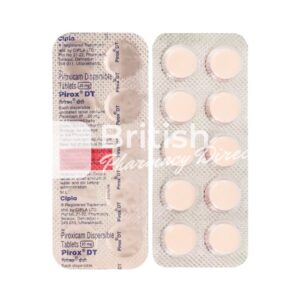
In brief
- In many countries Feldene (piroxicam) is a prescription-only medicine, but availability varies and in some pharmacies it may be sold without a prescription or receipt; check local regulations and pharmacy policy before purchase.
- Feldene is used to treat pain, inflammation and rheumatic conditions such as osteoarthritis and rheumatoid arthritis; it is a non‑steroidal anti‑inflammatory drug (NSAID) of the oxicam class that works mainly by inhibiting cyclooxygenase enzymes and reducing prostaglandin synthesis.
- The usual adult dose is 20 mg once daily (maximum 20 mg/day); some patients respond to 10 mg daily and doses may be split into 2 × 10 mg to lessen gastrointestinal side effects.
- Administered orally as capsules, tablets or dispersible tablets; topical formulations (gel/cream) are available in some markets for local use.
- Analgesic effects typically begin within about 30–60 minutes after oral dosing; full anti‑inflammatory benefit may take several days of treatment.
- Duration of action is effectively once daily, with a long plasma half‑life (~50 hours) leading to sustained effect and potential for accumulation with prolonged use.
- Avoid alcohol while taking Feldene where possible, as alcohol increases the risk of gastrointestinal bleeding and may worsen dizziness or drowsiness.
- The most common side effects are gastrointestinal (nausea, dyspepsia, abdominal pain), and other frequent effects include headache, dizziness, skin rash and fluid retention.
- Would you like to try feldene without a prescription?
Critical Warnings & Restrictions
Basic Feldene Information
- INN (International Nonproprietary Name): Piroxicam
- Brand Names Available In United Kingdom: Feldene (capsules 10 mg, 20 mg), Brexin (20 mg in some European markets), Felden (10 mg, 20 mg in some countries), generic piroxicam products; dispersible Feldene 20 mg is marketed in some countries and piroxicam gel (0.5–1%) is available in selected markets.
- ATC Code: M01AC01
- Forms & Dosages: Capsules/tablets 10 mg and 20 mg; dispersible 20 mg tablets; topical gel/cream 0.5%–1% in some markets.
- Manufacturers In United Kingdom: International suppliers include Pfizer, Sandoz, Hexal, Teva and Mylan; local generics and suppliers vary by product.
- Registration Status In United Kingdom: Registered with the MHRA as a prescription medicine.
- OTC / Rx Classification: Prescription‑Only Medicine (POM) in the UK.
High‑Risk Groups
Does this drug need special caution for older people, pregnancy or chronic illness?
Yes.
Piroxicam (Feldene) is prescription‑only in the UK and is an NSAID with an unusually long half‑life of about 50 hours, so adverse effects can be prolonged.
Absolute contraindications include known hypersensitivity to piroxicam or other NSAIDs, active peptic ulcer or gastrointestinal bleeding, severe heart failure, severe hepatic or renal impairment, use after coronary artery bypass graft (CABG), and pregnancy, especially the third trimester.
Elderly patients are at higher risk of gastrointestinal bleeding, renal impairment and cardiovascular events and should be prescribed the lowest effective dose with closer monitoring.
Concurrent use of anticoagulants, antiplatelets, systemic corticosteroids or a history of peptic ulcer disease increases risk and usually prompts gastroprotection with a proton pump inhibitor and regular review.
- Absolute Contraindications: known hypersensitivity to piroxicam/NSAIDs; active peptic ulcer or GI bleeding; severe heart failure; severe hepatic or renal impairment; use after CABG; pregnancy (especially third trimester).
- Relative Contraindications: history of mild to moderate renal or hepatic dysfunction; hypertension; prior ulcer disease; elderly age; current anticoagulant, antiplatelet or corticosteroid therapy.
Pre‑prescription checklist for clinicians and pharmacists before issuing or dispensing piroxicam:
- Confirm renal function (eGFR) and recent serum creatinine.
- Check blood pressure and cardiovascular history.
- Ask about prior peptic ulcer disease, GI bleeding or dyspepsia.
- Review all concurrent medications including anticoagulants, antiplatelets, SSRIs, lithium, methotrexate, ACE inhibitors/ARBs and diuretics.
- Document pregnancy status or plans for conception and breastfeeding.
- Assess patient age and frailty; consider starting at 10 mg if risk factors present.
Interaction With Activities
Will piroxicam affect my ability to drive or work safely?
Drowsiness, dizziness and visual disturbance are known side effects.
Patients must be advised not to drive or operate heavy machinery until they know how piroxicam affects them.
Record safety counselling in patient notes and on the electronic prescription record so advice is traceable.
Q&A — “Can I Drive After Taking It In The UK?”
Q: Can I drive after taking Feldene?
A: Not as a routine rule if you feel normal; however, if you experience drowsiness, dizziness, blurred vision or slowed reactions you must not drive or operate heavy machinery.
UK driving law requires drivers to be fit to drive and free from side effects that may impair control, so any relevant symptoms should prompt immediate cessation of driving and contact with the prescriber.
If severe neurological symptoms occur, seek urgent medical attention.
Clinicians and pharmacists should counsel patients about the long half‑life of piroxicam — side effects may persist longer than with shorter‑acting NSAIDs — and note this on the patient record.
Report any serious suspected adverse reactions to the MHRA via the Yellow Card scheme.
Usage Basics
INN, Brand Names Available In The UK
What is the active ingredient and what are the UK brand options?
The International Nonproprietary Name is piroxicam.
It is marketed as Feldene in the UK and globally, with generics available under the INN piroxicam and regional brands such as Brexin across Europe.
Available dosage forms relevant to UK patients include 10 mg and 20 mg capsules or tablets and dispersible 20 mg in some markets.
Topical piroxicam gel (0.5–1%) exists in selected markets but availability on UK pharmacy shelves can vary.
Legal Classification
Is piroxicam a prescription or over‑the‑counter medicine in the UK?
Piroxicam is a Prescription‑Only Medicine (POM) in the UK and requires an NHS or private prescription to dispense.
When dispensed on the NHS, the Electronic Prescription Service (EPS) can send prescriptions to a nominated pharmacy for collection and counselling.
Pharmacists must provide the patient information leaflet and counselling at supply and record key safety advice in the patient record.
- INN: International Nonproprietary Name — piroxicam.
- POM: Prescription‑Only Medicine — requires an NHS or private prescription in the UK.
- SmPC: Summary of Product Characteristics — consult for detailed contraindications and monitoring.
- Common packaging and presentation: capsules/tablets 10 mg and 20 mg in blister packs or bottles.
- Dispersible 20 mg tablets and topical gels 0.5–1% are available in some countries; UK availability varies by supplier.
Dosing Guide
Standard Regimens
How is piroxicam usually dosed for arthritis?
The typical adult dose for osteoarthritis and rheumatoid arthritis is 20 mg once daily, with a maximum of 20 mg per day.
Some patients obtain adequate symptom control at 10 mg once daily and prescribers often trial the lower dose in sensitive patients.
Because piroxicam has an approximate half‑life of 50 hours, it reaches steady state slowly and adverse effects can accumulate over time.
Use the lowest effective dose for the shortest period necessary and reassess regularly.
Treatment for chronic conditions should be reviewed every 2–3 months, with consideration of short courses where clinically appropriate.
| Indication | Typical Dose | Maximum Dose |
|---|---|---|
| Osteoarthritis | 20 mg once daily (10 mg may be tried) | 20 mg/day |
| Rheumatoid Arthritis | 20 mg once daily (may split to 2 × 10 mg to reduce GI symptoms) | 20 mg/day |
Baseline tests to complete before initiating piroxicam:
- Blood pressure measurement.
- Renal function (eGFR, serum creatinine).
- Liver function tests.
- History of peptic ulcer or GI bleeding.
Adjustments For Comorbidities
How should piroxicam be adapted for older adults and those with medical problems?
Elderly patients should receive the lowest effective dose and require more frequent monitoring for gastrointestinal bleeding, renal impairment and cardiovascular events.
In renal or hepatic impairment piroxicam should generally be avoided or used only with specialist advice and tight monitoring because elimination may be prolonged and toxicity heightened.
If co‑prescribing diuretics, ACE inhibitors or anticoagulants review the necessity of piroxicam and monitor renal function, electrolytes and coagulation parameters as indicated.
Q&A — “What If I Miss A Dose?”
Q: What should I do if I miss a dose of Feldene?
A: Take the missed dose as soon as you remember unless it is nearly time for your next dose.
Do not take a double dose to make up for a missed dose.
Because piroxicam accumulates owing to its long half‑life, consistent daily dosing is preferable; if you miss doses frequently contact your prescriber or pharmacist for advice.
Interaction Chart
Food And Drinks
Are there dietary issues while taking piroxicam?
Alcohol increases the risk of gastrointestinal bleeding when combined with NSAIDs and patients should be advised to minimise alcohol intake while taking piroxicam.
No specific food interactions are documented, but taking piroxicam with food may reduce GI upset.
Caffeine‑containing drinks such as coffee or tea have no direct pharmacokinetic interaction but stimulants can mask drowsiness; counsel accordingly.
- Dietary advice: take with food if you experience stomach upset.
- Alcohol limits: advise minimising alcohol while taking piroxicam due to raised GI bleed risk.
Common Drug Conflicts
Which medicines commonly interact with piroxicam and how should they be managed?
| Drug | Mechanism | Clinical Action / Monitoring |
|---|---|---|
| Warfarin / DOACs | Increased bleeding risk via platelet function inhibition and GI mucosal damage | Avoid combination where possible; if necessary monitor INR and signs of bleeding closely; consider alternative analgesia. |
| Antiplatelets (aspirin, clopidogrel) | Higher GI bleeding risk | Use gastroprotection and regular review; involve prescriber in risk/benefit decision. |
| SSRIs | Increased GI bleed risk | Monitor for GI symptoms; consider PPI if combined and risk factors present. |
| ACE Inhibitors / ARBs / Diuretics | Reduced renal perfusion and possible loss of antihypertensive effect | Monitor renal function and blood pressure; avoid in known renal impairment. |
| Corticosteroids | Increased GI ulceration risk | Consider gastroprotection and close monitoring. |
| Lithium, Methotrexate | Reduced renal clearance leading to higher serum levels | Monitor drug levels and renal function; consider alternative therapy. |
Report suspected interactions and serious adverse reactions to the MHRA Yellow Card scheme.
Stepwise checklist for managing interactions in primary care:
- Review the patient’s full medication list and check for anticoagulants, antiplatelets, SSRIs, lithium, methotrexate and ACE inhibitors/diuretics.
- Assess baseline renal and liver function and BP.
- Decide on gastroprotection if bleeding risk is present.
- Document monitoring plan and review dates in the record.
User Reports & Trends
What do patients say about piroxicam online and in NHS materials?
UK patients commonly report that piroxicam provides useful analgesia for chronic joint pain but many cite gastrointestinal upset, headaches and drowsiness.
Because of piroxicam’s long half‑life of about 50 hours some patients report longer recovery from adverse effects compared with shorter‑acting NSAIDs.
Online forums such as Patient.info and parenting boards often discuss switching to shorter‑acting NSAIDs for finer dose control and fewer prolonged side effects.
| Theme | Summary | Sentiment |
|---|---|---|
| Efficacy | Effective analgesia for chronic joint pain in many users | Mixed‑Positive |
| Gastrointestinal Issues | Nausea, dyspepsia and concern about ulcers and bleeding | Negative |
| Drowsiness / CNS | Reports of dizziness, sleepiness, and slower recovery from effects | Negative |
| Monitoring | Patients appreciate clear monitoring and blood test plans | Positive |
Clinicians should document patient‑reported outcomes and any safety events in the record.
Encourage patients to report suspected adverse reactions via the Yellow Card system.
Suggested questions clinicians should ask during consultations:
- Have you ever had a stomach ulcer, bleeding or diagnosed gastritis?
- Are you on an anticoagulant, antiplatelet, SSRI or systemic steroid?
- How well did you tolerate previous NSAIDs such as ibuprofen or naproxen?
- Do you have kidney or liver disease, heart failure, or high blood pressure?
Access & Purchase Options
High‑Street And Chain Pharmacies
Where can patients collect or present prescriptions for piroxicam in the UK?
Major UK pharmacies such as Boots, LloydsPharmacy, Superdrug and independent community pharmacies dispense Feldene or generic piroxicam on receipt of an NHS or private prescription.
Patients requesting supply should bring any previous medication lists and allergy history for safe supply.
- Checklist for the pharmacy: bring the prescription, a current list of medicines, details of allergies, and a contact number.
Online Pharmacies And NHS E‑Prescriptions
Can piroxicam be ordered online?
The NHS Electronic Prescription Service (EPS) supports e‑prescriptions sent to a nominated pharmacy for collection or dispensing.
Many UK online pharmacies will dispense on receipt of a valid prescription; patients must use MHRA‑compliant, GPhC‑registered services to avoid illegal supplies.
Costs vary; see the NHS cost & access comparison table below for regional differences and prescription charges.
| Supply Route | Typical Turnaround | Counselling | Privacy / Convenience |
|---|---|---|---|
| In‑Store Pharmacy (Boots, Lloyds) | Usually same or next day | Face‑to‑face counselling | Good privacy at consultation counter |
| Online Pharmacy (GPhC Registered) | 2–7 days depending on prescription | Telephone or video counselling possible | High convenience; ensure registered supplier |
| Private Prescription Mail Order | 3–10 days | Written and remote counselling | Discreet delivery options available |
In our online pharmacy, feldene is available without a prescription, with discreet delivery to United Kingdom in 5–14 days.
Mechanism & Pharmacology
Simplified Explanation
How does piroxicam work in plain language?
Piroxicam is a non‑steroidal anti‑inflammatory drug (NSAID) that reduces pain and inflammation by inhibiting cyclo‑oxygenase (COX) enzymes and lowering prostaglandin production.
This reduces joint pain and swelling but also decreases protective prostaglandins in the stomach, which raises the risk of ulcers and bleeding.
- NSAID: Non‑steroidal anti‑inflammatory drug.
- COX: Cyclo‑oxygenase enzyme that makes prostaglandins.
- Prostaglandin: Substances involved in inflammation and stomach protection.
- Half‑Life: About 50 hours — long‑acting.
Clinical Terms
Key pharmacology points for clinicians.
Piroxicam’s long half‑life (~50 hours) allows once‑daily dosing but increases the risk of accumulation and prolonged adverse events when compared with shorter‑acting NSAIDs.
| Parameter | Typical Value |
|---|---|
| Half‑Life | Approximately 50 hours |
| Onset | Within hours for analgesia; anti‑inflammatory effects may take days |
| Routes | Oral capsules/tablets; topical gel in some markets |
| Dosing Forms | 10 mg, 20 mg tablets/capsules; dispersible 20 mg; topical 0.5–1% gel |
- Monitoring schedule: baseline bloods (renal, liver), follow up at 4–12 weeks, then periodic reviews depending on risk and duration of therapy.
Indications & Off‑Label Uses
MHRA‑Approved Uses
What is piroxicam licensed to treat in the UK?
Primary licensed indications include osteoarthritis and rheumatoid arthritis, typically prescribed at 20 mg once daily with a maximum of 20 mg per day.
Topical gel formulations, where available, may be used for localised musculoskeletal pain to reduce systemic exposure; check product availability and local formulary guidance.
- Licensed indications: osteoarthritis and rheumatoid arthritis.
- Formulation choices: oral systemic therapy (capsules/tablets) or topical gel where marketed.
Off‑Label Practices In NHS And Private Care
Are there other clinical situations where piroxicam is used?
Occasionally piroxicam is used off‑label for acute gout, ankylosing spondylitis or acute post‑operative pain under clinician judgement, but these uses must be justified given tolerability concerns.
Off‑label prescribing requires documentation of indication, informed consent and a monitoring plan.
- Checklist for off‑label prescribing: document indication, discuss benefits and risks with the patient, obtain consent, and set a monitoring and review schedule.
Key Clinical Findings
What does the evidence and guidance say about piroxicam compared with other NSAIDs?
Systematic reviews and national guidance such as NICE and Cochrane reviews should guide NSAID selection.
Piroxicam carries important safety signals for gastrointestinal, renal and cardiovascular risks owing in part to its long half‑life, and many formularies recommend alternatives or routine gastroprotection when risk is elevated.
| Aspect | Evidence Strength | Recommendation |
|---|---|---|
| Efficacy | Moderate | Effective for chronic arthritic pain but similar to other NSAIDs. |
| GI Safety | High concern | Use PPI gastroprotection for at‑risk patients; avoid in active ulcers. |
| Renal/Cardiac Risk | High concern | Avoid in severe heart failure or significant renal impairment; monitor BP and renal function. |
Clinicians should check the SmPC and local Trust formularies for up‑to‑date contraindications and thresholds for monitoring.
Citation box: consult NICE guidance on osteoarthritis and rheumatoid arthritis, the MHRA SmPC for piroxicam (Feldene) and relevant Cochrane reviews for NSAID safety and efficacy.
Alternatives Matrix
NHS Prescribing Alternatives
| Drug | Typical NHS Dose | Half‑Life | GI/Cardiac Risk | Topical Option |
|---|---|---|---|---|
| Ibuprofen | 200–400 mg TDS (OTC doses) / up to 2400 mg/day Rx | Short | Lower at OTC doses; cardiac risk less clear | Yes (topical formulations available) |
| Diclofenac | 50 mg BD/TDS | Moderate | Similar GI risk; cardiac risk highlighted | Yes (topical gel) |
| Meloxicam | 7.5–15 mg once daily | Longer (once daily) | Possibly lower GI risk vs non‑selective NSAIDs | No common topical |
| Naproxen | 250–500 mg BD | Longer | GI risk present; lower cardiac signal in some studies | No common topical |
Quick reference: choose ibuprofen for short‑term, low‑dose analgesia; diclofenac for similar efficacy with topical options; meloxicam where once‑daily dosing and lower GI risk is preferred; naproxen for longer dosing intervals.
Pros And Cons Checklist
- Consider patient comorbidities: cardiac, renal and GI disease.
- Assess drug interaction potential with current medicines.
- Decide between topical versus systemic therapy to reduce systemic exposure where appropriate.
- Weigh monitoring burden and patient preference into the prescribing decision and document rationale and gastroprotection plan.
Common Questions
Which questions do patients ask most often in UK consultations?
- Q: Can I take Feldene in pregnancy or breastfeeding?
- A: Piroxicam is contraindicated in pregnancy, especially in the third trimester; breastfeeding requires individual risk assessment—consult your prescriber.
- Q: Can I combine it with paracetamol?
- A: Yes, paracetamol may be used for additional pain relief, but always check the total analgesic burden and liver function if long‑term or heavy alcohol use.
- Q: How long until it works?
- A: Analgesia can begin within hours, but full anti‑inflammatory benefit may take several days; the long half‑life means steady effect builds slowly.
Red‑flag symptoms requiring urgent review:
- Black or tarry stools or vomiting blood.
- Severe abdominal pain.
- Chest pain, sudden breathlessness or severe leg swelling.
- Marked reduction in urine output or sudden confusion.
NHS Cost & Access Comparison
How much does piroxicam cost and how do prescription charges differ across the UK?
| Source | Typical Private Price Range | NHS Prescription Charge Note | Exemption Status |
|---|---|---|---|
| NHS Prescription | Depends on prescription dispensed; generic usually cheaper | England charges per item unless exempt; check current NHS England fee | Exemptions include age, income and medical categories; Scotland, Wales and Northern Ireland generally have free prescriptions. |
| Boots / Lloyds (Private Dispense) | Varies; dispensing fee plus drug cost (branded more expensive than generic) | Private prescriptions not eligible for NHS charging rules | Private prescriptions may be charged; ask pharmacy for estimate. |
| Online Pharmacy | Private supply ranges; may include postal fee | Requires valid prescription for piroxicam | Use GPhC‑registered suppliers to ensure legality and safety. |
Regional differences:
| Region | Prescription Charging |
|---|---|
| England | Per‑item prescription charge applies unless exempt; check current NHS fee. |
| Scotland | Prescriptions generally free. |
| Wales | Prescriptions generally free. |
| Northern Ireland | Prescriptions generally free. |
Checklist for patients to confirm NHS entitlement and nominate an EPS pharmacy:
- Confirm whether you qualify for prescription exemption.
- Provide your nominated EPS pharmacy details if using NHS electronic prescribing.
- Bring proof of entitlement or exemption where required.
Registration & Regulation
MHRA Approval Process
Is piroxicam regulated in the UK?
Piroxicam (Feldene) is registered as a prescription medicine with the MHRA and prescribers should consult the SmPC for current contraindications, interactions and monitoring.
Suspected adverse reactions should be reported to the MHRA via the Yellow Card scheme.
- Regulatory checklist: locate the SmPC, check batch recalls and report adverse events via Yellow Card.
NHS Prescribing Framework
What responsibilities do prescribers have?
Prescribers must follow NHS formularies and local guidance, document informed consent and monitoring plans, and ensure patients receive leaflets and counselling at dispensing.
High‑risk cases should involve specialist review and clear documentation of rationale for choosing piroxicam over alternatives.
- Audit points: indication documented, baseline tests completed, review date recorded, gastroprotection decision noted.
Storage & Handling
UK Household Storage
How should patients store piroxicam at home?
Store around 25°C with permitted excursions between 15–30°C.
Keep in the original packaging away from moisture and direct sunlight and avoid storing in bathrooms where humidity is high.
Do not freeze topical gels.
- Safe storage checklist: temperature control, keep out of reach of children, check expiry dates, return unused medicine to a pharmacy for safe disposal.
Guidance From NHS And Pharmacists (Transport & Travel)
Advice for travel and transport of piroxicam.
Carry medication in original packaging with the prescription or a copy when travelling and store at room temperature.
When travelling abroad check local regulations for carrying prescription medicines.
| Do | Don’t |
|---|---|
| Keep in original box with leaflet and prescription | Store in a car glovebox in hot weather |
| Use pharmacy return schemes for disposal | Dispose in household bin or sink |
Guidelines For Proper Use
UK Pharmacist Counselling Style
What should pharmacists say at the point of supply?
Confirm the indication and dose (10 mg or 20 mg), warn about signs of GI bleeding and drowsiness, advise no alcohol and review concurrent medicines.
Explain the monitoring plan for blood pressure, renal function and liver tests and offer written information.
- Counselling checklist: confirm allergies, confirm pregnancy status, explain dose and duration, advise on driving and alcohol, provide leaflet and record EPS nomination.
Short script for common queries: “This medicine is piroxicam (Feldene). Take once daily as prescribed. If you notice black stools, severe stomach pain, breathlessness or a big change in urine or swelling, stop the medicine and seek urgent review.”
NHS Patient Safety Advice
Follow‑up and escalation guidance for chronic users.
Recommend baseline blood tests before starting and a review after 4–12 weeks, then every 2–3 months for chronic therapy as clinically indicated.
Start a proton pump inhibitor for gastroprotection in patients with GI risk factors and arrange prompt review for red flags such as severe abdominal pain, black stools, chest pain or sudden fluid retention.
- Follow‑up timeline: baseline, 4–12 weeks, 6 months, then annually or as needed.
- Decision flow: continue at lowest effective dose with monitoring; reduce or stop if adverse events occur; refer to specialist for significant renal, hepatic or cardiac issues.
Encourage patients to report suspected adverse reactions with the MHRA Yellow Card scheme.
Delivery Across United Kingdom
| City | Region | Delivery Time |
|---|---|---|
| London | Greater London | 5–7 days |
| Birmingham | West Midlands | 5–7 days |
| Manchester | Greater Manchester | 5–7 days |
| Glasgow | Scotland | 5–7 days |
| Liverpool | Merseyside | 5–7 days |
| Leeds | West Yorkshire | 5–7 days |
| Edinburgh | Scotland | 5–7 days |
| Bristol | South West England | 5–7 days |
| Cardiff | Wales | 5–9 days |
| Belfast | Northern Ireland | 5–9 days |
| Newcastle | Tyne and Wear | 5–9 days |
| Sheffield | South Yorkshire | 5–9 days |
| Nottingham | Nottinghamshire | 5–9 days |
| Leicester | Leicestershire | 5–9 days |
| Coventry | West Midlands | 5–9 days |