
Mental Disorders
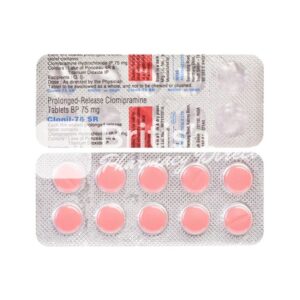
Anafranil
from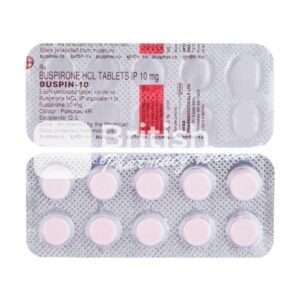
Buspar
from
Buspirone
from
Clomipramine
from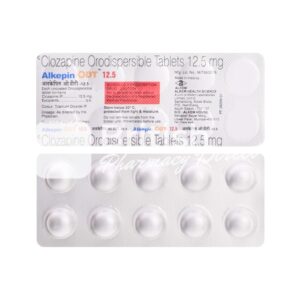
Clozaril
from
Lithium
from
Olanzapine
from
Stalevo
from
Strattera
from
Topiramate
fromDepression
Depression is one of the most common mental health conditions affecting millions of people across the United Kingdom. It goes far beyond feeling sad and represents a persistent state of low mood that interferes with daily functioning, relationships, and work performance. Understanding depression is crucial for those seeking help and support.
What is Depression and Its Symptoms
Depression, clinically known as Major Depressive Disorder, involves persistent feelings of sadness, hopelessness, and loss of interest in activities. Symptoms typically include disrupted sleep patterns, changes in appetite, fatigue, difficulty concentrating, and in severe cases, thoughts of self-harm. The condition can last weeks, months, or even years without proper treatment.
Available Medications in the UK
The primary treatment for depression involves antidepressants. Selective Serotonin Reuptake Inhibitors (SSRIs) are commonly prescribed and include sertraline, citalopram, and fluoxetine. Serotonin-Noradrenaline Reuptake Inhibitors (SNRIs) such as venlafaxine and duloxetine are also widely available. Tricyclic antidepressants remain an option for some patients, whilst newer medications like agomelatine offer alternative mechanisms of action.
Additional Support and Management
Beyond medication, cognitive behavioural therapy, counselling, and lifestyle modifications including regular exercise and social engagement prove highly beneficial. Many patients find that combining pharmaceutical treatment with talking therapies produces the best outcomes.
Anxiety Disorders
Anxiety disorders encompass a range of conditions where individuals experience excessive worry, fear, or panic that significantly impacts their quality of life. Unlike normal stress responses, anxiety disorders persist and often worsen without intervention. The UK sees substantial numbers of people seeking help for various anxiety-related conditions.
Types of Anxiety Disorders
Anxiety disorders present in several distinct forms, each requiring tailored treatment approaches:
- Generalised Anxiety Disorder – persistent, excessive worry about everyday matters
- Panic Disorder – sudden, intense episodes of fear accompanied by physical symptoms
- Social Anxiety Disorder – intense fear of social situations and interactions
- Phobias – extreme fear of specific objects or situations
- Post-Traumatic Stress Disorder – develops following exposure to traumatic events
Treatment Medications Available
SSRIs form the first-line pharmacological treatment and include sertraline, paroxetine, and citalopram. SNRIs like venlafaxine are equally effective for anxiety management. Benzodiazepines such as diazepam and alprazolam provide short-term relief but are typically prescribed briefly due to dependency risks. Beta-blockers like propranolol manage physical symptoms of anxiety including tremor and palpitations.
Therapeutic Approaches
Exposure therapy, mindfulness techniques, and breathing exercises complement medication effectively. Many UK healthcare providers recommend cognitive behavioural therapy as a primary treatment, with medication supporting the therapeutic process.
Bipolar Disorder
Bipolar Disorder is characterised by extreme mood fluctuations ranging from elevated manic episodes to depressive lows. This serious mental health condition requires careful management and ongoing professional support. The condition affects work, relationships, and personal wellbeing significantly.
Understanding Mood Episodes
Manic episodes involve elevated mood, increased energy, reduced need for sleep, and sometimes risky behaviour. Depressive episodes mirror major depression with persistent low mood and loss of interest. Hypomania represents a less severe form of mania. Episodes can last weeks or months, with some individuals experiencing rapid cycling between states.
Pharmacological Management Options
Mood stabilisers form the cornerstone of bipolar treatment. Lithium remains highly effective but requires regular blood monitoring to maintain safe levels. Anticonvulsants including valproate and lamotrigine offer alternatives. Atypical antipsychotics such as quetiapine, aripiprazole, and olanzapine provide mood stabilisation and manage acute symptoms effectively.
Comprehensive Treatment Strategy
Medication works best alongside psychoeducation, regular sleep schedules, and stress management. Family involvement and support networks prove invaluable. Regular monitoring appointments ensure medication effectiveness and manage any side effects appropriately.
Obsessive-Compulsive Disorder
Obsessive-Compulsive Disorder (OCD) involves intrusive, unwanted thoughts combined with repetitive behaviours aimed at reducing anxiety. Despite common misconceptions, OCD extends far beyond perfectionism or organisation. The condition causes substantial distress and significantly impacts daily functioning for those affected.
Obsessions and Compulsions Explained
Obsessions are persistent, intrusive thoughts causing anxiety or distress. Common themes include contamination fears, harm concerns, or need for symmetry. Compulsions are repetitive behaviours performed to alleviate anxiety, such as excessive cleaning, checking, or arranging. The cycle of obsession and compulsion becomes time-consuming and exhausting.
Medication Options in the UK
SSRIs specifically help OCD and typically require higher doses than depression treatment. Sertraline, fluoxetine, and citalopram are commonly prescribed. If SSRIs prove ineffective, augmentation with antipsychotics like quetiapine or aripiprazole may be considered. Clomipramine, a tricyclic antidepressant, remains effective for resistant OCD cases.
Behavioural Interventions
Exposure and Response Prevention therapy is highly effective, requiring patients to resist compulsive urges whilst tolerating anxiety. Cognitive therapy addresses underlying beliefs maintaining the disorder. Combined treatment approaches yield superior outcomes compared to medication alone.
Schizophrenia and Psychotic Disorders
Schizophrenia represents a complex mental health condition involving disturbances in thought, perception, and emotional processing. Characterised by positive symptoms like hallucinations and delusions, along with negative symptoms including reduced emotional expression, schizophrenia requires comprehensive, long-term management for optimal outcomes.
Core Features and Symptoms
Positive symptoms include hallucinations (typically auditory), delusions, and disorganised speech. Negative symptoms involve reduced motivation, flattened affect, and social withdrawal. Cognitive difficulties affecting memory and concentration also present. Symptoms typically emerge in late adolescence or early adulthood.
Antipsychotic Medications Available
First-generation antipsychotics like haloperidol remain available but carry significant side effects. Second-generation antipsychotics prove more effective with better tolerability. Common options include olanzapine, quetiapine, risperidone, and aripiprazole. Long-acting injectable formulations improve medication adherence for some patients, administered monthly or quarterly.
Holistic Management Approach
Medication forms the foundation of treatment, but psychosocial interventions including family psychoeducation, occupational therapy, and supported employment programmes enhance outcomes significantly. Regular monitoring manages metabolic side effects and ensures treatment effectiveness.
Attention-Deficit/Hyperactivity Disorder
Attention-Deficit/Hyperactivity Disorder (ADHD) involves persistent patterns of inattention and/or hyperactivity-impulsivity affecting functioning and development. Once considered purely a childhood condition, ADHD frequently persists into adulthood. Many adults receive diagnosis only after their children are identified with the condition.
ADHD Presentation and Diagnosis
Inattention symptoms include difficulty sustaining focus, forgetfulness, and disorganisation. Hyperactivity presents as restlessness and excessive talking. Impulsivity involves interrupting others and acting without consideration. Symptoms must persist for at least six months and appear before age twelve to warrant diagnosis.
Medication Options in the United Kingdom
Stimulant medications including methylphenidate and amphetamine-based preparations improve attention and executive function. Extended-release formulations provide all-day coverage. Non-stimulant alternatives like atomoxetine and guanfacine offer options for those who cannot tolerate stimulants or experience side effects.
Multimodal Treatment Approach
Medication alone proves insufficient; behavioural strategies, educational support, and lifestyle modifications enhance effectiveness. Time management techniques, structured routines, and environmental adaptations support improved functioning. Regular appointments monitor response and adjust dosing as needed throughout treatment.