
Antibiotics

Amoxil
from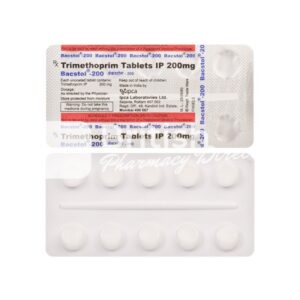
Bactrim
from
Ciproxin
from
Flagyl
from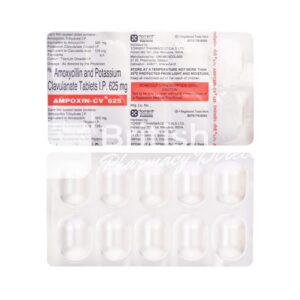
Augmentin
from
Exocin
from
Doxycycline
from
Metronidazole
from
Ciprofloxacin
from
Rifampin
from
Erythromycin
from
Amoxicillin
from
Suprax
from
Zithromax
from
Cefalexin
from
Avelox
fromWhat Are Antibiotics and How Do They Work?
Antibiotics are powerful medicines designed to fight bacterial infections by either killing bacteria or stopping their growth. These medications have revolutionised modern medicine since their discovery, saving countless lives from serious infections that were once fatal. Antibiotics work through various mechanisms depending on their type. Some antibiotics, known as bactericidal, directly kill bacteria by damaging their cell walls or interfering with their vital processes. Others, called bacteriostatic, prevent bacteria from multiplying, allowing your immune system to eliminate the infection naturally.
Understanding how antibiotics function helps explain why they cannot treat viral infections such as colds or flu. Bacteria and viruses are fundamentally different organisms requiring different treatment approaches. Antibiotics target specific bacterial structures and processes that viruses simply do not possess. This distinction is crucial for appropriate medical treatment and preventing unnecessary antibiotic use. Your GP will determine whether your infection is bacterial or viral before prescribing antibiotics, as using them incorrectly can lead to serious health consequences and contribute to antibiotic resistance.
Common Types of Antibiotics Available in the United Kingdom
The UK pharmacy market offers several classes of antibiotics, each effective against different types of bacterial infections. Penicillins remain amongst the most commonly prescribed antibiotics and include medications like amoxicillin and flucloxacillin. These are typically used for respiratory infections, ear infections, and skin conditions. Amoxicillin is often the first choice for many bacterial infections due to its effectiveness and safety profile.
Cephalosporins represent another important class, with cephalexin being widely available. These work similarly to penicillins and are suitable for patients with various bacterial infections, particularly those affecting the urinary tract and skin. Macrolide antibiotics, including erythromycin and azithromycin, provide alternative options for patients allergic to penicillin. They effectively treat respiratory infections and certain sexually transmitted infections.
Fluoroquinolones such as ciprofloxacin are broad-spectrum antibiotics used for more serious infections, including urinary tract infections and some respiratory conditions. Tetracyclines like doxycycline are commonly prescribed for acne, respiratory infections, and certain tick-borne illnesses. Nitrofurantoin is specifically designed for urinary tract infections and is frequently recommended by GPs for this purpose. Each antibiotic class has specific strengths and is prescribed based on the infection type, severity, and individual patient factors:
- Penicillins – effective for respiratory, ear, and skin infections
- Cephalosporins – suitable for urinary tract and skin infections
- Macrolides – alternative for penicillin-allergic patients
- Fluoroquinolones – broad-spectrum for serious infections
- Tetracyclines – used for acne and respiratory conditions
- Nitrofurantoin – specifically for urinary tract infections
Common Bacterial Infections Treated with Antibiotics
Bacterial infections affect various body systems and require appropriate antibiotic treatment. Respiratory tract infections, including bronchitis and pneumonia, represent common reasons for antibiotic prescriptions. These infections cause coughing, difficulty breathing, and fever, and antibiotics help eliminate the bacteria responsible. Strep throat, caused by Streptococcus bacteria, typically responds well to penicillin-based antibiotics and should be treated promptly to prevent complications.
Urinary tract infections (UTIs) affect thousands of people across the UK annually and respond effectively to specific antibiotics like nitrofurantoin or trimethoprim. Symptoms include painful urination, urgency, and cloudy urine. Skin and soft tissue infections, including impetigo and cellulitis, require appropriate antibiotic coverage to prevent spreading and serious complications. These infections often appear as redness, swelling, and warmth in affected areas.
Ear infections, particularly otitis media in children and adults, frequently involve bacteria and benefit from antibiotic treatment. Gastrointestinal infections caused by bacteria can lead to severe diarrhoea and require specific antibiotics depending on the causative organism. Sexual health conditions such as chlamydia and gonorrhoea require prompt antibiotic treatment to prevent long-term complications. Wound infections following surgery or injury must be treated with appropriate antibiotics to promote healing and prevent serious complications like sepsis.
How to Use Antibiotics Safely and Effectively
Proper antibiotic use is essential for treating infections successfully whilst preventing serious side effects and antibiotic resistance. Always take antibiotics exactly as prescribed by your GP or as indicated on your medication label. Complete the full course even if you feel better, as stopping early allows bacteria to survive and develop resistance. Never share antibiotics with others or use leftover antibiotics from previous prescriptions, as these may be inappropriate for different infections or individuals.
Take antibiotics at the specified times and with any required food or water as directed. Some antibiotics require an empty stomach for proper absorption, whilst others should be taken with food to reduce stomach upset. Inform your healthcare provider about any allergies, particularly to penicillin or other antibiotics, as allergic reactions can be serious. Mention any other medications you take, as some antibiotics interact with contraceptive pills, blood thinners, and other medicines.
Be aware of potential side effects, which may include nausea, diarrhoea, rashes, or sensitivity to sunlight depending on the antibiotic type. Report any severe or unusual reactions to your GP immediately. Store antibiotics in a cool, dry place away from direct sunlight, and check expiry dates before use. Never take antibiotics prescribed for someone else, and dispose of unused antibiotics safely at your local pharmacy rather than flushing them down the toilet.
Antibiotic Resistance and Why It Matters
Antibiotic resistance occurs when bacteria adapt and survive exposure to antibiotics that previously killed them effectively. This serious public health concern develops through overuse and misuse of antibiotics, making previously treatable infections increasingly difficult to manage. The UK government and NHS actively work to combat antibiotic resistance through education and careful prescribing practices. Using antibiotics only when genuinely necessary, as your GP determines, helps preserve their effectiveness for future generations.
Antibiotic resistance means that some infections may no longer respond to standard treatments, requiring hospitalisation and more powerful, expensive medications. MRSA (methicillin-resistant Staphylococcus aureus) exemplifies a concerning resistant bacterium that can cause serious infections. By using antibiotics responsibly, you contribute to maintaining their effectiveness and protecting public health. Never pressure your GP for antibiotics if they believe your infection is viral, as this contributes to resistance without providing any benefit.
Taking complete antibiotic courses prevents partially treated bacteria from developing resistance. Supporting infection prevention through good hygiene, vaccination where available, and wound care reduces the need for antibiotics overall. The UK’s antimicrobial stewardship programmes work within the NHS to ensure antibiotics are prescribed appropriately and used effectively.
When to See Your GP About Possible Bacterial Infections
Recognising when you need antibiotics requires understanding symptoms indicating possible bacterial infection. Contact your GP if you experience persistent fever lasting more than three days, as this often signals bacterial infection requiring treatment. Worsening symptoms after initially improving, or severe localised pain and swelling, warrant medical evaluation. Signs of serious infection include confusion, difficulty breathing, severe headache with stiff neck, or rapid heartbeat.
Children with bacterial infections may display different symptoms, including refusing feeds, unusual crying, or fever not responding to paracetamol and ibuprofen. Pregnant women experiencing symptoms of urinary tract infection or other infections should contact their GP promptly for safe treatment. People with weakened immune systems, chronic health conditions, or recent surgery should seek medical advice for any signs of infection.
NHS 111 provides telephone advice outside normal surgery hours for symptoms requiring urgent assessment. Use NHS 111 online to check your symptoms and receive guidance about whether you need immediate medical attention. Your GP will examine you, possibly perform tests, and prescribe antibiotics only if bacterial infection is confirmed. Early medical attention for suspected bacterial infections prevents complications and ensures appropriate treatment, helping you recover quickly and safely whilst contributing to responsible antibiotic use across the United Kingdom.