
Gastrointestinal Tract
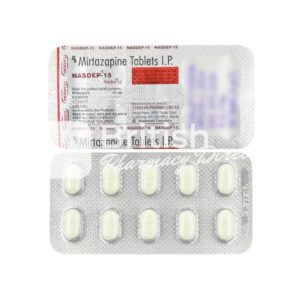
Mirtazapine
from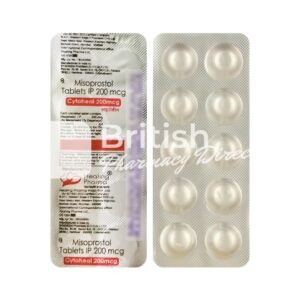
Misoprostol
from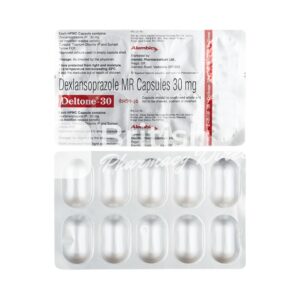
Dexilant
from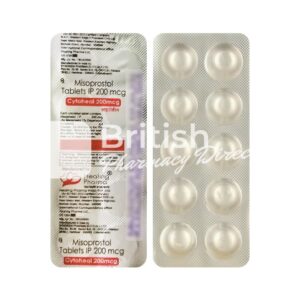
Cytotec
from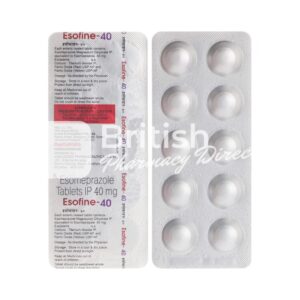
Nexium
from
Motilium
from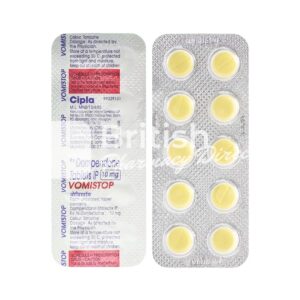
Domperidone
fromAcid Reflux and Heartburn Relief
Acid reflux, commonly known as heartburn, occurs when stomach acid travels up into the oesophagus, causing discomfort and a burning sensation. This condition affects millions of people across the UK and can be triggered by certain foods, alcohol, stress, or eating too quickly.
What is acid reflux?
Acid reflux happens when the lower oesophageal sphincter, a muscle that acts as a valve between your stomach and oesophagus, becomes weak or relaxes inappropriately. This allows stomach contents to flow backwards, irritating the oesophageal lining.
Common symptoms include
- Burning sensation in the chest
- Bitter taste in the mouth
- Difficulty swallowing
- Regurgitation of food or liquids
Popular medications available in the UK
Omeprazole is a proton pump inhibitor that reduces stomach acid production, whilst Lansoprazole offers another effective proton pump inhibitor option for long-term relief. Ranitidine is an H2 receptor antagonist that decreases acid secretion, and antacids like Gaviscon and Tums provide quick relief by neutralising stomach acid.
Management tips
Lifestyle changes such as avoiding trigger foods, eating smaller meals, and not lying down immediately after eating can significantly help manage symptoms. Over-the-counter antacids offer quick relief, whilst prescription medications provide longer-lasting solutions for chronic sufferers.
Constipation and Digestive Support
Constipation is one of the most common digestive complaints in the United Kingdom, affecting people of all ages. It occurs when bowel movements become infrequent or difficult, often caused by insufficient fibre intake, dehydration, or lack of physical activity.
Understanding constipation
A healthy digestive system should produce regular bowel movements. When this doesn’t happen, waste accumulates in the colon, leading to discomfort, bloating, and straining.
Symptoms to watch for
- Fewer than three bowel movements per week
- Hard, dry stools
- Abdominal pain and bloating
- Straining during bowel movements
- Feeling of incomplete evacuation
Laxatives and treatments available
Docusate is a stool softener that helps water retention in stools, whilst Senna is a natural stimulant laxative derived from plants. Lactulose works as an osmotic laxative that draws water into the bowel, Movicol is a polyethylene glycol-based powder for effective relief, and Bisacodyl is a stimulant laxative suitable for occasional use.
Preventative measures
Increasing fibre intake through fruits, vegetables, and whole grains is fundamental to maintaining digestive health. Drinking at least two litres of water daily and maintaining regular exercise supports healthy digestion. For persistent constipation, consulting a healthcare professional is recommended.
Diarrhoea and Stomach Upset Treatment
Diarrhoea is characterised by loose or watery stools occurring more frequently than normal. In the UK, acute diarrhoea is often caused by viral infections, food poisoning, or dietary changes, whilst chronic diarrhoea may indicate underlying conditions.
Causes of diarrhoea
- Viral or bacterial infections
- Food poisoning
- Lactose intolerance
- Irritable bowel syndrome
- Medication side effects
- Dietary changes
When to seek treatment
Most cases of acute diarrhoea resolve within a few days with home care. However, severe cases requiring medical attention include bloody stools, persistent high fever, or signs of dehydration.
Medications for diarrhoea relief
Loperamide, commonly known as Imodium, slows intestinal movement to reduce symptoms. Bismuth subsalicylate, or Pepto-Bismol, reduces inflammation and kills certain bacteria, whilst Kaolin and Morphine is a traditional remedy that absorbs toxins. Oral rehydration salts are essential for replacing lost fluids and electrolytes.
Recovery strategies
Rest and rehydration are crucial during acute episodes. Eating bland foods like toast, rice, and bananas helps settle the stomach. Avoiding dairy, fatty foods, and high-fibre items temporarily allows the digestive system to recover.
Indigestion and Bloating Solutions
Indigestion, medically termed dyspepsia, refers to discomfort or pain in the upper abdomen. It’s different from acid reflux and can result from eating too quickly, consuming heavy meals, stress, or underlying digestive issues.
Recognising indigestion
Symptoms include fullness during eating, uncomfortable post-meal fullness, upper abdominal pain or burning, and bloating. These symptoms can significantly impact daily quality of life.
Distinguishing from other conditions
Indigestion differs from heartburn, though the two can occur together. Whilst heartburn is specifically oesophageal discomfort, indigestion involves the stomach and surrounding areas.
Effective treatments in the UK market
- Antacids containing magnesium or aluminium hydroxide
- Famotidine, an H2 blocker reducing acid production
- Simethicone, which reduces gas and bloating by breaking down bubbles
- Peppermint oil capsules as a natural remedy supporting digestive comfort
- Ginger supplements, a traditional ingredient known for digestive support
Dietary and lifestyle adjustments
Eating slowly and chewing food thoroughly improves digestion significantly. Avoiding alcohol, caffeine, and fatty foods helps prevent symptoms. Gentle exercise after meals and stress management techniques also support digestive health.
Irritable Bowel Syndrome (IBS) Management
Irritable bowel syndrome affects a significant portion of the UK population, causing recurring abdominal pain, bloating, and altered bowel habits. It’s a functional disorder, meaning tests often appear normal despite troublesome symptoms.
IBS characteristics
The condition presents in three main types: IBS-D, which is diarrhoea-predominant; IBS-C, which is constipation-predominant; and IBS-M, which features mixed symptoms. Symptoms typically worsen during stressful periods and improve with rest.
Impact on daily life
IBS can significantly affect work, social activities, and overall wellbeing. Many sufferers experience anxiety about symptoms, creating a challenging cycle of stress and digestive problems.
Management options available
- Antispasmodics like mebeverine to reduce cramping and pain
- Alosetron prescribed for women with severe IBS-D
- Linaclotide helping IBS-C by increasing fluid secretion
- Dietary fibre supplements supporting regular bowel function
- Probiotics balancing gut bacteria for improved symptoms
Comprehensive IBS approach
Successful management combines medication with dietary modifications, stress reduction, and regular exercise. The NHS recommends identifying trigger foods through careful dietary tracking, increasing soluble fibre intake gradually, and seeking psychological support when needed.
Nausea and Anti-Sickness Medication
Nausea and vomiting can result from various causes including infections, medication side effects, travel, pregnancy, or chemotherapy. Whilst often temporary, persistent nausea requires investigation and appropriate treatment.
Common causes of nausea
- Gastroenteritis and stomach bugs
- Medication side effects
- Motion and travel sickness
- Migraines
- Pregnancy-related morning sickness
- Chemotherapy and medical treatments
- Inner ear problems
Available anti-sickness medications
Metoclopramide increases stomach contractions aiding food movement, whilst Domperidone blocks dopamine receptors in the vomiting centre. Cyclizine is an antihistamine effective against motion sickness, and Ondansetron is a powerful anti-emetic for severe cases. Ginger supplements offer a natural alternative with proven effectiveness, and antihistamines help with motion and travel-related nausea.
When to seek medical advice
If nausea persists beyond a few days, is accompanied by severe abdominal pain, includes blood in vomit, or causes weight loss and dehydration, medical evaluation is essential.
Home remedies and support
Fresh ginger tea, small frequent meals, staying hydrated with electrolyte drinks, and avoiding triggers like strong smells helps manage mild nausea. Acupressure bands and relaxation techniques also provide relief for some individuals.