Mirtazapine
In brief
- Mirtazapine is prescription-only (Rx) in most countries and should be supplied by a pharmacy with a valid prescription; purchasing or using it without medical supervision is not recommended and may be unlawful.
- Mirtazapine is used mainly for major depressive disorder and off‑label for anxiety, insomnia and appetite stimulation; it is a tetracyclic noradrenergic and specific serotonergic antidepressant (NaSSA) that antagonises central α2‑adrenergic receptors and 5‑HT2/5‑HT3 receptors, increasing noradrenaline and serotonin transmission and causing H1 antagonism (sedation, increased appetite).
- Usual adult dose is 15–45 mg once daily at bedtime; some patients (elderly or those with prominent insomnia) may start at 7.5–15 mg and titrate cautiously; children and adolescents are not routinely indicated.
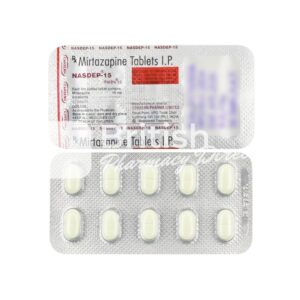
- Administered orally as tablets (7.5, 15, 30, 45 mg), orodispersible tablets (15, 30, 45 mg) and occasionally as an oral solution; no routine injectable or topical forms.
- Sedative effects and improved sleep may be seen within hours or the first night; antidepressant benefits commonly begin within 1–2 weeks, with full response often by 4–6 weeks.
- Typically given once daily with effects lasting about 24 hours; the elimination half‑life is roughly 20–40 hours so activity persists over a day.
- Avoid or limit alcohol while taking mirtazapine because alcohol increases sedation and the risk of excessive central nervous system depression and impaired coordination.
- The most common side effect is somnolence/sedation; other frequent effects include increased appetite and weight gain, dry mouth, dizziness, constipation and fatigue.
- Would you like to try “mirtazapine” without a prescription?
Basic Mirtazapine Information
- INN (International Nonproprietary Name): Mirtazapine
- Brand Names Available In United Kingdom: Zispin; Mirtazapine Teva; generics widely available from Teva, Sandoz, Mylan, Zentiva and others
- ATC Code: N06AX11
- Forms & Dosages: Orodispersible tablets 15 mg, 30 mg, 45 mg; film-coated/tablets 15 mg, 30 mg, 45 mg; 7.5 mg tablets exist rarely; oral solution not universally available
- Manufacturers In United Kingdom: Original marketing by Organon; generics supplied locally by Teva, Sandoz, Mylan and other authorised distributors
- Registration Status In United Kingdom: MHRA approved for use in adults for major depressive disorder; prescription-only medicine
- OTC / Rx Classification: Prescription Only Medicine (POM) across the UK
Critical Warnings & Restrictions (Safety First — UK Patients)
Are there any instant “stop” signs you should know about?
Mirtazapine is a Prescription Only Medicine (POM) in the United Kingdom and must be started under medical supervision by a GP or psychiatrist.
Do not start mirtazapine if the patient has used a monoamine oxidase inhibitor (MAOI) within the last 14 days.
Concurrent or recent MAOI use is an absolute contraindication — stop the new medicine and contact the prescriber immediately if this applies.
Seek urgent assessment for any of the following emergency signs:
- New or worsening suicidal thoughts or behaviour.
- Severe unexplained sedation or profound drowsiness leading to loss of consciousness.
- Confusion, disorientation or sudden severe agitation.
- High fever, stiffness or very rapid heart rate suggesting serotonin syndrome.
- Signs of blood dyscrasia such as unexplained bruising, sore throat, or bleeding.
High‑risk groups include the elderly, pregnant or breastfeeding women, and people with severe liver or renal impairment.
Report suspected adverse reactions to the MHRA via the Yellow Card Scheme and use NHS urgent‑care pathways for overdose or acute reactions.
Packaging commonly supplied in the UK includes orodispersible tablets 15 mg, 30 mg and 45 mg under brands such as Zispin and Mirtazapine Teva.
Storage safety: keep out of reach of children and store at 15–30°C in the original container.
Before prescribing or dispensing, check the following using a short checklist: current medications, pregnancy or breastfeeding status, liver or renal disease, history of bipolar disorder or seizures.
Pharmacists should counsel at collection about falls risk and sedation and provide a written safety plan for patients starting therapy.
Refer to specialist services when pregnancy, significant comorbidity or diagnostic uncertainty is present.
High-Risk Groups (Elderly, Pregnancy, Chronic Illness)
Who needs extra caution?
Elderly patients are at increased risk of sedation, orthostatic hypotension and falls with mirtazapine.
Start low (commonly 7.5–15 mg) and titrate slowly while reviewing concomitant sedatives and anticholinergics.
Pregnancy and breastfeeding require individual assessment; routine initiation is best avoided without specialist input from perinatal mental health services.
Document informed consent and consider a perinatal psychiatry referral when pregnancy is planned or confirmed.
In chronic liver disease, start at the lowest dose and titrate cautiously because drug exposure may be higher.
For severe renal impairment use caution and monitor clinically as clearance may be altered.
Screen for bipolar disorder since antidepressants can precipitate mania; liaise with psychiatry if there is a history of mania.
With a seizure history, use mirtazapine cautiously and consider neurology input for monitoring and anticonvulsant interactions.
Monitoring actions checklist:
- Baseline and periodic blood pressure monitoring.
- Baseline liver function tests and repeats if clinically indicated.
- Regular weight checks and metabolic monitoring if weight gain occurs.
- Falls risk assessment and medication reconciliation for sedatives.
Include pregnancy and breastfeeding guidance in local perinatal prescribing pathways and document all counselling in the GP record and the community pharmacy PMR.
Interaction With Activities (Driving, Workplace Safety Under UK Law)
Q&A — “Can I Drive After Taking It In The UK?”
Will mirtazapine affect my ability to drive?
Mirtazapine commonly causes somnolence and sedation, especially during initiation and dose increases.
Patients must not drive or operate heavy machinery until they know how mirtazapine affects their alertness.
Under UK law, drivers who are impaired by medicines that reduce alertness have a duty to inform the DVLA if their ability to drive is affected.
Employers should be informed when safety‑critical duties are performed while taking sedating medicines.
Fitness‑to‑drive assessment checklist:
- Record time of dose and when sedation typically begins.
- Review co‑prescribed sedatives, alcohol use and shift or night work.
- Advise dosing at bedtime to reduce daytime drowsiness, per NHS advice.
Avoid alcohol and other central nervous system depressants, as they potentiate impairment.
Pharmacists should label containers and record driving advice in the NHS summary care record or pharmacy notes where possible.
If sedation continues beyond a few weeks, reassess treatment, consider reducing dose or switching to a non‑sedating alternative with prescriber input.
Usage Basics
INN, Brand Names Available In The UK
- INN
- Mirtazapine
- Brands
- Zispin; Mirtazapine Teva; generics from Teva, Sandoz, Mylan, Zentiva and others
- Formulations
- Orodispersible tablets 15 mg, 30 mg, 45 mg; film‑coated tablets 15 mg, 30 mg, 45 mg; 7.5 mg tablets exist rarely
Mirtazapine is classified pharmacologically under ATC code N06AX11 as a tetracyclic “other antidepressant”.
It is prescription‑only (POM) and governed by the MHRA in the UK.
Packaging and brand names vary by supplier, so check the product name at dispensing to avoid confusion between orodispersible and film‑coated formats.
Legal Classification (POM, P, GSL)
What legal controls apply to mirtazapine?
Mirtazapine is a Prescription Only Medicine (POM) throughout the UK and is not available over the counter.
Prescribing routes include NHS GP prescriptions, secondary care initiation, and private prescriptions where appropriate.
Dispensing occurs through community pharmacies and registered online pharmacies who must hold GPhC registration.
Electronic prescribing and NHS e‑prescriptions are standard and acceptable for dispensing.
Checklist for collection:
- Verify patient identity and prescription validity.
- Confirm dose, formulation and quantity match the prescription.
- Record counselling provided and any safety warnings given.
Dosing Guide
Standard Regimens (NHS Guidelines)
How is mirtazapine typically started and adjusted?
For adults with major depressive disorder the usual dose range is 15–45 mg once daily at bedtime, with many patients starting at 15 mg and titrating to effect.
Off‑label lower starting doses such as 7.5–15 mg at night are sometimes used for prominent insomnia or appetite stimulation.
Patients may notice early benefits within 1–2 weeks but a full antidepressant response commonly takes 4–6 weeks.
After remission, treatment is commonly continued for 6–12 months to reduce relapse risk.
Titration and stopping checklist:
- Start at 15 mg at night for most adults; increase in 15 mg steps if needed, up to 45 mg nightly.
- For older people start 7.5–15 mg and monitor closely.
- When stopping, use gradual tapering to reduce withdrawal risk rather than abrupt cessation.
Adjustments For Comorbidities
How should dosing change with other medical conditions?
In liver impairment start at the lowest dose and titrate slowly because active drug levels may be increased.
In severe renal impairment use caution and monitor clinically; mild to moderate renal dysfunction usually needs no initial adjustment.
Coordinate care with specialists for bipolar disorder, seizure history, or recent myocardial infarction.
Monitoring checklist:
- Baseline weight, blood pressure and periodic monitoring during treatment.
- Consider LFTs if clinically indicated and a full blood count if symptoms suggest infection or bleeding.
- Refer to psychiatry for treatment resistance, complex comorbidity or diagnostic uncertainty.
Q&A — “What If I Miss A Dose?”
If a dose is missed, take it as soon as remembered unless the next dose is due soon.
Do not double up to make up a missed dose.
If vomiting occurs after taking a dose or overdose is suspected, seek urgent medical care via NHS 111 or emergency services.
Interaction Chart
Food And Drinks (Alcohol, Tea/Coffee, Diet Habits)
What should I avoid while taking mirtazapine?
Alcohol potentiates sedation and may increase the risk of respiratory depression, so avoidance is strongly advised during initiation and dose adjustments.
Caffeine can mask sedation but may worsen anxiety or interfere with sleep hygiene; counsel limited use if sedation is a safety concern.
Mirtazapine commonly increases appetite and can lead to weight gain, so discuss dietary advice and regular weight monitoring.
Patient advice checklist:
- Avoid alcohol while establishing dose and during periods of increased sedation.
- Limit caffeine if sleepiness or insomnia is an issue.
- Monitor weight and seek dietetic support if weight gain becomes problematic.
Common Drug Conflicts (MHRA Yellow Card Data)
Which drugs need close review when adding mirtazapine?
Absolute contraindication: monoamine oxidase inhibitors (MAOIs) or within 14 days of MAOI discontinuation.
Concurrent use with other serotonergic agents may increase the risk of serotonin syndrome, so monitor and seek prescriber guidance when combining agents.
Potent CYP inhibitors or inducers can alter mirtazapine exposure; adjust dosing and monitor for increased effects or reduced efficacy where relevant.
Sedative co‑prescribing such as benzodiazepines, opioids or antipsychotics raises fall and sedation risk and requires careful review.
| Interacting Drug Class | Clinical Effect | Recommended Action |
|---|---|---|
| MAOIs | Serious interaction; risk of serotonin syndrome | Avoid; do not start within 14 days of MAOI use |
| Other Serotonergic Drugs | Increased serotonin syndrome risk | Monitor; seek prescriber advice before combining |
| Benzodiazepines/Opioids | Increased sedation and fall risk | Review necessity; consider lower doses and monitoring |
| CYP Inhibitors/Inducers | Altered mirtazapine levels | Adjust dose and monitor clinical response |
Perform medication reconciliation at every review and report suspected reactions to the MHRA Yellow Card Scheme.
User Reports & Trends (NHS Choices, Patient.info, Mumsnet)
What do patients say online in the UK?
Common themes on UK patient forums and NHS education sites include praise for improved sleep and restored appetite, particularly when insomnia is a major symptom of depression.
Frequent patient concerns include morning sedation, weight gain and withdrawal symptoms when stopping treatment.
Some patients report fewer sexual side effects compared with SSRIs, while others still note libido changes.
Top patient‑reported benefits:
- Improved sleep in the first 1–2 weeks.
- Increased appetite and reduced nausea for some patients.
- Relief of depressive symptoms over several weeks.
Top patient‑reported adverse concerns:
- Daytime drowsiness or morning grogginess.
- Weight gain over months of treatment.
- Withdrawal effects when stopping suddenly.
Forum reports are anecdotal; encourage patients to discuss experiences with their prescriber or pharmacist.
Offer a simple patient diary template to track sleep, appetite, mood and side effects ahead of a review.
Access & Purchase Options
Where can patients obtain mirtazapine in the UK?
Major community pharmacy chains such as Boots, LloydsPharmacy and Superdrug routinely dispense mirtazapine prescriptions, though stock varies by brand and formulation.
Registered online pharmacies with GPhC registration can dispense via NHS e‑prescription or private prescription.
Patients should beware of unregulated suppliers and import risks and always verify the supplier is UK‑based and GPhC‑registered.
For convenience, our online pharmacy offers discreet delivery to the United Kingdom in 5–14 days when a valid prescription or private consultation is provided.
Boots, LloydsPharmacy, Superdrug
What to expect at the high‑street pharmacy?
Check availability in advance and ask about generic alternatives if cost or supply is an issue.
Pharmacists typically provide counselling at collection covering side effects, driving and dose timing.
If switching brands (for example from orodispersible to film‑coated) pharmacists should confirm bioequivalence and advise on any differences in administration.
Online Pharmacies And NHS E‑Prescriptions
How to use online services safely?
Only order from UK online pharmacies that show a GPhC number and contact details on their website.
Verify packaging and product information on receipt and keep records of prescriptions for continuity of care.
Checklist for safe online ordering:
- Confirm GPhC registration and physical UK contact details.
- Use NHS e‑prescription where possible or upload valid private prescription.
- Check product packaging and expiry dates on delivery.
- Report adverse events via the Yellow Card Scheme.
Regional prescription charging varies — see the NHS Cost & Access Comparison Table below for details and options to save costs.
Mechanism & Pharmacology
Simplified Explanation
How does mirtazapine work in plain terms?
Mirtazapine is a tetracyclic antidepressant that increases noradrenergic and serotonergic transmission by antagonising central presynaptic alpha‑2 autoreceptors and heteroreceptors.
It also blocks 5‑HT2 and 5‑HT3 receptors and antagonises histamine H1 receptors, which explains both antidepressant effects and marked sedation.
- Alpha‑2 Antagonist
- Increases release of noradrenaline and serotonin.
- 5‑HT2/3 Blockade
- Reduces anxiety, insomnia and nausea in some patients.
- H1 Antagonism
- Produces sedation and increased appetite.
For clinical articles a simple pharmacology flowchart linking receptor effects to common clinical outcomes is often helpful.
Clinical Terms
What are the practical implications of the pharmacology?
H1 blockade leads to sedation and increased appetite, making mirtazapine useful when insomnia or low appetite accompany depression.
5‑HT3 antagonism tends to reduce nausea compared with some other antidepressants.
The noradrenergic and serotonergic enhancement underpins its antidepressant efficacy.
Patients often see early improvements in sleep and appetite within 1–2 weeks, with fuller mood response by 4–6 weeks.
Monitor weight and consider metabolic checks if significant weight gain occurs over time.
Clinician one‑line summary for records: alpha‑2 antagonist with 5‑HT2/3 and H1 blockade, sedating, appetite‑stimulating, onset 1–6 weeks.
Indications & Off‑Label Uses
MHRA‑Approved Uses
What is mirtazapine licensed for in the UK?
The primary MHRA and NICE indication is major depressive disorder in adults.
Licensed dose range for depression is generally 15–45 mg once daily at night.
Treatment for depression commonly continues for 6–12 months after remission to prevent relapse, as per standard guidance.
Off‑Label Practices In NHS And Private Care
Where is mirtazapine used off‑label?
Off‑label uses include treatment of severe insomnia when linked to depression, appetite stimulation in palliative or oncology settings, and management of anxiety symptoms when depression coexists.
Pros and cons checklist for off‑label prescribing:
- Consider evidence strength for the indication and alternatives with stronger licenced data.
- Balance benefit of sedation/appetite stimulation against risks such as weight gain and daytime drowsiness.
- Document rationale, explain risks to the patient and obtain informed consent.
When off‑label use is complex, involve specialist teams and record discussions in the GP record.
Key Clinical Findings (Major UK & EU Studies 2022–2025)
What recent trial trends matter to prescribers?
Recent comparative studies in EU and UK populations confirm mirtazapine’s efficacy for major depressive disorder with relatively rapid improvement in sleep and appetite domains compared with some selective serotonin reuptake inhibitors.
Head‑to‑head tolerability findings vary, but mirtazapine frequently shows a more favourable sexual side‑effect profile than many SSRIs at comparable antidepressant effect.
Main outcomes to note:
- Symptom remission rates broadly comparable with established antidepressants when doses are optimised.
- Higher incidence of sedation and weight gain versus many SSRIs.
- Withdrawal risk exists with abrupt discontinuation; gradual taper recommended.
Clinicians should consult NICE guidance and local formularies for positioning and consider individual patient factors when selecting mirtazapine.
Alternatives Matrix
NHS Prescribing Alternatives (Comparison Table)
| Class / Drug | Typical Onset | Common Side Effects | Suitability For Insomnia/Appetite |
|---|---|---|---|
| SSRI — Sertraline, Escitalopram | 2–4 weeks | Nausea, sexual dysfunction, insomnia | Less suitable for insomnia; less appetite stimulation |
| SNRI — Venlafaxine, Duloxetine | 2–4 weeks | Dry mouth, sweating, BP rise (venlafaxine) | Not ideal for insomnia; variable appetite effects |
| Atypical — Trazodone, Agomelatine, Bupropion | 1–4 weeks | Sedation (trazodone), hepatic monitoring (agomelatine), stimulant effects (bupropion) | Trazodone useful for insomnia; bupropion may reduce sexual side effects |
| Mirtazapine | 1–2 weeks (sleep); 4–6 weeks (mood) | Somnolence, increased appetite, weight gain | Good for insomnia and appetite stimulation |
Pros And Cons Checklist
How to pick an antidepressant for an individual patient?
- Primary symptoms — insomnia or low appetite point towards mirtazapine.
- Comorbidities such as cardiac or hepatic disease may affect choice and dosing.
- Drug interactions and patient preference about side‑effect profiles are important.
- Use shared decision‑making and document switching plans; psychiatry input for cross‑tapering in complex cases.
Common Questions
Which questions do patients ask most often?
Q: Will it make me sleepy all day?
A: Many patients experience sedation initially; taking mirtazapine at bedtime reduces daytime sleepiness and prescribers can review dose if sedation persists.
Q: Will I gain lots of weight?
A: Weight gain is common with mirtazapine; monitor weight and consider dietetic referral or switching if weight gain is unacceptable.
Q: Is it safe in pregnancy?
A: Mirtazapine is not typically a first‑line choice in pregnancy without specialist review; discuss risks and benefits with perinatal mental health teams and document decisions.
Q: How long before it works?
A: Some benefits may be seen in 1–2 weeks, with full response often by 4–6 weeks; continue treatment for 6–12 months after remission as appropriate.
Quick patient actions:
- Adopt sleep hygiene measures and avoid alcohol.
- Keep a symptom diary to discuss at reviews.
- Contact the prescriber early if severe side effects or suicidal thoughts occur.
NHS Cost & Access Comparison Table
How much might mirtazapine cost and how do charges vary by region?
| Source/Pharmacy | Typical Private Price (28 Tabs) | NHS Prescription Charge (England) | Exemption Status |
|---|---|---|---|
| Boots / Lloyds / Superdrug | £5–£15 (generic) | £9.35 per item (standard charge) | Free if exempt (under‑16, over‑60, certain benefits) |
| Online UK Pharmacy | £4–£12 | Via NHS e‑prescription same charge | As above |
| Private Clinic | £10–£25 | N/A (private) | N/A |
| Nation | Prescription Charge |
|---|---|
| England | Standard charge per item (check current NHS) |
| Scotland | Prescriptions free |
| Wales | Prescriptions free |
| Northern Ireland | Prescriptions free |
Prices vary by brand, pack size and supplier.
Cost‑saving checklist:
- Ask for a generic equivalent where appropriate.
- Consider NHS Prescription Prepayment Certificates if many items are required.
- Check entitlement to exemptions or benefits that make prescriptions free.
Registration & Regulation
MHRA Approval Process
Is mirtazapine approved and monitored in the UK?
Mirtazapine is MHRA‑licensed for depression and product information reflects UK licences.
Marketing authorisations for various presentations are held by original and generic manufacturers including Organon, Teva, Sandoz and others.
Regulatory checks include ongoing pharmacovigilance via the Yellow Card Scheme and good manufacturing practice oversight for suppliers.
NHS Prescribing Framework
How is prescribing governed within the NHS?
Prescribing follows NICE guidance and local formularies; GPs routinely prescribe with secondary care initiating for complex cases.
Documentation checklist for prescribers and pharmacists:
- Record indication, dose, planned review date and pregnancy/contraception status.
- Document shared decision‑making and any patient information provided.
- Notify and record adverse events and consider Yellow Card reporting as needed.
Storage & Handling (UK Household Focus)
UK Household Storage (Cold/Damp Climate)
How should mirtazapine be stored at home in the UK?
Store mirtazapine at 15–30°C and keep it in the original packaging away from moisture and direct light.
In damp homes avoid storing medicines in bathrooms; instead use higher cupboards in dry areas of the home.
Keep all medicines out of reach and sight of children and pets.
Storage checklist:
- Maintain recommended temperature range (15–30°C).
- Protect from light and moisture; keep in original blister or container.
- Use childproof storage and do not transfer tablets to unlabelled containers.
Guidance From NHS And Pharmacists
How to handle unused or travelling medicines?
Return unused or expired medication to a pharmacy for safe disposal — do not flush medicines down the toilet.
Pharmacists should label packs with dose time (qhs) and add sedation warnings where appropriate.
For travel, carry prescription and original packaging; finished formulations do not require special transport conditions but keep at stable temperatures and avoid extreme heat.
Emergency supply routes are available via local NHS services if a timely refill is needed.
Guidelines For Proper Use (UK Pharmacist Counselling Style)
UK Pharmacist Counselling Style
What should a pharmacist cover when handing over mirtazapine?
Confirm the indication, prescribed dose and formulation with the patient and ask about pregnancy, driving and alcohol use.
Use a structured counselling checklist to cover dose and timing (usually qhs), expected onset (1–2 weeks), full benefit (4–6 weeks) and common side effects to expect.
Explain missed‑dose guidance and storage and provide written patient information and a symptom diary template.
Offer to record the consultation in the PMR and add reminders for the prescriber review date where appropriate.
NHS Patient Safety Advice
When should follow‑up and monitoring occur?
Schedule a review within 1–2 weeks of initiation to check tolerability and suicidal ideation, then regular reviews every 4–12 weeks depending on clinical stability.
Monitor weight, blood pressure and mental state and ensure emergency contact details for mental health crisis lines are provided.
Provide a printable baseline assessment and monitoring checklist including review dates so primary care and pharmacy teams share clear responsibility for follow‑up.
Delivery Across United Kingdom
| City | Region | Delivery Time |
|---|---|---|
| London | England | 5–7 days |
| Birmingham | England | 5–7 days |
| Manchester | England | 5–7 days |
| Glasgow | Scotland | 5–7 days |
| Leeds | England | 5–7 days |
| Liverpool | England | 5–7 days |
| Sheffield | England | 5–7 days |
| Bristol | England | 5–7 days |
| Edinburgh | Scotland | 5–7 days |
| Belfast | Northern Ireland | 5–7 days |
| Cardiff | Wales | 5–7 days |
| Newcastle | England | 5–9 days |
| Leicester | England | 5–9 days |
| Plymouth | England | 5–9 days |
| Northampton | England | 5–9 days |
Purchase Context And Safety Reminder
How can patients safely obtain mirtazapine from our service?
Our online pharmacy provides discreet delivery within the United Kingdom and accepts NHS e‑prescriptions and valid private prescriptions.
Although our service offers discreet delivery in 5–14 days, remember mirtazapine is prescription‑only and should be initiated under medical supervision.
Always consult with the prescriber or pharmacist before changing dose or stopping treatment and report adverse effects to the MHRA Yellow Card Scheme.
Final Notes For Clinicians And Pharmacists
What are the quick takeaways for prescribers and pharmacy teams?
Mirtazapine is an effective tetracyclic antidepressant licensed for major depressive disorder in adults with strong sedative and appetite‑stimulating properties.
Use lower starting doses for the elderly and those with hepatic impairment and monitor for sedation, weight gain and rare blood dyscrasias.
Document indication, informed consent and planned review dates in the clinical record and liaise with mental health, perinatal or neurology teams for complex cases.
Encourage patients to keep a brief diary of sleep, appetite, mood and side effects to support shared decision‑making at follow‑up.