
Antiparasitic
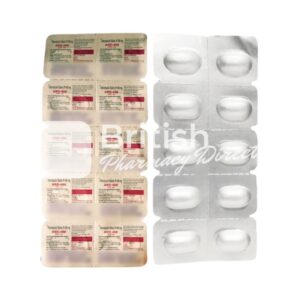
Albendazole
from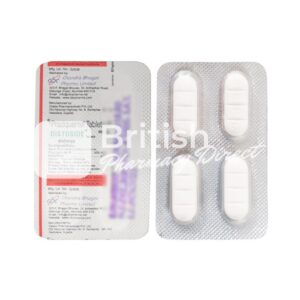
Biltricide
from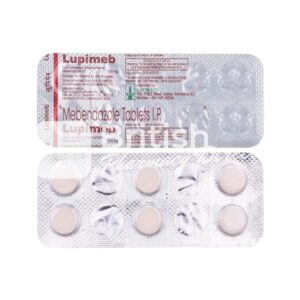
Mebendazole
from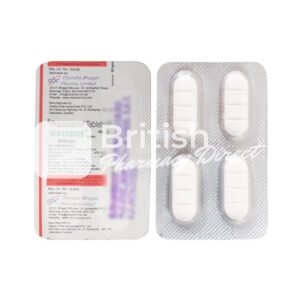
Praziquantel
from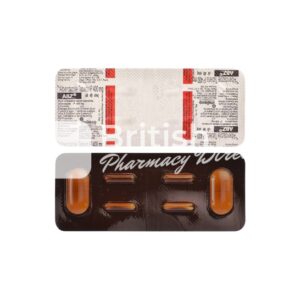
Zentel
fromUnderstanding Parasitic Infections
Parasitic infections affect millions of people worldwide and remain a significant health concern in the United Kingdom. These infections occur when parasites invade the body and multiply, causing various symptoms and health complications. Parasites are organisms that live on or inside a host organism and benefit from the host whilst causing harm. Common types of parasitic infections include those caused by roundworms, tapeworms, hookworms, and protozoa. Symptoms may range from mild digestive discomfort to severe complications depending on the type and severity of infection. Many parasitic infections can be prevented through proper hygiene, safe food preparation, and clean drinking water. However, when prevention fails, antiparasitic medications become essential for treatment. Understanding these infections helps individuals recognise symptoms early and seek appropriate medical intervention before complications develop.
Types of Parasitic Infections Treated in the UK
Intestinal Worm Infections
Intestinal worm infections are among the most common parasitic conditions treated in the United Kingdom. These infections typically result from ingesting contaminated food or water. Roundworms, tapeworms, and hookworms are the primary culprits. Symptoms include abdominal pain, diarrhoea, weight loss, and nutrient deficiencies. Children are particularly susceptible due to their exploratory nature and developing immune systems. Diagnosis usually involves stool samples and blood tests. Treatment requires specific antiparasitic medications tailored to the type of worm identified.
Protozoal Infections
Protozoal parasites cause infections like giardiasis and amoebiasis, which are less common in the UK but still require attention. These single-celled organisms typically spread through contaminated water supplies or poor sanitation. Symptoms include severe diarrhoea, abdominal cramping, and malabsorption issues. Travellers returning from endemic areas may develop these infections. Blood tests and stool examinations help identify the specific protozoa responsible. Antiparasitic treatment must target the specific organism causing infection.
Skin and External Parasites
Scabies and head lice represent common external parasitic infections in the United Kingdom. Scabies causes intense itching and characteristic skin burrows. Head lice affect school-age children and spread through direct contact. Both conditions respond well to topical antiparasitic treatments. Oral medications are sometimes recommended for severe cases or widespread infestations. Early detection and treatment prevent spread to family members and community contacts.
Available Antiparasitic Medications in the United Kingdom
Oral Antiparasitic Treatments
Several oral antiparasitic medications are available on prescription and over-the-counter in the UK. Mebendazole is a widely prescribed medication for roundworms, hookworms, and pinworms. This medication works by paralyzing the parasites, allowing the body to eliminate them naturally. Niclosamide is specifically effective against tapeworms and acts locally in the intestines. Albendazole provides broad-spectrum coverage against various worm types. Praziquantel targets trematode infections and certain tapeworms. Metronidazole treats protozoal infections, particularly giardia and amoebic dysentery. These medications typically require single or short-term doses for effectiveness.
Topical Antiparasitic Preparations
Topical treatments address external parasitic infections effectively. Permethrin cream is the standard treatment for scabies in the UK, applied to the entire body. Malathion lotion treats head lice and body lice through direct application. Benzyl benzoate offers an alternative for scabies treatment. These topical preparations require careful application according to instructions. Multiple applications may be necessary for complete eradication. Family members and close contacts often require simultaneous treatment to prevent reinfection.
Natural and Complementary Options
Some individuals prefer complementary approaches alongside conventional treatments. However, antiparasitic medications remain the most reliable and scientifically proven option. Certain herbal preparations claim antiparasitic properties, though evidence remains limited. Always consult healthcare professionals before combining treatments. Natural remedies should never replace prescribed antiparasitic medications for serious infections.
Using Antiparasitic Medications Safely
Dosage and Administration Guidelines
Correct dosage and administration ensure maximum treatment effectiveness and safety. Most antiparasitic medications require precise dosing based on body weight and age. Children receive different doses than adults, requiring careful calculation. Oral medications should be taken with or without food as specified. Some medications require single doses whilst others need multiple treatments over several days. Completing the full course of treatment is essential, even if symptoms resolve earlier. Never adjust doses without professional medical guidance.
Potential Side Effects and Interactions
Antiparasitic medications can cause side effects in some individuals. Common side effects include mild gastrointestinal disturbances, nausea, and headaches. Severe side effects are rare but may include allergic reactions or dizziness. Inform healthcare providers about existing medications, as interactions may occur. Pregnant women require specific antiparasitic medications considered safe during pregnancy. Breastfeeding mothers should discuss medication compatibility with their healthcare provider. Most side effects resolve quickly after treatment completion.
Contraindications and Precautions
Certain individuals should avoid specific antiparasitic medications. Those with severe liver or kidney disease require modified treatment approaches. Allergic reactions to antiparasitic compounds necessitate alternative medications. Seizure disorders may be complicated by some antiparasitic drugs. Pregnant women in the first trimester require careful medication selection. Always disclose complete medical history to healthcare providers before treatment begins.
Prevention and Hygiene Practices
Preventive Measures Against Parasitic Infections
Prevention is far more effective than treatment for parasitic infections. Practising good hand hygiene prevents ingestion of parasitic eggs and organisms. Thoroughly cooking meat and fish eliminates parasitic cysts. Drinking clean, treated water significantly reduces infection risk. Proper food storage and preparation prevent contamination. Maintaining clean household facilities stops parasitic spread. Regular handwashing before meals and after toilet use is fundamental. Teaching children about hygiene establishes lifelong protective habits.
Travel Precautions
Travellers to endemic areas require additional preventive measures. Key recommendations include:
- Avoid tap water and ice made from untreated water in high-risk regions
- Eat only cooked foods and avoid raw vegetables in areas with poor sanitation
- Purchase food from reputable vendors with proper hygiene standards
- Consider prophylactic antiparasitic treatments when visiting high-risk destinations
- Ensure travel insurance covers parasitic infection treatment
- Return to the UK with awareness of potential symptoms for early diagnosis
Environmental and Community Control
Communities benefit from coordinated sanitation improvements and health education. Proper sewage treatment prevents parasite spread through contaminated water. Clean water supplies are fundamental to parasitic infection prevention. School health programmes educate children about parasite prevention. Veterinary services prevent zoonotic parasitic infections. Community awareness campaigns reduce stigma surrounding parasitic infections. Public health initiatives continue improving parasite control in the UK.
When to Seek Medical Advice
Recognising symptoms requiring medical attention ensures timely treatment. Persistent diarrhoea lasting more than a few days warrants professional evaluation. Unexplained weight loss combined with digestive symptoms suggests parasitic infection. Severe abdominal pain and cramping require immediate medical assessment. Intense itching with visible skin changes necessitates healthcare provider consultation. Blood in stool or vomit indicates serious infection requiring urgent attention. Travel-related symptoms emerging weeks after returning to the UK should be discussed with healthcare professionals. Early diagnosis and treatment prevent complications and rapid recovery. Your GP can arrange appropriate testing and prescribe suitable antiparasitic medications based on identified parasites.