Albendazole
In brief
- Albendazole is a prescription-only medicine (POM) in the UK.
- Albendazole is used to treat worm infections such as ascariasis, hookworm, pinworm (enterobiasis), strongyloidiasis, taeniasis, and hydatid disease. It works as an anthelmintic benzimidazole that kills parasites by inhibiting their microtubule formation and blocking glucose uptake.
- The usual dose is 400 mg as a single dose for common intestinal worm infections; 400 mg once daily for 3 days for some infections; and 15 mg/kg/day in two divided doses for more serious tissue infections, up to a maximum of 800 mg daily.
- Albendazole is taken by mouth as a tablet, chewable tablet, or oral suspension.
- It usually starts working within a few hours after taking it, although the exact time depends on the type of infection being treated.
- The duration of action varies: a single dose may be enough for minor intestinal infections, while other infections may need 3-day courses or repeated treatment cycles over several weeks.
- Alcohol should be avoided or limited, as it may increase the risk of liver strain and worsen side effects, especially because albendazole can affect liver function.
- The most common side effects are nausea, vomiting, abdominal pain, diarrhoea, headache, and dizziness; it can also cause raised liver enzymes and, rarely, serious blood or liver problems.
- Would you like to try albendazole without a prescription?
Critical warnings and patient protection for UK patients
- Pregnancy or possible pregnancy: do not self-treat with albendazole.
Pregnancy, especially the first trimester, is an absolute contraindication because of teratogenicity risk. - Active liver disease: this is also an absolute contraindication.
Tell a GP or pharmacist first if you have hepatitis, raised liver enzymes, cirrhosis, or any ongoing liver problem. - Allergy history: avoid it if you have had hypersensitivity to albendazole or other benzimidazoles.
- Extra caution groups: liver impairment, cytopenias, breastfeeding, eye cysticercosis, children under 2, and frail older adults should only use it with medical advice.
- Driving and safety-critical work: dizziness, headache and nausea can happen, so be careful with driving, ladders, machinery, or safety-critical tasks if you feel unwell.
If you are pregnant, think you might be pregnant, or are trying for a baby, speak to a GP or pharmacist before taking anything for worms.
That applies even if symptoms seem mild.
In UK workplaces, the expectation is simple: do not continue working if a medicine leaves you impaired.
Stop and seek help if you develop: severe tummy pain, marked dizziness, vomiting that will not settle, yellowing of the eyes or skin, dark urine, unusual bruising or bleeding, a rash, breathlessness, or worsening neurological symptoms.
Q&A — Can I drive after taking albendazole in the UK? Only if you feel well and are not dizzy or unwell.
If you feel off colour, avoid driving and speak to a pharmacist or GP.
Basic albendazole information
- INN (international nonproprietary name): Albendazole
- Brand names available in the United Kingdom: Eskazole, Zentel
- ATC code: P02CA03
- Forms and dosages: Oral tablets, chewable tablets, and oral suspension in several strengths
- Registration status in the United Kingdom: Prescription-only medicine (POM)
- OTC / Rx classification: Prescription-only medicine (POM)
Albendazole is an anthelmintic, which means a medicine used against worms.
In plain English, it helps clear parasitic infections in the gut and in body tissues.
That is why patients may see it discussed for everything from simple threadworm to more serious infections that need specialist care.
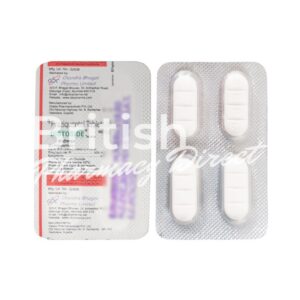
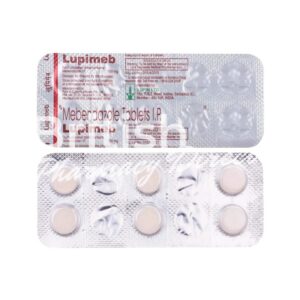
Pack sizes can vary, with blisters, foil packs, or small bottles for liquid products.
In the UK, albendazole is known under the brand names Eskazole and Zentel.
- Dosage forms: 200 mg and 400 mg tablets, chewable tablets, and oral suspension.
- Packaging: blisters, bottles, or foil packs.
Legal status and availability in the UK
In our online pharmacy, albendazole is available without a prescription, with discreet delivery to the United Kingdom in 9–21 days.
Who albendazole is used for and when it is not suitable
Is this the right worming treatment, or just the one people talk about online?
That is a fair question, because worm symptoms can look like ordinary stomach trouble.
Albendazole is used for ascariasis, trichuriasis, hookworm, enterobiasis, strongyloidiasis, taeniasis, hymenolepiasis, neurocysticercosis, and echinococcosis.
Some infections need a single dose.
Others need 3 days, or even repeated cycles over several weeks.
For common worm infections, the approach is often straightforward.
For tissue parasites, the plan is more complex and may include corticosteroids or antiepileptics, depending on the condition.
That is why it is not a medicine to guess at from a forum post or a quick social media search.
| Condition | Typical pattern | Duration |
|---|---|---|
| Ascariasis | Single dose | One day, repeat sometimes later |
| Enterobiasis | Single dose | One day, repeat sometimes later |
| Strongyloidiasis | Daily dosing | 3 days |
| Taeniasis | Daily dosing | 3 days |
| Neurocysticercosis | Specialist regimen | 8-30 days |
| Echinococcosis | Specialist cycles | Multiple courses |
- Seek medical assessment if symptoms are persistent, severe, or unusual.
- Seek help if there is weight loss, blood in the stool, fever, or significant abdominal pain.
- Seek help if you have travelled, have a pet exposure concern, or symptoms do not fit a simple worm picture.
- Off-label use exists, but it needs specialist input rather than self-diagnosis.
Standard dosing guide for adults and older children
How much should you take, and is it the same for everyone?
Not quite.
For several common helminths, adults and children over 2 years usually use 400 mg as a single dose.
Other infections need 400 mg once daily for 3 days, while tissue infections use weight-based dosing up to 800 mg daily.
| Indication | Typical dose | Duration | Notes |
|---|---|---|---|
| Ascariasis, trichuriasis, hookworm, enterobiasis | 400 mg | Single dose | May be repeated in 2-3 weeks if needed |
| Strongyloidiasis, taeniasis | 400 mg once daily | 3 days | Follow prescriber advice |
| Hymenolepiasis | 400 mg once daily | 3 days | May repeat after 3 weeks if needed |
| Neurocysticercosis | 15 mg/kg/day, max 800 mg | 8-30 days | In 2 divided doses with specialist medicines |
| Echinococcosis | 15 mg/kg/day, max 800 mg | 28 days per course | Usually 3 cycles with intervals |
- Tablets and albendazole suspension may be used depending on swallowing ability and local product format.
- Repeat dosing after 2-3 weeks may be needed for some infections.
- Take it exactly as prescribed, even if symptoms improve quickly.
Q&A — What if I miss a dose? Take it when remembered unless the next dose is due soon.
Do not double up.
If you are unsure, ask a pharmacist or prescriber.
Dose adjustments, frailty and liver monitoring
Do older adults need a different dose?
Usually, no specific adjustment is needed for the elderly, but liver function deserves attention.
Children over 2 years generally use adult doses.
For under 2 years, safety and efficacy are not established, so treatment should not be started casually.
| Population | Consideration |
|---|---|
| Children over 2 years | Usually same as adults |
| Children under 2 years | Safety and efficacy not established |
| Elderly | No specific adjustment, monitor hepatic function |
| Renal impairment | Usually no adjustment, limited data in severe cases |
- Active liver disease is a contraindication.
- Longer courses may need liver function tests.
- Rare blood count problems such as leucopenia or pancytopenia need urgent review.
- Any unexpected weakness, fever, bruising, or jaundice should be checked promptly.
How albendazole works in the body
What actually happens after the tablet goes down?
Albendazole is a benzimidazole anthelmintic.
In simple terms, it interferes with the parasite’s energy handling, so the worm cannot survive or function properly.
That is why it is used against gastrointestinal and tissue parasites rather than ordinary bacterial infections.
Mini glossary
- Systemic absorption: how much of the medicine gets into the body from the gut.
- Tissue parasites: parasites living beyond the bowel, such as in body tissues.
- Fatty meals: may increase absorption in some situations, depending on formulation and prescriber advice.
That last point is one reason dosing advice should come from a pharmacist or prescriber, not from a random internet post.
Different regimens are chosen for different infections and different products.
Side effects, warnings and when to seek urgent help
Will you feel unwell on it?
Many people tolerate albendazole well, but side effects can happen.
The most common are nausea, vomiting, abdominal pain, diarrhoea, headache, dizziness, fever, reversible hair loss, and raised transaminases.
| Common effects | Less common or more serious effects |
|---|---|
| Nausea | Raised liver enzymes |
| Vomiting | Reversible hair loss |
| Abdominal pain | Blood dyscrasias |
| Diarrhoea | Severe hepatic injury |
| Headache and dizziness | Neurological worsening in specialist infections |
- Seek urgent medical help for jaundice, dark urine, severe fatigue, bleeding, bruising, rash, breathlessness, or neurological worsening.
- Rare but serious blood dyscrasias and liver injury need immediate assessment.
- If side effects are mild and settle, a pharmacist can advise on next steps.
Q&A — Is mild stomach upset normal? Yes, mild gastrointestinal effects can happen.
Persistent or severe symptoms should be reviewed by a pharmacist or GP.
Food, drink and medicine interactions
Should you avoid certain foods or a Friday-night drink?
Normal UK meals are usually not a problem, but alcohol is best avoided or limited during treatment because of the extra liver burden, especially for longer courses.
Take the medicine exactly as prescribed and do not assume more is better.
| Medicine | Why it matters | Action |
|---|---|---|
| Medicines affecting the liver | May increase liver strain | Tell the prescriber or pharmacist |
| Medicines affecting blood counts | May add to rare blood dyscrasia risk | Seek advice before use |
| Anticonvulsants in specialist regimens | Used alongside treatment in some conditions | Only with specialist supervision |
- Limit alcohol, especially if the course is longer than one day.
- Report suspected side effects through the Yellow Card scheme.
- Ask about every regular medicine, including over-the-counter products and supplements.
Alternatives and comparator medicines
Is albendazole always the best choice?
Not always.
The right medicine depends on the parasite, the site of infection, and the person taking it.
Common alternatives include mebendazole, ivermectin for some helminths, and praziquantel for tapeworms and flukes.
| Medicine | Common use | Main point |
|---|---|---|
| Mebendazole | Some worm infections | Often used for intestinal worms |
| Ivermectin | Some helminths | Used in selected infections only |
| Praziquantel | Tapeworms and flukes | Different parasite coverage |
- Albendazole is on the WHO Essential Medicines List.
- It is used in mass deworming campaigns.
- Convenience, spectrum, and prescription access all matter.
- Side-effect profile and clinical suitability matter more than brand familiarity.
Regulation and supply in the UK
Albendazole is a prescription-only medicine (POM) in the UK.
Electronic prescriptions are a normal part of UK pharmacy work.
A pharmacist may confirm identity, check the intended dose, review warnings, and ask whether the medicine is for a child, an adult, or a family member.
That extra step often stops avoidable mistakes before they happen.
Storage, transport and handling at home
Where should you keep it once it arrives?
Room temperature storage is best, between 15 and 30°C.
Keep it tightly closed, protected from light and moisture, and in the original packaging during transport.
- Do not freeze albendazole.
- Avoid damp bathrooms and steamy kitchens.
- Keep it out of reach of children.
- Check the expiry date before use.
Those simple steps help protect both tablets and liquid products such as albendazole suspension.
Correct use, counselling points and adherence support
How should a pharmacist explain it at the counter?
The conversation should cover what it treats, how long to take it, whether a repeat dose is needed, and when to come back for help.
It should also cover whether the patient has tablets, chewable tablets, or liquid, because swallowing ability matters.
- Explain the infection being treated in plain English.
- Confirm the dose, duration, and any repeat course.
- Check if the patient can swallow tablets or needs suspension.
- Warn about dizziness, nausea, and when to stop and seek help.
For suspected pinworms, hand hygiene, washing bedding, and household advice may matter just as much as the tablet itself.
If the prescriber advises family treatment, it should be done together.
Longer courses must be completed exactly as prescribed.
Important warning: Do not use veterinary products such as Valbazen for human treatment.
Delivery across the United Kingdom
| City | Region | Delivery time |
|---|---|---|
| London | England | 9–21 days |
| Birmingham | England | 9–21 days |
| Manchester | England | 9–21 days |
| Leeds | England | 9–21 days |
| Glasgow | Scotland | 9–21 days |
| Edinburgh | Scotland | 9–21 days |
| Liverpool | England | 9–21 days |
| Bristol | England | 9–21 days |
| Cardiff | Wales | 9–21 days |
| Belfast | Northern Ireland | 9–21 days |
| Sheffield | England | 9–21 days |
| Newcastle upon Tyne | England | 9–21 days |
| Nottingham | England | 9–21 days |
| Leicester | England | 9–21 days |
| Aberdeen | Scotland | 9–21 days |