
Antibacterial
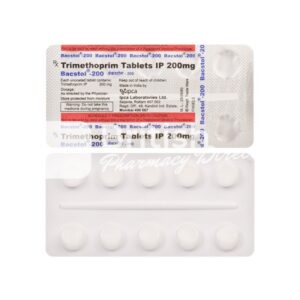
Bactrim
from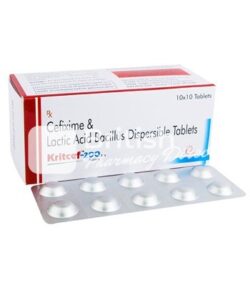
Cefixime
from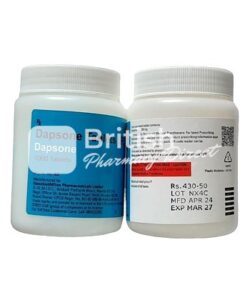
Dapsone
from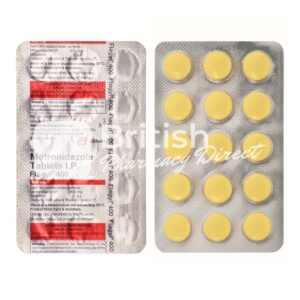
Flagyl
from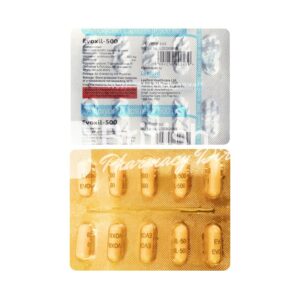
Levofloxacin
from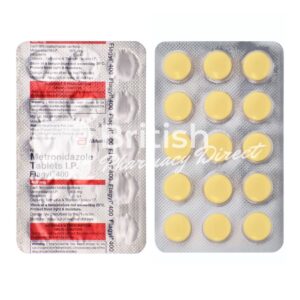
Metronidazole
from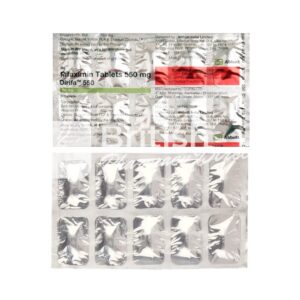
Rifaximin
from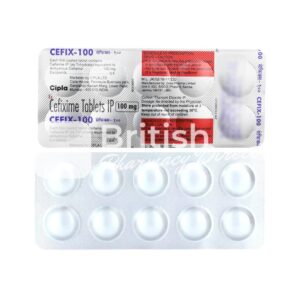
Suprax
from
Xifaxanta
fromUnderstanding Antibacterial Products
Antibacterial products are specially formulated to kill or inhibit the growth of harmful bacteria on skin and surfaces. These products contain active ingredients designed to prevent bacterial infections and maintain proper hygiene. Understanding the difference between antibacterial and antiseptic solutions is important when choosing the right product for your needs. Antibacterial items work by disrupting bacterial cell walls or interfering with their metabolic processes. They are widely used in households, hospitals, and healthcare settings across the United Kingdom. The effectiveness of antibacterial products depends on their active ingredients, concentration, and proper application methods. Regular use of appropriate antibacterial products can significantly reduce the risk of common infections and cross-contamination.
Active Ingredients in Antibacterial Products
The most common active ingredients include triclosan, triclocarban, and benzalkonium chloride. These substances have been rigorously tested and approved by UK health authorities. Natural alternatives like tea tree oil and eucalyptus extract are also gaining popularity. Each ingredient has specific properties that make it effective against different types of bacteria. Understanding these components helps you choose the most suitable product for your situation.
Antibacterial Soaps and Hand Washes
Antibacterial hand soaps are among the most popular products in UK pharmacies and supermarkets. These products are essential for maintaining hand hygiene, particularly during illness season or when handling food. Regular antibacterial hand washing removes harmful bacteria that can cause common illnesses. Many people prefer antibacterial soaps because they provide extra protection compared to regular soaps.
Available products include:
- Dettol Antibacterial Handwash – a trusted brand in British households
- Lifebuoy Antibacterial Soap – solid bar options for those preferring traditional soap formats
- Safeguard Antibacterial Liquid Hand Soap – widely available in UK pharmacies
Choosing the Right Hand Soap
Consider your skin type when selecting an antibacterial hand wash. Sensitive skin may require gentler formulations with moisturising ingredients. Fragrance preferences vary, with options ranging from fresh citrus to floral scents. Many antibacterial soaps now include emollients to prevent skin dryness from frequent washing. Look for products that balance antibacterial effectiveness with skin care benefits. The NHS recommends using antibacterial soap alongside proper hand washing techniques for maximum protection.
Antibacterial Creams and Topical Solutions
Antibacterial creams and topical solutions are designed for treating minor cuts, grazes, and wound care. These products help prevent infection whilst allowing wounds to heal naturally. They are available in various strengths and formulations to suit different needs. Popular options available in UK pharmacies include Savlon Antiseptic Cream, which is popular for minor injuries and contains chlorhexidine gluconate, Fucidin Cream containing fusidic acid for bacterial skin infections, Neosporin Antibacterial Ointment providing multi-action protection for cuts and minor wounds, and Germolene Antiseptic Cream offering pain relief alongside antibacterial protection.
Application and Safety
Always clean wounds properly before applying antibacterial cream. Wash the affected area with clean water and pat dry gently. Apply a thin layer of cream directly to the wound. Cover with a sterile dressing if necessary to prevent contamination. Consult a healthcare professional if the wound shows signs of infection or does not improve within a few days. Keep creams out of reach of children and follow packaging instructions carefully.
Antibacterial Surface Cleaners and Disinfectants
Antibacterial surface cleaners help maintain a hygienic home and workplace environment. These products are essential in kitchens, bathrooms, and areas where bacteria can spread easily. They come in various forms including sprays, wipes, and concentrated solutions. Dettol Antibacterial Surface Cleaner is one of the most recognised brands in the UK. Lysol Disinfectant Spray kills ninety-nine percent of viruses and bacteria on hard surfaces. Flash Antibacterial Multi-Surface Wipes offer convenient cleaning for busy households. Zoflora Concentrated Disinfectant can be diluted for use on multiple surfaces.
Effective Surface Cleaning Practices
Regular surface cleaning reduces bacterial contamination in your home. Focus on high-touch areas like door handles, light switches, and kitchen counters. Follow product instructions for proper dilution and contact time. Allow surfaces to air dry for optimal antibacterial effectiveness. Use surface cleaners in well-ventilated areas to avoid inhaling fumes. Different surfaces may require different products, so check compatibility before use.
Antibacterial Body Washes and Shower Products
Antibacterial body washes provide whole-body protection whilst maintaining skin health. These products are suitable for daily use by most people in the UK. They combine cleansing with antibacterial protection for complete body hygiene. Popular products include:
- Dettol Antibacterial Body Wash – formulated with moisturising agents for skin care
- Radox Antibacterial Body Wash – available in various therapeutic scents
- Carex Antibacterial Handwash and Body Wash – dual-purpose protection
- Johnson’s Antibacterial Body Wash – designed for sensitive skin types
Benefits of Regular Use
Daily antibacterial body wash use helps prevent skin infections and promotes overall hygiene. These products are particularly beneficial during cold and flu season. They reduce the transmission of bacteria that cause common skin conditions. Many formulations include additional skin-care ingredients like aloe vera or vitamin E. Choose products with moisturising properties if you have dry skin. The pleasant fragrances in body washes make daily hygiene routines more enjoyable.
When to Use Antibacterial Products and Expert Advice
Knowing when to use antibacterial products ensures maximum benefits and safety. Use antibacterial hand soaps when handling food, after using the toilet, and before eating. Apply topical antibacterial creams immediately after minor injuries. Clean surfaces with antibacterial disinfectants regularly, particularly in kitchens and bathrooms. During illness outbreaks, increase antibacterial product use throughout your home. However, overuse of antibacterial products may contribute to antibiotic resistance, so follow recommendations carefully. The NHS advises that regular soap and water is often sufficient for daily hand washing.
Professional Recommendations
Pharmacists across the UK recommend choosing products suited to your specific needs. Those with sensitive skin should select gentle antibacterial formulations. Pregnant women should consult healthcare providers before using certain antibacterial products. People with compromised immune systems may benefit from stronger antibacterial protection. Always read product labels and follow usage instructions carefully. If you experience skin irritation or allergic reactions, discontinue use and seek medical advice. Consulting your local pharmacy team ensures you select the most appropriate antibacterial products for your situation.