Levofloxacin
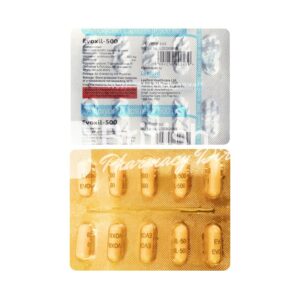
In brief
- Levofloxacin is classified as prescription‑only in all major markets (FDA, EMA, Japan, etc.); however, availability varies by jurisdiction and some pharmacies may dispense it without a prescription — buying or using it without medical supervision can be illegal and unsafe.
- Levofloxacin is used to treat respiratory, urinary, skin/soft‑tissue and intra‑abdominal infections (eg community‑acquired pneumonia, complicated urinary tract infections, pyelonephritis, sinusitis, prostatitis); it is a fluoroquinolone antibiotic that inhibits bacterial DNA gyrase and topoisomerase IV, preventing DNA replication.
- Usual adult dosage is commonly 500 mg once daily (range 250–750 mg once daily depending on the indication): 500 mg OD for sinusitis/bronchitis/skin infections, 750 mg OD for some cases of pyelonephritis (short course), prostatitis often 500 mg OD for up to 28 days; adjust for renal impairment.
- Forms and administration: tablets (250/500/750 mg), oral solution (available in some markets), intravenous infusions (eg 500 mg/100 mL, 750 mg/150 mL) and ophthalmic drops (0.5%); administered orally, intravenously or topically for eye infections.
- Onset time: antibacterial activity begins within hours of dosing; many patients notice clinical improvement within 24–48 hours, although this depends on the infection and its severity.
- Duration of action: effective drug concentrations are maintained for about 24 hours (half‑life roughly 6–8 hours), which is why once‑daily dosing is used; total treatment duration depends on the indication (typically 5–28 days).
- Alcohol warning: avoid excessive alcohol while taking levofloxacin, as alcohol can increase dizziness, impair recovery and worsen certain side effects.
- The most common side effects are gastrointestinal upset (nausea, diarrhoea) and headache; important serious risks include tendonitis/tendon rupture, CNS effects (eg seizures, confusion), QT prolongation and photosensitivity.
- Would you like to try levofloxacin without a prescription?
Basic Levofloxacin Information
- INN (International Nonproprietary Name): Levofloxacin.
- Brand Names Available In United Kingdom: Tavanic (Sanofi) marketed widely in Europe and multiple generics; other global brands include Cravit and Levaquin but UK supply is predominantly generic or Tavanic.
- ATC Code: J01MA12.
- Forms & Dosages: Tablets 250 mg, 500 mg, 750 mg; oral solution (rare); IV infusions (500 mg/100 mL, 750 mg/150 mL); ophthalmic solutions (0.5% eye drops).
- Manufacturers In United Kingdom: Not specified.
- Registration Status In United Kingdom: Not specified.
- OTC / Rx Classification: Prescription only medicine (POM/Rx) in major markets; no OTC supply authorised.
Critical Warnings & Restrictions (Safety First)
High‑Risk Groups (Elderly, Pregnancy, Chronic Illness)
Who should not be prescribed levofloxacin without clinician review?
- Known allergy to levofloxacin or other quinolones, or prior quinolone‑related tendon disorder — absolute contraindication.
- Children and adolescents, unless a specialist decides — growth‑cartilage risk applies.
- Pregnancy or breastfeeding — generally avoided unless benefit clearly outweighs risk.
- Existing seizure disorder, known QT prolongation, electrolyte imbalance, or severe renal impairment — dose adjustment or avoidance may be required.
Prescriber Checklist Before Issuing A Prescription.
- Confirm absence of quinolone allergy and prior tendon reactions.
- Check age and confirm specialist approval for paediatric cases.
- Verify pregnancy and breastfeeding status.
- Review ECG history, seizure history and current electrolyte results if available.
- Assess renal function and calculate creatinine clearance for dosing.
Interaction With Activities (Driving, Workplace Safety Under UK Law)
Levofloxacin can cause dizziness, visual disturbance, insomnia and other central nervous system effects.
If these symptoms occur, patients must not drive or operate machinery until they have fully resolved.
Record any counselling about driving and safety in the patient counselling notes.
Report serious adverse events via the MHRA Yellow Card scheme.
Patient Advice Checklist.
- Avoid driving or using machinery if you feel dizzy, faint, confused, or have visual changes.
- Avoid heavy manual work or tasks requiring balance until symptom‑free.
- Stop the medicine and seek urgent advice for seizures, fainting, or sudden severe dizziness.
- Report suspected serious side effects using the Yellow Card or discuss with your GP or pharmacist.
Q&A — “Can I Drive After Taking It In The UK?”
Short answer: Only if you feel safe to do so and are free of neurological side effects.
If you experience dizziness, visual changes, fainting, seizures or new confusion while taking levofloxacin, do not drive and seek medical advice promptly.
A single brief episode that resolves normally does not usually require notifying the DVLA, but long‑term or recurring neurological problems should be discussed with your GP and may need formal assessment.
If a side effect affects your ability to control a vehicle, stop driving immediately and contact your prescriber or NHS 111 for next steps.
Document any episode in your medication record and consider reporting it via the MHRA Yellow Card scheme if it is severe or unexpected.
Usage Basics
INN, Brand Names Available In The UK
Patients often ask which name will appear on the label.
| INN | Common Brand Names | Typical Manufacturer |
|---|---|---|
| Levofloxacin | Tavanic | Sanofi (Europe) |
| Levofloxacin | Generic Levofloxacin | Multiple manufacturers |
| Levofloxacin | Levaquin (not commonly UK) | Janssen (North America) |
Legal Classification (POM, P, GSL)
Levofloxacin is a prescription‑only medicine (POM/Rx) in the major markets listed in regulatory data.
Pharmacists must confirm a valid prescription before supply and provide appropriate counselling, checking interactions and renal dosing.
Electronic prescriptions and NHS e‑prescribing systems are commonly used for POM handling.
Verification Checklist For Pharmacists.
- Confirm valid POM and prescriber details.
- Check patient identity and medication history for interactions.
- Confirm pregnancy/breastfeeding status where appropriate.
- Provide counselling on dose, interactions and side effects.
SEO note: ensure content naturally includes phrases such as levofloxacin 500mg, levofloxacin tablets, and Tavanic UK for users searching product and safety information.
Dosing Guide
Standard Regimens (NHS Guidelines)
Below are typical adult regimens used in practice; local formularies and NICE guidance may favour alternatives for some infections.
| Indication | Typical Dose | Usual Duration |
|---|---|---|
| Acute Sinusitis | 500 mg Once Daily | 10–14 Days |
| Community‑Acquired Pneumonia | 500–750 mg Once Daily | 7–14 Days |
| Chronic Bronchitis | 500 mg Once Daily | 7 Days |
| Complicated UTI | 500 mg Once Daily | 7–14 Days |
| Pyelonephritis | 750 mg Once Daily | 5 Days |
| Skin/Soft Tissue Infection | 500 mg Once Daily | 7–14 Days |
| Prostatitis | 500 mg Once Daily | Up To 28 Days |
| Complicated Intra‑Abdominal | 500 mg Once Daily | 7–14 Days |
Adjustments For Comorbidities
Renal function is the main driver of dose adjustment for levofloxacin.
Use the following mini algorithm to guide dosing when creatinine clearance is known.
- If CrCl 20–49 mL/min: give 500 mg once, then 250 mg once daily.
- If CrCl <20 mL/min: give 500 mg once, then 250 mg every 48 hours.
- Children: not routinely indicated; specialist dosing only for severe cases.
- Elderly: adjust based on renal function rather than age alone.
Q&A — “What If I Miss A Dose?”
Take the missed dose as soon as you remember unless it is almost time for the next scheduled dose.
Do not double up or take extra tablets to make up for missed doses as this can increase side‑effect risk.
If several doses are missed or you are unsure, phone your prescriber or pharmacist for specific advice rather than guessing.
Finish the prescribed course unless a clinician advises otherwise, because stopping early can allow the infection to persist and encourage resistance.
If you experience unusual symptoms after taking an extra dose by mistake, seek urgent medical attention, particularly if you develop palpitations, severe dizziness or neurological symptoms.
Interaction Chart
Food And Drinks
Some common food and drink interactions reduce absorption or increase side effects.
- Divalent and trivalent cations such as calcium, magnesium, iron and aluminium reduce oral absorption; separate doses by 2–4 hours.
- Dairy and calcium‑fortified drinks can interfere with absorption; take levofloxacin with plain water rather than immediately with milk or fortified drinks.
- Alcohol is not directly contraindicated but may increase the risk of CNS effects such as dizziness or drowsiness; advise caution.
Patient Leaflet — What To Avoid.
- Do not take antacids, iron supplements or calcium tablets within two to four hours of levofloxacin.
- Avoid alcohol if you experience dizziness, drowsiness or poor coordination while on treatment.
Common Drug Conflicts (MHRA Yellow Card Data)
| Drug | Risk | Action |
|---|---|---|
| Warfarin and Other Anticoagulants | Altered INR and bleeding risk | Monitor INR closely and adjust dose as needed. |
| QT‑Prolonging Medicines (Amiodarone, Sotalol, Certain Antipsychotics) | Additive QT prolongation and arrhythmia risk | Avoid combination where possible and check ECG if necessary. |
| NSAIDs | May increase CNS stimulation and seizure risk | Use with caution; consider alternatives for pain management. |
| Antacids / Iron / Sucralfate | Reduced oral absorption of levofloxacin | Separate dosing by 2–4 hours to preserve efficacy. |
Pharmacists should check medicine records and refer to the prescriber if potentially interacting medicines are present.
User Reports & Trends
What real patients are searching and saying online matters for counselling and SEO.
- Many patients report rapid symptom relief for respiratory and urinary infections, particularly when the bug is susceptible.
- Gastrointestinal upset such as nausea and diarrhoea, plus headaches and insomnia, are commonly mentioned across patient forums and information sites.
- Several reports describe tendon pain or joint problems that began during or weeks after therapy; patients are urged to report tendon symptoms immediately.
- Public concern over serious but rare effects has reduced routine use and increased searches for terms like tendon rupture and safety in pregnancy.
| Reported Issue | Frequency (Qualitative) | Action Recommended |
|---|---|---|
| Gastrointestinal Upset | Common | Advise symptomatic care; stop if severe and seek review. |
| Tendon Pain/Tendinopathy | Uncommon but Clinically Significant | Stop drug, avoid exercise, seek urgent medical review. |
| CNS Effects (Dizziness, Confusion) | Uncommon | Avoid driving; report via Yellow Card if severe. |
Stewardship and regulatory safety updates have resulted in more selective prescribing in UK primary and secondary care.
Access & Purchase Options
Boots, LloydsPharmacy, Superdrug
Major pharmacy chains dispense levofloxacin only on presentation of a valid prescription.
Pharmacists are required to check the prescription and provide counselling on dose, interactions and safety.
In‑person Verification Checklist For Pharmacies.
- Confirm valid POM with prescriber details and date.
- Check patient medicine history and pregnancy status as needed.
- Provide counselling and document any safety advice given.
Private prescriptions are accepted but incur private dispensing fees.
Online Pharmacies And NHS E‑Prescriptions
NHS electronic prescribing and private e‑prescription services are commonly used to transfer POMs to community pharmacies.
Ensure any online pharmacy is GPhC‑registered and requires a valid prescription before supply.
Safe Online Purchase Checklist.
- GPhC registration number and UK contact details visible.
- Requirement for a scanned or transmitted valid prescription.
- Pharmacist counselling offered by phone or video before supply.
Warning: avoid rogue sellers offering levofloxacin without a prescription.
In our online pharmacy, levofloxacin is available without a prescription, with discreet delivery to United Kingdom in 5‑14 days.
Mechanism & Pharmacology
Simplified Explanation
Levofloxacin is a fluoroquinolone antibacterial with ATC code J01MA12.
It is bactericidal because it inhibits bacterial DNA gyrase and topoisomerase IV, preventing DNA replication and repair.
This mechanism makes levofloxacin effective against a broad range of Gram‑negative organisms and some Gram‑positive bacteria.
Clinical Terms
Key pharmacokinetic points are straightforward for counselling.
- Bioavailability: levofloxacin has good oral bioavailability comparable to IV dosing.
- Renal Clearance: the drug is predominantly eliminated by the kidneys, hence renal dose adjustment.
- Forms: tablets 250/500/750 mg, oral solution (rare), IV infusions and ophthalmic drops.
Indications & Off‑Label Uses
MHRA‑Approved Uses
The following indications reflect common approved clinical uses and typical dosing.
| Indication | Typical Dose | Usual Duration |
|---|---|---|
| Community‑Acquired Pneumonia | 500–750 mg Once Daily | 7–14 Days |
| Acute Sinusitis | 500 mg Once Daily | 10–14 Days |
| Complicated UTI / Pyelonephritis | 500–750 mg Once Daily | 5–14 Days |
| Skin And Soft Tissue Infections | 500 mg Once Daily | 7–14 Days |
| Prostatitis | 500 mg Once Daily | Up To 28 Days |
| Complicated Intra‑Abdominal Infection | 500 mg Once Daily | 7–14 Days |
Duration and dose may vary by severity and local guideline recommendation.
Off‑Label Practices In NHS And Private Care
Off‑label uses are limited and require specialist justification and documentation.
- Selected paediatric use in severe systemic infections under specialist care.
- Cultured, resistant organisms where alternative agents are unsuitable.
- Off‑label prescribing should be documented with a clear rationale and informed consent.
Key Clinical Findings
Regulatory and clinical safety reviews have emphasised restricting fluoroquinolones because of rare but serious adverse events.
Reported serious effects include tendinopathy and tendon rupture, CNS effects and QT prolongation, which have shaped stewardship guidance.
Efficacy data show levofloxacin is effective and often non‑inferior to comparators for pneumonia and complicated urinary infections, but safety considerations limit routine use.
| Benefit | Risk | Clinical Note |
|---|---|---|
| Broad Spectrum Efficacy | Tendinopathy, CNS Events | Reserve for appropriate indications and review therapy at 48–72 hours. |
| Good Oral Bioavailability | QT Prolongation in Susceptible Patients | Check ECG and medicines that prolong QT before use. |
Refer to NICE and MHRA guidance and local Trust formularies for detailed evidence and prescribing limits.
Alternatives Matrix
NHS Prescribing Alternatives (Comparison Table)
| Agent | Typical Indication | Key Advantages | Key Disadvantages |
|---|---|---|---|
| Ciprofloxacin | Gram‑negative UTIs | Strong Gram‑negative activity | Same class risks: tendons, CNS effects |
| Moxifloxacin | Respiratory Infections | Good respiratory coverage | Greater QT risk; poorer urinary excretion |
| Amoxicillin/Clavulanate | Chest and ENT Infections | Established first‑line for many infections | Less active against resistant Gram‑negatives |
| Doxycycline | Atypical Chest Infections | Useful where atypical pathogens are suspected | Not ideal for severe Gram‑negative sepsis |
Prescriber Checklist For Choosing An Alternative.
- Consider likely pathogen and local susceptibility.
- Check patient comorbidities including pregnancy status and tendon history.
- Review interaction profile and renal function before selecting an agent.
Pros And Cons Checklist
- Choose an alternative in pregnancy, prior tendon reactions, seizure disorders or high QT risk.
- Prefer narrower spectrum options where possible to support stewardship.
- Document the clinical reason when a fluoroquinolone is used as second‑line or for resistant organisms.
Common Questions (Patient‑Facing Mini FAQs)
- Will levofloxacin cause tendon rupture? Rare but serious; report any tendon pain, swelling or difficulty using a limb immediately and stop activity.
- Is it safe in pregnancy or breastfeeding? Generally avoided; only used if essential after a benefit/risk discussion with your prescriber.
- How soon will I feel better? Many patients see improvement within 48–72 hours for susceptible infections; complete the full course unless advised otherwise.
- What to do with missed doses or overdose? Missed: take when remembered but do not double up; Overdose: seek emergency care because of risks including QT changes and seizures.
NHS Cost & Access Comparison Table
Prescriptions for POMs carry charges in England unless the patient is exempt, whereas Scotland, Wales and Northern Ireland have different prescription charging rules.
| Source / Pharmacy | Typical Retail Price (Private) | NHS Prescription Charge (England) | Exemption Status | Notes |
|---|---|---|---|---|
| Community Pharmacy (Chain) | Varies by brand/generic | Standard NHS charge applies if prescribed in England | Exemptions apply (e.g. age, low income, certain conditions) | Generic tablets usually modest per pack. |
| Online Pharmacy (Registered) | Varies, may include dispensing fee | Depends on prescription handling | Same exemptions apply | Check GPhC registration and delivery options. |
| Hospital Supply | Usually supplied within inpatient care | Not applicable | Not applicable | IV supplies handled via Trust formularies and SOPs. |
Checklist For Patients Before Collection.
- Check eligibility for NHS prescription exemption.
- Bring a valid prescription and ID if requested by the pharmacy.
- Consider pharmacy delivery if mobility or isolation is an issue.
Registration & Regulation
MHRA Approval Process
Levofloxacin is authorised as a prescription medicine and marketing approvals and safety updates are issued by regulatory authorities when new data emerge.
Clinicians and pharmacists should consult MHRA guidance and report adverse reactions using the Yellow Card scheme.
NHS Prescribing Framework
Antimicrobial stewardship requires prescribers to follow local Trust formularies and NICE guidance where applicable.
Record the indication on the prescription and review therapy at 48–72 hours to stop or de‑escalate where appropriate.
Pharmacist/Prescriber Checklist For Safe Prescribing.
- Ensure the indication is correct and documented on the prescription.
- Confirm dose and renal adjustment where required.
- Check for interacting medicines and provide counselling on safety and Yellow Card reporting.
Storage & Handling
UK Household Storage (Cold/Damp Climate)
Store tablets at 15–30°C and avoid moisture and strong light.
Do not refrigerate solid oral tablets and keep the medicine in its original packaging while in household storage.
- Keep medicines out of reach and sight of children.
- Avoid storing tablets in bathrooms or near sinks where humidity is high.
- Follow product label instructions for IV and ophthalmic preparations which may differ.
Guidance From NHS And Pharmacists
Return unused or expired medicines to your pharmacy for safe disposal.
Hospital IV stock should follow the Trust’s pharmaceutical SOPs for storage and cold chain as required.
- Expiry: do not use past the printed date on the packaging.
- Batch: useful to report when reporting adverse events.
- Storage Temp: observe label instructions for specific formulations.
Guidelines For Proper Use (Patient Safety Emphasis)
UK Pharmacist Counselling Style
Counselling is brief, clear and focused on safety, interactions and red flags.
- Confirm the indication and authenticity of the prescription.
- Explain the dosing schedule and the need to separate from antacids, iron and calcium supplements.
- Warn about tendon pain, central nervous system effects and photosensitivity and advise immediate action if these occur.
- Advise on driving and machinery if side effects occur and provide Yellow Card reporting details.
NHS Patient Safety Advice
Encourage patients to complete the prescribed course unless told otherwise, and to seek urgent review for red flags.
Red flags include severe allergic reaction, sudden tendon pain or swelling, chest pain or palpitations and new seizure activity.
Provide clear contact options: GP, NHS 111, or emergency services depending on symptom severity.
Delivery Across United Kingdom
| City | Region | Delivery time |
|---|---|---|
| London | England | 5–7 days |
| Birmingham | England | 5–7 days |
| Manchester | England | 5–7 days |
| Glasgow | Scotland | 5–7 days |
| Leeds | England | 5–7 days |
| Liverpool | England | 5–7 days |
| Bristol | England | 5–7 days |
| Sheffield | England | 5–7 days |
| Edinburgh | Scotland | 5–7 days |
| Leicester | England | 5–9 days |
| Coventry | England | 5–9 days |
| Kingston Upon Hull | England | 5–9 days |
| Bradford | England | 5–9 days |
| Belfast | Northern Ireland | 5–9 days |
| Cardiff | Wales | 5–9 days |