
Antiallergic
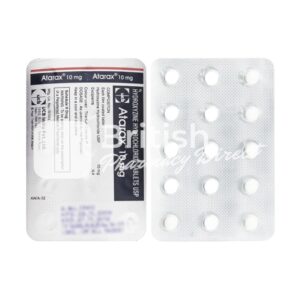
Atarax
from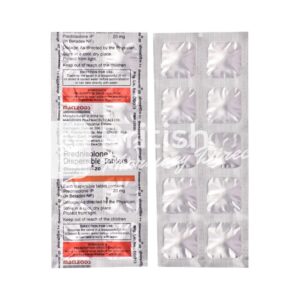
Deltacortril
from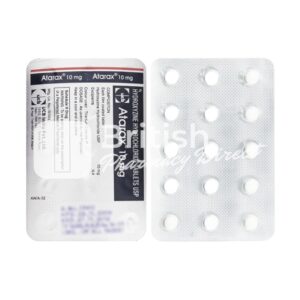
Hydroxyzine
from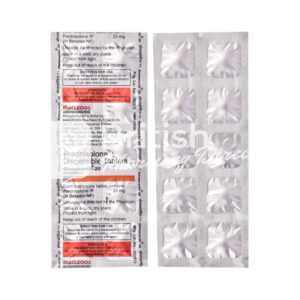
Prednisolone
fromUnderstanding Allergies and Antiallergic Medications
Allergies affect millions of people across the United Kingdom every year, causing discomfort and disrupting daily life. When your immune system reacts to a harmless substance—such as pollen, dust mites, pet dander, or certain foods—it releases chemicals like histamine, triggering allergic reactions. These reactions can manifest as sneezing, itching, runny nose, watery eyes, skin rashes, and in severe cases, anaphylaxis.
Antiallergic medications work by preventing or reducing these immune responses. They help block histamine release, reduce inflammation, and provide relief from allergic symptoms. Understanding how these medications work can help you choose the right treatment for your specific allergies.
There are several types of antiallergic medicines available in the UK, each designed to address different aspects of allergic reactions. Some work quickly for immediate relief, whilst others are designed for long-term symptom management. The choice depends on the severity of your allergies, how often symptoms occur, and your personal health circumstances.
Antihistamines: The Most Common Treatment
Antihistamines are the most widely used antiallergic medications in the United Kingdom. They work by blocking histamine receptors in your body, preventing histamine from triggering allergic symptoms. There are two main types: sedating and non-sedating antihistamines.
Non-Sedating Antihistamines
Non-sedating antihistamines are typically the first choice for most people. Popular options available in UK pharmacies include cetirizine (Piriteze), loratadine (Clarityn), and fexofenadine (Telfast). These medications provide effective relief without causing drowsiness, making them ideal for daytime use. Cetirizine usually works within 20-30 minutes and lasts for 24 hours. Loratadine is also long-acting and suitable for most ages. Fexofenadine is particularly effective for people with severe symptoms and works well with food.
Sedating Antihistamines
Sedating antihistamines contain ingredients like chlorphenamine (Piriton) and promethazine. Whilst they cause drowsiness, this can actually be beneficial if your allergies disturb your sleep. These medications are particularly useful for evening use or when you need to stay at home.
Antihistamines are available as tablets, capsules, liquids, and sometimes as nasal sprays. They’re available over-the-counter at most UK pharmacies, though some require pharmacist consultation. Most antihistamines are safe for adults and children over six years old, though dosages vary.
Nasal Treatments and Topical Antiallergics
Nasal allergies, or allergic rhinitis, are among the most common allergic conditions in the UK. Antiallergic nasal sprays provide targeted relief directly to the affected area, often providing faster results than oral medications.
Nasal Corticosteroid Sprays
Nasal corticosteroid sprays are highly effective for reducing inflammation in the nasal passages. Fluticasone propionate (Pirinase) and mometasone (Nasonex) are popular options available without prescription. These sprays reduce swelling, mucus production, and itching. They typically take a few days to reach maximum effectiveness but provide excellent long-term relief.
Other Nasal Solutions
Antihistamine nasal sprays like azelastine offer rapid symptom relief. They work within minutes and are particularly useful for sudden allergy attacks. Some people prefer these for occasional use rather than daily treatment. Decongestant nasal sprays temporarily clear nasal congestion, though they shouldn’t be used for more than a few consecutive days to avoid dependency.
Skin Allergy Treatments
For skin allergies, antiallergic creams and ointments containing hydrocortisone or crotamiton provide localised relief from itching and inflammation. These are available over-the-counter and work well for mild to moderate skin reactions.
Prescription Antiallergics and Severe Allergy Management
For people with severe or persistent allergies that don’t respond to standard treatments, prescription antiallergic medications offer stronger options. Your GP can prescribe these after assessing your specific needs.
Prescription-strength antihistamines like desloratadine provide enhanced effectiveness for severe symptoms. These are particularly useful during high pollen seasons or for people with year-round allergies. Leukotriene receptor antagonists, such as montelukast (Singulair), work differently from antihistamines. They block leukotriene, another chemical released during allergic reactions. These are often prescribed for people with allergic asthma or those who don’t respond well to antihistamines.
Topical corticosteroids in stronger formulations are available on prescription for severe skin allergies, eczema, and dermatitis. These are more potent than over-the-counter options. Immunotherapy may be recommended for severe allergies. This involves gradually exposing your body to increasing amounts of the allergen, helping your immune system become less reactive over time. It’s particularly effective for pollen allergies, dust mite allergies, and pet allergies. Biologic medications like omalizumab are prescribed for severe allergic conditions and are typically reserved for cases where other treatments have failed.
Seasonal and Year-Round Allergy Solutions
Allergies in the UK vary greatly depending on the season. Spring and summer bring high pollen counts, particularly from trees, grasses, and weeds, causing hay fever. Autumn sees mould spores increase, affecting susceptible individuals. Winter allergies often relate to indoor triggers like dust mites and pet dander.
For seasonal allergies, many people benefit from starting antiallergic treatment before the season begins. Beginning antihistamines or nasal sprays in March for hay fever season can significantly reduce symptoms throughout spring and summer. For year-round allergies, regular use of maintenance medications is more effective than taking medication only when symptoms appear. Daily nasal sprays or antihistamines help keep symptoms controlled consistently.
Combination approaches often work best. Using both an antihistamine tablet and a nasal spray can address multiple symptoms simultaneously. Some people find that rotating between different antihistamines prevents their bodies from becoming accustomed to one medication. Environmental control alongside medication is important. Consider these steps to reduce allergen exposure:
- Using air filters in your home
- Washing bedding regularly at high temperatures
- Keeping windows closed during high pollen seasons
- Removing shoes indoors to prevent tracking allergens
- Vacuuming with HEPA filters regularly
- Reducing indoor humidity to prevent dust mites
Choosing the Right Antiallergic for You
Selecting the appropriate antiallergic medication depends on several factors: the type of allergic symptoms you experience, their severity and frequency, your age, other medications you take, and any underlying health conditions.
For mild symptoms, over-the-counter antihistamines or nasal sprays are usually sufficient. Most UK pharmacists can recommend appropriate options without requiring a prescription. For moderate to severe symptoms, combining oral antihistamines with nasal sprays often provides better results than either alone.
For persistent symptoms, consult your GP. They can assess whether your current medication is effective and may adjust dosages or recommend alternatives. Some people need to try several different antihistamines before finding one that works best for them. Most antiallergic medications are reasonably priced and available on prescription for significantly less than over-the-counter prices, especially if you’re entitled to free prescriptions.
Always check age recommendations on packaging. Whilst many antihistamines suit children from age six onwards, some are adult-only. Keep a symptom diary to track which medications work best for you and to identify specific allergen triggers. This information helps healthcare professionals provide better recommendations. Remember that antiallergic medications work best when combined with allergen avoidance and maintaining a clean, dust-free environment.