Hydroxyzine
In brief
- In our pharmacy, you can buy hydroxyzine without a prescription, with delivery available in the United Kingdom. It is generally classified as prescription-only in most countries, but availability may vary by pharmacy and local regulations.
- Hydroxyzine is used for allergy symptoms, itching (pruritus), anxiety, and short-term sedation. It is a first-generation antihistamine that works by blocking histamine H1 receptors and also has sedative and anxiolytic effects.
- The usual dose of hydroxyzine depends on the indication: for itching, 25 mg two to three times daily; for anxiety, 50–100 mg per day in divided doses; and for sleep or premedication, 25–100 mg as directed.
- The form of administration is usually a tablet, capsule, syrup/oral solution, and in some settings an injectable form.
- The effect of hydroxyzine usually begins within 15–60 minutes after taking it.
- The duration of action is typically around 4–6 hours, although sedative effects may last longer in some people.
- Do not drink alcohol while taking hydroxyzine, as it can increase drowsiness, impair alertness, and raise the risk of side effects.
- The most common side effects are drowsiness, sedation, fatigue, dry mouth, blurred vision, constipation, nausea, and dizziness.
- Would you like to try hydroxyzine without a prescription?
Critical Warnings And Patient Protection In The UK
Hydroxyzine is a prescription-only medicine in the UK, so safety comes before any benefit discussion.
This internationally recognised first-generation antihistamine is used for allergy, anxiety and pruritus, but it can also cause significant drowsiness, anticholinergic effects and, in susceptible people, QT prolongation with abnormal heart rhythm.
The EMA has risk-minimisation measures in place because of cardiac risk, and UK prescribers should always check interacting medicines before issuing it.
Older adults, frail patients, pregnant people, and anyone with liver or kidney disease need extra caution because side effects can be stronger and longer lasting.
Seek urgent help if any of these happen:
- Palpitations, a racing or irregular heartbeat, or chest discomfort.
- Fainting, collapse, or severe dizziness.
- A severe allergic reaction, such as swelling of the lips, tongue or throat, or trouble breathing.
- Overdose, marked sleepiness, seizure, or confusion.
Safety checklist: tell the prescriber about heart disease, liver or kidney problems, pregnancy, current medicines, alcohol use, and any previous allergic reaction to hydroxyzine, cetirizine or levocetirizine.
That simple check can prevent a Friday-evening problem from becoming an A&E visit.
Can Hydroxyzine Cause Heart Problems?
Yes — it can increase the risk of abnormal heart rhythm in susceptible patients.
Basic Hydroxyzine Information
- INN (International Nonproprietary Name): Hydroxyzine.
- Brand names available in United Kingdom: Local brand availability varies; patients should check the exact product dispensed.
- ATC Code: N05BB01.
- Forms & dosages: Tablets 10 mg, 25 mg, 50 mg; capsules 25 mg, 50 mg; syrup/solution 2 mg/ml; injectable forms are listed internationally, but UK use is generally oral and prescription-led.
- Manufacturers in United Kingdom: Not specified.
- Registration status in United Kingdom: Prescription-only (Rx) in nearly all markets due to central nervous system effects and cardiac risk.
- OTC / Rx classification: Prescription-only (Rx).
Hydroxyzine: What It Is And UK Brand Context
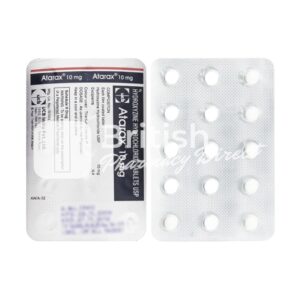
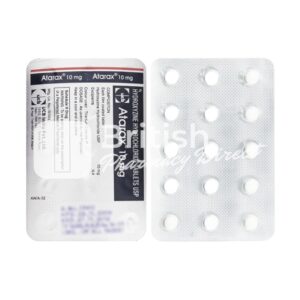
People often ask whether hydroxyzine is the same as Atarax or Vistaril, and the answer depends on the market.
Hydroxyzine hydrochloride and hydroxyzine pamoate are the two common chemical forms, both using the same INN, hydroxyzine.
The ATC code is N05BB01, placing it in the anxiolytics group as a piperazine derivative with antihistamine activity.
Atarax and Vistaril are recognised international brand names, but UK patients should not assume one fixed brand, because local availability varies and the exact label matters.
Packaging internationally includes 10 mg, 25 mg and 50 mg tablets or capsules, 2 mg/ml syrup or solution, and hospital injectable preparations, although UK treatment is usually oral and prescribed for a specific reason.
Legal Status, NHS Prescribing And How Patients Access It
In UK practice, hydroxyzine is generally accessed through an NHS or private prescription.
A GP may prescribe it, a specialist may start it, and it is then dispensed by a pharmacy team that includes a pharmacist who should counsel on dose, side effects and interactions.
Many patients know the big chains, such as Boots, LloydsPharmacy and Superdrug, but the key point is that the pharmacy must be properly registered in the UK, including online sellers.
England usually involves standard prescription charges, while Scotland, Wales and Northern Ireland have free prescriptions for eligible residents.
For a patient who needs hydroxyzine for itching or hydroxyzine for anxiety, access can be straightforward once the prescription is in place, and in our online pharmacy it is available without a prescription, with discreet delivery to United Kingdom in 5-14 days.
UK access checklist:
| Route | How It Works | Practical Point |
|---|---|---|
| NHS | Prescribed by a GP or specialist and dispensed by a pharmacy | Best for ongoing clinical review |
| Private | Private prescription from a clinician | May suit quicker access |
| Registered online pharmacy | Order placed through a UK-registered seller | Check GPhC registration and pharmacy details |
Safe online pharmacy checks: confirm the pharmacy is registered in the UK, look for a named superintendent pharmacist, read the dispensing label carefully, and never buy from a site that hides contact details.
Who Should Not Take Hydroxyzine, Or Only With Specialist Advice
Some people should avoid hydroxyzine altogether, while others need a cautious specialist decision.
The biggest red flags are known allergy to hydroxyzine, cetirizine or levocetirizine, a personal or family history of QT prolongation, first-trimester pregnancy, and severe hepatic dysfunction.
Elderly or frail patients are more likely to become sleepy, unsteady or confused, which increases the risk of falls and medication-related harm.
Renal impairment, glaucoma, urinary retention, prostatic hyperplasia and myasthenia gravis all need extra thought because hydroxyzine’s anticholinergic effects can worsen symptoms.
Polypharmacy matters as well, especially when other medicines may prolong QT or increase sedation.
For anyone with heart disease, or anyone taking a medicine that affects rhythm, speak to a GP or pharmacist before starting hydroxyzine tablets or hydroxyzine hydrochloride 25 mg.
Warning table:
| Group | Why Caution Is Needed | What To Do |
|---|---|---|
| Known allergy | Risk of severe reaction | Do not take it |
| QT prolongation | Higher arrhythmia risk | Avoid unless a specialist advises otherwise |
| First-trimester pregnancy | Potential fetal risk | Seek clinician advice |
| Severe liver disease | Altered metabolism and stronger effects | Avoid or use specialist advice only |
Red-flag checklist: chest pain, palpitations, fainting, marked confusion, severe weakness, or trouble passing urine.
Is Hydroxyzine Safe In Pregnancy?
It should generally be avoided in the first trimester; seek clinician advice for any pregnancy use.
How Hydroxyzine Works
Hydroxyzine is a first-generation antihistamine, which means it blocks histamine H1 receptors.
That helps reduce itching and some allergy symptoms, but it also crosses into the brain, which is why it has sedative and anxiolytic effects.
For some patients, that sedation is useful, especially when the aim is short-term relief of anxiety or help with sleep, but it is also the reason driving and work safety need attention.
Its anticholinergic properties explain common complaints such as dry mouth, blurred vision and constipation.
Simple definitions:
- Histamine: a body chemical involved in allergy symptoms and itch.
- Sedation: a calming or sleepy effect.
- Anticholinergic effects: side effects that can dry secretions and slow gut or bladder function.
UK-Approved Uses And Common Off-Label Use
In NHS practice, hydroxyzine may be prescribed for pruritus, allergy-related symptoms and anxiety in selected patients.
It can be useful when another hydroxyzine antihistamine approach is needed, or when non-sedating treatments have not helped enough.
Hydroxyzine for itching is one of the most common uses, particularly when night-time scratchiness is disturbing sleep.
Hydroxyzine for anxiety may be chosen when a clinician wants a short-term calming effect and accepts the sedative burden.
Off-label use includes short-term sleep support and pre-operative sedation, but routine long-term use is not preferred.
The prescriber must balance benefit against drowsiness, anticholinergic effects and cardiac risk.
- Typical licensed or common uses: pruritus, allergy-related symptoms, anxiety in selected patients.
- Off-label uses: sleep, pre-op sedation, short-term calming when clinically appropriate.
Is Hydroxyzine Used For Sleep In The UK?
Sometimes, but usually only short term and when a clinician decides the benefits outweigh the risks.
Dosing Guide For UK Patients
Dose depends on the reason for treatment, age, and whether liver or kidney function is reduced.
For pruritus, the usual adult dose is 25 mg two or three times daily by mouth, with a maximum of 100 mg per day.
For anxiety, the common adult range is 50 to 100 mg daily in divided doses, again with a maximum of 100 mg per day.
For sleep, off-label use is often 25 to 50 mg at bedtime.
Children need weight-based dosing, and a typical example for itching is 0.5 to 1 mg/kg every 8 to 12 hours, with a maximum of 2 mg/kg/day or 100 mg/day.
Hydroxyzine should not be used in children under 6 months old.
Older adults should start with the lowest effective dose, because the risk of sedation, confusion and rhythm problems is higher.
Short-term use, usually days to a few weeks, is preferred rather than chronic treatment.
Dose safety checklist: check age, weight, kidney and liver function, interacting medicines, and whether sedation could create a fall or driving risk.
| Indication | Typical Adult Dose | Maximum Daily Dose | Notes |
|---|---|---|---|
| Pruritus | 25 mg two or three times daily | 100 mg | Adjust for children and reduced organ function |
| Anxiety | 50 to 100 mg/day in divided doses | 100 mg | Use short term only |
| Sleep, off-label | 25 to 50 mg at bedtime | Not specified | Short-term use only |
Missed Doses, Overdose And When To Get Urgent Help
If a dose is missed, take it when remembered unless the next dose is due soon.
Do not double up to catch up.
If too much hydroxyzine is taken, the main concerns are extreme drowsiness, seizures and cardiac arrhythmia.
There is no specific antidote, so hospital monitoring is needed.
Action checklist:
- Check the dose and timing on the pack.
- Do not take an extra dose if the next one is due soon.
- If overdose is suspected, call 999 or go to A&E urgently.
- Tell staff exactly how much was taken and when.
Emergency warning: marked sleepiness, collapse, palpitations, seizure or trouble breathing needs urgent assessment.
What Should I Do If I Take Too Much Hydroxyzine?
Call 999 or go to A&E urgently, especially if there is marked sleepiness, collapse or palpitations.
Side Effects Patients Most Commonly Notice
Most side effects are predictable from hydroxyzine’s sedating and anticholinergic actions.
Drowsiness, sedation and fatigue are the ones patients notice first, and they can affect work, childcare and concentration.
Dry mouth, blurred vision and constipation are common enough to mention before the first dose, because they often surprise people who expected only an allergy tablet.
Nausea, vomiting, rash and urticaria can also occur.
Rare but serious problems include tachycardia and QT prolongation, especially in overdose or in patients who are already vulnerable.
Pharmacist counselling matters here because these effects can change how a person drives, works and sleeps.
| Category | Examples | What To Do |
|---|---|---|
| Common | Drowsiness, sedation, fatigue, dry mouth | Plan ahead and avoid alcohol |
| Less common | Blurred vision, constipation, nausea, vomiting, rash | Speak to a pharmacist if troublesome |
| Urgent review | Tachycardia, palpitations, QT prolongation, fainting | Seek urgent medical help |
Why Does Hydroxyzine Make Me So Sleepy?
Because it is a first-generation antihistamine that crosses into the brain and has sedating effects.
Interactions With Alcohol, Food, And Other Medicines
Alcohol is the most important interaction because it increases drowsiness and impairment.
It is safest to avoid alcohol altogether, or keep it to a minimum if a clinician says that is acceptable.
Tea or coffee do not cancel the sedative effect in any reliable way, so they should not be used as a safety strategy.
Food is usually not a major issue unless a clinician gives specific advice, and normal meals are fine for most patients.
The medicines that matter most are other sedatives, opioids, benzodiazepines, some antidepressants, some antipsychotics and anything that can prolong QT.
That is why the BNF, the GP record and pharmacist advice are so important before combining treatments.
| Interaction | Risk | Practical Advice |
|---|---|---|
| Alcohol | More sedation and slower reactions | Avoid or minimise |
| Other sedatives | Excessive sleepiness and poor coordination | Check with a pharmacist first |
| QT-prolonging medicines | Higher arrhythmia risk | Prescriber review needed |
Mention at the pharmacy: opioids, sleeping tablets, benzodiazepines, antidepressants, antipsychotics, heart medicines and any medicine taken for rhythm problems.
Driving, Work And Everyday Safety In The UK
Hydroxyzine can impair alertness, reaction time and coordination, which matters for driving, cycling, machinery and safety-critical work.
UK law expects patients not to drive if they are impaired.
The first dose is the time to be most cautious, because people often do not realise how sleepy they will feel until they stand up, walk outside or try to concentrate.
Shift workers, carers and manual workers should plan for reduced alertness, especially if the medicine is taken during the day.
Before you drive: know how you react, avoid alcohol, and do not drive if you feel sleepy or slow.
Before work: tell a supervisor if your role is safety-critical, and avoid operating equipment if your concentration is dulled.
Can I Drive After Taking Hydroxyzine In The UK?
Only if you are not impaired; if it makes you sleepy or slow, do not drive.
Alternatives To Hydroxyzine In NHS Practice
Hydroxyzine is not the only option for itch or allergy symptoms, and it is not always the safest one for older adults.
Cetirizine and levocetirizine are usually less sedating, while loratadine is also commonly used for allergy symptoms.
Promethazine and diphenhydramine can be sedating too, but they also bring their own safety issues, especially in older people.
Hydroxyzine may be chosen when sedation is desired or when other options fail, but cardiac risk and anticholinergic burden still need to be weighed carefully.
| Medicine | Sedation | Typical UK Use | Key Point |
|---|---|---|---|
| Cetirizine | Less sedating | Allergy and itch | Often preferred first |
| Levocetirizine | Less sedating | Allergy and itch | Similar role to cetirizine |
| Loratadine | Low sedation | Allergy symptoms | Good for daytime use |
| Promethazine | Sedating | Nausea, allergy, travel sickness | More drowsiness |
| Diphenhydramine | Sedating | Short-term allergy or sleep aid | Not ideal long term |
Pros and cons checklist: hydroxyzine can help when sedation is useful, but cetirizine or loratadine may suit daytime allergy treatment better.
Pharmacist Counselling, Monitoring And Follow-Up
Pharmacist counselling is a major part of UK medicine use, especially for hydroxyzine.
A pharmacist should check the indication, dose, age, pregnancy status, heart history, other medicines, alcohol use and the patient’s ability to drive safely.
That conversation also helps spot when hydroxyzine hydrochloride 25 mg is not the best choice, or when a lower dose would be safer.
Follow-up matters if itching, anxiety or sleep problems persist, because ongoing symptoms may need a different treatment rather than a longer course of hydroxyzine.
Use should be reviewed periodically, since this medicine is usually best kept short term.
Consultation checklist: what is it for, how long will it be used, what other medicines are taken, and what side effects should trigger a call back.
Follow-up questions: Is it working? Is it making you too sleepy? Are you drinking alcohol? Have any palpitations or fainting spells happened?
Storage And Handling At Home
Store hydroxyzine below 25°C and protect it from light and moisture.
Keep tablets in their original packaging and keep syrup bottles tightly closed.
There is no cold-chain requirement, so normal room-temperature storage is fine.
In UK homes, bathrooms and kitchens are often damp, so a bedroom drawer or a dry cupboard is usually better.
Keep all medicines out of the reach of children.
- Keep below 25°C.
- Protect from light and moisture.
- Store tablets in original packaging.
- Close syrup bottles tightly after use.
- Keep out of children’s reach.
Cost, Access Differences And Practical Buying Advice
Hydroxyzine cost in the UK depends on whether it is supplied on the NHS, privately, or through an online pharmacy.
England prescription charges can apply, while Scotland, Wales and Northern Ireland have free prescriptions for eligible residents.
Private supply is priced differently again, and costs vary by dose, brand and the number of days supplied.
Patients often compare Boots, LloydsPharmacy, Superdrug and registered online pharmacies, but the safest choice is the one that provides proper pharmacist checking and a clear dispensing label.
Hydroxyzine may appear under different international brand names, including Atarax and Vistaril, but UK patients should rely on the dispensed label and pharmacist advice rather than overseas packaging.
| Supply Route | Typical Cost Pattern | Notes |
|---|---|---|
| NHS in England | Standard prescription charge may apply | Check current charges |
| NHS in Scotland, Wales and Northern Ireland | Free for eligible residents | Eligibility rules apply |
| Private pharmacy | Varies by dose and quantity | May suit faster access |
| Registered online pharmacy | Varies by service and delivery | Use only UK-registered sellers |
Regional access table:
| City | Region | Delivery time |
|---|---|---|
| London | England | 5-7 days |
| Birmingham | England | 5-7 days |
| Manchester | England | 5-7 days |
| Leeds | England | 5-7 days |
| Glasgow | Scotland | 5-7 days |
| Edinburgh | Scotland | 5-7 days |
| Cardiff | Wales | 5-7 days |
| Belfast | Northern Ireland | 5-7 days |
| Liverpool | England | 5-7 days |
| Newcastle upon Tyne | England | 5-7 days |
| Nottingham | England | 5-9 days |
| Sheffield | England | 5-9 days |
| Bristol | England | 5-9 days |
| Leicester | England | 5-9 days |
| Aberdeen | Scotland | 5-9 days |