Verapamil HCl
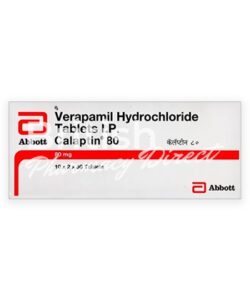
In stock
40mg · 120mg
from 15,28 £
In brief
- Verapamil HCl is a heart-rate-limiting calcium antagonist, prescribed for raised blood pressure, angina and certain rapid rhythms.
- Tablets of 40 mg (60 to 270) and 120 mg (30 to 270).
- A POM in Britain; this page offers imported generic verapamil hydrochloride.
Verapamil HCl and what it is prescribed for
Verapamil HCl is the hydrochloride form of verapamil, a calcium antagonist that, unlike amlodipine-type medicines, acts on the heart as well as on the arteries. By limiting the entry of calcium into heart muscle and the smooth muscle of arteries, it widens blood vessels, lightens the heart’s workload and slows the electrical signal passing through the AV node. According to the UK SmPC it is used in adults with high blood pressure of mild or moderate degree, in all the main forms of angina (stable, unstable and the spasm-related variant), and in heart rhythm problems: it treats and helps prevent bouts of paroxysmal supraventricular tachycardia and brings down the heart rate when atrial fibrillation or flutter is present.
Strengths and quantities on offer
Two strengths make up this listing: 40 mg, sold by the 60, 90, 120 or 270, and 120 mg, which adds a smaller 30-tablet option to the same choices. Each strength of Verapamil HCl here is a generic brought in from outside the UK. Searching the electronic medicines compendium for UK verapamil brings up slow-release brands (Securon SR and Half Securon SR among them), plus a liquid and an injectable form; all are prescription-only. Slow-release and ordinary tablets are not interchangeable milligram for milligram, so changing from one to the other is something to arrange with the prescriber.
How much is taken, and how often
Doses in the SmPC depend on the condition. Hypertension: a starting dose of 120 mg morning and evening, which can rise to 160 mg twice a day; daily totals as high as 480 mg, split up, have occasionally been given. Angina: the recommended amount is 120 mg taken three times over the day, though people with effort-induced angina sometimes manage on 80 mg three times; anything under 120 mg three times is unlikely to control the variant form. Rhythm disturbances: between 40 and 120 mg three times a day, guided by how severe the problem is. Age alone does not change the dose. Because the liver breaks verapamil down, liver disease means a smaller dose built up cautiously, while reduced kidney function needs care and closer follow-up.
Grapefruit and other interactions
Grapefruit juice must be avoided completely while taking Verapamil HCl, as it is listed among the contraindications. Verapamil both depends on and inhibits the CYP3A4 liver enzyme, so its levels rise with erythromycin, clarithromycin, ketoconazole or ritonavir and fall with rifampicin or phenytoin. It can increase blood levels of carbamazepine, digoxin, ciclosporin, dabigatran and certain statins, and it can raise blood alcohol levels. Taking it alongside a beta-blocker or other antiarrhythmic risks a very slow pulse or heart block, and combining it with ivabradine is contraindicated.
When verapamil should not be used
Contraindications include cardiogenic shock, a heart attack complicated by slow pulse, low blood pressure or left ventricular failure, second- or third-degree AV block or sick sinus syndrome without a working pacemaker, sino-atrial block, uncompensated heart failure, a heart rate under 50, systolic pressure below 90 mmHg, atrial flutter or fibrillation with an accessory pathway such as Wolff-Parkinson-White syndrome, porphyria and intravenous dantrolene.
Unwanted effects to recognise
Most people tolerate it well, and effects are usually mild and short-lived. Constipation is the best-known problem; flushing, ankle swelling and low blood pressure may also occur, and higher doses can slow the heart too much or worsen heart failure. Headache, dizziness, nausea and tiredness are reported rarely. Long-term use may very rarely cause gum overgrowth, which reverses once treatment stops. The prescriber decides whether Verapamil HCl is suitable and which strength to use.