Seroquel
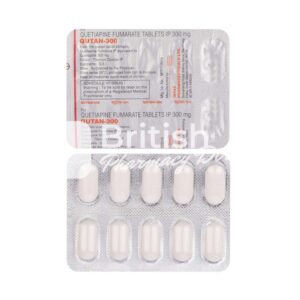
In brief
- In most countries Seroquel (quetiapine) is a prescription-only medicine and is supplied by pharmacies with a valid prescription; while some online sellers or individual pharmacies may offer supply without a receipt, this can be illegal and unsafe and is not recommended.
- Seroquel is used to treat schizophrenia, bipolar disorder (mania and depression) and as an adjunct in major depressive disorder; it is an atypical (second‑generation) antipsychotic that antagonises serotonin 5‑HT2 and dopamine D2 receptors (with additional antihistamine H1 and alpha‑1 adrenergic effects contributing to sedation and orthostatic hypotension).
- Usual doses: schizophrenia — start 25 mg twice daily, titrate to 300–400 mg/day in 2–3 doses (max 800 mg); acute bipolar mania — start 50 mg twice daily, often increased to ~400 mg by day 4 (max 800 mg); bipolar depression — start 50 mg at night, titrate to 300 mg at bedtime (max 300 mg); adjunct in MDD — 50 mg XR at bedtime, up to 150–300 mg XR at bedtime. Lower starting doses and slower titration are used in children, the elderly and in liver impairment.
- Form of administration: oral tablets — immediate‑release tablets (25–400 mg) and extended‑release (XR) once‑daily tablets (50–400 mg); do not crush or chew XR tablets; no parenteral, liquid or topical forms are available.
- Onset time: sedative effects commonly occur within 1–2 hours; antipsychotic benefits may begin over days to weeks; antidepressant adjunct effects may be noticed in 1–2 weeks with fuller benefit over 4–6 weeks.
- Duration of action: immediate‑release dosing effects typically last approximately 6–8 hours (half‑life ~6 hours); XR formulations are designed to provide once‑daily (≈24‑hour) coverage.
- Alcohol warning: avoid alcohol while taking Seroquel — alcohol increases sedation, respiratory depression and the risk of orthostatic hypotension and accidents.
- The most common side effec is drowsiness/sedation.
- Would you like to try seroquel without a prescription?
Basic Seroquel Information
- INN (International Nonproprietary Name): Quetiapine
- Brand Names Available In United Kingdom: Seroquel (immediate‑release tablets 25–400mg) and Seroquel XR (extended‑release 50–400mg); generics supplied by multiple manufacturers including AstraZeneca (originator), Teva, Sandoz, Accord and Mylan.
- ATC Code: N05AH04 (Atypical second‑generation antipsychotic)
- Forms & Dosages: Immediate‑release tablets 25, 50, 100, 150, 200, 300, 400mg; Extended‑release tablets 50, 150, 200, 300, 400mg.
- Manufacturers In United Kingdom: AstraZeneca is the originator; multiple generic suppliers noted in international data include Teva, Sandoz, Torrent, Sun Pharma, Aurobindo, Mylan and Accord Healthcare.
- Registration Status In United Kingdom: Licensed for schizophrenia and bipolar disorder; marketed formulations Seroquel and Seroquel XR are used in the UK market.
- OTC / Rx Classification: Prescription‑Only Medicine (POM) across markets; not available over the counter.
Critical Warnings & Restrictions (UK Focus)
High‑Risk Groups
Quetiapine is contraindicated in anyone with known hypersensitivity to quetiapine or any component of the formulation.
Do not use quetiapine for dementia‑related psychosis in the elderly because of an increased mortality risk.
- Elderly: start at lower dose (for example 25mg/day) and titrate slowly due to sensitivity and fall risk.
- Pregnant or breastfeeding people: weigh risks and benefits and document specialist review before starting.
- Significant liver impairment: start low (eg 25mg/day) and titrate slowly as quetiapine is mainly metabolised by the liver.
- Diabetes or metabolic syndrome: monitor weight, lipids and glucose closely.
- Seizure history: use with caution due to potential lowering of seizure threshold.
- Severe cardiovascular disease or arrhythmias: monitor blood pressure and ECG if indicated.
- History of neutropenia or cataracts: require closer monitoring.
Pre‑Treatment Baseline Checklist
- Baseline weight and waist measurement.
- Blood pressure and postural blood pressure.
- Fasting lipids and HbA1c or fasting glucose.
- Liver function tests (LFTs).
- ECG if there is cardiac risk or history of arrhythmia.
- Pregnancy test where applicable and discussion of breastfeeding risks.
Interaction With Activities (Driving, Workplace Safety Under UK Law)
Quetiapine commonly causes sedation, dizziness and orthostatic hypotension; these effects affect fitness to drive or operate machinery.
Assess individual response before returning to safety‑critical work or driving duties and check employer or professional licensing guidance.
Q&A — “Can I Drive After Taking It In The UK?”
Q: Can I drive after taking quetiapine?
A: If quetiapine causes drowsiness, dizziness or slowed reactions, do not drive or operate heavy machinery.
A: Inform the DVLA only if impairment is persistent and ask a pharmacist or GP for clarification on driving restrictions for your situation.
Usage Basics
INN, Brand Names Available In The UK
Quetiapine is marketed in the UK mainly as Seroquel and Seroquel XR, covering immediate‑release and extended‑release formulations respectively.
Seroquel immediate‑release tablets are available in strengths from 25mg up to 400mg, and Seroquel XR covers 50mg up to 400mg in extended‑release form.
Generics are widely available from multiple manufacturers including Teva, Sandoz, Accord and Mylan alongside supplies from AstraZeneca.
| Brand / Formulation | Strengths | Typical Packaging |
|---|---|---|
| Seroquel (IR) | 25, 50, 100, 150, 200, 300, 400mg | Blister packs of 10, 30, 60 or 100 |
| Seroquel XR | 50, 150, 200, 300, 400mg | Blister packs of 10, 30, 60 or 100; do not crush or chew |
| Generic Quetiapine | Same ranges as above | Blister packs of 10, 30, 60 or 100 |
Legal Classification
- POM = Prescription Only Medicine; quetiapine is a POM in the UK.
- MHRA = UK regulator that licences medicines and issues safety communications.
- Yellow Card = MHRA adverse‑event reporting system for side effects and suspected reactions.
Dosing Guide
Standard Regimens (NHS Guidelines)
Schizophrenia in adults usually starts at 25mg twice daily and is titrated toward 300–400mg/day divided into two or three doses, with a maximum of 800mg daily.
Bipolar mania often starts at 50mg twice daily and aims for about 400mg by Day 4, with a maximum of 800mg daily.
Bipolar depression typically starts at 50mg once daily and is titrated to 300mg at bedtime, maximum 300mg.
Adjunctive treatment in major depressive disorder often uses Seroquel XR starting at 50mg at bedtime, increased up to 150–300mg XR at bedtime (max 300mg).
Titration Steps And Monitoring Points
- Start low and increase over days to reduce sedation and hypotension.
- Monitor for sedation, orthostatic hypotension and signs of metabolic change.
- Reassess efficacy and side effects after 1–2 weeks and at regular intervals thereafter.
- Keep dose schedules clear and record times if prescribing divided doses.
Adjustments For Comorbidities
Children and adolescents use lower starting doses where licensed: schizophrenia from age ≥13 and bipolar mania from age ≥10, titrating conservatively.
Elderly patients should start at low doses such as 25mg/day and titrate slowly due to sensitivity and fall risk.
In liver impairment start at lower doses (for example 25mg/day) and increase cautiously because quetiapine is mainly metabolised hepatically.
Renal impairment usually requires no routine dose adjustment but clinical monitoring is advised.
Q&A — “What If I Miss A Dose?”
Q: What if I miss a dose of quetiapine?
A: Take the missed dose as soon as you remember unless it is near the time for your next dose, in which case skip the missed dose.
A: Do not double up to make up for a missed dose and consult your pharmacist if several doses are missed.
A: For XR formulations do not split, crush or chew tablets and seek pharmacist advice if doses are missed.
Interaction Chart
Food And Drinks
| Substance | Effect | Advice |
|---|---|---|
| Alcohol | Increased sedation and orthostatic hypotension | Avoid or minimise alcohol while taking quetiapine |
| Caffeine | May mask sedation | Moderate intake; be aware it can hide drowsiness |
| Grapefruit | Potential CYP3A4 interaction may alter levels | Avoid regular grapefruit consumption and discuss with pharmacist |
Common Drug Conflicts (MHRA Yellow Card Data)
Quetiapine is mainly metabolised by CYP3A4 so strong CYP3A4 inhibitors such as ketoconazole can increase quetiapine concentrations.
CYP3A4 inducers such as carbamazepine may reduce quetiapine levels and attenuate effect.
Caution is needed with antihypertensives because of additive hypotension, and with other CNS depressants because of additive sedation.
Use caution with QT‑prolonging drugs and with medicines that lower the seizure threshold.
Interaction Safety Checklist
- Review all prescribed medicines, OTC products and herbal remedies including St John’s wort.
- Report any suspected interactions or side effects via the MHRA Yellow Card scheme.
- Ask a pharmacist to check drug interactions whenever starting or stopping another medicine.
User Reports & Trends
Patients on NHS.uk and Patient.info commonly report prompt sedation and improved sleep when starting quetiapine, with mood and psychotic symptom improvement over days to weeks.
Forum reports from groups such as Mumsnet and condition forums note mixed experiences with daytime drowsiness, slow titration and concerns about metabolic effects and weight gain.
- Common Patient‑Reported Positives: symptom control, better sleep, stabilising mood.
- Common Patient‑Reported Negatives: sedation, weight gain, dry mouth, orthostatic dizziness and slower thinking.
| Symptom | Typical Timeframe |
|---|---|
| Sedation | Often within hours to days |
| Weight Gain / Metabolic Changes | Weeks to months |
| Antipsychotic / Mood Effects | Days to weeks |
Always corroborate anecdotal reports with GP or psychiatrist follow‑up and report side effects to the MHRA Yellow Card system.
Access & Purchase Options
High‑Street Pharmacies
Boots, LloydsPharmacy, Superdrug and NHS community pharmacies dispense quetiapine on prescription with availability varying between Seroquel brand and generics.
Online Pharmacies And NHS E‑Prescriptions
The NHS Electronic Prescription Service (EPS) and reputable online pharmacies supply quetiapine by prescription and many provide home delivery options.
Ensure any online pharmacy is GPhC‑registered and requires a valid prescription before supplying quetiapine.
- Verify pharmacy registration with the General Pharmaceutical Council.
- Ensure a valid prescription is required and retained by the pharmacy.
- Confirm original packaging, expiry date and appropriate storage on delivery.
In our online pharmacy, seroquel is available without a prescription, with discreet delivery to United Kingdom in 5‑14 days.
Remember that NHS prescription charges apply in England unless you are exempt, while prescriptions are free in Scotland, Wales and Northern Ireland.
Mechanism & Pharmacology
Simplified Explanation
Quetiapine is an atypical or second‑generation antipsychotic with ATC code N05AH04.
It modulates dopamine D2 and serotonin 5‑HT2A receptors, which contributes to antipsychotic and mood‑stabilising effects.
Sedative effects are primarily related to histamine H1 antagonism.
Clinical Terms
Quetiapine is available orally only, in immediate‑release and extended‑release (XR) formulations.
The drug is metabolised mainly by the liver enzyme CYP3A4 and has no parenteral or liquid formulations available.
- XR = Extended‑Release; do not crush or chew XR tablets.
- ATC = Anatomical Therapeutic Chemical classification (N05AH04).
- CYP3A4 = major hepatic enzyme involved in quetiapine metabolism; interactions are possible.
Different receptor profiles versus other antipsychotics influence comparative side‑effect and efficacy profiles in clinical practice.
Indications & Off‑Label Uses
MHRA‑Approved Uses
Quetiapine is licensed for schizophrenia and bipolar disorder, covering acute mania, bipolar depression and maintenance depending on formulation and dose.
Seroquel XR is licensed as an adjunctive treatment to antidepressants for major depressive disorder at lower XR doses.
Off‑Label Practices In NHS And Private Care
Off‑label use reported in some settings includes short‑term low‑dose use for insomnia and management of anxiety or behavioural disturbance in complex cases under specialist direction.
MHRA and NHS guidance recommend evidence‑based prescribing and advise against use for dementia‑related behavioural problems due to increased mortality risk.
- Pros: short‑term symptomatic benefit such as improved sleep or anxiety control in carefully selected patients.
- Cons: sedation, weight gain, metabolic risk and regulatory scrutiny when used off‑label.
Any off‑label prescribing should be documented, discussed with the patient and reviewed regularly by the prescribing clinician.
Key Clinical Findings
Recent UK and EU data from 2022–2025 continue to support quetiapine’s efficacy for schizophrenia and bipolar disorder with symptom improvement documented in several trials and reviews.
Adjunctive extended‑release quetiapine shows benefit for some patients with treatment‑resistant depressive symptoms but requires careful metabolic monitoring.
Meta‑analyses and pooled safety data consistently identify sedation, weight gain and increases in lipids and glucose as common safety signals.
Quetiapine generally has a lower risk of extrapyramidal motor side effects than many typical antipsychotics, though akathisia and restlessness can occur.
| Outcome | Evidence Strength | Safety Notes |
|---|---|---|
| Symptom Reduction (Schizophrenia/Bipolar) | Moderate to Strong | Monitor sedation and metabolic parameters |
| Adjunctive Benefit In Depression (XR) | Moderate | Increased need for lipid/glucose monitoring |
| Metabolic Adverse Effects | Strong Signal | Weight gain, raised lipids/glucose common |
Treatment decisions should follow shared decision‑making with regular monitoring per NHS and MHRA standards.
Alternatives Matrix
NHS Prescribing Alternatives
| Drug | Indications | Typical Efficacy | Metabolic Risk | Sedation | Monitoring Needs | Notes |
|---|---|---|---|---|---|---|
| Quetiapine | Schizophrenia, Bipolar, Adjunct Depression | Good for mood/sleep symptoms | Moderate‑High | Moderate | Weight, lipids, glucose, LFTs | XR useful for depression adjunct |
| Olanzapine | Schizophrenia, Bipolar | High | High | High | Metabolic monitoring intensive | Effective but strong metabolic burden |
| Risperidone | Schizophrenia, Bipolar | Good | Moderate | Low‑Moderate | EPS and metabolic monitoring | Possible prolactin rise |
| Aripiprazole | Schizophrenia, Bipolar, Adjunct Depression | Good | Low | Low | Less metabolic burden | Activating in some patients |
| Clozapine | Treatment‑Resistant Schizophrenia | Very High | High | Moderate | Mandatory blood monitoring | Use only with specialist monitoring |
Pros And Cons Checklist
- Consider target symptom: psychosis, mood stabilisation, sleep.
- Weigh metabolic risk versus motor side effects for the individual.
- Assess comorbidities such as diabetes, cardiac disease and drug interactions.
- Consider monitoring burden and patient preference when selecting an alternative.
Common Questions
- How Quickly Will It Work? Sedation often appears within hours; antipsychotic and mood effects generally evolve over days to weeks and should be reviewed by the prescriber.
- Will It Make Me Gain Weight? Weight gain and adverse changes in lipids and glucose are common; baseline and periodic metabolic monitoring is recommended.
- Can I Stop Suddenly? Do not stop quetiapine abruptly; taper as instructed by your prescriber to reduce withdrawal symptoms and relapse risk.
- What About Pregnancy? Use only after specialist review; discuss risks and benefits and ensure the decision is documented and monitored closely.
Contact your GP, psychiatrist or local crisis team for urgent concerns and report adverse events to the MHRA Yellow Card service.
NHS Cost & Access Comparison Table
| Source / Pharmacy | Typical Private Price Range | NHS Prescription Charge (England) | Exemption Status / Regional Differences |
|---|---|---|---|
| Boots / Lloyds / Community Pharmacy | Varies by brand and pack size | Standard prescription charge in England applies | Scotland/Wales/Northern Ireland: prescriptions free; England: exemptions apply |
| Online UK Pharmacy | Varies; requires valid prescription | Standard charge applies for NHS prescription dispensed in England | Confirm GPhC registration and prescription requirement |
| NHS Hospital Supply (Inpatient) | Not applicable | No charge for inpatient supply | Hospital supply follows NHS policies |
- Confirm prescriber details and exemption status before paying any private costs.
- Branded Seroquel is often more expensive than generics; prices vary with pack size.
- Keep receipts for any reimbursement processes if applicable.
Registration & Regulation
MHRA Approval Process
Quetiapine is MHRA‑licensed for the indicated uses and the MHRA issues safety communications and handles Yellow Card adverse‑event reporting.
NHS Prescribing Framework
Prescribing is aligned with NICE guidance and local trust formularies, with electronic prescribing commonly used in primary and secondary care.
Specialist psychiatry initiation is recommended for complex cases and primary care often continues stable treatment under shared‑care arrangements.
Prescriber Checklist
- Confirm indication and document informed consent.
- Perform baseline measures: weight, BP, fasting lipids, HbA1c/glucose, LFTs and ECG if indicated.
- Record monitoring schedule and provide patient information leaflet in original packaging.
Storage & Handling
UK Household Storage (Cold/Damp Climate)
Store quetiapine at 15–30°C and protect from moisture and light.
Keep tablets in their original blister packs and avoid bathroom humidity; do not crush or chew XR tablets.
Child‑resistant and tamper‑evident packs are commonly used; keep medicines out of reach of children.
Guidance From NHS And Pharmacists
- When travelling, keep medication in original packaging and carry prescription or electronic confirmation.
- Do not expose medication to extreme heat in summer; follow storage temperature limits.
- Dispose of unused medicines at a pharmacy take‑back point; do not flush them down the toilet.
Guidelines For Proper Use
UK Pharmacist Counselling Style
Pharmacists should confirm the indication, dose and formulation (IR versus XR) and advise on dosing time—many patients take XR at bedtime.
Counselling should cover sedation risk, avoidance of alcohol, driving advice and the monitoring schedule for weight, BP, lipids, glucose and LFTs.
NHS Patient Safety Advice
- Keep scheduled appointments and routine blood tests as arranged by your GP or mental health team.
- Report severe side effects immediately: chest pain, palpitations, fainting, new aggression, suicidal thoughts or signs of infection.
- Do not stop quetiapine suddenly; follow a taper plan provided by your prescriber.
- Keep a medication record showing dose, time and brand to aid any dispenser or prescriber reviews.
Patients are encouraged to report adverse events via the MHRA Yellow Card and to contact their GP or community mental health team for concerns.
Delivery Across United Kingdom
| City | Region | Delivery Time |
|---|---|---|
| London | Greater London | 5‑7 days |
| Birmingham | West Midlands | 5‑7 days |
| Manchester | Greater Manchester | 5‑7 days |
| Glasgow | Scotland | 5‑7 days |
| Liverpool | Merseyside | 5‑7 days |
| Leeds | West Yorkshire | 5‑7 days |
| Sheffield | South Yorkshire | 5‑7 days |
| Bristol | South West England | 5‑7 days |
| Newcastle Upon Tyne | North East England | 5‑7 days |
| Nottingham | Nottinghamshire | 5‑9 days |
| Edinburgh | Scotland | 5‑7 days |
| Cardiff | Wales | 5‑9 days |
| Belfast | Northern Ireland | 5‑9 days |
| Southampton | South East England | 5‑9 days |
| Leicester | Leicestershire | 5‑9 days |