Risnia
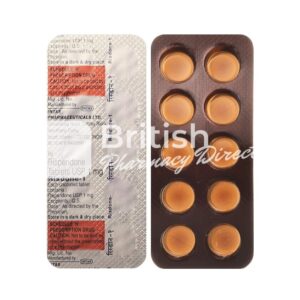
In brief
- In some pharmacies and online suppliers risnia (risperidone) is offered without a prescription and can be purchased without a receipt; however, risperidone is a prescription-only medicine in most countries (including the UK, EU and US), so buying or using it without medical supervision may be unlawful and is not recommended.
- Risnia (risperidone) is used to treat schizophrenia, acute manic episodes in bipolar disorder and irritability associated with autism; it is an atypical antipsychotic that works mainly by antagonising dopamine D2 and serotonin 5‑HT2A receptors (with effects at other receptors such as alpha‑adrenergic and histamine H1).
- Usual adult dosages vary by indication: for schizophrenia commonly start 1 mg twice daily with a typical target of 4–6 mg/day (max 16 mg/day split doses); for bipolar mania typically 2–3 mg once daily (up to about 6 mg/day); paediatric dosing is lower and must be individualised.
- Administered orally as tablets, orally disintegrating tablets (ODT/M‑Tab) or an oral solution (1 mg/mL); dosing is usually once or twice daily depending on formulation and clinical response.
- Some effects such as sedation or reduced agitation may be seen within hours, but meaningful antipsychotic improvement usually takes days to weeks (often 1–2 weeks for early benefit and up to several weeks for full effect).
- Effects are maintained with daily dosing; oral risperidone is generally effective over a 24‑hour period (hence once‑ or twice‑daily dosing), with clinical maintenance treatment often continued for months to years as directed by a clinician.
- Do not drink alcohol while taking risperidone — alcohol increases drowsiness, risk of orthostatic hypotension and other adverse effects.
- The most common side effect is drowsiness (somnolence); other frequent adverse effects include weight gain, insomnia, headache, dizziness, nausea and extrapyramidal symptoms.
- Would you like to try risnia without a prescription?
Critical Warnings, Restrictions And Patient Protection
Basic risnia Information
- INN (International Nonproprietary Name): Risperidone (also referenced as Risperidonum in Latin)
- Brand Names Available In United Kingdom: Risperdal (originator, marketed in EU and other regions); generic labels commonly encountered internationally include Rispolept, Risnia, Rispen and others (local UK availability depends on supplier)
- ATC Code: N05AX08
- Forms & Dosages: Tablets 0.25 mg, 0.5 mg, 1 mg, 2 mg, 3 mg, 4 mg; Oral solution 1 mg/mL; Orally disintegrating tablets/ODT (M-Tab) 0.5–4 mg
- Manufacturers In United Kingdom: multinational manufacturers listed in sources include Janssen‑Cilag (originator) and global generic manufacturers such as Teva, Mylan, Sandoz, Sun Pharma, Torrent, Intas and Cadila (specific UK manufacturing sites not specified)
- Registration Status In United Kingdom: not specified
- OTC / Rx Classification: Prescription only (Rx) in nearly all countries
Safety-First Guidance For UK Patients
Start by asking your prescriber to confirm MHRA licensing and the NHS care pathway before starting risperidone.
Risperidone is a Prescription Only Medicine in the UK; never source from unverified online sellers.
If you get a prescription, follow prescriber instructions and read the patient information leaflet that comes with the pack.
Monitor for severe adverse events such as hypotension, extrapyramidal symptoms, hyperglycaemia and neuroleptic malignant syndrome and seek urgent care if these occur.
Baseline Tests Checklist
- Weight and body mass index (BMI)
- Fasting blood glucose or HbA1c
- Lipid profile (cholesterol and triglycerides)
- Pulse and blood pressure
- ECG if there is cardiac risk or use of other QT‑prolonging drugs
- Medication list and history of movement disorders or seizures
Urgent Red Flags
- Severe muscle stiffness, high fever, confusion or reduced consciousness (possible neuroleptic malignant syndrome).
- New or worsening shortness of breath, chest pain, fainting or palpitations.
- Marked tremor, fixed facial grimacing, spasms or inability to move part of the body.
- Excessive thirst, increased urination, very high blood sugars or symptoms of diabetic ketoacidosis.
- Signs of severe allergic reaction: rash, swelling of face or throat, difficulty breathing.
| Monitoring Item | When To Check | Action Threshold / Frequency |
|---|---|---|
| Weight / BMI | Baseline, 4–12 weeks, then annually | Rapid weight gain or BMI rise — consider lifestyle support or medication review |
| Fasting Glucose / HbA1c | Baseline, 3 months, then annually (sooner if risk) | Rising HbA1c or fasting glucose — liaise with GP/diabetes team |
| Lipids | Baseline, 3 months, then periodically | Elevated LDL/triglycerides — consider interventions or drug switch |
| Pulse / BP | Baseline, early during titration, then periodically | Persistent hypotension or tachycardia — medical review |
| ECG | Baseline if cardiac risk or QT drugs; repeat as clinically indicated | QT prolongation — specialist cardiology review and medication review |
| Movement Disorder Checks (EPS) | Baseline, within weeks of starting, then at each review | New tremor, rigidity or akathisia — consider dose change or switching |
High-Risk Groups
Elderly patients, women who are pregnant or breastfeeding, and people with chronic illness need extra precautions when risperidone is prescribed.
- Elderly With Dementia-Related Psychosis
- Risperidone is contraindicated for dementia‑related psychosis due to increased mortality risk; avoid unless an extraordinary, well-documented reason exists.
- Parkinson’s Disease
- Use extreme caution because dopamine blockade can worsen parkinsonian symptoms; specialist advice recommended.
- Epilepsy / Seizure Disorders
- Seizure threshold may be lowered; ensure epilepsy control and start with lower doses with close monitoring.
- Severe Cardiovascular Disease
- QT prolongation and orthostatic hypotension risks require ECG checks and cautious titration.
- Liver Or Kidney Impairment
- Start lower and titrate slowly; monitor for accumulation and adverse effects.
- Pregnancy And Breastfeeding
- Discuss maternal and foetal risks with psychiatrist and obstetrician; document decisions and a safety plan for perinatal monitoring.
Interaction With Activities (Driving, Workplace Safety Under UK Law)
Risperidone can cause drowsiness, dizziness and impaired concentration which may affect driving and work safety.
UK DVLA guidance requires patients to notify the authority if a medication affects their ability to drive when advised by a clinician.
- Do not drive if you experience drowsiness, blurred vision or slowed reactions after taking risperidone.
- Inform your specialist or GP if side effects persist; obtain documented advice to support any DVLA conversations.
- For safety‑critical jobs, inform the employer or occupational health as appropriate and follow workplace policies.
- Avoid operating heavy machinery until you know how risperidone affects you.
Q&A — “Can I Drive After Taking It In The UK?”
Driving ability can be impaired by drowsiness, blurred vision or slowed reactions.
If you experience these effects do not drive.
Inform DVLA if advised by your specialist or if side effects persist.
Discuss with your clinician to document fitness to drive.
Usage Basics
INN, Brand Names Available In The UK
The International Nonproprietary Name is risperidone, sometimes referenced as Risperidonum in Latin.
The originator brand is Risperdal, and many generics are supplied internationally; local UK pharmacies commonly dispense generic risperidone depending on the NHS formulary and supply.
- Tablets: 0.25 mg, 0.5 mg, 1 mg, 2 mg, 3 mg, 4 mg.
- Oral solution: 1 mg/mL.
- Orodispersible/ODT: 0.5 mg, 1 mg, 2 mg, 3 mg, 4 mg.
| Formulation | Pros | Cons |
|---|---|---|
| Immediate‑release tablets | Flexible dosing; generic options widely available | Can be difficult if swallowing problems; adherence relies on daily dosing |
| Oral solution (1 mg/mL) | Useful for patients with dysphagia or precise small doses | Shorter shelf life after opening; dose measuring required |
| ODT / Orodispersible tablets | Easier for people who cannot swallow; quick administration | May contain aspartame (check for PKU) |
Legal Classification
Risperidone is a Prescription Only Medicine across the UK and must be supplied against a valid NHS or private prescription.
Electronic Prescription Service (EPS) and e‑prescribing from psychiatric services are commonly used in the NHS.
Community pharmacists provide counselling and safety checks when dispensing POMs.
- What to bring to the pharmacy: valid prescription or EPS nomination, any medication list, and ID if requested for controlled dispensing checks.
- Prescription types: NHS prescription, private paper prescription, or electronic NHS/ private e‑prescription.
- Pharmacist counselling and recorded advice is routine when collecting risperidone.
Dosing Guide
Standard Regimens (NHS-Style Guidance)
For adult schizophrenia, a typical starting regimen is 1 mg twice daily with a common target between 4–6 mg per day; local practice uses the lowest effective dose and regular review.
Bipolar mania often starts at 2–3 mg once daily and is adjusted per response up to around 6 mg per day in many sources.
Children, adolescents and autistic children start on much lower doses and titrate carefully according to product guidance and specialist advice.
| Indication | Starter Dose | Typical Target / Range |
|---|---|---|
| Schizophrenia (adults) | 1 mg twice daily | 4–6 mg/day (individualised) |
| Bipolar Mania (adults) | 2–3 mg once daily | Up to 6 mg/day |
| Irritability In Autism (paediatric) | 0.25–0.5 mg/day (age dependent) | Individualised dosing per SPC and specialist |
- Titration steps: start low, observe first-week effects, increase in small increments every few days as clinically indicated.
- Always re‑assess response and adverse effects and document in records.
- Use depot preparations (Risperdal Consta) only under specialist direction — depot dosing and oral overlap differ from oral regimens.
Adjustments For Comorbidities
Elderly patients typically start at 0.25–0.5 mg twice daily and titrate slowly because of increased sensitivity to adverse effects.
Use lower starting doses and slower titration in liver or kidney impairment and monitor for accumulation.
For people with diabetes or metabolic risk, baseline and repeat metabolic checks are essential and dose decisions should include monitoring results.
- Dose adjustment triggers checklist: intolerance (sedation, hypotension), significant weight gain, rising glucose or lipids, marked EPS, worsening cardiac parameters.
- Refer to specialist or GP for dose changes when comorbidities complicate treatment.
Q&A — “What If I Miss A Dose?”
Take the missed dose as soon as you remember unless it is close to the next scheduled dose.
Do not double up doses to make up for a missed one.
If uncertain, contact your GP, psychiatrist or pharmacist for advice.
For depot formulations or complex regimens follow specialist instructions and appointment schedules carefully.
Interaction Chart
Food And Drinks
Avoid alcohol or limit intake because alcohol and risperidone both increase sedation and risk of orthostatic hypotension.
Caffeine does not directly alter risperidone metabolism but can worsen anxiety or insomnia; aim for a consistent intake pattern.
- Avoid excessive alcohol while taking risperidone.
- Maintain hydration and take care with sun and heat exposure as advised in product information.
Common Drug Conflicts (MHRA Yellow Card Context)
Drugs that increase central nervous system depression such as opioids and benzodiazepines can intensify sedation when combined with risperidone.
Strong CYP2D6 and CYP3A4 inhibitors or inducers may alter risperidone plasma concentrations and require monitoring or dose adjustment.
Co‑prescribing with other QT‑prolonging drugs increases arrhythmia risk; check ECG and arrange cardiology input as needed.
| Interacting Drug Class / Example | Mechanism | Clinical Action |
|---|---|---|
| Opioids, Benzodiazepines | Combined CNS depression | Warn patient about sedation; avoid combinations when possible; dose reduction if required |
| Strong CYP2D6 inhibitors (e.g. fluoxetine) | Reduced metabolism → higher risperidone levels | Monitor for increased effects; consider dose adjustment |
| Strong CYP3A4 inducers (e.g. carbamazepine) | Increased clearance → lower risperidone levels | Monitor response; may need dose adjustment under specialist guidance |
| QT‑prolonging drugs (various antidepressants, antiarrhythmics) | Additive QT risk | Baseline ECG and cardiology review if indicated; avoid combinations where possible |
- Pharmacist medication reconciliation checklist: compile full list of current medicines, check for CNS depressants, CYP interactions and QT‑prolonging drugs, and advise patient about reporting side effects via MHRA Yellow Card if suspected.
User Reports And Trends
Patients commonly report benefits such as reduced psychosis and improved mood stabilisation when risperidone is effective.
Frequent complaints include weight gain, somnolence and movement-related side effects such as akathisia or tremor.
Forum discussions on UK sites such as Patient.info highlight variable tolerability and the value of gradual titration and specialist support.
- Efficacy: many patients note early improvements in agitation or psychosis within days to weeks.
- Side effects: weight gain, increased appetite and drowsiness are commonly reported patient concerns.
- Adherence tips: use a medication diary, set phone reminders and involve pharmacist for counselling.
Record side effects and bring a symptom diary to reviews with your GP or community mental health team.
- What to bring to appointments checklist: symptom diary, side‑effect log, full medication list, recent weight or home blood pressure readings.
Access And Purchase Options
Community Pharmacy Chains And Online Options
Major UK community pharmacy chains such as Boots, LloydsPharmacy and Superdrug, plus independent pharmacies, dispense risperidone when provided with a valid prescription.
The NHS Electronic Prescription Service (EPS) allows e‑prescriptions to be sent to a nominated pharmacy for collection or delivery.
- In-person pharmacies allow face-to-face counselling and immediate supply when available.
- Online pharmacy services can dispense to a nominated address subject to prescription verification and available delivery windows.
- Depot injections such as Risperdal Consta are administered by specialist services and are not a routine community pharmacy supply without arrangements.
Safeguards For Online Purchase
Verify MHRA‑registered online pharmacy logos and General Pharmaceutical Council (GPhC) registration before ordering.
Pharmacists must counsel about dose, side effects and monitoring; ensure contact details are visible and available for queries.
- Safe online pharmacy checklist: MHRA logo/GPhC registration, clear contact details, pharmacist counselling offered, privacy and secure payment, clear returns and disposal advice.
In our online pharmacy, risnia is available without a prescription, with discreet delivery to United Kingdom in 5-14 days.
Mechanism And Pharmacology
Simplified Explanation
Risperidone is an atypical antipsychotic that blocks dopamine D2 and serotonin 5‑HT2A receptors, which reduces psychotic symptoms and stabilises mood while producing fewer classic extrapyramidal effects at low to moderate doses.
- D2 Antagonism
- Reduces positive psychotic symptoms such as hallucinations and delusions.
- 5‑HT2A Antagonism
- Contributes to mood stabilisation and may reduce some movement disorder risk compared with older antipsychotics.
Clinical Pharmacology Terms
Pharmacokinetics can be affected by CYP2D6 and CYP3A4 enzyme interactions which alter plasma levels of risperidone and its active metabolite.
Available oral formulations include standard tablets, orally disintegrating tablets and a 1 mg/mL oral solution; depot injections (Risperdal Consta) exist for long‑acting therapy with specific administration protocols.
| Mechanism | Therapeutic Effect | Expected Side Effects |
|---|---|---|
| Dopamine D2 Blockade | Reduces psychosis | Extrapyramidal symptoms, raised prolactin |
| Serotonin 5‑HT2A Blockade | Mood stabilisation, reduced EPS vs older drugs | Metabolic effects can still occur |
Indications And Off-Label Uses
MHRA-Approved Uses (UK Context)
Risperidone is licensed for schizophrenia in adults and adolescents (age thresholds apply), for bipolar mania in adults and for irritability in autism in specified paediatric age ranges.
- Schizophrenia: adults (start 1 mg BID, target 4–6 mg/day).
- Bipolar mania: adults (start 2–3 mg once daily, adjust to response up to around 6 mg/day).
- Irritability in autism: paediatric use typically from age 5 upwards with low starting doses such as 0.25–0.5 mg/day depending on age and weight.
Off-Label Practices In NHS And Private Care
Off‑label use such as managing severe behavioural disturbance may be considered after multidisciplinary review and should be time-limited with documented rationale.
- Off‑label governance checklist: documented informed consent, multidisciplinary team discussion, clear monitoring schedule and planned review/stop dates.
Key Clinical Findings
Recent UK and EU literature continues to support risperidone’s efficacy for acute psychosis and bipolar mania but highlights metabolic and movement disorder risks that need active management.
Comparative trials show similar efficacy to other atypical antipsychotics but different side‑effect profiles such as weight gain versus sedation depending on the comparator.
- Efficacy: established for acute psychosis and mania.
- Adverse effects: metabolic monitoring essential; movement disorders possible, especially at higher doses.
- Paediatric use: evidence supports benefit for irritability in autism with careful monitoring.
| Outcome Domain | Evidence Direction | Clinical Implication |
|---|---|---|
| Psychotic Symptom Control | Positive | Useful first‑line atypical antipsychotic; monitor response and side effects |
| Metabolic Effects | Negative (weight, glucose, lipids) | Baseline and ongoing metabolic monitoring required |
| Movement Disorders | Risk increases with dose | Regular EPS checks; consider switching if problematic |
Review local NHS formulary guidance and the latest NICE/MHRA updates when choosing treatments.
Alternatives Matrix
NHS Prescribing Alternatives (Comparison Table)
| Drug | Class | Typical Efficacy | Metabolic Risk | EPS Risk | Typical Dosing Range | Monitoring Priorities |
|---|---|---|---|---|---|---|
| Olanzapine | Atypical | High for psychosis and mania | High | Low–moderate | 5–20 mg/day | Very close metabolic monitoring |
| Quetiapine | Atypical | Good for mood symptoms | Moderate | Low | 150–800 mg/day (dependant) | Metabolic and sedation monitoring |
| Aripiprazole | Atypical (partial agonist) | Good efficacy with different side-effect profile | Lower | Lower | 2–30 mg/day | Monitor for akathisia, metabolic parameters |
| Haloperidol | Typical | Effective for acute psychosis | Low | High | 1–20 mg/day | EPS monitoring essential |
| Paliperidone | Atypical (metabolite of risperidone) | Comparable efficacy | Moderate | Moderate | 3–12 mg/day | Metabolic and prolactin monitoring |
Pros And Cons Checklist
- Consider metabolic risk if obesity, diabetes or cardiovascular disease are present.
- Consider sedation and impact on daily functioning for jobs requiring alertness.
- Consider prolactin effects (galactorrhoea, amenorrhoea) when selecting treatment, especially in younger patients.
- Check licensed age ranges for paediatric prescribing and NHS cost/formulary implications.
Common Questions
How long until risperidone works? Expect early symptom improvement in days to weeks, with full effect developing over several weeks.
Will it make me gain weight? Weight gain is common; monitor weight and provide diet and exercise support, and consider switching if problematic.
What monitoring will I need? Baseline and periodic checks of weight, blood pressure, fasting glucose/HbA1c, lipids and movement disorder assessments are standard.
- Actions if experiencing side effects: contact your GP or CMHT promptly, keep a detailed symptom diary and bring it to reviews, and report serious adverse reactions via MHRA Yellow Card.
NHS Cost And Access Comparison Table
| Source / Pharmacy | Typical Private Price Range (28‑day, generic tablets) | NHS Prescription Charge (England) | Exemptions / Regional Notes |
|---|---|---|---|
| NHS Prescription (dispensed at a pharmacy) | Varies; generics reduce cost but prescription required | Per‑item charge applies in England (amount varies by year) | Prescriptions are free in Scotland, Wales and Northern Ireland; many patients are exempt in England (children, over‑60s, low income) |
| Boots / LloydsPharmacy / Superdrug | Private supply varies; generic risperidone typically lower cost (supplier dependent) | Same NHS prescription rules apply | EPS nomination available; prices change with supplier |
| Online Pharmacies | Private price varies widely; generic options usually cheaper | Must present valid prescription for NHS supply | Verify GPhC registration and MHRA compliance for online ordering |
- How to claim exemptions: use NHS exemption forms or present proof of eligibility at the point of dispensing in England.
- Use EPS nomination to have prescriptions sent to your chosen pharmacy for collection or delivery.
Registration And Regulation
MHRA Approval Process And SPCs
Prescribers and pharmacists should consult the product SPC for the brand or generic being used (for example Risperdal or generic risperidone products).
MHRA marketing authorisation and SPCs provide licensed indications, dosing, contraindications and monitoring advice.
- SPC
- Summary of Product Characteristics — authoritative prescriber guidance.
- PIL
- Patient Information Leaflet — given in the medicine pack for patients.
- Yellow Card
- MHRA adverse reaction reporting system for suspected side effects.
NHS Prescribing Framework
Prescribing should follow local trust formularies, shared‑care agreements and regular review intervals for long‑term therapy.
Document informed consent and monitoring plans in primary and secondary care notes.
- Prescriber checklist: baseline tests performed, informed consent documented, monitoring schedule agreed and shared‑care arrangements recorded where appropriate.
Storage And Handling
Domestic Storage Advice
Store risperidone at 20–25°C (68–77°F) and protect from excessive moisture and heat as specified in the SPC.
Do not store in bathrooms where humidity fluctuates and keep all medicines out of reach of children.
Oral solution: once opened use within the manufacturer‑specified period (commonly around 3 months; check local packaging).
- Recommended storage locations: a cool, dry cupboard away from direct sunlight.
- Disposal guidance: return unused medication to a pharmacy for safe disposal; do not flush down the toilet.
Transport And Travel Tips (UK Climate)
Carry medicines in original packaging with the prescription or a letter from the prescriber for travel purposes.
Avoid leaving medicine in hot cars and protect from extremes of temperature; follow manufacturer advice for depot or refrigerated products if applicable.
- When travelling: keep medicines in hand luggage, bring a GP letter if crossing borders and maintain usual dosing schedules where possible.
Guidelines For Proper Use
UK Pharmacist Counselling Style And Checklist
Pharmacists should verify the indication, confirm dosing and adherence plans, review interactions and red‑flag symptoms, and advise on driving and workplace safety.
- Pharmacist consultation template: confirm patient identity, check prescription details, review other medicines, advise on common side effects, arrange monitoring reminders, and provide written action plan for side effects.
NHS Patient Safety Advice And Follow-Up
Arrange an initial follow‑up within weeks of starting and schedule periodic metabolic and movement disorder screens.
Avoid abrupt discontinuation unless advised by a clinician; rapid stopping can precipitate relapse.
- Patient actions: call GP/CMHT for severe side effects, attend scheduled blood tests and reviews, keep a symptom diary and use emergency services for life‑threatening reactions.
Delivery Across United Kingdom
| City | Region | Delivery time |
|---|---|---|
| London | Greater London | 5-7 days |
| Birmingham | West Midlands | 5-7 days |
| Manchester | Greater Manchester | 5-7 days |
| Glasgow | Scotland | 5-7 days |
| Leeds | West Yorkshire | 5-7 days |
| Edinburgh | Scotland | 5-7 days |
| Bristol | South West England | 5-9 days |
| Newcastle | North East England | 5-9 days |
| Sheffield | South Yorkshire | 5-9 days |
| Liverpool | Merseyside | 5-9 days |
| Cardiff | Wales | 5-7 days |
| Belfast | Northern Ireland | 5-7 days |
| Norwich | East of England | 5-9 days |
| Plymouth | South West England | 5-9 days |