Cymbalta
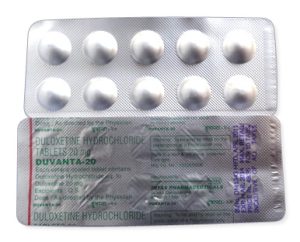
In brief
- Cymbalta (duloxetine) is a prescription-only medicine in the UK and most other regulated markets, but some online pharmacies may offer it without a prescription. It is commonly supplied as a branded or generic product, with availability depending on country and local packaging.
- Cymbalta is used to treat major depressive disorder, generalised anxiety disorder, diabetic peripheral neuropathic pain, fibromyalgia, and chronic musculoskeletal pain. It is a serotonin and noradrenaline reuptake inhibitor (SNRI), which increases the levels of these neurotransmitters in the brain and nervous system.
- The usual dose depends on the condition: 30–60 mg daily at the start for anxiety or fibromyalgia, 40–60 mg daily for depression, and 60 mg daily for neuropathic pain or chronic pain. The maximum dose is usually 60 mg daily for pain conditions and up to 120 mg daily for generalised anxiety disorder.
- It is taken by mouth as delayed-release capsules, usually in strengths of 20 mg, 30 mg, or 60 mg.
- Cymbalta usually begins to work within 1–2 weeks, although full benefit for mood or anxiety may take several weeks.
- The effects last for about 24 hours, so it is typically taken once daily.
- Alcohol should be avoided or strictly limited, as it can increase the risk of liver problems, drowsiness, dizziness, and impaired judgement.
- The most common side effects are nausea, dry mouth, dizziness, drowsiness, constipation, increased sweating, fatigue, headache, and insomnia.
- Would you like to try Cymbalta without a prescription?
Critical Warnings, Patient Protection And Who Should Avoid Duloxetine
Cymbalta is the brand name for duloxetine, an SNRI antidepressant, and it is Prescription Only in the UK.
That means it should only be used with NHS or private prescribing oversight, because there are serious interaction risks and withdrawal can happen if it is stopped suddenly.
Anyone buying duloxetine online should check that the pharmacy is regulated in the UK, and should speak to a pharmacist, GP, NHS 111, or urgent care if side effects start to escalate.
- Do not use if there is recent or current MAOI use, severe liver impairment or cirrhosis, uncontrolled narrow-angle glaucoma, or hypersensitivity to duloxetine or capsule ingredients.
- Use extra caution if there is bipolar disorder, mania, seizures, bleeding risk, anticoagulant treatment, hypertension, hyponatraemia risk, renal impairment, or frailty.
- Older adults are more likely to have dizziness, low sodium, and falls, so the lowest effective dose is usually preferred.
High-Risk Groups: Elderly, Pregnancy, Chronic Illness
Older and frail patients need close review, especially if they already take several medicines or have had falls.
Pregnancy and long-term illness need individual assessment, because treatment choices depend on the balance of benefit and risk.
If there is liver disease, kidney disease, diabetes, bleeding problems, or a history of mood instability, a prescriber should check suitability before treatment starts.
Driving, Machinery And Workplace Safety
Duloxetine can cause drowsiness, dizziness, and fatigue, particularly at the start or after a dose change.
That matters for driving, operating machinery, and jobs where balance and concentration are important.
Can I Drive After Taking Cymbalta In The UK?
Only if it does not make you sleepy, dizzy, or less alert, and only after you know how it affects you.
If there is any doubt, do not drive until the effect has settled and a clinician has given safer advice.
- Do not start without checking for MAOIs, liver disease, glaucoma, or allergy.
- Seek advice first if there is bipolar disorder, seizures, uncontrolled blood pressure, kidney problems, bleeding risk, or frailty.
- Get urgent help if there is jaundice, severe agitation, fever, confusion, fainting, seizures, or suicidal thoughts.
Basic Cymbalta Information
- INN (International Nonproprietary Name): Duloxetine
- Brand names available in United Kingdom: Cymbalta, Yentreve, and local generics may vary by supplier and packaging.
- ATC Code: N06AX21
- Forms & dosages: Delayed-release capsules, 20 mg, 30 mg, 60 mg, taken by mouth.
- Manufacturers in United Kingdom: Eli Lilly and Company, Sun Pharma, Teva, Cipla, Sandoz, and other generic suppliers.
- Registration status in United Kingdom: Prescription Only medicine, supplied through NHS or private prescribing.
- OTC / Rx classification: Prescription Only (Rx)
What Cymbalta Is: INN, Brand Names And UK Classification
People often search for Cymbalta UK, duloxetine capsules, or duloxetine prescription when they are trying to match a brand name with the medicine they were given.
The INN is duloxetine, which sits in the ATC group N06AX21 as an antidepressant and SNRI medicine.
In UK practice, Cymbalta is the best-known brand, while Yentreve is the European and UK-associated brand name that comes up in stress incontinence discussions.
Local generics may differ in appearance, strength presentation, and packaging, even when the active ingredient is the same.
INN And Brand Names In The UK
Duloxetine is the standard non-proprietary name, and Cymbalta is one branded version.
Yentreve is the relevant brand historically linked with stress urinary incontinence in Europe, including the UK market.
Legal Classification And Prescription Status
This is not an over-the-counter medicine.
It needs a prescription from an NHS or private prescriber, then dispensing by a pharmacy.
| Brand Name | Region | Common Pack Strengths |
|---|---|---|
| Cymbalta | USA, Canada, Europe | 20 mg, 30 mg, 60 mg |
| Yentreve | Europe, notably the UK | Delayed-release capsules |
| Duloxetina | Spain, Latin America | Multiple generics available |
How Duloxetine Works And Why Doctors Prescribe It
Patients usually want one simple answer: why does duloxetine help both mood and pain?
It increases the availability of serotonin and noradrenaline, which can support mood control and also affect pain pathways.
That is why duloxetine for depression, duloxetine for anxiety, Cymbalta for pain, and duloxetine for neuropathic pain are all common UK search themes.
In plain English, it may help when symptoms involve both low mood or worry and nerve-related pain, because those body systems overlap more than many people realise.
Simplified Explanation
By supporting these two chemical messengers, Cymbalta may ease emotional symptoms and reduce the intensity of certain pain signals.
Clinical Terms For NHS Patients
Common clinical uses include major depressive disorder, generalised anxiety disorder, diabetic peripheral neuropathy pain, fibromyalgia, and chronic musculoskeletal pain.
- Serotonin
- A brain chemical involved in mood, sleep, and pain processing.
- Noradrenaline
- A messenger involved in alertness, mood, and pain control.
- SNRI
- Serotonin and noradrenaline reuptake inhibitor.
- Neuropathic pain
- Pain caused by nerve damage or nerve dysfunction.
NHS-Approved Uses, Off-Label Use And When Yentreve May Come Up
Cymbalta is authorised for several established conditions, and the UK conversation often turns to whether it is being used for mood symptoms, pain, or both.
Yentreve for incontinence is a relevant UK-linked brand/history point, but off-label use should always be decided by a clinician.
If a prescriber recommends an off-label use, the reason should be explained clearly, along with alternatives and any monitoring plan.
MHRA-Approved Uses
| Condition | Typical Use | UK Relevance |
|---|---|---|
| Major depressive disorder | Mood treatment | Common NHS and private use |
| Generalised anxiety disorder | Anxiety symptom control | Often prescribed where appropriate |
| Diabetic peripheral neuropathy pain | Neuropathic pain relief | Common pain-clinic use |
| Fibromyalgia | Widespread pain management | Frequently discussed in practice |
| Chronic musculoskeletal pain | Long-term pain support | Used when suitable |
Off-Label Practices In NHS And Private Care
- Ask why Cymbalta is being chosen for your condition.
- Ask what alternatives are available.
- Ask what side effects are most likely in your case.
- Ask how often monitoring or review will happen.
Standard Dosing In Adults, Children And Older People
Dose planning is where many patients need the most support, because duloxetine dosing depends on the condition and the person.
For example, someone may start on a lower dose for anxiety, then move up if tolerated, while pain conditions often sit at 60 mg daily.
UK prescribers usually set the dose, then review benefit and tolerability before any change is made.
Standard Regimens In NHS Practice
| Condition | Starting Dose | Usual Dose | Maximum Dose |
|---|---|---|---|
| MDD | 40–60 mg/day | 40–60 mg/day | 60 mg/day |
| GAD | 30–60 mg/day | 30–60 mg/day | 120 mg/day |
| Diabetic peripheral neuropathy pain | 60 mg/day | 60 mg/day | 60 mg/day |
| Fibromyalgia | 30 mg/day then 60 mg/day | 60 mg/day | 60 mg/day |
| Chronic musculoskeletal pain | 60 mg/day | 60 mg/day | 60 mg/day |
Adjustments For Comorbidities And Age
Children aged 7 years and above may use it for GAD, starting at 30 mg daily.
Fibromyalgia use in those aged 13 years and above may be considered with caution.
Older adults should stay on the lowest effective dose, especially where hyponatraemia or falls are a concern.
Severe liver disease is a no-go, and creatinine clearance below 30 mL/min means duloxetine should be avoided.
What If I Miss A Dose?
Take it as soon as remembered unless the next dose is nearly due.
Do not take two doses together.
- Follow the dose set by the GP, specialist, or pharmacist prescriber.
- Do not adjust the capsule strength on your own.
- Tell the prescriber if kidney or liver function changes.
Side Effects, Early Warning Signs And When To Seek Urgent Help
Most people want to know whether the first few days are likely to be uncomfortable or genuinely worrying.
The most common effects are usually mild to moderate, but a few symptoms need urgent attention straight away.
Older adults should be watched carefully for low sodium, falls, and anything that affects day-to-day safety.
Common Mild To Moderate Side Effects
- Nausea
- Dry mouth
- Fatigue
- Drowsiness
- Dizziness
- Constipation
- Increased sweating
- Loss of appetite
- Headache
- Insomnia
Red Flags Needing Urgent Assessment
- Severe agitation or confusion.
- Fever or muscle rigidity.
- Seizures.
- Jaundice.
- Black stools or obvious bleeding.
- Fainting.
- Suicidal thoughts.
If side effects begin to affect work, driving, or the risk of falling, a pharmacist or GP should be contacted promptly.
- Call NHS 111 for worsening but non-life-threatening symptoms.
- Speak to a GP or pharmacist about persistent nausea, dizziness, or sleep disturbance.
- Call 999 for collapse, severe confusion, seizures, or signs of a medical emergency.
Interactions With Medicines, Supplements, Food, Alcohol And Caffeine
Interaction checks matter more with duloxetine than with many common medicines, which is why pharmacists ask a lot of questions at the counter.
That includes medicines bought online, because the dispensing pharmacy still needs the full list to judge risk properly.
Alcohol can worsen dizziness and raise liver concerns, while caffeine may add jitteriness or make sleep harder in some people.
Food And Drinks
Regular meals can help if nausea is a problem.
Alcohol is best avoided or kept to a minimum, particularly if there is liver disease, tiredness, or balance problems.
Common Drug Conflicts
| Interaction | Example | What To Do |
|---|---|---|
| MAO inhibitors | Recent or current MAOI use | Do not combine; check the washout period |
| Other serotonergic drugs | Medicines that also raise serotonin | Ask a prescriber about serotonin syndrome risk |
| Anticoagulants or antiplatelets | Bleeding-risk treatments | Report bruising, black stools, or bleeding |
| Blood pressure medicines or liver-affecting drugs | Medicines that may change BP or liver load | Review before starting or changing treatment |
- Tell the pharmacist about all prescription medicines.
- Include herbal products, supplements, and online-bought medicines.
- Report any previous bleeding problem, seizure, or blood pressure issue.
How To Start, Take And Stop Cymbalta Safely
People often do well with duloxetine when they take it consistently and do not stop too quickly.
The delayed-release capsule should be taken exactly as prescribed, usually once daily at the same time each day.
It should not be crushed or opened if the product instructions say otherwise, because that can affect how the medicine is released.
Starting Treatment
Acute treatment is often reviewed after 8 to 12 weeks, then longer-term use is reassessed if benefit continues.
That is especially important for duloxetine for anxiety, duloxetine for depression, and Cymbalta for pain, because response patterns differ.
Missed Dose And Tapering
If a dose is missed, take it when remembered unless the next dose is close.
Never double up.
Do not stop suddenly, because withdrawal symptoms can occur and dose reductions should be gradual and clinician-led.
Can I Stop Duloxetine When I Feel Better?
Not without a review.
Feeling better is usually a reason to reassess, not to stop abruptly.
- Take the capsule at the same time each day.
- Follow the taper plan given by the prescriber.
- Seek advice if nausea, dizziness, or mood symptoms worsen after a change.
UK Access, NHS Prescribing And Where Patients Usually Obtain It
In the UK, duloxetine is usually accessed through an NHS GP, mental health specialist, pain clinic, or private prescriber, then dispensed by a pharmacy.
Many patients also ask about buying Cymbalta online, and the key point is simple: only use a regulated UK pharmacy.
Our online pharmacy can arrange discreet delivery to the United Kingdom in 5-14 days, but the medicine still needs appropriate oversight and a valid supply route.
Pharmacist counselling is often the difference between a smooth start and a frustrating one, especially when people are switching brands or strengths.
Boots, LloydsPharmacy, Superdrug And Local Pharmacies
Large chains and local pharmacies usually dispense duloxetine after prescription checks.
Patients often prefer speaking to a pharmacist about strength, side effects, or repeat issues before leaving the counter.
Online Pharmacies And E-Prescriptions
Electronic prescribing has made access easier, but safety still depends on regulation, authenticity, and proper counselling.
| Access Route | Typical Pros | Key Cautions |
|---|---|---|
| NHS GP | Established oversight | May need review before starting |
| Specialist or pain clinic | Condition-specific expertise | Waiting times can be longer |
| Private prescriber | Faster assessment | Check suitability and monitoring |
| Online pharmacy | Convenient ordering | Use only regulated UK services |
NHS Costs, Charges And UK Regional Differences
Cost questions are common, especially when someone is comparing branded Cymbalta against generic duloxetine.
In England, prescription charges usually apply, while Scotland, Wales, and Northern Ireland generally provide free prescriptions to residents under their systems.
Private prices vary by brand, strength, and supplier, and availability can change with stock and local formulary decisions.
England Vs Scotland, Wales And Northern Ireland
| Region | Typical Charge Status | Notes On Exemptions |
|---|---|---|
| England | Charges usually apply | Exemptions may apply for age, maternity, low income, or medical exemption |
| Scotland | Generally free | Residents usually do not pay standard prescription charges |
| Wales | Generally free | Residents usually do not pay standard prescription charges |
| Northern Ireland | Generally free | Residents usually do not pay standard prescription charges |
Private Vs NHS Cost Differences
Generic duloxetine is often cheaper than branded Cymbalta, though the exact price depends on the pharmacy and stock position.
If someone searches for Cymbalta 30 mg price, the answer will usually depend on whether the item is private, NHS-supplied, or a generic substitution.
Evidence, Clinical Findings And What UK Patients Should Know
Duloxetine is regarded as a first-line option for neuropathic pain and fibromyalgia in many settings, and it is also used for anxiety and depression when suitable.
Its licensed and guideline-backed role is supported by FDA and EMA authorisation data in the source material.
That said, response varies between patients, so regular review matters.
- It may suit people with pain and low mood together.
- It may suit people who need an SNRI rather than a different antidepressant class.
- It may suit people who can tolerate delayed-release capsules and gradual titration.
- It may not suit people with severe liver disease, narrow-angle glaucoma, or recent MAOI use.
If symptoms do not improve, a prescriber may change the dose, switch treatment, or review whether another condition is affecting progress.
Alternatives To Cymbalta And How To Compare Them
When Cymbalta is not suitable, another SNRI or a different medicine may be considered depending on whether the main problem is pain, anxiety, or depression.
Switching is usually based on side effects, previous response, blood pressure, liver or kidney issues, and which symptom is most important to treat.
NHS Prescribing Alternatives
| Medicine | Main Use | Typical Advantage | Main Caution |
|---|---|---|---|
| Venlafaxine | Depression and anxiety | Established SNRI option | Can be difficult to stop for some patients |
| Desvenlafaxine | Depression and anxiety | Similar SNRI class effect | Availability varies by market |
| Milnacipran | Fibromyalgia | Useful where fibromyalgia is the main issue | Different availability depending on country |
Pros And Cons Checklist
- Cymbalta: good for mood plus pain, but nausea and withdrawal risk need planning.
- Venlafaxine: strong SNRI alternative, but blood pressure and stopping effects matter.
- Desvenlafaxine: similar class choice, but local availability may be limited.
- Milnacipran: useful for fibromyalgia, but not a universal choice for mood symptoms.
The Role Of Pharmacists And UK Counselling Advice
Pharmacists in the UK often make the difference between a prescription that sits in a drawer and a treatment that is used safely.
They explain how to take the capsules, what side effects are expected, and how to spot interactions before they become a problem.
They also help with capsule strengths, repeat prescriptions, and switching between generic brands.
UK Pharmacist Counselling Priorities
- Take the medicine consistently.
- Know what side effects are normal at first.
- Avoid sudden stopping.
- Report mood changes or suicidal thoughts.
- Ask about blood pressure monitoring if advised.
NHS Patient Safety Advice
Use the pharmacist as the first point of contact for day-to-day questions, and use the GP or NHS 111 if symptoms are worsening or unusual.
Storage, Transport And Medicine Handling At Home
Good storage keeps the capsules stable and helps avoid accidental harm.
Rooms in UK homes can be damp or warm in unexpected ways, so a bathroom shelf is usually not a good place for medicine storage.
UK Household Storage
Keep duloxetine at room temperature, between 20 and 25°C, and protect it from moisture and heat.
Keep it in the original blister or bottle until it is used.
Travel And Transport
When travelling, keep it in hand luggage if flying, and take a copy of the prescription or repeat slip if needed.
Do not leave it in a hot car, on a windowsill, or in direct sunlight for long periods.
- Store away from children and pets.
- Keep away from bathrooms and damp cupboards.
- Carry it safely during holidays and business trips.
Common Patient Questions And Quick-Reference Facts
Before starting duloxetine, most people want a few direct answers without jargon.
That is sensible, because the medicine can help, but only when taken correctly and reviewed properly.
Quick Facts At A Glance
- INN: Duloxetine.
- Cymbalta capsules: delayed-release.
- Classification: Prescription Only.
- Common strengths: 20 mg, 30 mg, 60 mg.
How Long Does Cymbalta Take To Work?
Some people notice early changes within a few weeks, but acute treatment is often assessed over 8 to 12 weeks.
Is Duloxetine The Same As Cymbalta?
Yes.
Duloxetine is the INN, and Cymbalta is a brand name.
Can I Drink Alcohol On Duloxetine?
Alcohol can worsen dizziness and may increase liver risk, so caution is sensible and avoidance is often the safer choice.
What Should I Do If I Get Withdrawal Symptoms?
Contact a pharmacist or GP promptly, because the dose may need to be reduced more slowly.
If there is severe agitation, confusion, seizures, or self-harm thoughts, urgent help is needed.
- Speak to a pharmacist for side effects, interaction checks, and brand questions.
- Speak to a GP for dose reviews, poor response, or longer-term planning.
- Seek urgent help for jaundice, seizures, severe confusion, black stools, or suicidal thoughts.
Delivery Across United Kingdom
| City | Region | Delivery Time |
|---|---|---|
| London | England | 5–7 days |
| Birmingham | England | 5–7 days |
| Manchester | England | 5–7 days |
| Liverpool | England | 5–7 days |
| Leeds | England | 5–7 days |
| Glasgow | Scotland | 5–7 days |
| Edinburgh | Scotland | 5–7 days |
| Cardiff | Wales | 5–7 days |
| Belfast | Northern Ireland | 5–7 days |
| Sheffield | England | 5–9 days |
| Bristol | England | 5–9 days |
| Newcastle upon Tyne | England | 5–9 days |
| Nottingham | England | 5–9 days |
| Southampton | England | 5–9 days |