Avelox
In brief
- You can obtain Avelox from community and hospital pharmacies; officially it is a prescription‑only (Rx) medicine in the countries listed (EMA, MHRA, FDA, TGA, Health Canada), although some pharmacies may sometimes supply it without a prescription — this is not recommended and may be illegal.
- Avelox (moxifloxacin) is used to treat bacterial infections such as community‑acquired pneumonia, acute bacterial sinusitis, acute bacterial exacerbations of chronic bronchitis, complicated skin/skin‑structure and intra‑abdominal infections, pelvic inflammatory disease and plague; it is a fluoroquinolone antibiotic that inhibits bacterial DNA gyrase and topoisomerase IV, preventing DNA replication and causing bacterial death.
- The usual adult dose is 400 mg once daily; treatment duration varies by indication (for example 5 days for acute exacerbation of chronic bronchitis, 7–14 days for pneumonia, and up to 14 days or longer for complicated infections).
- Forms of administration: 400 mg film‑coated tablets for oral use and an intravenous infusion formulation (400 mg/250 mL) for hospital administration.
- Onset time: bactericidal activity begins shortly after the first dose, and clinical improvement is often seen within 24–72 hours.
- Duration of action: plasma half‑life is approximately 12 hours, supporting once‑daily dosing with effective therapeutic coverage for about 24 hours per dose.
- Alcohol warning: avoid excessive alcohol while taking Avelox as it may increase dizziness and other central nervous system side effects and can impede recovery.
- The most common side effect is nausea (other frequent adverse effects include diarrhoea, headache and dizziness).
- Would you like to try “avelox” without a prescription?
Basic Avelox Information
- INN (International Nonproprietary Name): Moxifloxacin
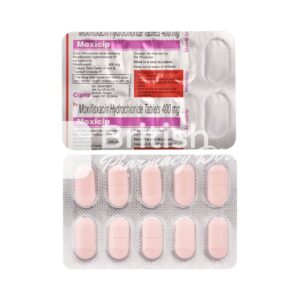
- Brand Names Available In United Kingdom: Avelox — 400 mg film-coated tablets
- ATC Code: J01MA14 — Systemic antibacterial, fluoroquinolone class
- Forms & Dosages: Film-coated tablet 400 mg (oral); IV solution/flexibag 400 mg/250 mL; 0.8% NaCl (intravenous infusion)
- Manufacturers In United Kingdom: not specified
- Registration Status In United Kingdom: Approved by MHRA; prescription only
- OTC / Rx Classification: Prescription only (Rx)
Critical Warnings, Restrictions And Patient Protection
Avelox contains moxifloxacin (INN: moxifloxacin; ATC: J01MA14) and is a prescription-only systemic fluoroquinolone.
Do not use Avelox if you have had a hypersensitivity reaction to moxifloxacin or any other quinolone, a previous quinolone-related tendon disorder, or a history of myasthenia gravis.
Report new severe adverse effects such as tendon pain, peripheral neuropathy (numbness or tingling), or severe mood or sleep changes promptly to your GP or pharmacist and via the MHRA Yellow Card scheme.
Hospital prescribers should consider ECG monitoring in patients with QT prolongation risk and check electrolytes where hypokalaemia is suspected.
- Emergency actions: stop the drug, seek urgent medical review, and document the start date of therapy.
- Pharmacy checks before supply: verify pregnancy/breastfeeding status, confirm age (contraindicated under 18 years), and ask about current systemic steroid use.
Storage guidance for tablets is 20–25°C and IV flexibags should be handled per hospital protocol.
- POM: Prescription-only medicine supplied only on a valid prescription.
- Yellow Card: The MHRA system for reporting suspected adverse drug reactions in the UK.
- MHRA: Medicines and Healthcare products Regulatory Agency, the UK regulator for medicines.
High-Risk Groups
Elderly patients require extra vigilance because of increased risk of QT prolongation and tendon problems.
Pregnancy and breastfeeding require careful assessment; avoid unless clearly needed and documented by the prescriber.
People with chronic illnesses such as significant cardiac disease, renal or hepatic impairment, and neuromuscular disorders need review before starting Avelox.
- Checklist: age ≥65, known QT prolongation, concurrent QT‑prolonging drugs, electrolyte abnormalities, systemic steroid use, history of tendon disorder, myasthenia gravis.
Interaction With Activities
Avelox can cause dizziness, sleep disturbance and visual changes that affect safe operation of vehicles and machinery.
If a patient feels impaired they should not drive or operate heavy machinery.
- Do not drive if you experience dizziness, blurred vision or impaired concentration after taking Avelox.
- Advise caution in safety-critical jobs such as driving, operating heavy plant, or roles requiring rapid decision-making.
- Employers and patients should follow DVLA and workplace guidance where persistent neurological or visual effects occur.
Can I Drive After Taking It In The United Kingdom?
Avelox can cause dizziness, visual disturbance or central nervous system effects.
If you feel impaired do not drive or operate machinery.
Report these symptoms to your prescriber and follow DVLA guidance if effects persist.
Usage Basics: INN, Brand Names And Legal Status In The UK
The international nonproprietary name (INN) is moxifloxacin and the ATC code is J01MA14 indicating a systemic fluoroquinolone antibacterial.
The licensed UK brand is Avelox, supplied as 400 mg film-coated tablets and as IV flexibags for hospital use.
The originator company is Bayer AG and the product is prescription only under MHRA regulation.
Legal classification in the UK is POM and supply must be on a valid GP, private or NHS e-prescription to a GPhC‑registered pharmacy.
- Common pack sizes: 5 tablets, 7 tablets, 10 tablets.
- Route distinctions: oral (film-coated tablet) and intravenous (flexibag 400 mg/250 mL).
| Pack Form | Route |
|---|---|
| 400 mg Film-Coated Tablet (blister) | Oral |
| 400 mg/250 mL Flexibag (0.8% NaCl) | Intravenous |
Pharmacy checks must include identity, allergy status, concomitant medicines and pregnancy/breastfeeding status and follow MHRA/NHS counselling guidance.
Dosing Guide And Practical Administration
Standard adult dosing is 400 mg once daily for most indications, either as a 400 mg tablet or as a 400 mg/250 mL intravenous infusion.
Children and adolescents under 18 years are not recommended to receive moxifloxacin due to musculoskeletal risk.
No routine dose adjustment is required in renal or hepatic impairment, but elderly patients should be monitored for adverse effects and QT risk.
| Indication | Dose | Typical Duration |
|---|---|---|
| Community‑acquired pneumonia | 400 mg once daily | 7–14 days |
| Acute bacterial sinusitis | 400 mg once daily | 7–10 days |
| Acute bacterial exacerbation of chronic bronchitis | 400 mg once daily | 5 days |
| Complicated skin/soft tissue infection | 400 mg once daily | 7–21 days |
| Complicated intra‑abdominal infection | 400 mg once daily | 5–14 days |
| Pelvic inflammatory disease | 400 mg once daily | 14 days |
| Plague (including pneumonic) | 400 mg once daily | 10–14 days |
- Administration tips: swallow tablets whole with water and they may be taken with or without food.
- Avoid antacids, sucralfate, iron, zinc and calcium supplements close to dosing as they reduce absorption.
- Monitoring checklist: baseline ECG where QT risk exists and ongoing tendon checks during therapy.
What If I Miss A Dose?
Take the missed dose as soon as you remember unless it is nearly time for the next dose.
Do not double up doses to make up for a missed one.
If you vomit shortly after taking a dose contact your prescriber for advice and seek urgent review for repeated vomiting or overdose.
Interaction Chart: Foods, Drinks And Medicines
Multivalent cations such as antacids, sucralfate and iron or calcium supplements markedly reduce moxifloxacin absorption and should be separated in time.
Co‑administration with other QT‑prolonging medicines increases the risk of arrhythmia and should be avoided where possible.
Concurrent systemic corticosteroids raise the risk of tendon rupture and need careful assessment.
| Substance | Effect | Clinical Action |
|---|---|---|
| Antacids, iron, calcium, sucralfate | Reduced absorption of moxifloxacin | Avoid within 2–4 hours of dosing; space dosing times |
| QT‑prolonging drugs (certain antiarrhythmics, some antipsychotics) | Increased QT prolongation risk | Review therapy, correct electrolytes, consider ECG monitoring |
| Systemic corticosteroids | Increased tendon rupture risk | Avoid co‑use where possible and counsel on tendon symptoms |
| Warfarin and other anticoagulants | Possible altered INR | Monitor INR during and after therapy |
Alcohol is not formally contraindicated but may worsen dizziness and is best avoided while unwell.
- Common co‑medicines requiring review: warfarin, antiarrhythmics, macrolides, antipsychotics, tricyclic antidepressants.
Report suspected interactions or adverse reactions to the MHRA Yellow Card system to aid UK safety monitoring.
User Reports, Patient Experience & Trend Signals
Patient reports on NHS Choices and Patient.info commonly describe fast symptom relief from respiratory infections when moxifloxacin is active against the organism.
Frequent anecdotal complaints include gastrointestinal upset, dizziness, sleep disturbance and sometimes mood changes.
- Typical patient‑reported effects: nausea, headache, tendon pain, sleep changes, peripheral neuropathy.
| Frequency Category | Examples From Product Information |
|---|---|
| Common | Nausea, diarrhoea, headache, dizziness |
| Uncommon | Insomnia, anxiety, photosensitivity |
| Rare | Tendon rupture, peripheral neuropathy, severe liver enzyme abnormalities |
Clinicians should weigh anecdotal patient reports against regulated safety data and encourage Yellow Card reporting to strengthen UK signal detection.
Prescribing patterns in primary care have tightened since regulatory updates and moxifloxacin is often reserved for cases where alternatives are unsuitable.
Access, Pharmacies And Purchasing In The UK
Supply routes include NHS prescriptions from GPs or urgent treatment centres, hospital in‑patient IV use, private prescriptions and GPhC‑registered online pharmacies.
High‑street chains such as Boots, LloydsPharmacy and Superdrug routinely dispense Avelox on valid prescriptions.
Electronic Prescription Service (EPS) supports transfer of NHS prescriptions to nominated community pharmacies.
- Checklist for safe online purchase: verify GPhC registration, require a valid prescription, confirm secure contact details and pharmacist availability.
| Region | Typical Prescription Charge |
|---|---|
| England | Standard per‑item charge applies (check NHS site for current amount) |
| Scotland | Prescriptions generally free |
| Wales | Prescriptions generally free |
| Northern Ireland | Prescriptions generally free |
Do not buy from unregulated overseas websites because of counterfeit and safety risks.
- Documents to present at collection: valid prescription and ID if requested.
In our online pharmacy, avelox is available without a prescription, with discreet delivery to United Kingdom in 5-14 days.
Mechanism Of Action And Pharmacology
Moxifloxacin inhibits bacterial DNA gyrase and topoisomerase IV, blocking DNA replication and causing bacterial cell death.
The drug belongs to the fluoroquinolone class (ATC J01MA14) and is active against many respiratory Gram‑positive and Gram‑negative pathogens.
- DNA Gyrase: An enzyme that introduces negative supercoils into DNA; inhibition prevents replication.
- Topoisomerase IV: An enzyme involved in separating replicated DNA; inhibition prevents bacterial cell division.
- Bactericidal: Kills bacteria rather than simply inhibiting growth.
- Pharmacokinetic highlights: good oral absorption, once‑daily dosing, high tissue penetration particularly in lung and sinus tissues.
- Oral tablets achieve systemic levels comparable to IV infusion for many indications.
Tendon toxicity and peripheral neuropathy are recognised class effects with incompletely understood mechanisms.
QT prolongation arises from effects on cardiac ion channels and is a known safety consideration.
Indications, Licensed And Off‑Label
Avelox is licensed for adult indications including community‑acquired pneumonia, acute bacterial sinusitis and acute bacterial exacerbation of chronic bronchitis.
Other licensed uses include complicated skin and skin‑structure infections, complicated intra‑abdominal infections, pelvic inflammatory disease and plague including pneumonic plague.
| Indication | Standard Dose | Duration |
|---|---|---|
| Community‑acquired pneumonia | 400 mg once daily | 7–14 days |
| Acute bacterial sinusitis | 400 mg once daily | 7–10 days |
| Acute exacerbation of chronic bronchitis | 400 mg once daily | 5 days |
Children and adolescents under 18 are not recommended to receive moxifloxacin.
Off‑label use may occur in specialist settings for resistant organisms or when alternatives are unsuitable, but must be justified and documented.
- Off‑label documentation steps: record rationale, seek microbiology advice and obtain informed consent where appropriate.
Antimicrobial stewardship principles require reserving moxifloxacin for situations where narrower options are unsuitable.
Key Clinical Findings And Safety Reviews
Regulatory and clinical reviews emphasise that moxifloxacin is effective for susceptible respiratory and intra‑abdominal infections but carries rare serious risks.
Principal safety concerns include tendinopathy and tendon rupture, peripheral neuropathy, central nervous system effects and QT prolongation.
- Clinical messages: effective for community‑acquired pneumonia and complicated infections when pathogen susceptibility supports use.
- Safety trade‑offs: reserve use, monitor where indicated and counsel patients on red‑flag symptoms.
| Benefit | Risk |
|---|---|
| Once‑daily dosing and good tissue penetration | Rare but serious adverse effects requiring prompt action |
| Useful IV→oral switch in hospital care | QT prolongation in susceptible patients |
Clinicians should consult MHRA and NHS guidance and local microbiology before prescribing.
Alternatives Matrix And Prescribing Considerations
Common NHS alternatives include levofloxacin, ciprofloxacin, doxycycline, amoxicillin (with or without clavulanate) and macrolides such as clarithromycin or azithromycin.
| Drug | Spectrum | Pros | Cons | Typical Use |
|---|---|---|---|---|
| Levofloxacin | Broad (respiratory) | Once daily; good respiratory coverage | Similar class risks (tendon, QT) | Respiratory infections when indicated |
| Ciprofloxacin | Strong Gram‑negative | Good for urinary and some intra‑abdominal infections | Less reliable for some respiratory Gram‑positives | UTIs, selected intra‑abdominal infections |
| Doxycycline | Atypicals and some Gram‑positives | Good for atypical pathogens; oral option | Not suitable for all severe infections | Mild community respiratory infections, atypical coverage |
- Pros/cons checklist: choose the narrowest effective agent, consider resistance patterns and patient comorbidity before selecting moxifloxacin.
- For penicillin allergy seek specialist advice when needed.
Document the reason for choosing moxifloxacin and involve microbiology for complex or off‑label cases.
Common Patient Questions
Can I take Avelox in pregnancy or while breastfeeding — it is generally avoided unless benefits outweigh risks and other options are unsuitable.
Will it interact with my long‑term medicines — check with a pharmacist because antacids, iron/calcium supplements, QT‑prolonging drugs and systemic steroids are notable interactions.
How soon will symptoms improve — many patients see improvement within 48–72 hours for respiratory infections but complete the full course as prescribed.
What symptoms need urgent review — new severe tendon pain or swelling, numbness or tingling, chest pain, fainting or severe diarrhoea need immediate attention.
- Red‑flag symptoms to carry to appointments: sudden tendon pain, new peripheral numbness, palpitations or fainting, severe persistent diarrhoea.
- Checklist for patients: stop taking the medicine and seek urgent review if you develop severe tendon pain, neurological symptoms or signs of an allergic reaction.
Report suspected side effects via the MHRA Yellow Card scheme to help UK safety monitoring.
NHS Cost & Access Comparison
| Source | Typical Private Price Range | NHS Prescription Charge (England) | Regional Note |
|---|---|---|---|
| GP Prescription (NHS) | Varies if private | Standard per‑item charge applies | Scotland, Wales and Northern Ireland generally free |
| Hospital In‑Patient (IV) | Not applicable to patients | Provided as part of in‑patient care | IV flexibags supplied by hospital pharmacy |
| Private Prescription / Online Pharmacy | Typical dispensing fees apply | Not applicable | Ensure GPhC registration |
- Publishers should update cost figures regularly and link to NHS pages for current prescription charges.
- Exemption categories include age, pregnancy, low income and war pensioners — check NHS guidance for details.
Registration, Regulation And Reporting In The UK
Avelox (moxifloxacin 400 mg) is approved for use in the UK and is a prescription‑only medicine under MHRA oversight.
Prescribers must follow MHRA safety communications and local antimicrobial stewardship policies.
- Regulatory touchpoints: product licence details, pharmacist supply checks, Yellow Card adverse event reporting and MHRA safety updates.
The MHRA approval process includes review of quality, safety and efficacy plus post‑marketing surveillance and a risk management plan.
NHS prescribers should document indication, duration and stewardship rationale in the medical record.
- Checklist for Yellow Card reporting: include patient details, suspected reaction, concomitant medicines and batch/pack information where available.
Pharmacists should refuse supply if the medicine would be unsafe and report adverse reactions to support national safety monitoring.
Storage, Handling And Household Guidance
Tablets should be stored at 20–25°C and protected from moisture and light.
Transport may allow exposure in the 15–30°C range according to product guidance.
IV flexibags are stored and handled per hospital pharmacy protocol and must not be frozen.
| Storage Condition | Typical UK Household Location | Action |
|---|---|---|
| 20–25°C, dry | Bedroom cupboard away from radiator | Keep in original packaging |
| Do not freeze | Avoid bathroom or car glovebox | Return to pharmacy if frozen |
- Disposal checklist: do not flush medicines; return unused items to any community pharmacy take‑back scheme.
- Household precautions: keep out of reach of children, avoid extremes of heat and retain patient information leaflet for batch details.
Pharmacies should label dispensed packs with start and stop dates and highlight tendon warnings on the label.
Practical Guidelines For Proper Use, Pharmacist Counselling And NHS Safety Advice
Confirm the indication and explain the dosing: 400 mg once daily and the expected duration for the condition being treated.
Explain how to take the tablets — swallow whole with a full glass of water and avoid antacids or supplements near dosing times.
- Core counselling points: complete the full course, report tendon pain immediately, avoid driving if dizzy and separate antacids/iron/calcium by 2–4 hours.
- Documentation checklist at supply: confirm identity, pregnancy status, check concomitant medicines, note that counselling was given and supply Yellow Card reporting information.
Advise patients to seek GP review if there is no improvement within the expected timeframe or if red‑flag symptoms develop.
Consider ECG or electrolyte checks in patients with cardiac comorbidity or interacting medications.
Signpost urgent concerns to the GP, local pharmacist or NHS 111 and remind patients to report adverse effects via the MHRA Yellow Card system.
Delivery Across United Kingdom
| City | Region | Delivery Time |
|---|---|---|
| London | England | 5–7 days |
| Birmingham | England | 5–7 days |
| Manchester | England | 5–7 days |
| Glasgow | Scotland | 5–7 days |
| Leeds | England | 5–7 days |
| Liverpool | England | 5–7 days |
| Sheffield | England | 5–7 days |
| Edinburgh | Scotland | 5–7 days |
| Bristol | England | 5–7 days |
| Cardiff | Wales | 5–7 days |
| Belfast | Northern Ireland | 5–7 days |
| Newcastle Upon Tyne | England | 5–7 days |
| Norwich | England | 5–9 days |
| Plymouth | England | 5–9 days |