
Cholesterol
Understanding Cholesterol and Its Health Impact
Cholesterol is a waxy substance found in your blood that your body needs to build healthy cells and produce hormones. However, too much cholesterol can increase your risk of heart disease and stroke. There are two main types of cholesterol: LDL (low-density lipoprotein), often called “bad” cholesterol, which can build up in your arteries, and HDL (high-density lipoprotein), known as “good” cholesterol, which helps remove LDL from your bloodstream.
High cholesterol often has no symptoms, which is why regular testing is essential. Your GP may recommend blood tests to check your cholesterol levels, particularly if you have a family history of heart disease or other risk factors. Understanding your cholesterol numbers helps you and your healthcare provider determine the best course of action for your health.
Lifestyle changes such as eating a balanced diet, exercising regularly, and maintaining a healthy weight can significantly impact your cholesterol levels. However, for many people, these changes alone aren’t enough, and medication becomes necessary to reduce their cardiovascular risk.
Statins: The Most Prescribed Cholesterol Medication
Statins are the most commonly prescribed medications for managing high cholesterol in the UK. They work by blocking an enzyme your liver needs to produce cholesterol, effectively lowering LDL cholesterol levels in your blood. Statins also help reduce inflammation in blood vessels and can stabilise plaques that have already formed.
Several statins are available on the UK market. Atorvastatin is one of the most widely prescribed, available in various strengths from 10mg to 80mg. Simvastatin is another popular choice, typically prescribed in 10mg, 20mg, or 40mg doses. Pravastatin offers an alternative option for those who may not tolerate other statins well, available in 10mg, 20mg, or 40mg strengths.
Rosuvastatin is a more potent statin, often prescribed in lower doses of 5mg, 10mg, or 20mg for significant cholesterol reduction. Fluvastatin is also available, particularly for patients who need a gentler option. All these medications work best when combined with lifestyle modifications and are typically taken once daily in the evening.
Most statins are available on prescription through your GP, and many are also available as generic versions, making them more affordable. Your doctor will determine which statin and dose is most appropriate based on your cholesterol levels, other health conditions, and any medications you’re currently taking.
Alternative Cholesterol Medications
For patients who cannot tolerate statins or need additional cholesterol management, several alternative medications are available in the UK. Ezetimibe is a non-statin medication that works differently by blocking cholesterol absorption in your intestines. It’s often prescribed alongside statins or as a standalone treatment and is available in 10mg tablets.
PCSK9 inhibitors are newer medications that significantly lower LDL cholesterol, particularly beneficial for patients with familial hypercholesterolaemia or those with very high cholesterol levels. These include evolocumab and alirocumab, which are typically administered via injection. Whilst highly effective, they’re usually reserved for specific patient groups due to their cost.
Additional options for cholesterol management include:
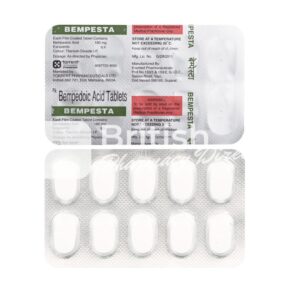
- Bempedoic acid – a newer oral option that reduces uric acid whilst also lowering cholesterol, offering an alternative for patients with statin intolerance
- Bile acid sequestrants like colesevelam – work by binding to cholesterol in your digestive system, preventing absorption
- Nicotinic acid, or niacin – helps raise HDL cholesterol and lower triglycerides, though less commonly prescribed today
- Fibrates – primarily used to lower triglycerides but can have some effect on cholesterol levels
Your GP can discuss which alternative medication might be best for your individual circumstances, taking into account your cholesterol profile, medical history, and any previous medication reactions.
Managing Side Effects and Medication Concerns
Whilst statins are generally well-tolerated by most people, some patients experience side effects. The most commonly reported side effect is muscle pain or weakness, affecting approximately 5-10% of statin users. If you experience muscle aches, inform your GP immediately, as they may recommend switching to a different statin or adjusting your dose.
Some people worry about liver problems, but serious liver complications from statins are rare. Your GP may recommend liver function tests before starting treatment and periodically during therapy. Similarly, concerns about memory or cognitive effects have been raised, but large studies have not conclusively proven statins cause memory problems. Any cognitive concerns should be discussed with your healthcare provider.
Digestive issues, headaches, and sleep disturbances can occasionally occur but often resolve within a few weeks as your body adjusts. Taking your statin at a consistent time daily can sometimes help reduce side effects. If side effects persist or are bothersome, never stop taking your medication without consulting your GP, as they can work with you to find a suitable alternative.
It’s important to remember that the benefits of cholesterol-lowering medication typically far outweigh the risks for most people. Your doctor has prescribed your medication because they believe the cardiovascular protection it provides is more important than the small risk of side effects.
Lifestyle Changes to Support Cholesterol Management
Medication works best when combined with positive lifestyle choices. A heart-healthy diet rich in fruits, vegetables, whole grains, and lean proteins can significantly lower your cholesterol. Reducing saturated fat and avoiding trans fats are particularly important steps. Include foods like oily fish, nuts, and seeds, which contain healthy fats that support good cholesterol levels.
Regular physical activity is crucial for cholesterol management. Aim for at least 150 minutes of moderate aerobic exercise weekly, such as brisk walking, cycling, or swimming. Exercise not only lowers LDL cholesterol but also raises beneficial HDL cholesterol. Even small amounts of daily movement contribute to better cardiovascular health.
Maintaining a healthy weight reduces cholesterol levels and decreases cardiovascular disease risk. If you’re overweight, losing even 5-10% of your body weight can improve your cholesterol profile. Quitting smoking is another vital step, as smoking damages blood vessels and lowers HDL cholesterol.
Limiting alcohol consumption, managing stress through relaxation techniques, and ensuring adequate sleep all support healthy cholesterol levels. These lifestyle modifications can sometimes reduce your medication requirements, and your GP can monitor your progress through regular blood tests to assess whether any adjustments are needed.
When to See Your Doctor and Monitoring Your Treatment
Regular monitoring ensures your cholesterol treatment is working effectively. Your GP will typically recommend blood tests 4-12 weeks after starting medication, then annually once your cholesterol is controlled. These tests measure your total cholesterol, LDL, HDL, and triglyceride levels, providing important information about your cardiovascular health.
You should see your doctor if you experience unexplained muscle pain, weakness, or unusual bruising whilst taking cholesterol medication. Similarly, contact your GP if you develop signs of liver problems, including yellowing of skin or eyes, unusual tiredness, or abdominal pain. Any new medications you start should be discussed with your GP, as they may interact with cholesterol treatments.
If you’re not reaching your cholesterol targets despite medication and lifestyle changes, your doctor may adjust your dose, switch medications, or add a second medication to your regimen. Some people require combination therapy for optimal cholesterol control. It’s essential to communicate openly with your healthcare provider about any concerns or challenges you face with your treatment plan.
Remember that managing cholesterol is a long-term commitment. Most people with high cholesterol require ongoing medication to reduce their heart disease and stroke risk significantly. Regular monitoring, consistent medication use, and maintained lifestyle changes work together to protect your cardiovascular health and improve your overall wellbeing for years to come.